Author: Forbes
Compiled by: AididiaoJP, Foresight News
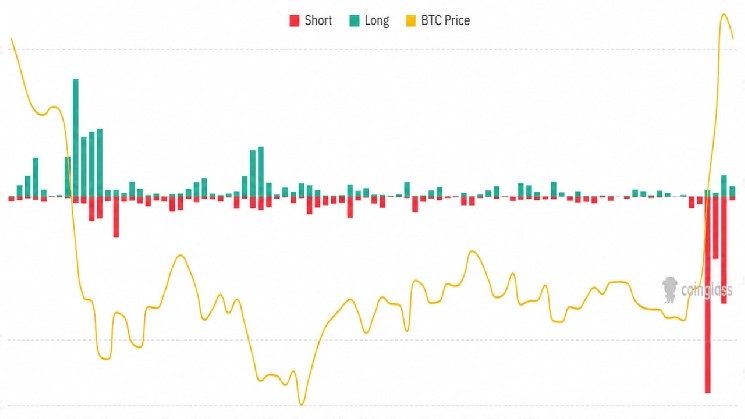
Bitcoin staged a strong rebound this week from recent lows, climbing back above $60,000. This followed a sharp decline to multi-year lows after former US President Donald Trump returned to the White House, with some market warnings at the time suggesting the "Ponzi scheme" might face a collapse.
Bitcoin has performed sluggishly this year, with its price more than halving from the year's highs. While the world's largest asset manager, BlackRock, is quietly laying the groundwork for the next phase of the Bitcoin and cryptocurrency revolution, the latest US economic data has brought unfavorable signals to the crypto market.
Just as some cryptocurrencies were predicted to potentially surge 50x and create "generational wealth," the US June jobs report came out, falling far short of expectations.
The report showed the US economy added only 57,000 jobs last month, significantly below the Dow Jones survey consensus estimate of 115,000. However, the unemployment rate fell to 4.2% from an expected 4.3%. Nic Puckrin, founder of Coin Bureau and former Goldman Sachs analyst, noted in an email: "On the surface, the data looks like the labor market is unbreakable, but the actual job additions were far below expectations, and the labor force participation rate fell by 0.3 percentage points. This might simply be because many people have already given up looking for work, making the data appear less dire."
For the new Fed, whose primary task is to curb inflation, wage growth data is more critical than the overall employment numbers. Average hourly earnings accelerated year-on-year to 3.5%, which is bad news for those hoping for a dovish policy pivot. Strong wage growth will continue to fuel the inflation beast—precisely the scenario most feared by Fed Chair Kevin Warsh. As long as wage growth remains elevated, expectations for a 2026 rate hike will be difficult to dispel.
Following the jobs report, Bitcoin's price continued to recover, briefly touching $63,000. Traders are now turning their attention to the July Consumer Price Index (CPI) data to gauge how the Fed under the new Chair Warsh will adjust interest rate policy.
Analysts at the Bitfinex exchange pointed out: "The June CPI data, released on July 14th, will be a key inflection point. May's inflation rate was as high as 4.2%, while the market expects the Fed to maintain rates in the 3.5%-3.75% range at its July 28-29 meeting. Warsh's previously dovish-leaning remarks have already provided some relief for risk assets."
A team led by ING analyst James Knightley wrote in a report that July's CPI is expected to show a month-on-month decline in overall prices, primarily due to a sharp drop in gasoline prices. "This could further fuel market expectations that the Fed will keep rates on hold for an extended period this year, rather than hike."
Oil prices have fallen significantly in recent weeks, returning to levels seen before the outbreak of the US-Iran conflict. Traders believe that an oil supply glut will help ease inflationary pressures and prompt the Fed to lower borrowing costs. David Morrison, Senior Market Analyst at Trade Nation, stated: "Bitcoin's sustained rebound is supported by lower borrowing costs, which tend to improve liquidity and support risk-sensitive assets like Bitcoin."
Morrison added: "The weak jobs data alleviated market concerns about multiple Fed rate hikes within the year, leading to a weaker US dollar and a broad rise in risk assets, improving sentiment in the Bitcoin market."
However, some also view this jobs report as not entirely bad news for Bitcoin. Some investors are betting that the Fed will pivot to a more accommodative stance in the second half of the year, supporting the "debasement" trade in assets like gold and Bitcoin. Stephen Coltman, Head of Macro at 21Shares, said: "The market expected strong jobs data but got a significant miss, accompanied by notable downward revisions to prior data. Market pricing for additional Fed tightening this year now looks increasingly unreasonable. Inflation expectations have fallen sharply, and current policy is becoming more restrictive. This paves the way for a policy pivot towards easing in the second half, which is favorable for 'debasement' trades like precious metals and cryptocurrencies, which have been weighed down by the Fed's hawkish stance this year."
Current market pricing suggests the Fed may only hike rates once this year (25 basis points), but Warsh's comments this week at a global central bankers' conference have already led investors to dial back their bets on monetary tightening.
Speaking at the annual meeting of international policymakers and economists hosted by the European Central Bank in Portugal, Warsh said: "Inflation expectations over the first four weeks of this period have declined somewhat, and inflation risks are diminishing." He did not explicitly state whether a rate hike is likely at the next meeting at the end of July, with markets currently pricing in an 82% probability of unchanged rates.
Looking ahead, Bitcoin's price will remain highly sensitive to upcoming US economic data, particularly employment and inflation reports, as well as Fed policy expectations. Simon-Peter Massabni, Head of Business Development at XS.com, noted: "If economic data continues to show resilience, expectations for rate cuts will diminish, and a stronger dollar will add extra pressure on cryptocurrencies. Conversely, if data points to a significant slowdown, expectations for monetary easing will return, giving Bitcoin a chance to reclaim some lost ground. In my view, the relationship between Fed policy and Bitcoin has never been as important as it is today."
Massabni believes the three core variables determining Bitcoin's trajectory in the coming months are: institutional ETF fund flows, geopolitical developments, and Fed rate expectations. "If these factors gradually improve, the current sell-off may ultimately be seen as a long-term buying opportunity rather than the start of a bear market. Conversely, if pressure persists unresolved, high volatility will continue until the market finds a solid price bottom."