AI Relay Stations: The Hidden Pitfalls Behind Low Costs, How to Screen and Avoid Them?

marsbitPublished on 2026-05-09Last updated on 2026-05-09

Abstract

AI Relay Stations: The Hidden Risks Behind Low Costs and How to Avoid Pitfalls AI relay stations are becoming a popular gateway to various models, offering lower prices, a wider selection, and a unified interface for tools like Claude Code and Cursor. However, their appeal masks significant risks. Users may unknowingly surrender prompts, code, business documents, customer data, and even full project contexts. The demand is driven by genuine needs: cost savings compared to expensive official APIs (e.g., GPT, Claude), easier access amid regional restrictions, and the push from AI-powered development tools. But not everyone needs a relay station. Light users should exhaust free official quotas first. Heavy users, like developers, can adopt a layered approach, using top models for critical tasks and cheaper local models for routine work. If a relay station is necessary, follow a careful selection and usage protocol: 1. **Verify First:** Test model authenticity, latency, and stability before purchasing credits. Check the quality of provided documentation. 2. **Isolate Configuration:** Use unique API keys for each service, manage them via environment variables, and set usage limits to control costs and potential damage from leaks. 3. **Classify Your Data:** Develop a habit of data grading before sending requests. Only send non-sensitive, public information directly. Desensitize semi-sensitive data (e.g., internal documents) by removing names and specifics. Never send highly s...

Author: Omnitools

AI relay stations are evolving from niche tools into broader gateways to models. For many users, their appeal is straightforward: lower prices, more models, a unified interface, and the ability to connect to development tools like Claude Code, Codex, and Cursor.

But the problem with relay stations lies precisely here. Users think they're just switching to a cheaper API endpoint; in reality, they might be handing over their prompts, code, business documents, client information, call logs, or even the entire development context of a project.

Omnitools believes the discussion about AI relay stations shouldn't stop at "can it be used?" or "which one is cheapest?". More important questions are: Where does the demand behind relay stations come from? Do users truly need them? And if they must be used, how can risks be controlled?

1. The Market Demand Behind Relay Stations

One obvious conclusion is that relay stations are popular because the demand is real.

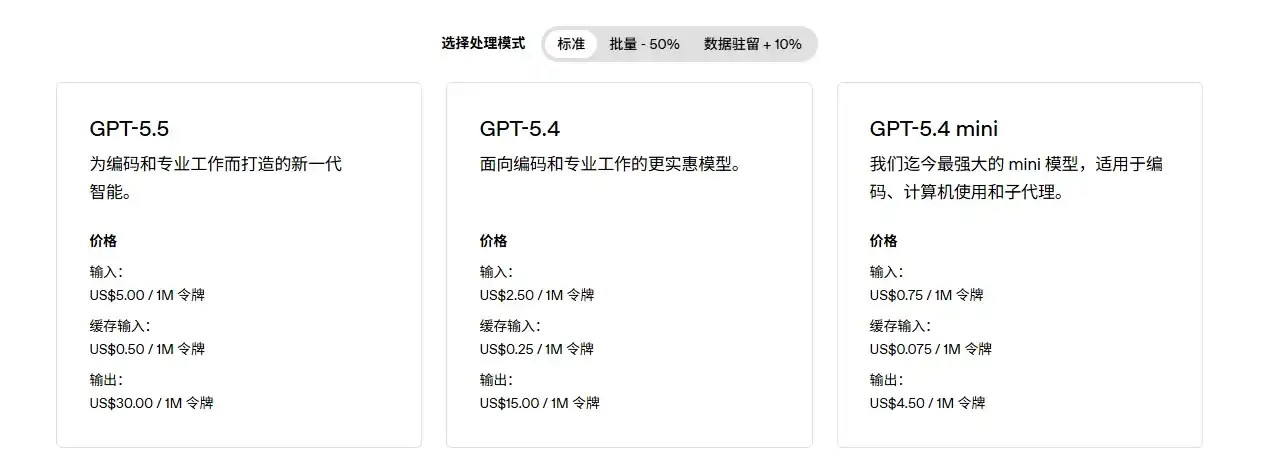
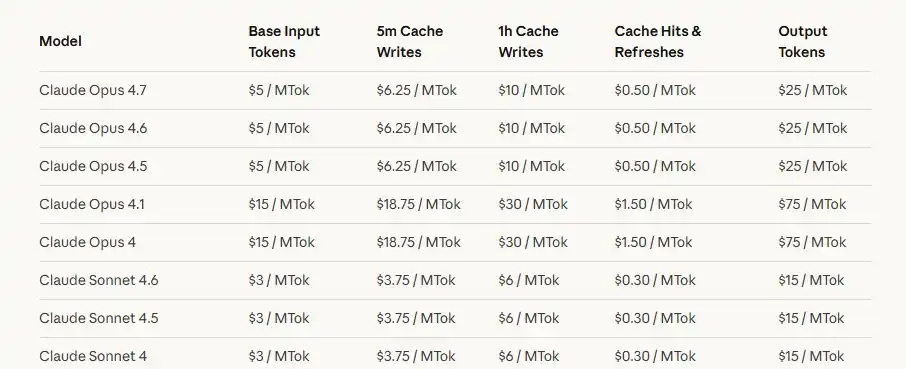
First, there's the price advantage. Official APIs from leading overseas large language models are not cheap. The OpenAI pricing page shows GPT-5.5 input at $5 per million tokens, output at $30 per million tokens; the Anthropic pricing page shows Claude Sonnet 4.7 input at $5 per million tokens, output at $25 per million tokens. For casual chat, these costs aren't obvious, but for long-text processing, code generation, multi-turn agent tasks, and automated workflows, the cost of calls can quickly become noticeable.

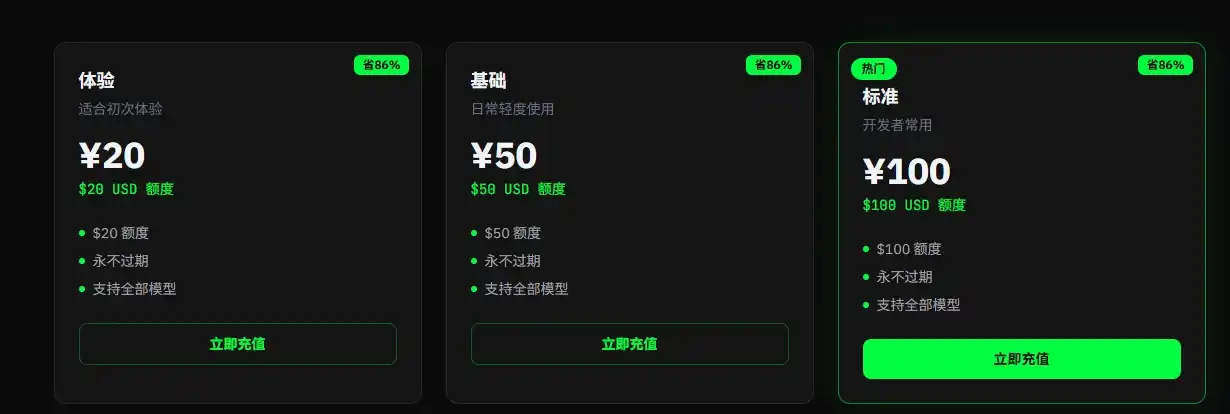
The main selling point of relay stations is offering access to APIs at prices far below official rates, for example, purchasing $1 worth of tokens for 1 RMB, with discounted prices being only about 15% of the official rate. For users with substantial demand, this is tangible cost savings.
Second is access barriers. As access restrictions from US models on users in mainland China become increasingly strict, even ignoring price advantages, using official APIs or plans at full price poses a high verification barrier for many users. Additionally, in usage scenarios, if users want to use Claude, GPT, Gemini, and domestic models simultaneously, they must switch between multiple platforms. Relay stations compress this complexity into a single entry point, acting like an "aggregated socket" in the AI model world—users no longer care which line is behind it, only if it delivers stable power.

Third is the push from development tools. In the past, models were mainly used for Q&A and writing; now, tools like Claude Code, Codex, and Cursor are integrating models into local development workflows. Model calls are no longer just a single chat but could be a code review, a project refactor, or an automatic fix. Furthermore, with the emergence of the "crawfish farming" trend, the demand for tokens has also grown. The heavier the demand, the more likely users are to seek cheaper, higher-capacity, more unified access methods.

Therefore, the booming business of relay stations is driven by real demand, not just another hype cycle.

2. Do You Really Need a Relay Station?

However, not everyone needs to use a relay station.

If you only occasionally ask questions, translate text, summarize public information, or write general copy, you often don't need a relay station. Models and tools like ChatGPT, Gemini, Antigravity, etc., have free tiers. If dealing with verification and accounts is an issue, many large model aggregators are available, some also offering free tiers sufficient for daily use.

For light users, rather than handing data over to an unknown relay station for "cheapness," it's better to first exhaust the free tiers of official and legitimate tools. Free tiers may change, and specific limits should be checked on each platform's official page, but the principle remains: low-frequency demand doesn't require rushing to use a relay.

For heavy programming users, it's also not always necessary to delegate all tasks to expensive models or relay stations. A safer approach is to use models in layers: use stronger large models for requirement breakdown, technical direction, architecture design, and code review; then use cheaper domestic models for more concrete function development, daily operations, etc. Moreover, with domestic models continuously catching up, many are already comparable in capability to top US models for daily development tasks, often at prices cheaper than many relay stations. Take Kimi K2.6 as an example, its output price per million tokens is $4, only 13% of ChatGPT 5.5, a price lower than many relay stations.
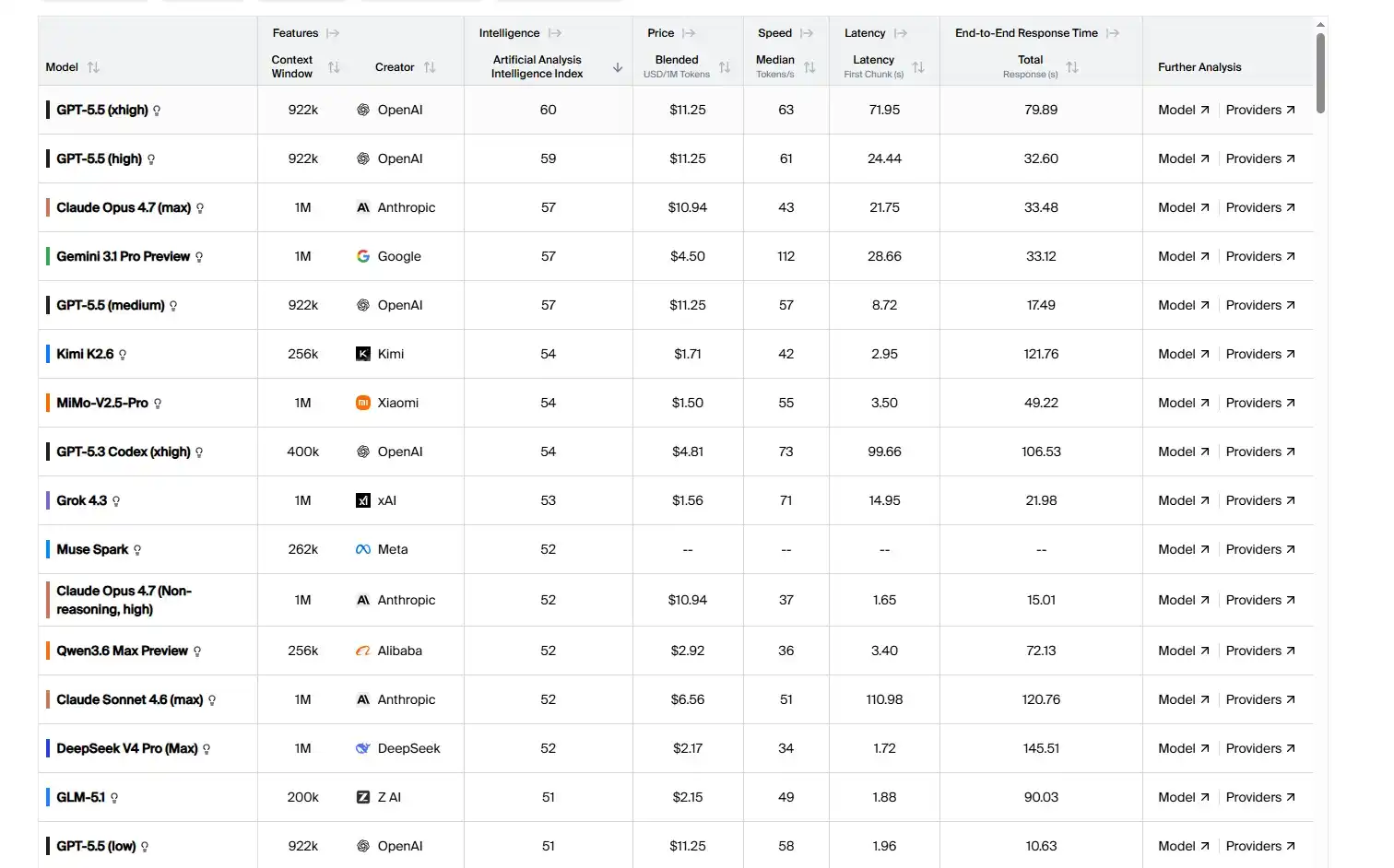
Of course, this method isn't perfect, but it better matches cost structures. Complex tasks most need directional judgment and framework ability; concrete implementation can be broken down into multiple low-risk, low-cost subtasks. For individual developers and small teams, breaking tasks down first, then deciding which stages require high-end models, is usually more rational than directly purchasing large relay station quotas.

Only when users already have continuous, high-frequency, multi-model calling needs—such as long-term use of AI programming tools, processing large volumes of public information, conducting model comparisons, building internal automation workflows—and official quotas are clearly insufficient, do relay stations become a potential option. Even then, they should be a "tool after screening," not the default entry point.

3. How to Choose and Use Relay Stations?

If evaluation confirms the need for a relay station, the next question is no longer "to use or not," but "how to use it without incident." The following is a complete operational process from evaluation to daily use.

Step 1: Verify First, Then Top Up

After getting a relay station address, don't rush to top up. First, do three things:

Verify model authenticity. Call the relay station and the official API with the same prompt, compare output quality, response format, and token usage. Some relay stations might impersonate higher-version models with lower ones, or inject extra system prompts in outputs. A simple test is to ask the model to report its version info, then cross-check with official behavior. While not foolproof, this can filter out obviously problematic platforms.

Test latency and stability. Make 20-50 consecutive calls, observe for frequent timeouts, random errors, or fluctuations in response quality. The relay station path has an extra layer compared to direct connection; if basic stability isn't up to par, issues will only multiply later.

Check documentation quality. A seriously operated relay station usually provides complete API documentation, OpenAI-compatible access instructions, clear model lists, and pricing tables. If a platform's documentation is patchy, or its model list vague, be more cautious.

Step 2: Isolate Configuration, Don't Mix

After confirming basic platform usability, next comes technical isolation. Many users skip this step, but it determines the scope of loss if problems arise.

Use independent API Keys. Don't directly enter the Key you applied for on the official platform into the relay station, nor share the same Key across multiple relay stations. Generate a separate Key for each relay station. If one platform has issues, you can immediately invalidate it without affecting other services.

Manage keys via environment variables. In local development environments, store API Keys in .env files or system environment variables; don't hardcode them into the code. For example, in Cursor, when filling in the API Base URL and Key in settings, ensure these configurations won't be committed to the Git repository. If using command-line tools like Claude Code or Codex, check your shell configuration files to ensure Keys don't appear in version control history.

Set usage limits. Most legitimate relay stations support setting monthly token quotas or spending caps. The first thing after topping up is to set these limits. This isn't just cost control; it's also a safety net. If your Key is accidentally leaked, usage limits can contain the damage.

Step 3: Establish Data Classification Habits

After technical configuration, the most crucial part of daily use is making quick data classification judgments for each call. You don't need to write a security report each time, but develop a reflex-like checking habit.

Before sending, ask yourself one question: If this content appears on a public forum tomorrow, can I accept it?

If the answer is "yes"—like summarizing public materials, general translation, technical discussions on open-source projects, analyzing public documents—then you can directly use the relay station.

If the answer is "not really, but the loss is controllable"—like internal meeting minutes, business document drafts, customer communication templates, code snippets—then anonymize before sending. Specific practices: replace names with role codes ("Client A", "Colleague B"), replace specific amounts with proportions or ranges, replace internal IDs with placeholders, delete database connection strings, internal API endpoints, and descriptions of unpublished business logic. This process doesn't take long, usually a minute or two, but it reduces risk from "might cause trouble" to "basically manageable."

If the answer is "absolutely not"—like private keys, mnemonics, production environment keys, database passwords, unpublished financial data, customer privacy information, complete private codebases—then don't hand it to any relay station, no matter how secure it claims to be.

Step 4: Treat AI Programming Tools Separately

This point deserves special emphasis because AI programming tools have a much larger data exposure surface than ordinary chat.

When you connect a relay station in tools like Cursor, Claude Code, Cline, the model receives not just your actively entered prompt, but may also include: currently open file content, project directory structure, terminal output history, dependency config files (like package.json, requirements.txt), Git commit history, and file paths and environment variable names in error messages.

This means a seemingly ordinary "help me fix this bug" might send far more data to the relay station than you expect.

Operational advice: When using relay stations in AI programming tools, prioritize independent, non-core business-related coding tasks. If you must handle code involving private repositories or production environments, two relatively safe practices exist: one is to only paste anonymized code snippets, not let the tool directly read the entire project; the other is to switch development of sensitive projects back to official APIs or local models, using relay stations only for non-sensitive projects. Neither is perfect, but both are better than handing the entire development context indiscriminately to a third-party proxy.

Step 5: Continuous Monitoring, Be Ready to Exit

Using a relay station is not a one-time decision but an ongoing evaluation process.

Regularly check billing records. Confirm token consumption matches your actual usage. If usage doesn't increase noticeably during a period but charges accelerate, the platform might have adjusted billing rules, or your Key might have abnormal calls.

Monitor platform announcements and community feedback. The operational status of relay stations can change at any time—upstream channel adjustments, quota policy changes, service sudden shutdowns are all possible. If you rely on a relay station as your main access method, at least have a backup plan. It's recommended to register for 2-3 platforms simultaneously, maintain minimum top-ups, and avoid concentrating all calls on a single channel.

Ensure migration readiness. When configuring the relay station, use standard interfaces in OpenAI-compatible format, so switching platforms usually only requires changing the Base URL and API Key, without modifying code logic. If your project is deeply tied to a relay station's private interface or special features, migration costs will rise significantly—another risk to consider in advance.

Ultimately, relay stations are tools, not beliefs. Their value lies in solving real access needs with controllable costs, but this "controllability" needs to be defined and maintained by you. Through verification, isolation, classification, specialized handling, and continuous monitoring, keep the initiative in your own hands.

Related Questions

QWhat are the primary market demands driving the popularity of AI relay stations?

AThe primary market demands are: 1. Cost advantage: Relay stations offer significantly lower prices compared to official APIs. 2. Access barrier: They circumvent access restrictions for users in regions like mainland China. 3. Unified access: They aggregate multiple AI models into a single entry point, simplifying usage. 4. Demand from development tools: Tools like Claude Code and Cursor integrate models into local workflows, increasing token consumption.

QWhat is the first step recommended for evaluating an AI relay station before using it?

AThe first recommended step is verification before topping up funds. This involves three actions: 1. Verifying model authenticity by comparing outputs with the official API. 2. Testing latency and stability through multiple consecutive calls. 3. Checking the quality of the platform's documentation, API specs, and model list.

QHow should users manage data security when using AI relay stations, especially with coding tools?

AUsers should establish a data classification habit. Before sending any data, ask: 'If this content appeared on a public forum tomorrow, could I accept it?' Based on the answer: send public data directly, desensitize semi-sensitive data (replace names, amounts, IDs), and never send highly sensitive data (keys, passwords, private code, financial data). For AI coding tools, be aware they may send extensive context (file contents, project structure). Handle sensitive projects via official APIs or local models, or only paste sanitized code snippets to relay stations.

QWhat technical isolation measures should be taken when configuring an AI relay station?

AKey technical isolation measures include: 1. Using independent API keys for each relay station, not reusing official keys. 2. Managing keys via environment variables (e.g., .env files) to avoid hardcoding in source code. 3. Setting usage limits (e.g., monthly token caps) immediately after topping up to control costs and limit damage from key leaks.

QAccording to the article, who might not necessarily need to use an AI relay station?

ALight users (e.g., those occasionally asking questions, translating text, summarizing public materials) likely don't need a relay station, as free tiers from official or legitimate aggregator tools may suffice. Heavy programming users may not need it for all tasks either; a safer approach is tiered model usage: using powerful models for planning/architecture and cheaper domestic models for routine implementation, which can be more cost-effective than some relay stations.

Related Reads

From KYC to KYA, Is It Time to Give AI Agents Their Own 'ID Cards'?

Titled "From KYC to KYA: Is It Time to Issue 'Identity Cards' for AI Agents?", this article discusses the emerging concept of Know Your Agent (KYA) as AI agents become increasingly autonomous. In Agent-to-Agent (A2A) scenarios, where agents execute contracts, payments, and trades without human intervention, the lack of a shared identity standard creates risks like unauthorized transactions, fraud, and accountability gaps. KYA acts as a trust layer to verify an agent's origin, authority, and accountability. The need for KYA is most critical outside centralized platforms (like Google or Coinbase), such as in decentralized exchanges (DEX), A2A payments, and merchant payments. Several key players are building KYA infrastructure: - **ERC-8004**: A proposed Ethereum standard that issues a unique AgentID as an NFT, building on-chain identity, reputation, and validation systems. - **Visa TAP**: Visa's solution issues agent identity credentials, with transactions verified via triple signatures (legitimacy, delegator, payment method). - **Trulioo**: Extends its KYC/KYB compliance infrastructure using a Digital Passport for Agents (DAP), issued after verifying both the developer and user, and refreshed per transaction. - **Sumsub**: Focuses on post-issuance real-time verification, detecting agent anomalies during transactions using its existing compliance systems. Regulatory bodies are also acting. The EU AI Act mandates operator identification in logs for high-risk AI systems, the US NIST prioritizes agent identity management standards, and Singapore has released a national AI governance framework. Similar to how the 2019 FATF Travel Rule impacted crypto exchanges, possessing KYA infrastructure may determine market entry in the AI agent era. The market is expected to segment rather than produce a single winner, with success depending on integrations with merchants, payment networks, and KYC client bases.

marsbit7m ago

From KYC to KYA, Is It Time to Give AI Agents Their Own 'ID Cards'?

marsbit7m ago

The Next Generation of Payments Lies Not in the Payment Layer

The Next-Generation of Payment is Not in the Payment Layer This is the second piece in a series analyzing Stripe's AI strategy. The series stems from Stripe's vision of becoming the economic infrastructure for the AI Agent era, announced at Stripe Sessions 2026. A key debate centers on whether Know Your Agent (KYA) is merely an upgrade to existing payment systems. The author argues the opposite: payment will become a subsystem of KYA, not the other way around. Historically, major payment innovations (online banking, mobile wallets, QR codes) emerged from new transaction scenarios that broke the underlying assumptions of old systems, not from optimization within the payment layer itself. Agent economy is that new scenario, and KYA is the foundational infrastructure growing to support it. KYA's proposed five layers—Agent Identity, Authorization Scope, Intent Signing, Liability Chain Auditing, and Credit Rating—extend far beyond payments. Only authorization and auditing directly touch the payment链路. Identity, intent, and credit layers serve broader needs like cross-platform calls, AI alignment, and permission management. Stripe's strategic moves validate this view. Its focus on "economic infrastructure for AI," investments in protocols like Agentic Commerce Protocol (an identity/session protocol), Shared Payment Tokens, stablecoin infrastructure, embedded wallets, and its own Tempo blockchain for settlement, all point to building the KYA layer, not just optimizing payments. Data shows the core challenge in AI commerce has shifted upstream: determining "who this is, what they intend to do, and if they deserve resources" happens long before checkout. This is why Stripe is moving its Radar fraud prevention from the transaction moment to the entire user lifecycle—a KYA-layer concern. Legally, ultimate responsibility will still fall on a human, as laws like AB 316 dictate. However, in a distributed,网状 liability chain involving users, Agent platforms, model providers, and payment protocols, KYA's role is to use cryptography to make every entity's actions and roles verifiable and traceable. This enables accountability where it was previously impossible to pinpoint evidence, fundamentally changing责任追溯, not just payment efficiency. The next-generation payment形态 will not be designed within the payment layer. It will emerge from the Agent economy scenario after the KYA infrastructure is established.

marsbit2h ago

The Next Generation of Payments Lies Not in the Payment Layer

marsbit2h ago

The Next Generation of Payments Is Not in the Payment Layer

The next generation of payments won't be designed within the payment layer itself. This article argues that historical payment innovations (e.g., online banking, mobile wallets) emerged from new transactional scenarios, not from optimizing existing payment systems. The new scenario is the Agent economy. Know Your Agent (KYA) is not merely a payment-layer upgrade for efficiency. It is the foundational infrastructure layer for the Agent economy. KYA’s five layers—Agent identity, authorization scope, intent signature, accountability chain audit, and credit rating—primarily serve broader needs like cross-platform identification, AI alignment, and permission management. Payment is just one application built on top of this KYA foundation. Stripe’s strategy exemplifies this shift. Its focus on "economic infrastructure for AI," investments in protocols like the Agentic Commerce Protocol (identity/session layer), stablecoin infrastructure, embedded wallets, and moving risk management (Radar) to the user lifecycle all indicate it is building the KYA layer, not just optimizing payments. While ultimate legal liability remains with a human (as laws like AB 316 stipulate), KYA enables traceability in a distributed,网状 responsibility chain involving multiple entities (user, Agent platform, model provider, etc.). It makes accountability verifiable where previously it was opaque. The conclusion: A new class of economic actors (Agents) forces a new infrastructure layer (KYA) to emerge. This layer redefines identity, authorization, and accountability. On top of it, the next generation of payment will reorganize and emerge from the demands of the scenario, not from within the traditional payment system.

链捕手2h ago

The Next Generation of Payments Is Not in the Payment Layer

链捕手2h ago

Trading

Spot
Futures

Hot Articles

What is G$

Understanding GoodDollar ($G$): A Blueprint for Decentralized Universal Basic Income Introduction In the ever-evolving landscape of cryptocurrency and blockchain technology, initiatives that seek to address pressing social issues have garnered increased attention. One such project is GoodDollar ($G$), a Web3-based universal basic income (UBI) solution. GoodDollar endeavors to tackle inequality and bridge the wealth gap by creating and distributing accessible economic resources to those most in need. Through its innovative use of decentralized finance (DeFi), GoodDollar presents a unique model that could potentially reshape the way financial assistance is perceived and delivered globally. What is GoodDollar ($G$)? GoodDollar is a cryptocurrency protocol that facilitates the issuance and distribution of digital tokens, referred to as $G$, to its registered users on a daily basis. These tokens function as a form of universal basic income, promoting financial empowerment for individuals from various backgrounds, especially those traditionally excluded from the financial system. Operating on the blockchain, GoodDollar utilizes multiple chains, including Ethereum, Celo, and Fuse, ensuring broad access and usability. The fundamental goal of GoodDollar is to make cryptocurrency accessible and beneficial to everyone, irrespective of their economic starting point. The Creator of GoodDollar ($G$) Details concerning the creator of GoodDollar remain somewhat obscure. However, it is notably highlighted that the project has strong backing from eToro, a widely recognized investment platform that provided the initial funding and foundational support for GoodDollar's development. The vision behind the project is not solely profit-driven but leans heavily towards social entrepreneurship, aiming for a systemic change in economic accessibility. Investors of GoodDollar ($G$) GoodDollar enjoys the financial backing and operational support of eToro. This partnership has played a significant role in launching the protocol and its subsequent developments. While eToro was instrumental in establishing the foundation of the project, GoodDollar envisions transitioning towards a model funded by its community in the long run. This shift to community funding is in line with GoodDollar's commitment to decentralization, allowing its users to have a direct stake in the project's future. How Does GoodDollar ($G$) Work? GoodDollar's operational framework relies heavily on DeFi principles to generate interest from staked cryptocurrencies. This mechanism allows the project to mint and distribute $G$ tokens as a digital basic income for users worldwide. Several key features contribute to GoodDollar's uniqueness and innovation: Universal Basic Income (UBI): Every day, registered users receive free tokens, establishing an automatic income stream intended to alleviate financial pressures. Sustainable Economic Model: The project’s tokenomics aim to balance supply and demand for $G$ tokens, ensuring that the value remains stable over time. Reserve-Backed Tokens: Each $G$ token is backed by a reserve of cryptocurrencies, providing it with inherent value and reliability, a crucial aspect for maintaining user trust. Decentralized Governance: GoodDollar incorporates a democratic approach to decision-making through token-powered decentralized governance. This allows community members to actively participate in the shaping of the project's trajectory, making it truly community-driven. Global Accessibility: GoodDollar has established a considerable community footprint, boasting over 640,000 members spanning 181 countries. Such widespread reach is instrumental in facilitating UBI on a global scale. Timeline of GoodDollar ($G$) The evolution of GoodDollar is marked by several significant milestones throughout its history: 2019: The launch of the GoodDollar wallet marked the first step in operationalizing its vision of delivering UBI through cryptocurrency. 2020: Following the successful wallet rollout, the GoodDollar protocol officially debuted. This marked a crucial phase in its mission to provide daily distributed income. 2021: The project advanced further with the introduction of its Decentralized Autonomous Organization (DAO), fostering a greater level of community involvement and governance. 2022: GoodDollar unveiled its DeFi-friendly version 2 (V2), striving for enhanced user engagement and operational efficiency. The same year also saw the transition to a decentralized governance structure via GoodDAO. 2022: A new roadmap was conceptualized, focusing on initiatives like a grant program designed to promote $G$-related entrepreneurial ventures and an upgraded GoodDollar Marketplace. Key Features of GoodDollar ($G$) The GoodDollar project introduces numerous critical features aimed at redefining the landscape of basic income: Universal Basic Income: Delivering daily free tokens to its users fundamentally underscores its mission to eliminate economic precarity. Multi-Chain Operation: Leveraging multiple blockchain networks enhances accessibility and scalability, ensuring broader participation. Engagement with Decentralized Finance: The use of DeFi allows for sustainable funding of the UBI model, reinforcing its viability as an economic solution. Community Engagement and Governance: GoodDollar envisions a model where the community influences operations through democratic participation, fostering transparency and accountability. Global Community: Boasting a diverse global community enables the project to implement UBI solutions tailored to various cultural and economic contexts. Conclusion GoodDollar represents a transformative leap towards incorporating the principles of universal basic income through the innovative lens of blockchain technology. By harnessing decentralized finance, the project not only provides a solution to financial inequality but also actively engages users in its governance and operations. With a growing community and evolving roadmap, GoodDollar stands as a significant player in the intersection of cryptocurrency and social good, paving the way for a more equitable financial future. As it continues to evolve, GoodDollar’s journey may ultimately inspire other initiatives to consider similar models, furthering the cause of economic empowerment for all.

972 Total ViewsPublished 2024.04.01Updated 2024.12.03

What is G$

How to Buy G

Welcome to HTX.com! We've made purchasing Gravity (G) simple and convenient. Follow our step-by-step guide to embark on your crypto journey.Step 1: Create Your HTX AccountUse your email or phone number to sign up for a free account on HTX. Experience a hassle-free registration journey and unlock all features.Get My AccountStep 2: Go to Buy Crypto and Choose Your Payment MethodCredit/Debit Card: Use your Visa or Mastercard to buy Gravity (G) instantly.Balance: Use funds from your HTX account balance to trade seamlessly.Third Parties: We've added popular payment methods such as Google Pay and Apple Pay to enhance convenience.P2P: Trade directly with other users on HTX.Over-the-Counter (OTC): We offer tailor-made services and competitive exchange rates for traders.Step 3: Store Your Gravity (G)After purchasing your Gravity (G), store it in your HTX account. Alternatively, you can send it elsewhere via blockchain transfer or use it to trade other cryptocurrencies.Step 4: Trade Gravity (G)Easily trade Gravity (G) on HTX's spot market. Simply access your account, select your trading pair, execute your trades, and monitor in real-time. We offer a user-friendly experience for both beginners and seasoned traders.

5.7k Total ViewsPublished 2024.07.18Updated 2025.03.21

How to Buy G

What is @G

Graphite Network, $@G: Bridging TradFi and Web3 Introduction to Graphite Network, $@G In the vibrant world of cryptocurrencies and web3 projects, Graphite Network emerges as a beacon of innovation. With its native token, $@G, this Layer-1, Proof-of-Authority (PoA) blockchain is tailored to bridge the gap between traditional finance (TradFi) and the rapidly evolving Web3 ecosystem. As digital currencies gain traction, Graphite Network strives to offer a blockchain platform that prioritizes security, compliance, and speed, presenting itself as a facilitator of trust and accountability. What is Graphite Network, $@G? Graphite Network is not merely another blockchain project; it aims to redefine how decentralization, security, and user accountability are perceived in the digital finance realm. The project boasts a series of distinctive features: Reputation-Based Blockchain: At its core, Graphite Network implements a one-user, one-account policy, fortified with integrated Know Your Customer (KYC) verification and scoring mechanisms. This design ensures a balance between user privacy and transparency—a critical aspect of financial operations in today’s digital world. Entry-Point Node Income: The network incentivizes users to set up entry-point nodes, allowing operators to earn rewards from network transactions. This income generation model not only boosts user engagement but also reinforces network health and decentralization. EVM Compatibility: With an Ethereum-compatible virtual machine (VM), Graphite Network enables seamless integration of existing Solidity decentralized applications (dApps) and smart contracts, thereby inviting developers to leverage its capabilities without extensive modifications. KYC Integration: In an era where compliance is paramount, the integrated KYC framework with multiple verification tiers enhances the control over financial operations without mandatory participation, setting a precedent for user autonomy. Who is the Creator of Graphite Network, $@G? The Graphite Network is borne out of the endeavors of the Graphite Foundation, a non-profit organization dedicated to the development, maintenance, and evolution of the Graphite Network. The foundation’s commitment underscores the project’s vision to create a secure and sustainable blockchain environment focused on genuine user engagement and compliance. Who are the Investors of Graphite Network, $@G? Currently, there is limited information available on the specific investors backing the Graphite Network initiative. The founding organization, the Graphite Foundation, functions independently in fostering the project’s growth while seeking partnerships that resonate with its vision of a compliant and accessible blockchain platform. How Does Graphite Network, $@G Work? Graphite Network’s operation is grounded in its unique Proof-of-Authority consensus mechanism, which strikes an impressive balance between high throughput and decentralization. Let's delve into the various components that define its operation: Transport Nodes: Serving as the entry-point nodes, these are critical to the ecosystem. Operators can earn revenue from transactions that traverse the network, which not only empowers individual users but also bolsters network decentralization. Authorized Nodes: At the heart of the Graphite Network are core validators who undergo rigorous compliance tests, encompassing robust KYC verification along with technical assessments. This layer of trust is essential for ensuring that transactions within the network maintain a high level of integrity. Ticker System: Graphite Network employs a distinctive ticker system for its wrapped tokens, denoted as @G. This feature enhances clarity in asset integration, making user transactions comprehensible and straightforward. Graphite Network’s innovative approach reflects a significant step in addressing the crucial issues of digital finance, positioning itself favorably for the future as more users transition from traditional forms of finance into the world of decentralized applications. Timeline of Graphite Network, $@G To understand the progression and milestones of Graphite Network, it is beneficial to overview key events in its timeline: 2021: The inception of Graphite Network by the Graphite Foundation marks the commencement of a new chapter in blockchain development, focusing on compliance and user empowerment. Key Developments: Following its launch, the introduction of entry-point node income, the establishment of a reputation-based model, integrated KYC verification, and the provision of EVM compatibility represent significant advancements in the project. Recent Activities: The continuous development and nurturing efforts of the Graphite Foundation have focused on augmenting network features while fostering the ecosystem's growth, demonstrating a long-term commitment to sustainability and innovation. Additional Key Points Beyond its foundational components, Graphite Network encompasses several tools and features that bolster its usability: Graphite Wallet: A user-friendly Chrome extension that facilitates access to various network features and applications across Ethereum-compatible chains, enhancing user convenience. Graphite Bridge: This utility allows seamless transfers of Graphite assets across different networks, fostering an integrated and interoperable ecosystem. Graphite Explorer: Serving as an essential tool within the ecosystem, this feature enables users to view and verify smart contract source code, track transactions, and explore other vital information in real-time. Graphite Testnet: The project provides a robust testing environment for developers, allowing them to ensure stability and scalability prior to mainnet deployment. This initiative not only empowers developers but also enhances the reliability of the entire network. Conclusion Graphite Network, with its native token $@G, represents a significant stride toward bridging traditional finance and cutting-edge blockchain technology. By focusing on security, compliance, and decentralization, this innovative platform is set to lead the transition into the Web3 era. As user engagement grows and more projects leverage its capabilities, Graphite Network is poised to make lasting contributions to the rapidly evolving digital landscape. In conclusion, Graphite Network stands as a testament to what can be achieved when innovative thinking meets the growing demands of modern finance and technology. As the world explores the potential of decentralized finance, Graphite Network will undoubtedly remain a noteworthy player in this arena.

523 Total ViewsPublished 2025.01.06Updated 2025.01.06

What is @G

Discussions

Welcome to the HTX Community. Here, you can stay informed about the latest platform developments and gain access to professional market insights. Users' opinions on the price of G (G) are presented below.

活动图片