GMX生态版图初现:GLP和GMX可能衍生成DeFi的基础

PanewsPublished on 2022-10-08Last updated on 2022-10-08

Abstract

围绕GLP和GMX已衍生出对应的借贷、交易等服务,生态建设初具雏形。

围绕GLP和GMX已衍生出对应的借贷、交易等服务,生态建设初具雏形。

10月5日,已有一段时间没上线新项目的币安宣布将上线GMX,此前,PANews此前多次发文介绍过GMX的产品和经济模型,并分析其在熊市下逆势增长的原因。

GMX的机制得到了市场的认可,在没有GMX代币激励的情况下,GLP依靠交易手续费收入的APR还能维持在30%左右,这推动Arbitrum上GLP的发行量在过去一个月(截至9月30日)上升37.9%至4.14亿,折合约3.66亿美元的流动性。

根据Defi Llama的统计,在没有计算质押的GMX代币的情况下,GMX的TVL占据Arbitrum TVL的38.65%,资金量在Arbitrum生态中处于龙头地位,围绕GLP和GMX也诞生了一系列项目,GMX已经有了初步的生态应用,本文将进行简单介绍。

Vesta Finance:

https://vestafinance.xyz/

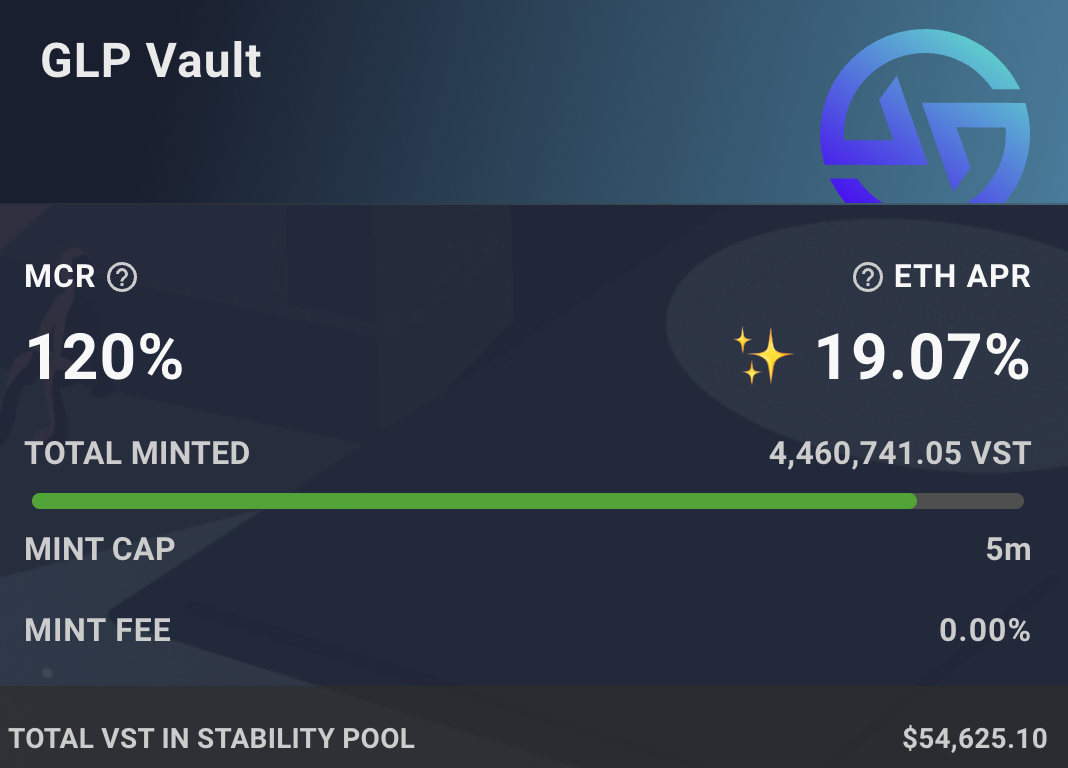
Vesta是建立在Arbitrum上的一个超额抵押借贷协议,用户可以抵押支持的资产,借入协议发行的稳定币VST,抵押率需要保持在110%以上。它的机制和Liquity类似,不会按时间收取稳定费,依靠用户向稳定池中存入的稳定币VST来吸收抵押不足的债务。

目前Vesta的GLP Vault中一共铸造了444万VST,Vesta返还给GLP质押者的ETH APR为19.05%。
借出的VST还可以用于流动性挖矿,例如在Curve上提供VST/FRAX的流动性,根据质押时间的不同,可以获得9.12~27.36%的APR。

Moremoney

Avalanche上的超额抵押协议,可以抵押资产借入协议发行的稳定币MONEY。它支持的抵押品要么本身是生息资产(如GLP),要么可以存入其它DeFi项目或Staking合约中获得利息,收益会进行复投。
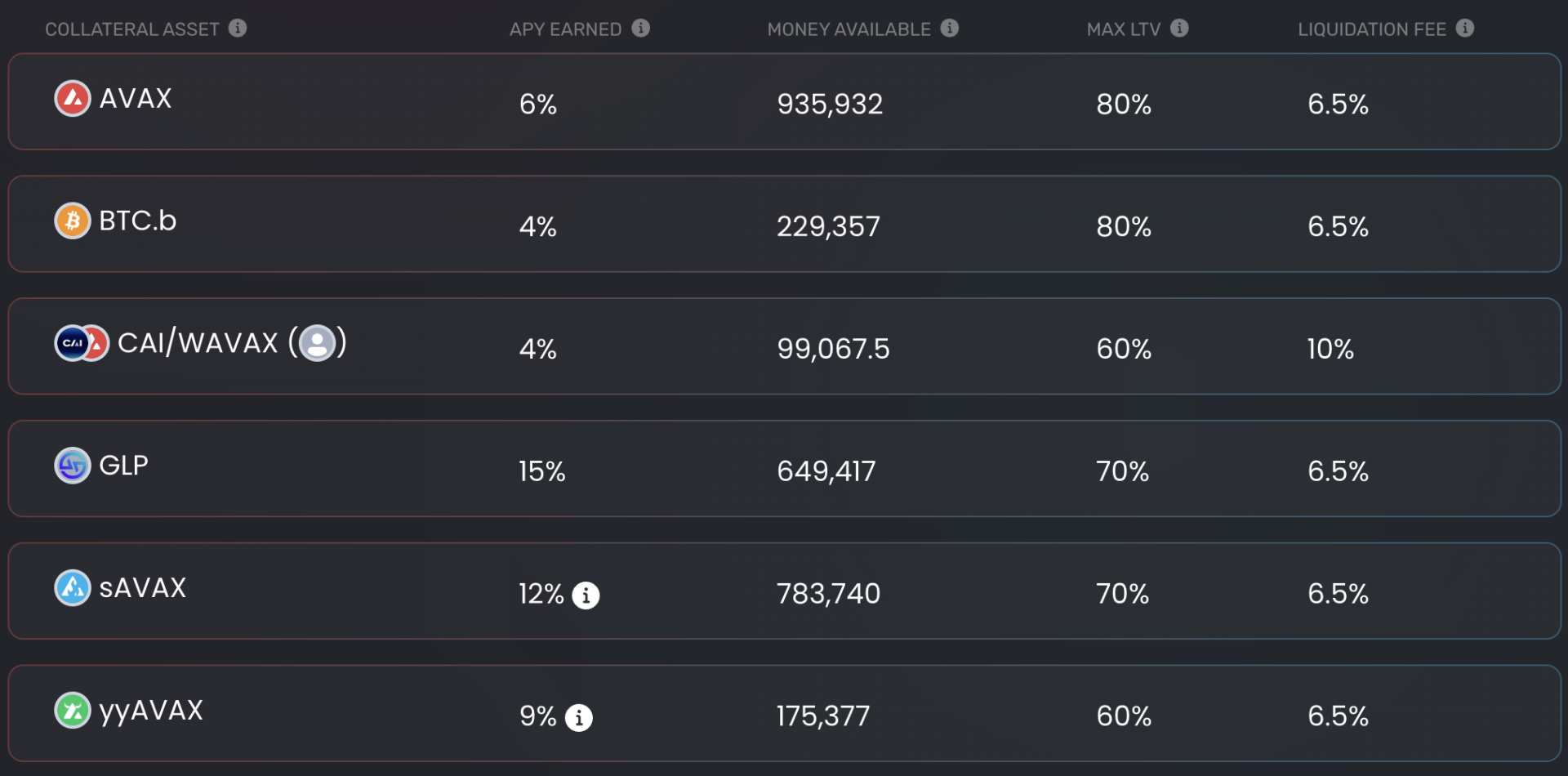
如用户抵押AVAX借入MONEY,协议通过AVAX获得更多的AVAX,借款人的AVAX抵押品数量随着时间增加。

Moremoney官网显示给GLP存款用户的APR只有15%,MONEY可以在官网用于质押挖矿。

DeCommas

DeCommas是一个跨链交易自动化层,拥有一套支持DeFi和Web3的工具,它属于3Commas平台的衍生产品。

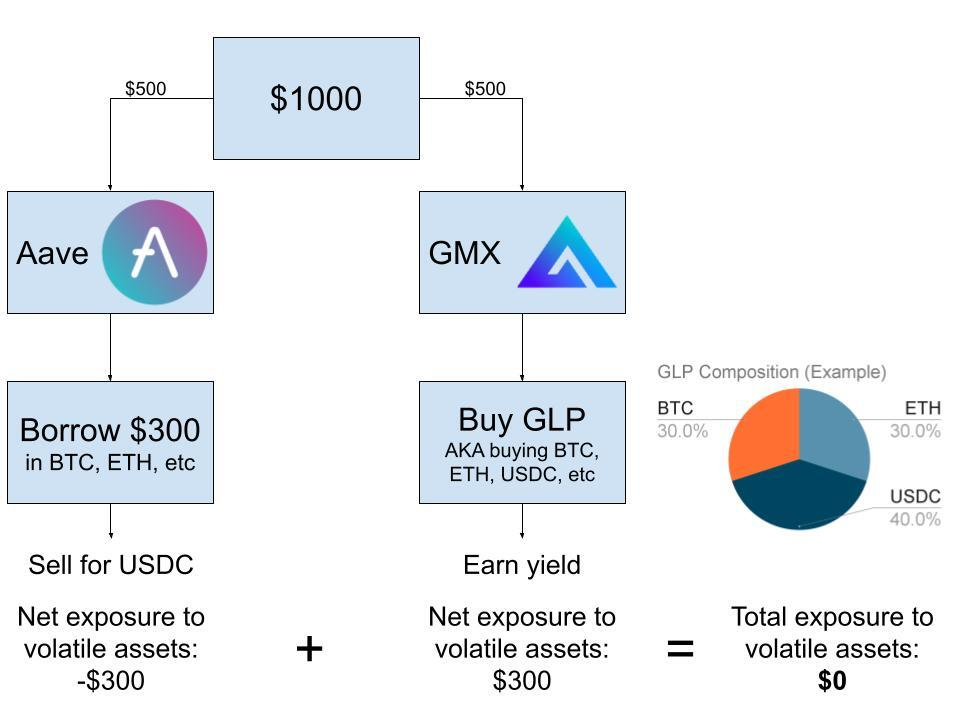
DeCommas根据GLP研发了一套delta中性策略。因为GLP中包含一篮子的资产,其中有大约50%的稳定币,风险资产主要为ETH和BTC。若那么用户以1000 USDC的稳定币参与,其中50%兑换成GLP,可获得GMX的手续费分红。这也意味着持有了大约250美元的风险资产,其中主要是ETH和BTC。

另外500 USDC存入Aave作为抵押品,借出对应的大约250美元的风险资产,再将这些风险资产出售为稳定币。若ETH和BTC下跌,虽然买入的GLP价值下降,但对冲操作可以弥补损失。

目前DeCommas的GLP delta中性策略还未上线,根据团队在2022年3月1日到2022年8月27日间进行的回测,APR为10-15%。
Umami Finance

Umami创建了DeFi收益Vaults,帮助USDC、ETH、BTC等资产获得可持续的收益率。它提倡真实收益,Vault的收益也来自链上的真实收益。

此前,Umami推出了USDC Vault,用户以USDC参与,Umami用资金购买GLP,获得交易手续费收入。对于GLP中的风险资产ETH和BTC,Umami在Tracer(Mycelium)上做空对应的头寸来对冲风险,以达到delta中性。

但在实际执行过程中,在Mycelium上套期保值的成本高于预期,后续GLP价格的急剧下跌导致了Umami对冲机器人无法处理的情况。最终USDC存款用户出现亏损,Umami对用户进行了补偿,并暂停了USDC Vault。按照路线图,Umami将在今年第四季度推出v2 Vault。

PlutusDAO

Plutus是一个治理聚合器,其目标是通过捕获DPX、JONES等治理代币,从而在Dopex和Jones的生态系统中积累治理权力。这些资产的投票权将由PLS代币进行控制,类似于Convex对Curve的治理控制,不过Plutus建立在Arbitrum上。

PlutusDAO也为GLP设置了GLP Vault,用户可以质押GLP,获得plvGLP。Vault会自动收集ETH奖励,定期复投,且也会给予PlutusDAO的治理代币奖励。理想情况下,PlutusDAO通过GLP逐渐积累esGMX,而esGMX同样可以获得ETH手续费,这样plvGLP的持有者就可以获得更多的ETH奖励。
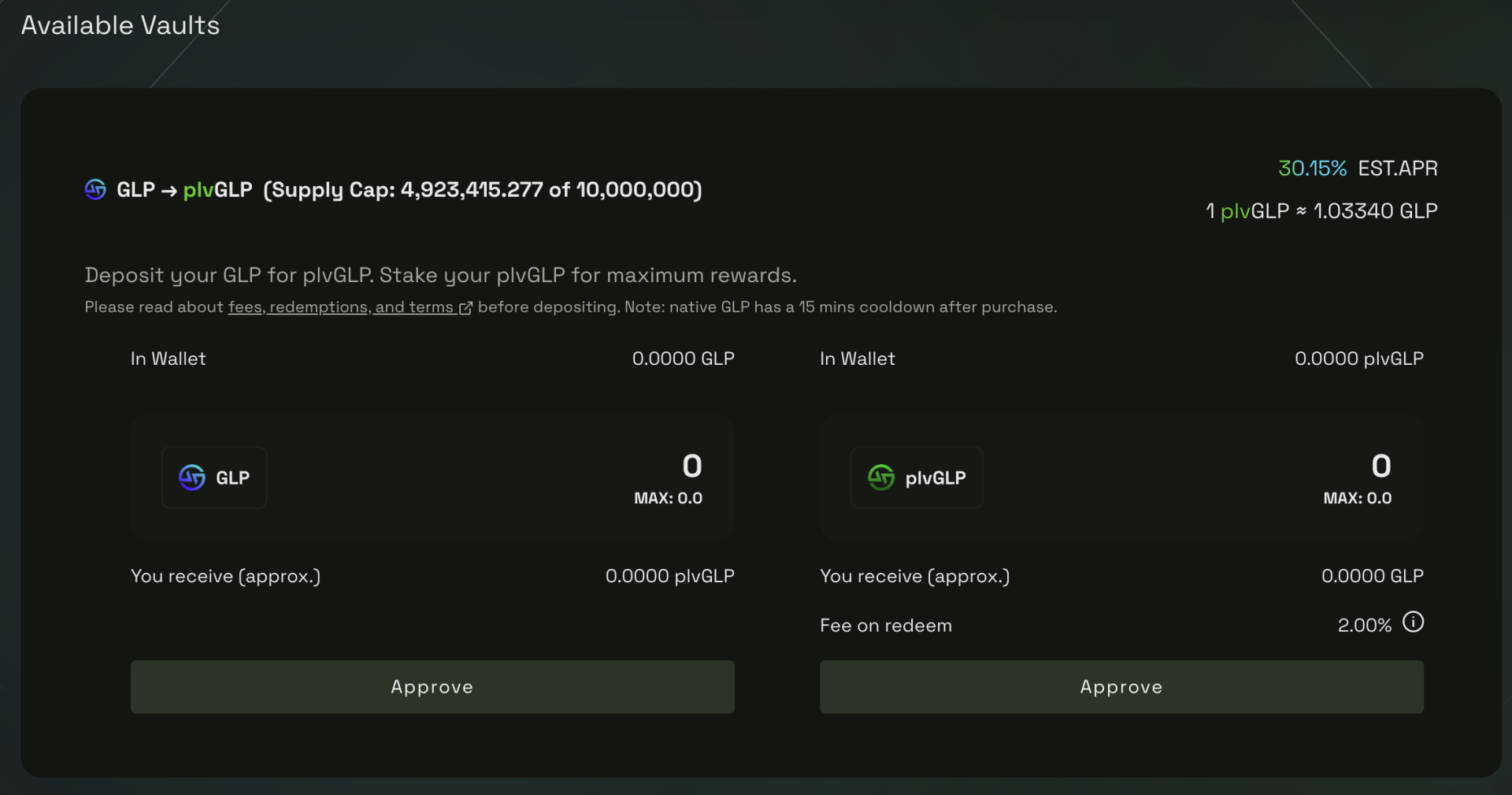
但是现在GLP的ETH APR高于20%就不能再获得esGMX,PlutusDAO的Vault也会收取ETH奖励的10%,且GLP退出时需支付2%的赎回费。若非GLP的长期持有者,且足够信任PlutusDAO,那么将GLP存入PlutusDAO可能不那么合适。

Rage Trade

Rage Trade使用Layer Zero来聚集不同链上的流动性,可以将Curve、GMX、Sushi等的流动性聚集在一起,用于ETH的杠杆交易。

流动性提供者用Curve、GMX等的LP代币提供参与,Rage Trade将至少80%(初识时为100%)的LP代币保留在原始项目中,Vault通过vAMM提供围绕当前价格的集中流动性,并每日平衡盈亏、更新交易范围。若ETH价格波动过大,将进行重置流动性操作。
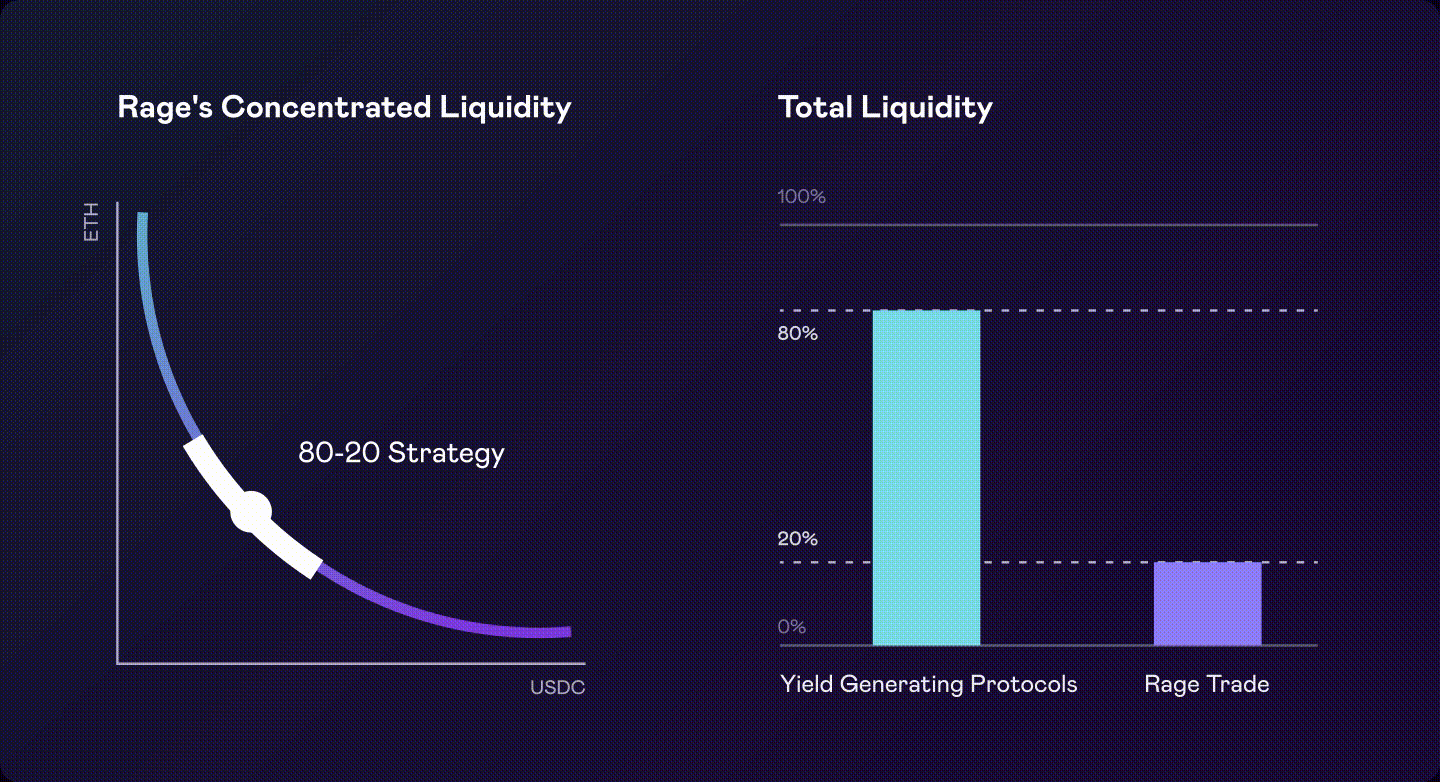
现在,Rage Trade的80-20策略仅支持Curve的tricrypto(包含WBTC、ETH、USDT各1/3),TVL为165万美元。

Nexus Mutual

Nexus Mutual作为一个头部的去中心化保险项目,也允许GMX的参与者进行投保,为GMX开通了800万美元的Vault,年化保费仅2.6%。
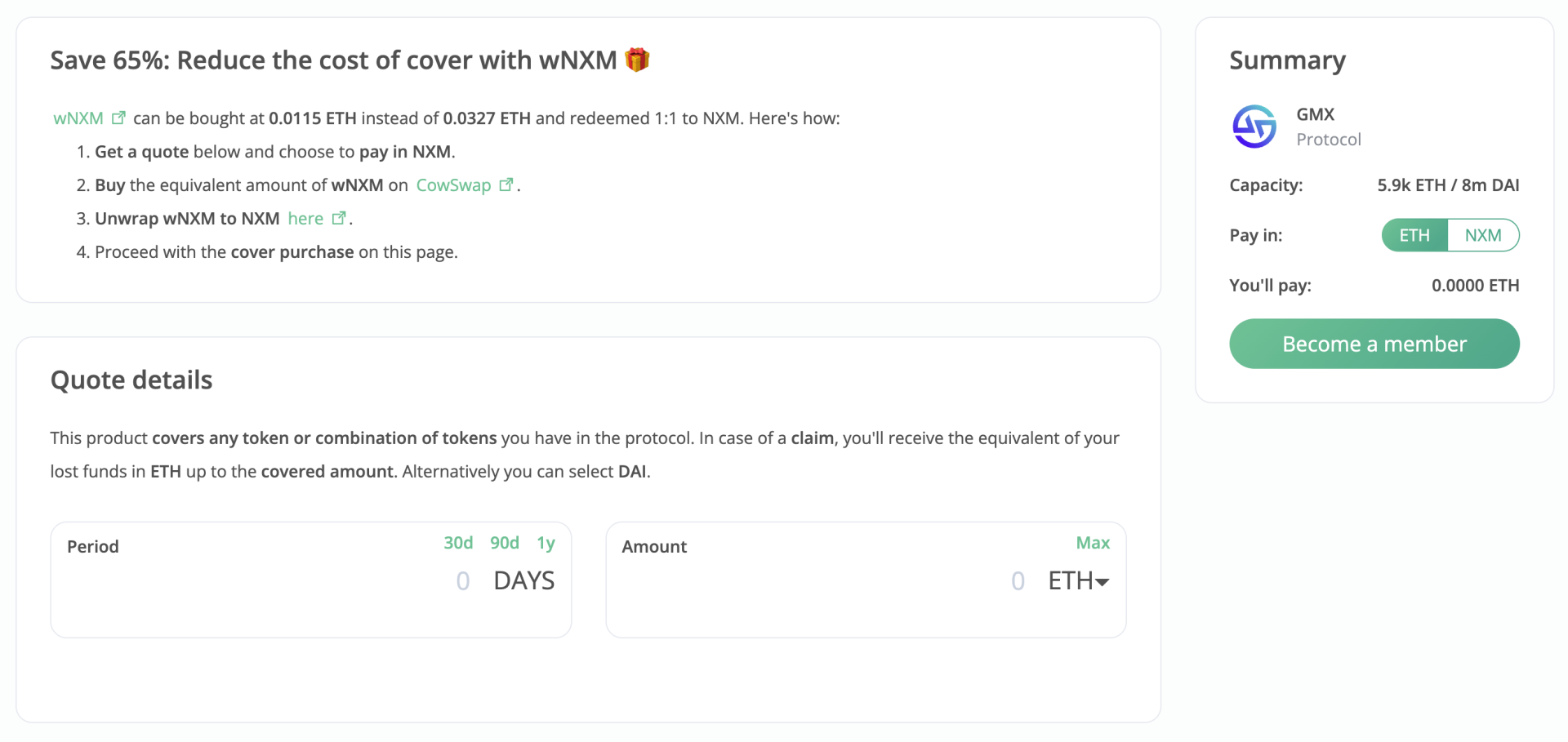
GLP的持有者可以进行投保,若发生了合约bug、经济攻击、治理攻击,Nexus Mutual将进行赔偿。

但使用Nexus Mutual需要先成为会员,并完成KYC/AML。

其它

Yeti Finance

Yeti Finance与Moremoney类似,也是Avalanche上的一个跨保证金借贷协议,允许用户存入资产,超额抵押借入协议的稳定币YUSD。

Yeti Finance可以允许存入生息资产,所获得的收益将自动复合到抵押品中,当用户赎回时,即可获得更多数量的资产。

Yeti Finance称已完成GLP的集成,并正在进行审计。

HedgeFarm

HedgeFarm构建了一种固定比例投资组合保险(CPPI)。CPII有两个资产类别:风险资产和安全资产,各占一定比例。例如持有一部分国债和一部分股票的CPPI,既相对稳定,又能够在股票上涨中获利。

HedgeFarm的策略也是如此,其中安全资产占80%,存放于Stargate中获得收益;风险资产占20%,10%用于在GMX上进行算法交易,10%作为支持交易的流动性。

根据HedgeFarm的测算,USDC的APY为18.3%,亏损5%即促发止损。

Degis

Degis建立在Avalanche之上,也能提供保险服务,将为GMX推出保险服务。

Yield Yak

Yield Yak等收益聚合器支持GLP,收益将自动进行复投。

1inch

1inch等去中心化聚合交易所也集成了GMX的流动性,GMX的现货交易中,大约有10%来源于1inch。

小结

围绕GLP和GMX已衍生出对应的借贷、交易、delta中性策略、保险等服务,常用的收益聚合器、去中心化聚合交易所等也已集成GMX。GLP和GMX可能衍生成为Arbitrum和Avalanche上DeFi项目的基础,后续GMX还可能扩展到其它网络中。

需要注意,GLP中的交易手续费奖励发放给持有者,将GLP存放在其它项目的合约中也意味着丧失直接从GMX中直接获得收益的机会,用户需要考虑其它项目是否会给到足够的奖励。截至9月30日,GMX中GLP的APR为23.62%的ETH;Avalanche上GLP APR为16.68%的AVAX和3.53的esGMX。

Related Reads

Trading

Spot
Futures

Hot Articles

What is USDC(WORMHOLE)

USD Coin (Wormhole): A Comprehensive Overview Introduction In the rapidly evolving world of cryptocurrencies, USD Coin (Wormhole), referred to as $USDC(Wormhole), stands out as a pioneering solution within the DeFi (Decentralized Finance) landscape. Operating on several blockchain platforms, including Solana, USD Coin (Wormhole) is more than just a digital representation of the United States dollar. It embodies the innovative spirit of modern finance, enabling seamless cross-chain transactions and enhanced interoperability among diverse blockchain ecosystems through the advanced Wormhole protocol. What is USD Coin (Wormhole)? USD Coin (Wormhole) is a tokenized version of the US dollar designed to facilitate frictionless transactions across different blockchain networks. Its primary aim is to bolster liquidity and enhance the functionality of the DeFi ecosystem. By leveraging the Wormhole protocol, which establishes a robust cross-chain communication network, users can effortlessly transfer USDC tokens across various platforms. This cross-chain capability marks a significant advancement in cryptocurrency use, promoting a more interconnected and efficient ecosystem where assets can flow freely between different blockchains. The value proposition of USD Coin (Wormhole) lies not only in its stability, being pegged to the US dollar, but also in its ability to bridge gaps between disparate blockchain environments. This innovative approach fosters a greater level of participation among users and developers, paving the way for new and exciting applications within decentralized finance. Who is the creator of USD Coin (Wormhole)? The origins of USD Coin (Wormhole) are intricately tied to the Wormhole network, which was developed by Jump Crypto. While specific individual creators are not prominently documented, Jump Crypto is notable for its involvement in advancing blockchain technology and supporting its applications in finance. By creating the Wormhole network, Jump Crypto has played a vital role in promoting cross-chain asset transfers, enhancing the efficiency and diversity of cryptocurrency usage. Who are the investors of USD Coin (Wormhole)? The success of USD Coin (Wormhole) is supported by investments from several notable funds and organizations within the cryptocurrency realm. Key investors include: Coinbase Ventures: A prominent venture capital arm backed by one of the leading cryptocurrency exchanges in the industry, Coinbase Ventures provides essential capital and strategic support to promising blockchain projects. Arrington XRP Capital: Specializing in digital assets, Arrington XRP Capital recognizes the potential of innovative projects like USD Coin (Wormhole) and has invested accordingly to back its development. Jump Trading: As the parent organization of Jump Crypto, Jump Trading brings not only investment but a wealth of expertise in trading technology and market dynamics to bolster the Wormhole project. How Does USD Coin (Wormhole) Work? The operational framework of USD Coin (Wormhole) is intricately designed to facilitate effective cross-chain transactions, maximizing security and efficiency. Here’s a simplified overview of how it functions: Asset Locking: When a user wishes to transfer USDC from one blockchain to another, they first lock their tokens on the source blockchain. This process ensures that the assets are secure and are set to be either burned or moved later. Token Minting: After the tokens are locked, an equivalent amount of USDC is minted on the destination blockchain. This provides the user with access to their funds on a new platform, reflecting the flexibility that the Wormhole protocol enables. Cross-Chain Transfer: The Wormhole protocol efficiently facilitates the entire transfer process. It ensures that once the USDC is minted on the destination chain, the equivalent tokens are burned on the source chain. The result is a seamless transfer of value between two distinct blockchain environments. This cross-chain methodology ensures that transactions remain secure and transparent, significantly enhancing liquidity within the different DeFi ecosystems. Timeline of USD Coin (Wormhole) Understanding the evolution of USD Coin (Wormhole) provides vital context for its significance in the cryptocurrency arena. Here’s a timeline highlighting important milestones in the project’s history: 2021: The Wormhole project is launched, establishing a framework for cross-chain asset transfers and setting the stage for the development of USD Coin (Wormhole). 2022: The Wormhole network experiences a significant challenge with a security breach that results in a $325 million theft. However, the incident is later addressed and refunded by Jump Crypto, showcasing the project’s commitment to security and transparency. 2023: USD Coin (Wormhole) integrates with Circle’s Cross-Chain Transfer Protocol (CCTP), enhancing its capabilities for cross-chain transfers and further solidifying its place within the DeFi ecosystem. 2024: Ongoing development and expansion of the Wormhole network continue, aimed at increasing the utility and reach of USD Coin (Wormhole) as well as enhancing its operational framework. Key Features The success of USD Coin (Wormhole) can be attributed to several key features that differentiate it from other cryptocurrency offerings: Cross-Chain Interoperability At the core of USD Coin (Wormhole) is its ability to facilitate seamless transfers across multiple blockchain networks. This interoperability serves as a cornerstone for decentralized finance, allowing various platforms to interact with each other, thereby accelerating the evolution of financial services. Security Wormhole employs a well-designed Guardian Network comprised of node validators that ensure secure cross-chain transactions. This collective oversight minimizes the risk of fraud and provides users with confidence that their assets are protected during cross-chain transfers. Liquidity Enhancement By enabling USDC to circulate freely across different blockchains, USD Coin (Wormhole) enhances liquidity in the DeFi ecosystem. This increased liquidity can foster more efficient trading, contribute to better pricing strategies, and improve the overall market dynamics encompassing various digital assets. Conclusion USD Coin (Wormhole) is a pivotal innovation in the blockchain space, reinforcing the capabilities of decentralized finance (DeFi) and establishing a more connected financial ecosystem. With its robust framework for cross-chain transactions, security features, and strong backing from reputable investors, USD Coin (Wormhole) is positioned to play a key role in the future of cryptocurrency. As the digital finance landscape continues to evolve, USD Coin (Wormhole) not only embraces the future of interconnectivity among blockchain networks but also reaffirms the power of tokenization and blockchain technology in transforming how we perceive and utilize value in a digital world. By navigating the complexities of cross-chain functionality, it demonstrates a sophisticated approach to enabling financial inclusivity and innovation in the world of cryptocurrencies.

1.2k Total ViewsPublished 2024.04.01Updated 2024.12.03

What is USDC(WORMHOLE)

What is $USDC

Classic USDC: A Comprehensive Overview Introduction to Classic USDC In the rapidly evolving landscape of the cryptocurrency market, stablecoins have emerged as critical components, particularly in providing stability amid the volatility that characterizes digital assets. One such project is Classic USDC, a digital currency initiative that aims to deliver a stable and reliable medium of exchange. By maintaining a 1:1 peg with the US dollar, Classic USDC strives to offer users a dependable digital asset, equipped for various applications within the web3 and cryptocurrency ecosystems. What is Classic USDC? Classic USDC is fundamentally a stablecoin, which is a type of cryptocurrency designed to minimize the price volatility typically seen in the digital asset market. Specifically, Classic USDC aspires to represent the value of the US dollar closely, ensuring that users can leverage this digital currency for transactions, savings, and other financial activities without the fear of sudden price fluctuations that can otherwise plague many cryptocurrencies. The primary aim of Classic USDC is to provide a reliable and trustworthy digital equivalent of the US dollar, designed for seamless integration into a wide range of web3 applications, decentralized finance (DeFi) platforms, and other crypto-related financial systems. By delivering a stable digital currency, Classic USDC seeks to facilitate everyday commerce, make blockchain technology more user-friendly, and encourage the adoption of cryptocurrencies for mainstream usage. Creator of Classic USDC The identity of the creator or the development team behind Classic USDC remains largely unknown, and the lack of transparency has led to a degree of uncertainty regarding the project’s origins. While many cryptocurrency initiatives prominently showcase their founders and development teams, Classic USDC does not provide clear information about its creators, which poses challenges for potential users or investors weighing the project's credibility and reliability. Investors of Classic USDC Alongside the ambiguity surrounding its creators, Classic USDC also lacks specificity with regards to its investors. The financial backing of a project can often lend it credibility and stabilize its operations; however, the absence of documented investment foundations or organizations supporting Classic USDC raises questions about its funding structure. This lack of clarity could potentially hinder stakeholder confidence in the project. How Does Classic USDC Work? The operational mechanics of Classic USDC rely heavily on its reserve system, which is fundamental to the underpinnings of any stablecoin. Classic USDC undertakes to maintain a reserve of assets that directly correspond to the value of the digital currency in circulation. Specifically, for every Classic USDC token issued, an equivalent amount of backing assets is retained in reserve, whether in cash or near-cash equivalents. This strategy is designed to uphold the value of Classic USDC, offering reassurance to users that redeeming their tokens for US dollars is feasible at any time. This reserve structure aims to enhance the stability and reliability of Classic USDC, positioning it as a secure alternative in the cryptocurrency market. By ensuring that the value of Classic USDC is consistently correlated with the US dollar, the project aspires to engender trust among users who may be wary of the broader market dynamics. Timeline of Classic USDC The history of Classic USDC is marked by several key milestones that reflect its journey and evolution within the cryptocurrency ecosystem: 2021: The inception of Classic USDC is noted, introducing a new digital currency option designed for stability. During this year, the first records of the token’s activity surfaced and its initial price levels were established. 2024: Classic USDC begins to experience notable price fluctuations, as the crypto market overall grapples with various trends and user sentiment. Predictions regarding its future potential emerge, indicating a strong interest from market observers and analysts who foresee growth opportunities. Future Projections Experts speculate that Classic USDC may reach higher levels of adoption and stability in the years to come, with potential further developments anticipated around 2025 and 2026. However, these projections should be approached with cautious optimism, as the cryptocurrency market is inherently unpredictable, and various external factors may influence the trajectory of Classic USDC. Key Points About Classic USDC Stability: Classic USDC’s core proposition revolves around providing a digital currency that parallels the value of the US dollar, thereby ensuring stability in an often volatile marketplace. Reserve System: The project’s commitment to maintaining a reserve of assets to back its value underscores its reliability and operational soundness. Web3 and Crypto Integration: Classic USDC is engineered to facilitate easy integration within various applications, aiming to enhance the user experience and broaden the acceptance of cryptocurrency in everyday transactions. Future Growth Potential: While still emerging, Classic USDC holds prospective avenues for growth as awareness and utilization of stablecoins increases in the web3 and crypto contexts. Conclusion Classic USDC presents itself as a notable stablecoin initiative within the cryptocurrency sphere, striving to provide users with a reliable digital currency that embodies the stability of the US dollar. Despite uncertainties regarding its creators and financial backing, the underpinning principles of Classic USDC—centered on reserve-backed assurances—endeavour to position it as a trustworthy option for individuals and businesses navigating the digital economy. With an eye towards the future, market analysts are keen to observe how Classic USDC evolves in response to the shifting dynamics of the cryptocurrency landscape, potentially establishing itself as a significant player in the realm of stablecoins.

623 Total ViewsPublished 2024.05.01Updated 2024.12.03

What is $USDC

Discussions

Welcome to the HTX Community. Here, you can stay informed about the latest platform developments and gain access to professional market insights. Users' opinions on the price of USDC (USDC) are presented below.

活动图片