比特币矿场,正在变成 AI 工厂

链捕手Published on 2026-07-22Last updated on 2026-07-22

Abstract

比特币矿场正利用其电力资源、基础设施和行业经验,向AI算力基础设施转型。矿企如Crusoe、比特小鹿等将已有数据中心改造为AI数据中心,与OpenAI、Anthropic等签署长期高价合约。同时,加密行业人才与资本也流向AI领域:OpenSea联合创始人创立模型聚合平台OpenRouter,Coinbase背景团队打造生成式媒体基础设施Fal.ai;加密富豪Jed McCaleb投资成立GPU租赁公司Voltage Park,FTX早期投资的Anthropic和Cursor估值飙升。加密周期积累的电力资产、工程师能力及风险资本,正持续为AI行业输送关键资源。

撰文:小饼

德州阿比林,一片约 1000 英亩的工地上,八座 H 形数据中心正在陆续投入运行。

这里是 OpenAI“星际之门”计划的第一个大型园区。整个项目规划 1.2 吉瓦容量,首批两栋建筑已经上线,其余建筑仍在建设。
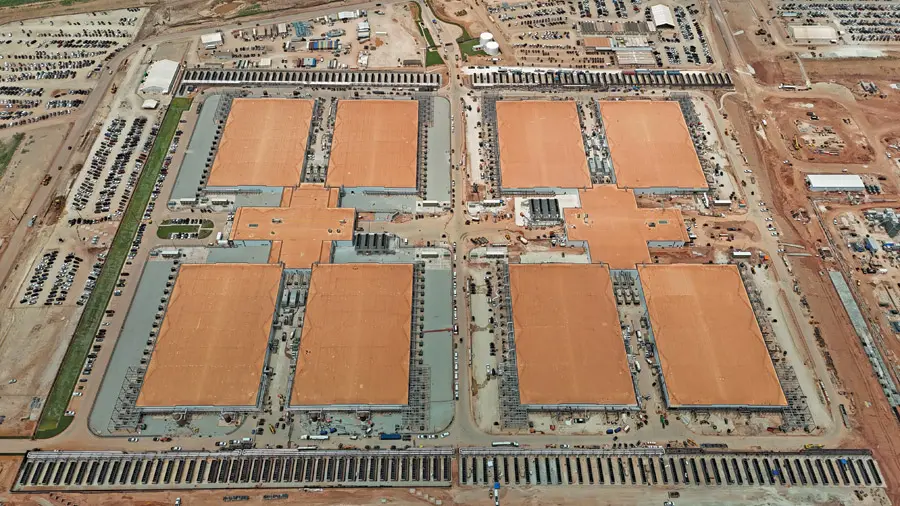
园区由 Oracle 运营,背后的开发商叫 Crusoe,但它最早做的是比特币挖矿。

创始人 Chase Lochmiller 曾是加密基金 Polychain Capital 的合伙人。

2018 年,他和发小 Cully Cavness 发现,美国油田每天都在烧掉大量无法运输的伴生天然气。两人把发电设备和矿机搬到井口,用原本会被浪费的天然气挖比特币。

这门生意逻辑很简单:去偏远地区找电,以及在很短时间内把电变成算力。

七年后,客户从比特币网络换成了 OpenAI。2025 年,Crusoe 将拥有超过 425 座模块化数据中心的比特币业务出售给 NYDIG,集中发展 AI。

Crusoe 的转型看起来跨度很大,其实核心能力一直没变:找到电、建设数据中心,运营维护。

像 Crusoe 一样,完成从 Crypto 到 AI 华丽转身的公司和人还有很多,他们并不像 PayPal 黑帮那样出自同一家公司,也没有一个共同组织,把他们联系起来的,是上一轮 Crypto 周期留下的三类资产:

  • 矿企掌握的电力、土地和并网许可;
  • Crypto 公司训练出来的工程师和创业者;
  • 上一轮牛市积累下来的资本。

2022 年以后,这三类资产开始同时流向 AI。

矿企卖给 AI 的不是矿机,而是电

“人类未来最大的矛盾是日益增长的数据处理与有限算力之间的矛盾。”

2019 年,比特大陆创始人吴忌寒在文章《算力之美》中如此写道,并直言这就是比特大陆投入 AI 芯片的原因。

当年这段话看起来像是一种公关辞令,六年后回头看,它更像一份提前写好的预言。

2026 年 2 月,吴忌寒旗下挖矿公司比特小鹿宣布清空所有比特币库存,为建设 AI 数据中心提供流动性,从 Crypto 向 AI 转型,异常坚决。

比特币矿企转型 AI,经常被大众理解为“把矿机改成 AI 服务器”,实际情况不是这样。

比特币矿机大多是只能执行特定哈希算法的 ASIC 芯片,不能拿去训练大模型。即使是以太坊矿场留下的 GPU,也很难直接满足今天大型 AI 集群对网络、显存、液冷和可靠性的要求。

矿企真正有价值的资产,是已经接入电网的数据中心。

建设一座 AI 数据中心,最难的部分往往不是购买 GPU,而是找到数百兆瓦稳定电力,拿到土地、变电站、输电线路和建设许可。这个过程可能需要数年,矿企过去为了降低挖矿成本以及合规,已经在北美、北欧和中东完成了大量前期工作。

在比特币挖矿利润下降、AI 公司又愿意签长期高价合同时,矿企自然开始更换客户。

CoreWeave 是最早完成转型的一家。

2016 年,三名大宗商品交易员在曼哈顿办公室的台球桌上放了一张 GPU,开始挖以太坊。Crypto 寒冬到来后,他们趁价格下跌收购了大量二手显卡,随后将业务扩展到影视渲染和机器学习。

这家公司最早叫 Atlantic Crypto,后来改名 CoreWeave。其上市文件显示,2022 年以前,公司大部分收入仍然来自加密货币挖矿;此后,Crypto 业务被完全停止。

今天的 CoreWeave 已经是英伟达支持的头部 AI 云公司,它的路径正在被整个加密矿业复制。

2026 年,TeraWulf 与 Anthropic 签下约 401 兆瓦、20 年的数据中心租约,初始合同金额约 190 亿美元;

Cipher Mining 与 AWS 签署 300 兆瓦、约 55 亿美元的 15 年协议;

Core Scientific 将大批数据中心容量长期提供给 CoreWeave。

Hut 8 在得州 Beacon Point 园区连续签下两份 15 年租约,每份基础合同价值约 98 亿美元。

IREN 则在与微软达成 97 亿美元云服务协议后,于 2026 年 7 月继续披露总额 28 亿美元的新合同。

根据 CoinShares 统计,截至 2026 年一季度,上市矿企已经公布超过 700 亿美元的 AI 和高性能计算合同。与此同时,比特币挖矿的单位算力收入一度跌到每天每 PH/s 约 30 至 35 美元,一批使用旧设备或电价较高的矿场已经接近亏损。

矿企从加密时代的算力设施,摇身一变,成为了 AI 时代的算力基础设施,依然在风口。

从 OpenSea 到 OpenRouter

除了矿场,Crypto 行业的人也在向 AI 迁移。

Alex Atallah 是 OpenSea 联合创始人和前 CTO。在 NFT 最火的时候,OpenSea 月交易额一度超过 40 亿美元。2022 年 7 月,Atallah 离开公司,准备重新创业。

2023 年,他创办了 OpenRouter。

OpenRouter 解决的问题很直接:大模型越来越多,价格、速度和能力各不相同,开发者不想为每一家模型公司重新接入 API。通过 OpenRouter,他们只需要连接一个接口,就能调用数百个模型,并按照价格、性能和可用性自动分配请求。

2025 年,OpenRouter 完成合计 4000 万美元融资,估值约 5 亿美元。

2026 年 5 月,它又完成由 CapitalG 领投的 1.13 亿美元 B 轮融资,估值升至约 13 亿美元。过去半年,平台每周处理的 Token 量从 5 万亿增长到 25 万亿。

OpenRouter 与 OpenSea 做的事情并不完全相同,但商业结构很接近。

OpenSea 聚合 NFT 买家和卖家,OpenRouter 聚合模型、算力供应商和开发者。前者撮合数字资产交易,后者撮合推理请求。产品变了,建立市场、整合碎片化供给的能力没有变。

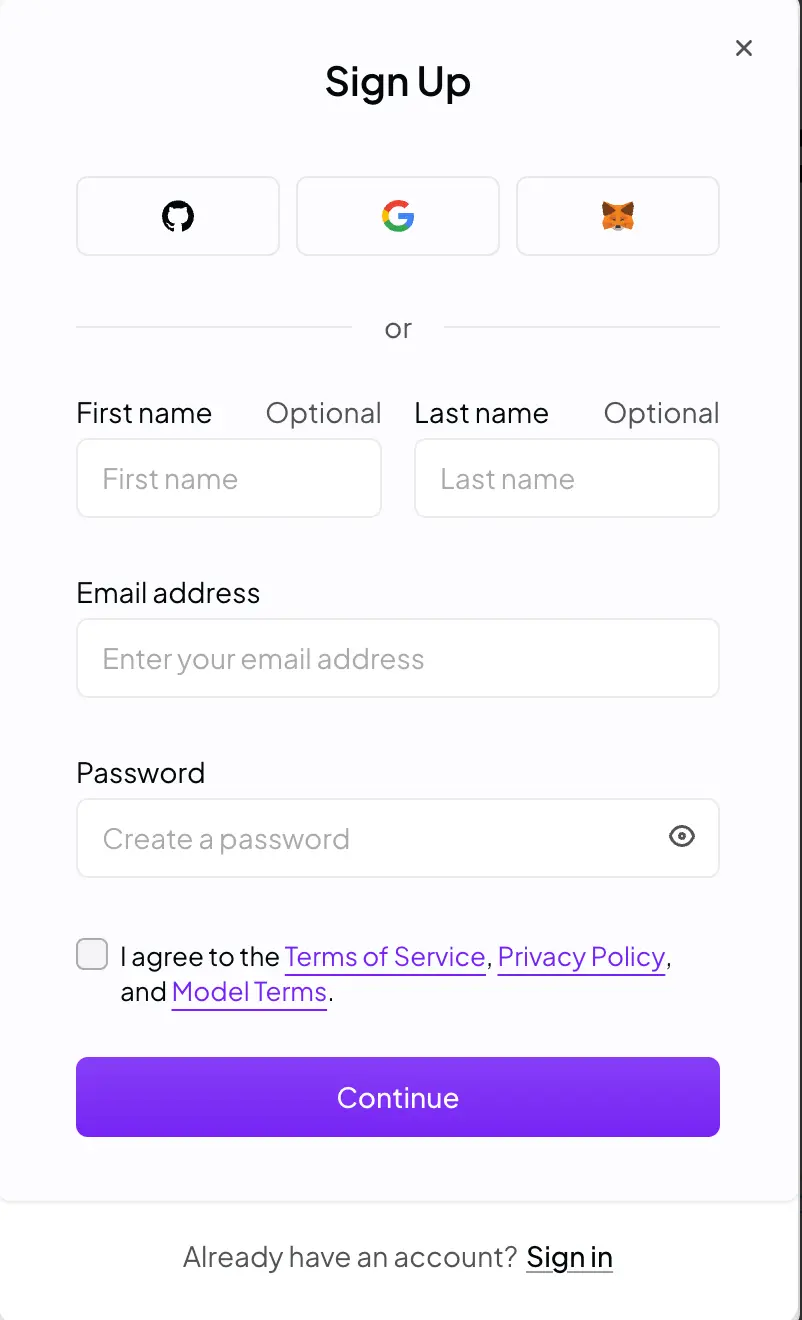
一些 Crypto 痕迹甚至直接保留在产品里。打开 OpenRouter 的注册页面,Google 和 GitHub 登录旁边仍然放着 MetaMask,平台也接受 USDC 付款。
Fal.ai 是另一个样本。

创始人 Burkay Gur 曾在 Coinbase 参与建设机器学习平台,2021 年创业,最初开发机器学习数据管道和部署工具。

Stable Diffusion 开源后,他们发现,图像和视频模型虽然越来越多,但推理速度慢、部署麻烦、GPU 利用率低。于是 Fal.ai 把重点转向生成式媒体推理。

这次选择很快得到回报。

2025 年中,Fal.ai 年化收入已经接近 9500 万美元。同年 12 月,公司完成由红杉资本领投的 1.4 亿美元 D 轮融资,估值达到 45 亿美元。Adobe、Canva 和 Perplexity 等公司都在使用其生成式媒体基础设施。

用 Crypto 的钱,供养 AI

矿企向 AI 提供的是电力和数据中心,Crypto 周期积累的资本则以另一种方式进入 AI。

最直接的例子是 Jed McCaleb

他创建了加密交易所 Mt.Gox,后来又联合创办 Ripple 和 Stellar,是 Crypto 行业最早的一批亿万富翁。

2023 年,McCaleb 资助的 Navigation Fund 拿出约 5 亿美元,一次性购买 2.4 万张英伟达 H100,并成立 Voltage Park,向 AI 公司和研究机构出租 GPU。

他没有再创建一条公链,而是把 Crypto 赚到的钱换成了 AI 行业最稀缺的资产。

2026 年,Voltage Park 与 AI 开发平台 Lightning AI 合并,相关交易对合并主体给出的估值口径约 25 亿美元。上一个加密周期积累的财富,就这样变成了一家 AI 云公司的资产负债表。

已经暴雷的加密交易所 FTX 创始人 SBF 留下的投资组合,则提供了一个更戏剧性的案例。

2022 年,SBF 向当时还不知名的 Anthropic 投资 5 亿美元,持股约 13.5%,FTX 破产后,清算团队在 2024 年分批出售这些股份,回收约 13 亿美元。如今,Anthropic 投后估值达到 9650 亿美元。假设 FTX 没有出售股份,其持股比例大约还会剩下 6.7%,对应价值约 650 亿美元,相当于最初 5 亿美元投资的约 130 倍。

Cursor 的故事更加极端。

2022 年 4 月,SBF 旗下基金 Alameda 用 20 万美元参与了 Anysphere 的早期融资,这家公司后来推出 AI 编程工具 Cursor。FTX 进入破产程序后,清算团队在 2023 年 4 月以 20 万美元出售了这笔股份,几乎是原价进、原价出。

2026 年 6 月,SpaceX 宣布以 600 亿美元的全股票交易收购 Anysphere,根据公开报道,Alameda 最初获得的权益约为 5%。如果完全忽略 Anysphere 此后的融资稀释,这笔股份的纸面价值可以达到 30 亿美元,相当于最初 20 万美元投资的 1.5 万倍。

这当然不能一味解释为 SBF 是投资天才,更准确的理解是,在 ChatGPT 发布以前,Crypto 牛市中最激进、风险偏好最高的一批资金,已经开始寻找 AI 项目。

Crypto 市场繁荣时,大量资本相信两个判断:计算能力会越来越值钱,软件网络可以在很短时间内扩张到全球。AI 恰好同时符合这两个条件。

因此,Crypto 资本进入 AI 后,购买的不只是显卡,也在资助新的技术和组织实验。

Nous Research 就是一个典型案例。

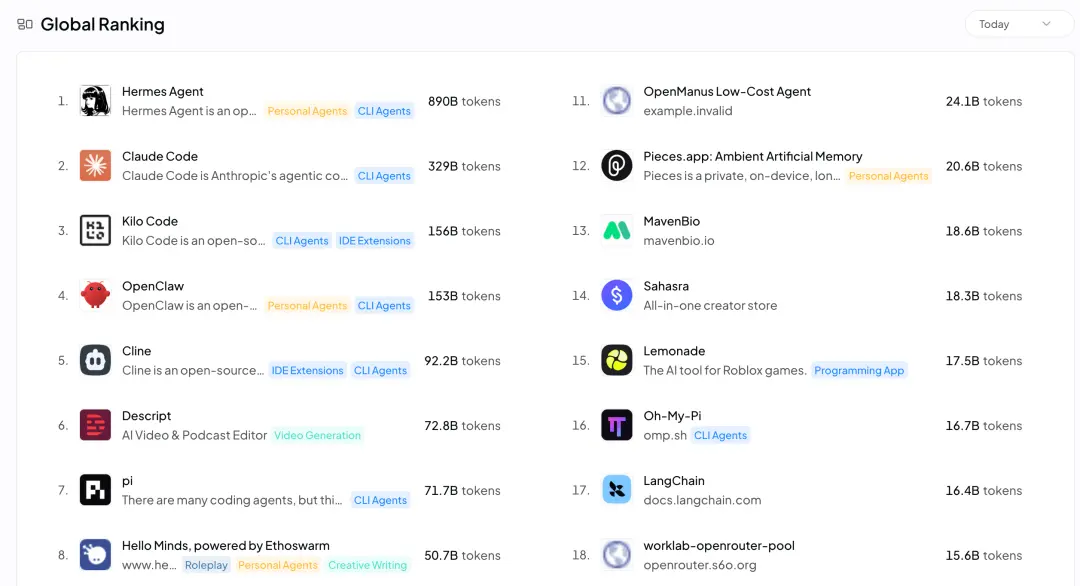
Nous 开发的 Hermes Agent 是一款开源、可积累长期记忆并自动生成技能的 AI 代理,根据 openrouter 的统计,Hermes Agent Token 调用量全球第一,超过 Claude Code。
2025 年,Crypto 投资机构 Paradigm 领投 Nous Research 的 5000 万美元 A 轮融资。

根据当时的报道,这笔融资对应其尚未发行 Token 约 10 亿美元的估值,Nous 此前的投资者还包括加密 VC Distributed Global 以及前 Coinbase CTO Balaji Srinivasan

除了 Hermes,Nous 还在开发 Psyche,一个建立在 Solana 上的分布式模型训练网络。

传统 AI 实验室需要把大量 GPU 集中在同一座数据中心。Psyche 想验证另一条路线:把分散在不同地区、属于不同参与者的 GPU 连接起来,共同训练模型,再通过智能合约协调训练进度、验证参与者并分配奖励。

现阶段 Psyche 仍是一项实验,测试网 Token 也被官方明确标注为没有经济价值,但它代表了 Crypto 资本进入 AI 后的另一种影响。

OpenAI 早期也曾认真考虑过类似方向。

OpenAI 在 2015 年以非营利机构形式成立,但前沿模型需要的资金很快超出了捐赠模式能够支持的范围。到 2017 年底,Sam Altman 和 Greg Brockman 已经开始讨论新的融资结构,其中一个选项就是代币发行。

后来公开的内部邮件显示,团队在 2018 年初认真研究过发行 Token。马斯克明确反对,认为代币发行会严重损害 OpenAI 的信誉。OpenAI 后来补充称,到当年 1 月底,团队自己也逐渐对这个方案失去兴趣。

OpenAI 最后选择成立营利性实体,并从微软获得巨额投资,但 Sam Altman 并没有离开 Crypto。

2019 年,他与 Alex Blania、Max Novendstern 共同创办 Worldcoin,这个项目使用虹膜识别设备 Orb 验证一个用户是真实且唯一的人类,并通过 World ID 和 WLD 代币建立身份及支付网络。

从 Crusoe、CoreWeave 到 OpenRouter、Fal.ai 和 Nous Research,这些充满幸存者偏差的个例故事并不意味着 Crypto 公司转型 AI,成功的机率更大。

矿企留下了电力、土地和并网许可;交易所和 Web3 公司培养了一批熟悉分布式系统、GPU 调度和全球化产品的工程师;代币上涨创造的财富,则变成了购买显卡、投资模型公司和资助技术实验的资本。

Crypto 没有凭空变成 AI,它只是把上一轮周期留下的资源,输送给了下一个更需要它们的行业。

Trending Cryptos

Related Questions

Q文章中提到,矿企转型AI时真正有价值的资产是什么?为什么?

A矿企真正有价值的资产是已经接入电网的数据中心,包括其电力、土地和并网许可。这是因为建设AI数据中心最困难的部分不是购买GPU,而是需要数年来获取数百兆瓦的稳定电力、土地、变电站、输电线路和各类建设许可。矿企在之前的比特币挖矿业务中,为了降低成本和合规,已经在北美、北欧和中东等地完成了这些耗时的前期工作。当挖矿利润下降而AI公司愿意出高价签订长期合同时,这些现成的、已并网的数据中心就成了可直接服务于AI算力需求的宝贵资产。

QOpenSea的联合创始人Alex Atallah在AI领域创办了什么公司?这家公司的商业模式与OpenSea有何相似之处?

AOpenSea联合创始人Alex Atallah在AI领域创办的公司是OpenRouter。其商业模式与OpenSea有相似之处,两者都扮演了聚合和撮合平台的角色。OpenSea聚合了NFT的买家和卖家,促成数字资产交易;而OpenRouter则聚合了数百个不同的大模型、算力供应商和开发者,让开发者只需通过一个接口就能根据价格、性能和可用性自动调用最合适的模型,撮合的是AI推理请求。两者的核心能力都是整合碎片化的供给,建立高效的市场。

QCrypto资本进入AI领域后,除了购买算力硬件,还以哪些方式影响了AI行业?请举例说明。

ACrypto资本进入AI领域后,除了大规模购买GPU等算力硬件(如Jed McCaleb创立Voltage Park),还通过投资和资助新的技术和组织实验来影响AI行业。例如:1. 投资前沿AI公司:如SBF的Alameda早期投资了后来估值极高的Anthropic和Anysphere(Cursor的母公司)。2. 资助创新技术路线:如加密投资机构Paradigm领投了开源AI代理实验室Nous Research,该公司不仅在开发热门的Hermes Agent,还在实验基于Solana的分布式模型训练网络Psyche,探索利用区块链和智能合约协调分散的GPU资源进行协同训练的新模式。

Q根据文章,CoreWeave这家公司是如何从Crypto业务成功转型为AI云服务公司的?

ACoreWeave最初由三名大宗商品交易员在2016年创立,名为Atlantic Crypto,主营业务是利用GPU挖以太坊。在经历Crypto寒冬后,他们趁着显卡价格下跌收购了大量二手GPU,并将业务范围扩展到影视渲染和机器学习领域。随着AI浪潮兴起,他们彻底停止了加密货币挖矿业务,并利用其在获取和管理GPU算力方面的核心能力,转型为专注于提供GPU云服务的AI基础设施公司。由于把握了AI对算力的巨大需求,并获得了英伟达等巨头的支持,最终成功转型为头部AI云服务商。

Q文章指出,将Crypto和AI两个领域联系起来的关键共同点是什么?

A文章指出,将Crypto和AI两个领域联系起来的关键共同点在于它们都依赖于并坚信两个核心判断:第一,计算能力会越来越值钱;第二,软件和网络效应可以在极短时间内扩张到全球。AI的发展极度依赖强大的计算能力(算力),同时AI模型和产品也具备通过网络快速覆盖全球用户的潜力。因此,在Crypto市场繁荣时期积累的资本、技术人才和对这两个判断的信念,很自然地流向了同样符合这些条件的AI行业,完成了资源从上一周期到下一周期的输送。

Related Reads

After Three Consecutive Quarters of Decline, Can the Crypto Market Find a Window for Stabilization in Q3?

The cryptocurrency market has just concluded its worst-performing quarter since 2022, with total capitalization dropping 12.6% to $2.1 trillion. All core metrics indicate capital is leaving the sector, not just rotating within it. Bitcoin fell 14.2% and Ethereum dropped 25.4% in Q2, breaking their previous correlation with US tech stocks. A key driver is the reversal in US spot Bitcoin ETF flows, which saw a net outflow of approximately $4.67 billion in Q2, including a record monthly outflow near $4.5 billion in June. While recent data suggests long-term holders are accumulating again, sustained ETF outflows mean continued selling pressure. Market focus is now singularly on the Federal Reserve. The upcoming July FOMC meeting is seen as the most critical event for Q3. A dovish signal could support Bitcoin reclaiming a $68,000-$84,000 range, while a hawkish stance might establish a new trading band around $50,000-$56,000. Additionally, regulatory uncertainty persists, with the progress of the crucial *CLARITY Act* stalling in the Senate, reducing its perceived 2026 passage probability to 40-45%. Despite the broad downturn, a few sectors showed growth. Prediction markets saw nominal volume surge 48.7% year-over-year to $113.8 billion, and tokenized collectibles transaction volume rose 143% quarterly to $1.4 billion. The Real-World Asset (RWA) tokenization sector also continued steady growth, now representing ~$28.1 billion in on-chain value. The market's foundation for an extreme crash appears limited, with Bitcoin price hovering near its 200-week moving average. However, the trading paradigm has shifted from narrative-driven speculation to decisions based on price action, policy developments, and interest rate expectations, making a broad sentiment-driven rally unlikely in the near term.

marsbit16h ago

After Three Consecutive Quarters of Decline, Can the Crypto Market Find a Window for Stabilization in Q3?

marsbit16h ago

BIT Trading Moment: BTC Still Suppressed by Weekly 200 EMA, Rejection May Restart Decline; Storage and Semiconductors that Surged Last Night Begin Falling in Evening Trading

**Crypto & Stock Market Wrap: Bitcoin Tests Resistance, Stocks Retreat After AI Surge** Bitcoin consolidates around $66,000, facing key resistance near $68,000—an area seen as a major psychological and technical hurdle where previous rallies have failed. Analysts note the cryptocurrency is caught between its 200-week moving average (~$63,333) and 200-week EMA (~$68,328). A clear break above $68k is needed to signal a stronger bullish trend, while a rejection could lead to a retest of $63k support. Market sentiment remains cautious, with low futures open interest pointing to a low-liquidity rebound rather than a full bull market. Bitcoin spot ETFs saw another $203 million inflow. US stock futures pointed lower after a strong Tuesday session led by a massive rebound in semiconductors and memory stocks. The rally was fueled by renewed optimism about AI-driven hardware demand, with Micron, SanDisk, and SK Hynix surging. However, those gains reversed in pre-market trading. Super Micro Computer (SMCI) soared over 20% after hours on strong guidance and a record backlog. Other standouts included Rocket Lab and nuclear energy plays Oklo and X-Energy. Rising oil prices (Brent above $91) and climbing Treasury yields (10-year near 4.64%), however, are reigniting inflation concerns and acting as a headwind for equities. In Asia, markets were mixed. South Korea's KOSPI pared early gains to close slightly higher as semiconductor stocks like SK Hynix gave back initial surges. Japan's Nikkei edged lower as the yen hit a fresh 38-year low against the dollar, raising fears of potential market intervention. Key events to watch include the Samsung Galaxy launch, AMD's AI event, and a slew of major tech earnings from Alphabet, Tesla, and IBM after the close on Wednesday, followed by the ECB meeting and Intel's earnings on Thursday.

marsbit16h ago

BIT Trading Moment: BTC Still Suppressed by Weekly 200 EMA, Rejection May Restart Decline; Storage and Semiconductors that Surged Last Night Begin Falling in Evening Trading

marsbit16h ago

Former CFTC Chairman, Circle President Tarbert: Preaching Long-Termism While Cashing Out $30 Million Himself

Former CFTC Chairman and Circle President Heath Tarbert has consistently advocated for a long-term vision in public, urging patience from investors as Circle’s stock price has fallen significantly from its peak. However, it has been revealed that since Circle’s IPO, Tarbert has continuously sold his CRCL shares through pre-arranged trading plans, cashing out approximately $30 million, without making any public market purchases. This contrast between his public messaging and personal actions has drawn criticism. Tarbert joined Circle in July 2023 as Chief Legal Officer, leveraging his regulatory experience to help guide the company through its IPO and expansion. Despite promoting stablecoins as long-term infrastructure, he established a 10b5-1 trading plan just before Circle went public, leading to substantial stock sales over the following year. In March 2026, he initiated another plan to sell more shares. His career trajectory highlights a pattern of moving between high-level regulatory roles and influential positions in the financial sector. After resigning as CFTC Chairman in early 2021, he joined Citadel Securities as Chief Legal Officer just 27 days later, during a period of intense regulatory scrutiny for the firm. He later joined Circle, aiding its efforts to navigate regulatory challenges for its public listing. While Tarbert's expertise in policy and compliance is valuable to companies like Circle, his actions—advocating long-term confidence while personally divesting—raise questions about the alignment between his public statements and his private financial decisions, leaving investors who followed his advice to bear the market risks.

marsbit17h ago

Former CFTC Chairman, Circle President Tarbert: Preaching Long-Termism While Cashing Out $30 Million Himself

marsbit17h ago

Gate Research Institute: The 'Wall Street-ization' Wave of Crypto Financial Products – Competition or Integration?

The article titled "Gate Research Institute: Are Crypto Financial Products Sparking a 'Wall Street' Wave—Competition or Convergence?" explores the evolving relationship between the crypto ecosystem and traditional finance (TradFi). The piece begins by reflecting on Bitcoin's original 2009 vision of decentralization, disintermediation, and moving away from banks. It then contrasts this with the 2024 landscape, where key crypto assets like Bitcoin are increasingly held through Wall Street products like ETFs issued by giants like BlackRock. The article questions whether this signifies that TradFi is systematically taking over the rights to issue, price, custody, and distribute crypto financial assets. The core argument is that this is not a zero-sum takeover but rather a bidirectional convergence where each side addresses the other's weaknesses. Crypto offers 24/7 global markets, programmable settlement, and open access but lacks compliant channels, institutional-grade custody, deep fiat liquidity, and mainstream distribution. TradFi possesses these but is constrained by legacy systems, limited operating hours, and slow settlement. Two primary convergence paths are highlighted: * **Path A (CEX to TradFi):** Exemplified by Gate, which has progressed from offering tokenized stocks and CFDs to providing direct, real stock trading (US, Hong Kong, South Korea) within its platform, using USDT. * **Path B (TradFi to Crypto):** Exemplified by Robinhood, which has integrated crypto trading, acquired exchanges like Bitstamp, and is moving traditional assets like stocks onto the blockchain via tokenization and its own Layer 2. Both paths are ultimately competing to become the next-generation, unified financial account—a "super account" where users can seamlessly trade cryptocurrencies, stocks, ETFs, RWA (Real World Assets), and tokenized treasury products in one interface. The growth of RWA and tokenized treasuries (e.g., BlackRock's BUIDL) is presented as the asset-layer fusion, providing stable, yield-bearing assets on-chain and acting as a bridge between the two worlds. In conclusion, the "Wall Street-ization" of crypto is framed as a mutual transformation. Decentralized ideals persist in the protocol layer, while at the application layer, a more efficient, global, and accessible unified capital market is emerging from this convergence. The future competition lies not between crypto exchanges and stockbrokers, but between platforms vying to offer the most comprehensive asset coverage, liquidity, and user experience within a single account.

marsbit17h ago

Gate Research Institute: The 'Wall Street-ization' Wave of Crypto Financial Products – Competition or Integration?

marsbit17h ago

Trading

Spot

Hot Articles

What is $BITCOIN

DIGITAL GOLD ($BITCOIN): A Comprehensive Analysis Introduction to DIGITAL GOLD ($BITCOIN) DIGITAL GOLD ($BITCOIN) is a blockchain-based project operating on the Solana network, which aims to combine the characteristics of traditional precious metals with the innovation of decentralized technologies. While it shares a name with Bitcoin, often referred to as “digital gold” due to its perception as a store of value, DIGITAL GOLD is a separate token designed to create a unique ecosystem within the Web3 landscape. Its goal is to position itself as a viable alternative digital asset, although specifics regarding its applications and functionalities are still developing. What is DIGITAL GOLD ($BITCOIN)? DIGITAL GOLD ($BITCOIN) is a cryptocurrency token explicitly designed for use on the Solana blockchain. In contrast to Bitcoin, which provides a widely recognized value storage role, this token appears to focus on broader applications and characteristics. Notable aspects include: Blockchain Infrastructure: The token is built on the Solana blockchain, known for its capacity to handle high-speed and low-cost transactions. Supply Dynamics: DIGITAL GOLD has a maximum supply capped at 100 quadrillion tokens (100P $BITCOIN), although details regarding its circulating supply are currently undisclosed. Utility: While precise functionalities are not explicitly outlined, there are indications that the token could be utilized for various applications, potentially involving decentralized applications (dApps) or asset tokenization strategies. Who is the Creator of DIGITAL GOLD ($BITCOIN)? At present, the identity of the creators and development team behind DIGITAL GOLD ($BITCOIN) remains unknown. This situation is typical among many innovative projects within the blockchain space, particularly those aligning with decentralized finance and meme coin phenomena. While such anonymity may foster a community-driven culture, it intensifies concerns about governance and accountability. Who are the Investors of DIGITAL GOLD ($BITCOIN)? The available information indicates that DIGITAL GOLD ($BITCOIN) does not have any known institutional backers or prominent venture capital investments. The project seems to operate on a peer-to-peer model focused on community support and adoption rather than traditional funding routes. Its activity and liquidity are primarily situated on decentralized exchanges (DEXs), such as PumpSwap, rather than established centralized trading platforms, further highlighting its grassroots approach. How DIGITAL GOLD ($BITCOIN) Works The operational mechanics of DIGITAL GOLD ($BITCOIN) can be elaborated on based on its blockchain design and network attributes: Consensus Mechanism: By leveraging Solana’s unique proof-of-history (PoH) combined with a proof-of-stake (PoS) model, the project ensures efficient transaction validation contributing to the network's high performance. Tokenomics: While specific deflationary mechanisms have not been extensively detailed, the vast maximum token supply implies that it may cater to microtransactions or niche use cases that are still to be defined. Interoperability: There exists the potential for integration with Solana’s broader ecosystem, including various decentralized finance (DeFi) platforms. However, the details regarding specific integrations remain unspecified. Timeline of Key Events Here is a timeline that highlights significant milestones concerning DIGITAL GOLD ($BITCOIN): 2023: The initial deployment of the token occurs on the Solana blockchain, marked by its contract address. 2024: DIGITAL GOLD gains visibility as it becomes available for trading on decentralized exchanges like PumpSwap, allowing users to trade it against SOL. 2025: The project witnesses sporadic trading activity and potential interest in community-led engagements, although no noteworthy partnerships or technical advancements have been documented as of yet. Critical Analysis Strengths Scalability: The underlying Solana infrastructure supports high transaction volumes, which could enhance the utility of $BITCOIN in various transaction scenarios. Accessibility: The potential low trading price per token could attract retail investors, facilitating wider participation due to fractional ownership opportunities. Risks Lack of Transparency: The absence of publicly known backers, developers, or an audit process may yield skepticism regarding the project's sustainability and trustworthiness. Market Volatility: The trading activity is heavily reliant on speculative behavior, which can result in significant price volatility and uncertainty for investors. Conclusion DIGITAL GOLD ($BITCOIN) emerges as an intriguing yet ambiguous project within the rapidly evolving Solana ecosystem. While it attempts to leverage the “digital gold” narrative, its departure from Bitcoin's established role as a store of value underscores the need for a clearer differentiation of its intended utility and governance structure. Future acceptance and adoption will likely depend on addressing the current opacity and defining its operational and economic strategies more explicitly. Note: This report encompasses synthesised information available as of October 2023, and developments may have transpired beyond the research period.

991 Total ViewsPublished 2025.05.13Updated 2025.05.13

What is $BITCOIN

Discussions

Welcome to the HTX Community. Here, you can stay informed about the latest platform developments and gain access to professional market insights. Users' opinions on the price of BTC (BTC) are presented below.

活动图片