Grayscale собирается запустить биржевой фонд на анонимную монету Zcash

cryptonews.ruPublished on 2025-11-27Last updated on 2025-11-27

Компания Grayscale Investments подала заявку в Комиссию по ценным бумагам и биржам США (SEC) о преобразовании в биржевой фонд (ETF) своего траста Grayscale Zcash, созданного на базе сохраняющей анонимность пользователя криптовалюты Zcash.

Согласно заявке, после регистрации и листинга на бирже NYSE Arca компания планирует переименовать траст в Grayscale Zcash Trust ETF. Для этого будет создана поправка к сертификату траста в штате Делавэр.

«Поскольку конфиденциальность становится важным аспектом в криптопространстве, мы считаем ZEC важным активом в диверсифицированном портфеле», — объяснили в Grayscale выбор актива.

Grayscale Zcash Trust ETF может стать первым и пока единственным публичным фондом в США, отслеживающим рыночную цену анонимной монеты и предоставляющим инвесторам открытый доступ к ZEC через традиционные брокерские счета.

Криптовалюта Zcash является «альтернативной реализацией биткоина», созданной в 2016 году командой криптографов. Главное отличие монеты состоит в том, что она предлагает «выборочные функции сохранения конфиденциальности», напомнили представители Grayscale.

Ранее американская финансовая компания Reliance Global Group сообщила о ликвидации портфеля, состоящего из биткоинов, эфиров и XRP, и переходе на анонимную криптовалюту Zcash. Названная причина: Zcash обладает большей безопасностью и гибкостью в использовании, чем биткоин и остальные цифровые монеты.


Related Reads

NVIDIA CPU Advances, China's RISC-V Responds: Semiconductor Deep Dive - Part Four

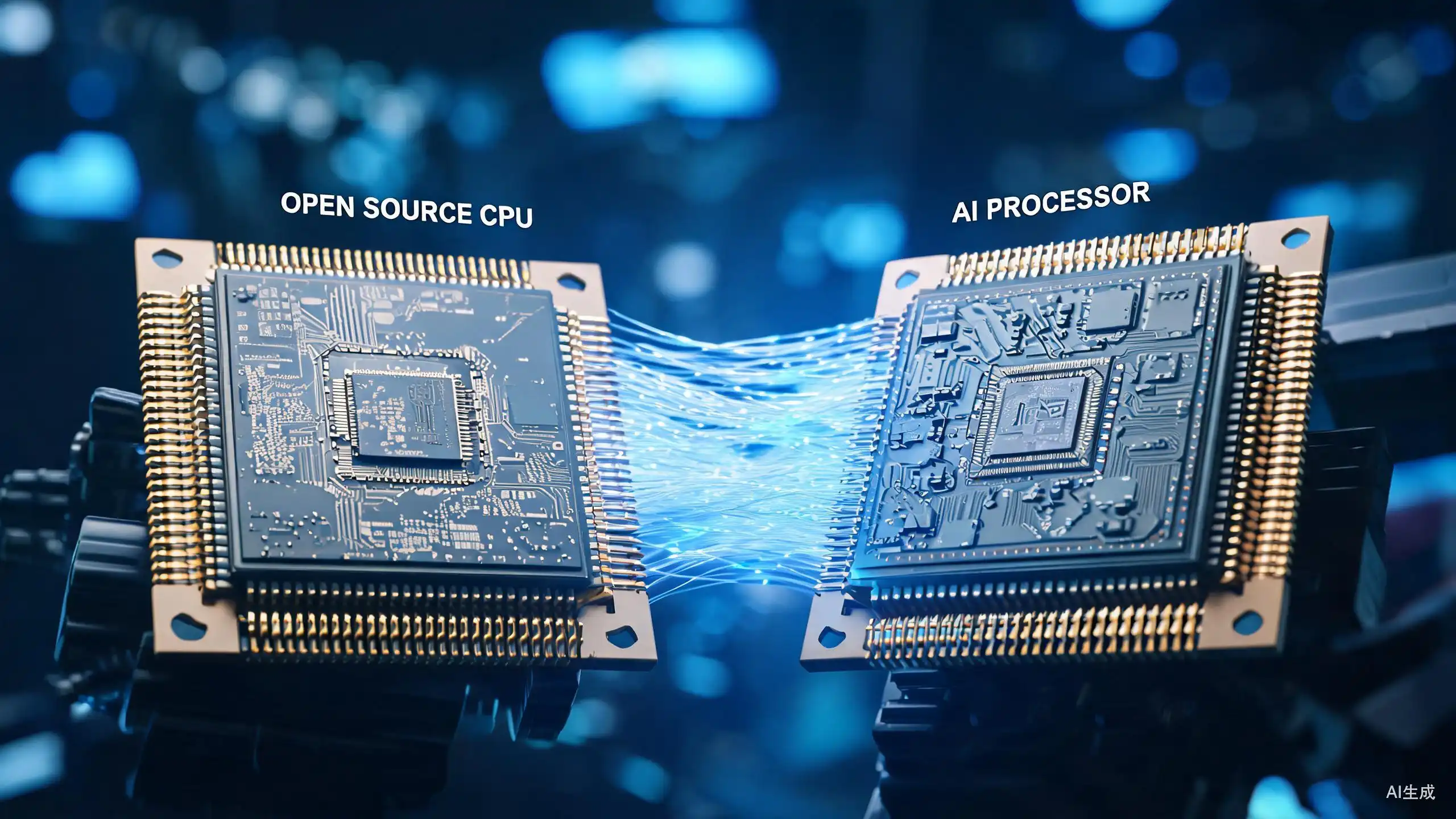
NVIDIA is set to launch its new Vera AI data center CPU in China as early as August, with high pricing. While this move offers a new option, it highlights China's continued dependence on foreign-controlled Arm architecture. In response, the Chinese semiconductor industry is increasingly turning to RISC-V as a strategic alternative for achieving high-performance computing autonomy. The article explores the concept of the "impossible triangle" in CPU development—balancing prosperity, control, and autonomy—and posits that RISC-V's open-source, modular nature offers a unique path to achieving all three. While RISC-V is already dominant in embedded systems, the focus is now shifting to data centers and AI workloads. China has become a global hotspot for RISC-V development, driven by AI-driven compute demand, supply chain concerns from export controls, cost benefits of open-source, and strong policy support. Multiple Chinese companies have reportedly crossed the key performance threshold of 15 SPECint per GHz, a benchmark for entering the high-performance CPU club. Progress extends beyond single-core benchmarks. Companies are developing complete computing subsystems, including commercial-grade coherent network-on-chip (NoC) technology and server processors with up to 40 cores that strictly adhere to the RVA23 standard to ensure software compatibility. Real-world applications are emerging in areas like video transcoding and edge AI. However, significant challenges remain. The RISC-V ecosystem faces fragmentation, immature toolchains and verification processes, and gaps in single-core performance and energy efficiency compared to mature x86 and Arm architectures. The formidable software moat, epitomized by NVIDIA's CUDA, is a long-term hurdle. In conclusion, while RISC-V cannot immediately replace offerings like NVIDIA's Vera, it represents a viable long-term path for China to develop a self-sufficient, high-performance CPU ecosystem. The journey is acknowledged to be long and arduous, requiring sustained effort to overcome technical and ecosystem challenges.

marsbit6h ago

NVIDIA CPU Advances, China's RISC-V Responds: Semiconductor Deep Dive - Part Four

marsbit6h ago

Trading

Spot
Futures
活动图片