Polymarket получила разрешение CFTC на работу в США

cryptonews.ruPublished on 2025-11-26Last updated on 2025-11-26

  • CFTC обновила приказ в отношении Polymarket.
  • Теперь платформа получила право на работу в США.
  • Polymarket интегрировала новые политики рыночного надзора и отчетности.

Платформа прогнозов Polymarket объявила, что Комиссия по торговле товарными фьючерсами США (CFTC) выдала измененный приказ, который позволяет компании осуществлять деятельность в США.

Polymarket будет работать как опосредованная торговая платформа в соответствии с регуляторными требованиями, применяемыми к назначенным контрактным рынкам в Соединенных Штатах.

Благодаря новому статусу платформа сможет напрямую подключать брокерские компании и их клиентов, предоставляя доступ к торгам через кастодиальные и отчетные каналы американской рыночной инфраструктуры.

«Люди полагаются на Polymarket, потому что мы обеспечиваем ясность там, где существует путаница, и ответственность там, где царит неоднозначность. Это одобрение позволяет нам работать так, чтобы отражать зрелость и прозрачность, которых требует регуляторная система США», — заявил основатель и CEO платформы Шейн Коплан.

Polymarket также заявила о внедрении новых систем рыночного надзора, политик контроля, процедур клиринга и отчетности. Компания анонсировала дополнительные внутренние правила для опосредованной торговли, которые вступят в силу перед запуском.

Напомним, ранее в Bloomberg сообщили, что Polymarket планирует вернуться на американский рынок до конца ноября.


Related Reads

NVIDIA CPU Advances, China's RISC-V Responds: Semiconductor Deep Dive - Part Four

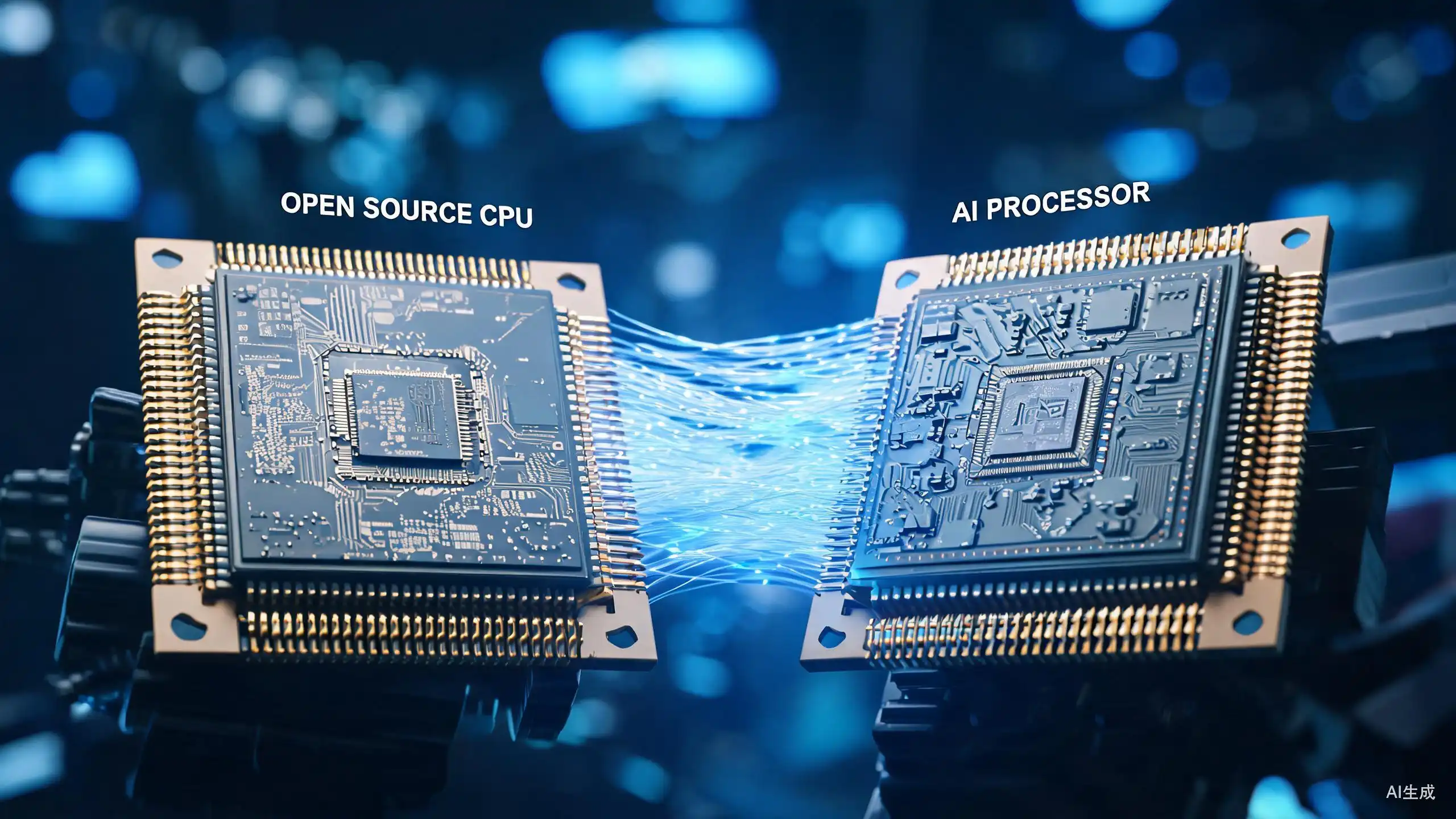
NVIDIA is set to launch its new Vera AI data center CPU in China as early as August, with high pricing. While this move offers a new option, it highlights China's continued dependence on foreign-controlled Arm architecture. In response, the Chinese semiconductor industry is increasingly turning to RISC-V as a strategic alternative for achieving high-performance computing autonomy. The article explores the concept of the "impossible triangle" in CPU development—balancing prosperity, control, and autonomy—and posits that RISC-V's open-source, modular nature offers a unique path to achieving all three. While RISC-V is already dominant in embedded systems, the focus is now shifting to data centers and AI workloads. China has become a global hotspot for RISC-V development, driven by AI-driven compute demand, supply chain concerns from export controls, cost benefits of open-source, and strong policy support. Multiple Chinese companies have reportedly crossed the key performance threshold of 15 SPECint per GHz, a benchmark for entering the high-performance CPU club. Progress extends beyond single-core benchmarks. Companies are developing complete computing subsystems, including commercial-grade coherent network-on-chip (NoC) technology and server processors with up to 40 cores that strictly adhere to the RVA23 standard to ensure software compatibility. Real-world applications are emerging in areas like video transcoding and edge AI. However, significant challenges remain. The RISC-V ecosystem faces fragmentation, immature toolchains and verification processes, and gaps in single-core performance and energy efficiency compared to mature x86 and Arm architectures. The formidable software moat, epitomized by NVIDIA's CUDA, is a long-term hurdle. In conclusion, while RISC-V cannot immediately replace offerings like NVIDIA's Vera, it represents a viable long-term path for China to develop a self-sufficient, high-performance CPU ecosystem. The journey is acknowledged to be long and arduous, requiring sustained effort to overcome technical and ecosystem challenges.

marsbit7h ago

NVIDIA CPU Advances, China's RISC-V Responds: Semiconductor Deep Dive - Part Four

marsbit7h ago

Trading

Spot
Futures
活动图片