Американский биткоин-ресторан Steak ‘n Shake открывается в Сальвадоре

cryptonews.ruPublished on 2025-11-26Last updated on 2025-11-26

Американская сеть фастфуда Steak ‘n Shake объявила о планах расширения в Сальвадор — страну, где биткоин является законным платежным средством. Компания, которая первой среди крупных ресторанных сетей начала принимать к оплате главную криптовалюту, поучаствовала в местной конференции Bitcoin Histórico.

Биткоин-ресторан выходит на рынок «биткоин-страны»

Решение о расширении в Сальвадор стало логичным продолжением биткоин-стратегии Steak ‘n Shake. Компания поделилась в соцсети X, что была «удостоена чести работать в биткоин-стране» после участия в конференции Bitcoin Histórico, которая прошла на этой неделе.

Ресторанная сеть начала принимать биткоин в мае текущего года. Главный операционный директор компании Дэн Эдвардс (Dan Edwards) рассказал изданию Cointelegraph, что цель — внедрить оплату биткоином во всех точках сети по всему миру.

Эта стратегия уже приносит плоды. Во втором квартале продажи в существующих ресторанах выросли почти на 11%, что компания напрямую связывает с началом приема биткоина в качестве платежного средства.

Опрос по Ethereum и «предательство» сторонников биткоина

В октябре Steak ‘n Shake решила поэкспериментировать и провела опрос среди 48 815 подписчиков в X, предложив им проголосовать за добавление Ethereum в качестве платежного средства. Результат оказался неожиданным: 53% высказались «за».

Однако реакция биткоин-сообщества была жесткой. «Ethereum — это централизованный мусор. Биткоин — это свобода. Если сделаете это, потеряете всех клиентов-сторонников биткоина, включая меня», — написал биткоин-максималист Рон Суверенити Суонсон (Ron Sovereignty Swanson).

Несмотря на обещание «следовать результатам» голосования, руководство Steak ‘n Shake быстро передумало. «Опрос приостановлен. Мы верны биткоину», — объявила компания в тот же день, когда запустила голосование.

В ноябре Steak ‘n Shake отчиталась о рекордных результатах третьего квартала. Продажи в существующих ресторанах выросли на 15% по сравнению с предыдущим кварталом. Этот показатель позволил сети обойти всех основных конкурентов в категории фастфуда, включая McDonald’s, Burger King, Taco Bell и кофейню Starbucks.


Related Reads

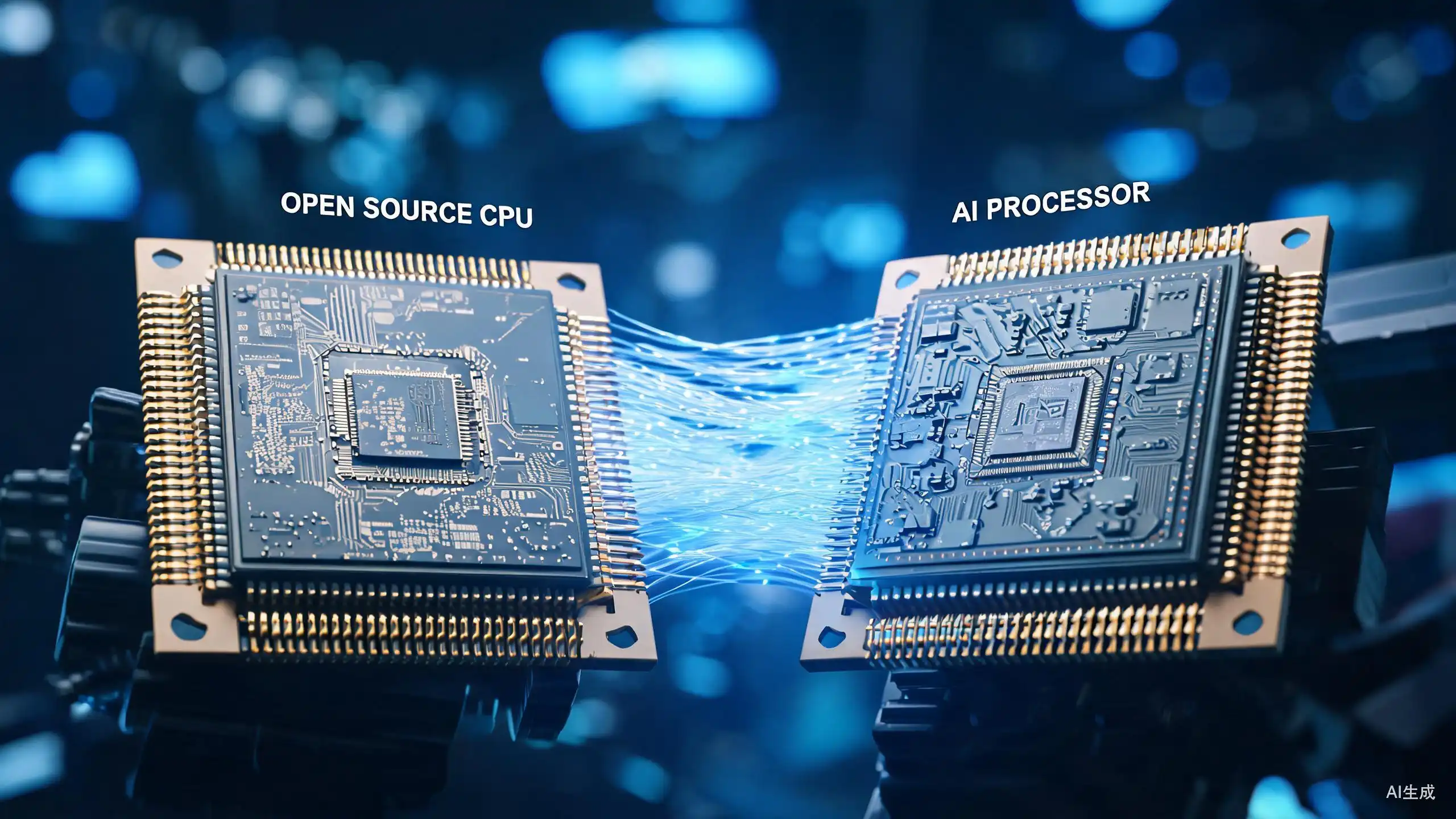
NVIDIA CPU Advances, China's RISC-V Responds: Semiconductor Deep Dive - Part Four

NVIDIA is set to launch its new Vera AI data center CPU in China as early as August, with high pricing. While this move offers a new option, it highlights China's continued dependence on foreign-controlled Arm architecture. In response, the Chinese semiconductor industry is increasingly turning to RISC-V as a strategic alternative for achieving high-performance computing autonomy. The article explores the concept of the "impossible triangle" in CPU development—balancing prosperity, control, and autonomy—and posits that RISC-V's open-source, modular nature offers a unique path to achieving all three. While RISC-V is already dominant in embedded systems, the focus is now shifting to data centers and AI workloads. China has become a global hotspot for RISC-V development, driven by AI-driven compute demand, supply chain concerns from export controls, cost benefits of open-source, and strong policy support. Multiple Chinese companies have reportedly crossed the key performance threshold of 15 SPECint per GHz, a benchmark for entering the high-performance CPU club. Progress extends beyond single-core benchmarks. Companies are developing complete computing subsystems, including commercial-grade coherent network-on-chip (NoC) technology and server processors with up to 40 cores that strictly adhere to the RVA23 standard to ensure software compatibility. Real-world applications are emerging in areas like video transcoding and edge AI. However, significant challenges remain. The RISC-V ecosystem faces fragmentation, immature toolchains and verification processes, and gaps in single-core performance and energy efficiency compared to mature x86 and Arm architectures. The formidable software moat, epitomized by NVIDIA's CUDA, is a long-term hurdle. In conclusion, while RISC-V cannot immediately replace offerings like NVIDIA's Vera, it represents a viable long-term path for China to develop a self-sufficient, high-performance CPU ecosystem. The journey is acknowledged to be long and arduous, requiring sustained effort to overcome technical and ecosystem challenges.

marsbit6h ago

NVIDIA CPU Advances, China's RISC-V Responds: Semiconductor Deep Dive - Part Four

marsbit6h ago

Trading

Spot
Futures
活动图片