Google 与 Visa 都在布局,被低估的 x402 协议蕴藏着哪些投资机会?

深潮Published on 2025-10-16Last updated on 2025-10-17

对投资者而言,x402概念提供了一个清晰的叙事主题:AI时代的支付基础设施。

作者:深潮 TechFlow

如果你最近常看加密社媒,会发现一个陌生的词频繁出现:x402。

不过,相关的讨论在英文加密推特上更多,中文圈则却相对安静。这种信息差,往往意味着新的叙事和机会。

事情要从 Coinbase 说起。

9月底,Coinbase 宣布和 Cloudflare 成立了一个名为 x402 的基金会。当时市场反应平平,毕竟 Coinbase 经常发布各种协议和工具。

如果你不了解 Cloudflare ,一个简单的解释是,这家公司掌控着全球超过20%网站的流量入口,是互联网基础设施的核心玩家。

它很少涉足加密领域,更不用说和加密公司联合搞协议。

10月中旬,Visa 也宣布将支持 x402 标准。作为全球最大的支付网络,选择支持 Coinbase 提出的标准,也被市场解读为一种利好和更大的 Mass Adoption。

从 Cloudflare 到 Visa,从互联网基础设施到传统支付网络,这个由 Coinbase 牵头的 x402 协议,似乎在串联起两个世界。

翻看x402的早期参与名单,这种感觉更加强烈。Google、AWS、Anthropic(Claude AI 的母公司)这些科技公司都在其中。更值得注意的是,大量AI相关项目开始宣布集成x402,包括多个AI代理平台。

所以,这件事大概是,Coinbase 搞了一个支付协议,传统支付巨头和科技公司纷纷加入,AI项目开始扎堆集成。

市场在酝酿新叙事吗?如果是,谁会是最大受益者?

HTTP 402,互联网未竟的支付梦

要理解x402为什么重要,得先了解一个多数人不知道的事实:互联网协议里一直有个“付款”功能,只是从未启用。

1997年,HTTP/1.1标准制定时,工程师们定义了各种各样的状态码,来对应互联网可能出现的某种情况或功能。

比如大家更加熟悉的404,经常用于表示“页面不存在”;而 200 则代表着“请求成功”,只是没让你看见。

而 402,则被早期的工程师们定义为"Payment Required"(需要付款)。

但这个 402 从来没有被正式使用过,一直处于保留状态。原因其实也很简单:当时的互联网那个,没有合适的支付方式。

用信用卡?需要复杂的商户系统来和互联网对接;用PayPal?那也还要打通一套和它对应的账户体系。

于是当时的互联网走向了另一条路,广告模式。Google、Facebook 们的崛起,本质上是因为互联网缺乏原生支付能力。

过去30年,也有人尝试激活402。但每次都因为技术限制而失败。直到现在,随着加密支付逐渐被人接受,条件似乎开始成熟了:

第一,公链上有原生稳定币,比如USDC,理论上可以让支付像发邮件一样简单;第二,L2 正在降低交易成本。在 Base 或 Polygon 上,一笔交易只要几分钱。

最后也是最关键的AI的大爆发让各路 Agent 涌现,可能进一步创造了使用互联网来进行支付的真实需求。

比如我想让AI助手需要调用另一个AI的翻译服务,费用0.01美元。在传统支付体系下,这笔交易根本无法实现,或者需要调动更多的资源,打通更多的通道。
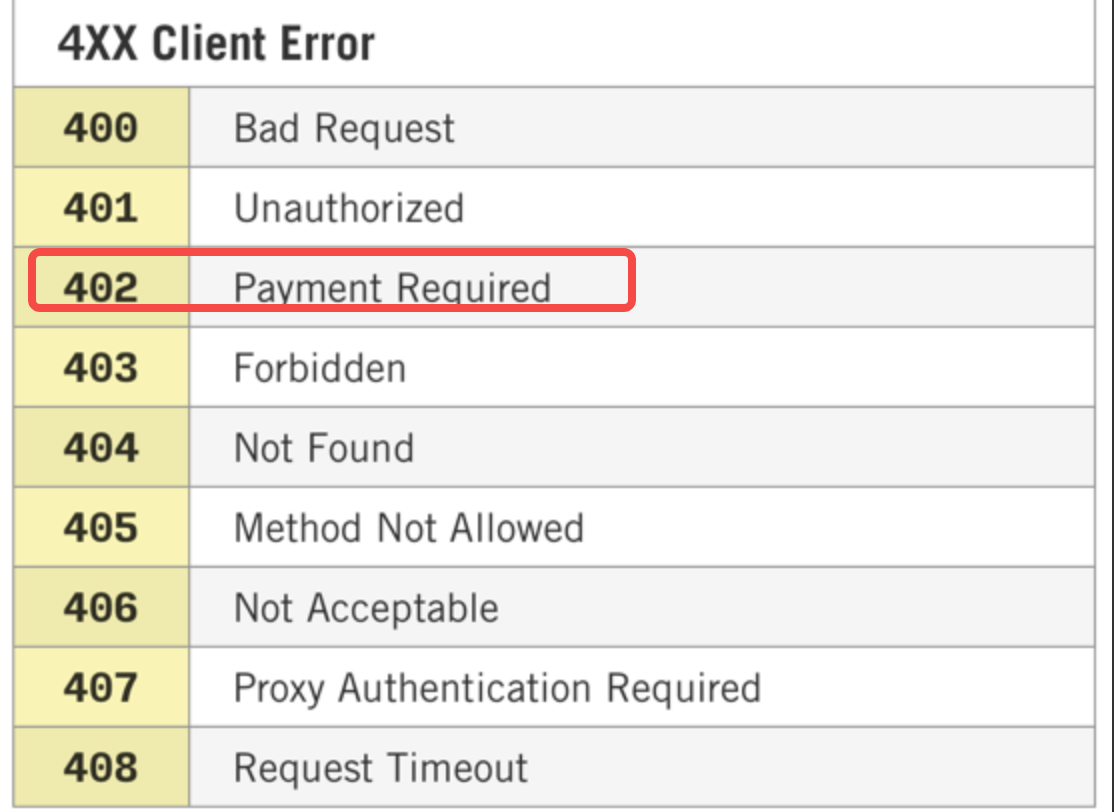
这就是x402的由来。Coinbase 基于 HTTP 402 标准,开发了一套完整的支付协议。它不是重新发明轮子,而是尝试把 402 这个空白的状态码兑现。

通过x402协议,当AI访问需要付费的API时,会收到402状态码和支付要求,然后自动用USDC完成支付,整个过程无需人类干预。

这或许也解释了为何 Cloudflare 和 Visa 会参与。

它们看到的不是加密协议本身,而是互联网支付层的重构机会。当支付变得和HTTP请求一样简单时,整个互联网的商业模式也有改变的空间。

API经济、内容付费、AI服务市场,这些领域都可能因为x402而爆发。而最先布局的公司和项目,将获得巨大先发优势。

x402,用加密打通支付

x402的技术听起来复杂,但核心逻辑很简单。理解它的运作方式,就能看懂背后的投资机会。

先看一个典型的x402交易是如何完成的。

  1. 当用户或AI访问一个收费资源时,服务器返回402状态码,同时告诉你:这个服务要0.1 USDC,请付款到这个地址。

  2. 客户端看到后,自动发起USDC转账。

  3. 服务器确认收到钱,立即提供服务。

这和传统支付有什么区别?

传统支付网关需要你注册账户、绑定银行卡、通过各种验证。每笔交易都要经过银行、卡组织、支付公司等多个环节,最快也要等T+1才能结算。手续费通常在2-3%,还有各种隐藏费用。

x402完全不同。没有账户体系,不需要注册,任何有钱包的人或AI都能直接支付。支付即结算,收款方几秒内就能拿到钱(取决于用什么链)。最关键的是,协议层面零手续费。

你可能会问:零手续费怎么赚钱?

这就是 x402 有利于加密生态的一面,或者说有利于 Coinbase 的地方。

x402 协议本身不收费,但使用协议的平台可以收费。比如Coinbase作为支付服务商,可以收取小额服务费。Base链处理交易,收取极低的Gas费。这种模式让整个生态都有钱赚,而不是被单一平台垄断。

跨链兼容是另一个亮点。x402不限定使用哪条链,Base、Polygon、Solana都可以。这意味着用户可以根据不同链的情况,选择最便宜、最快的链来支付。

在x402 设想的体系下,AI不再只是工具,而是拥有支付能力的经济主体。它们可以购买算力、数据、其他AI的服务,形成一个全新的代理经济。

其实,技术细节不重要,重要的是这些特性意味着什么:更低的成本、更快的速度、更大的市场。当支付摩擦接近于零时,原本不可能的商业模式都会变得可行。

这或许就是为什么不只是加密公司,连Visa这样的传统巨头都要参与进来的原因。

哪些标的值得关注?

对我们来说,x402不仅意味着技术层面的更新,也代表着可能的投资机会。x402的参与者名单,可能是判断这个协议前景的最好指标。
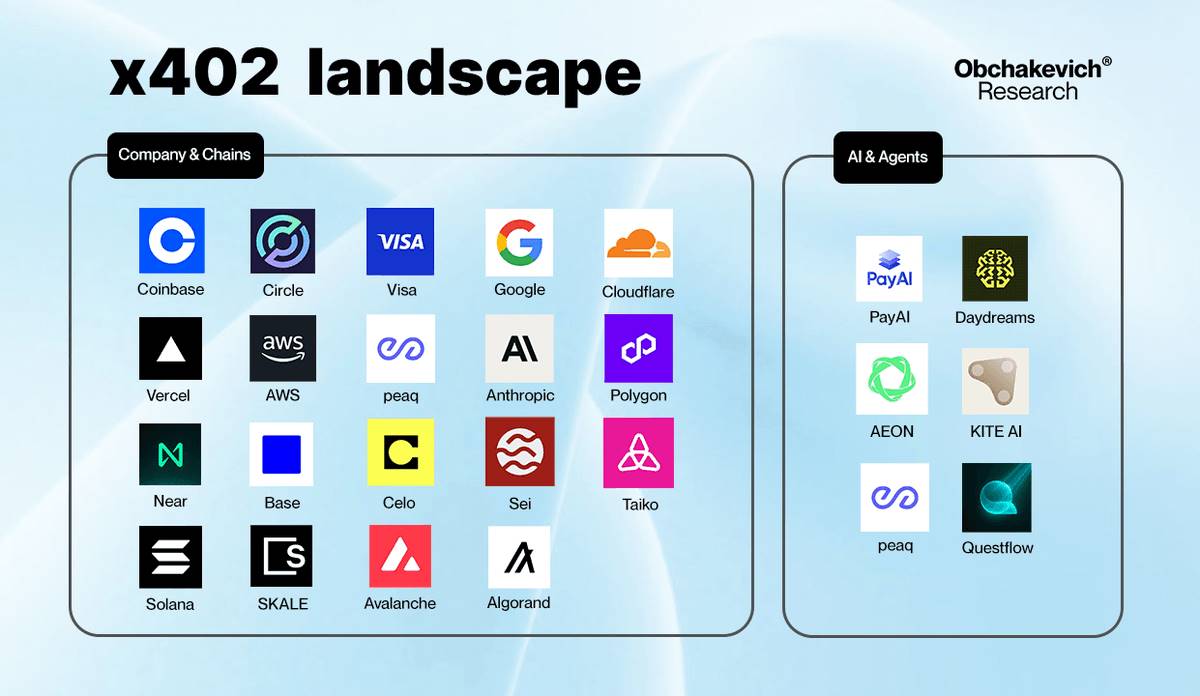
先看基础设施层的三巨头。

Coinbase (股票代码:COIN)是发起者,动机最直接。

作为美国最大的加密交易所,它一直在寻找交易之外的收入来源。x402让Coinbase从交易所变成支付基础设施提供商。每一笔x402交易都可能通过Base链,每一笔USDC支付都强化其生态地位。

如果x402真的普及,Coinbase将成为加密支付的 Visa 。

Cloudflare (股票代码: NET)的加入也有自己的考量。

这家公司控制着全球20%的网站流量,却很少涉足金融领域。为什么现在下场?答案可能在于AI。

Cloudflare 最近推出了Workers AI平台,如果网站能通过 x402 直接向AI收费,Cloudflare将掌控一个巨大的AI服务市场。

Visa (股票代码: V)更像是攻防一体的商业策略。

防守,是避免自己的支付网络被加密支付边缘化,进攻则是抢占AI支付的先机。Visa 自己之前也推出了一个叫 TAP 的协议,正在与x402互通。

具体来说,TAP(Trusted Agent Protocol)是一个专门为AI代理设计的支付协议。未来AI 可以同时使用传统 Visa 网络和加密支付。一个AI助手可以用你的信用卡买机票,也能用USDC购买另一个AI的服务。

再看加密项目,这才是投资机会最集中的地方。

  1. @AEON_Community AEON

推出了AI Payment基础设施,让AI代理能够使用加密货币自主搜索、购物和支付。它与BNB Chain、Solana、TON、TRON等主流区块链合作,还赢得了BNB Chain Demo Day冠军。

  1. @PayAINetwork PayAI Network

构建了一个全球性、永远在线的市场,让AI代理能够相互雇佣和工作,基于开源技术如libp2p、IPFS、ElizaOS和Solana构建。最近,两个ElizaOS代理完成了历史上第一次完全自主的合约谈判、签署、交付和支付。

项目支持x402后,AI代理可以按需收费,真正实现商业化。

  1. @daydreamsagents Daydreams

一个具有可组合上下文的AI框架,专为执行链上任务而设计的平台,允许AI服务通过微支付进行交易。

  1. @GoKiteAI KITE AI

正在构建代理互联网的基础设施,是一个让自主代理能够在真实环境中独立认证、交易和操作的系统.

今年9月,KITE筹集了1800万美元A轮融资,由General Catalyst和PayPal Ventures共同领投。他们的AIR(代理身份解析)系统为AI代理提供可验证身份和可编程支付的通道。

  1. @questflow Questflow

是多 AI 代理经济的编排层,协调全球AI代理自主执行任务并在链上赚取奖励。集成CDP钱包和x402后,Questflow已处理超过13万笔自主微交易,集成了30多个第三方代理。他们与Circle合作,使用USDC作为核心结算货币。

  1. @peaq Peaq

peaq宣布支持x402协议,让其链上的构建者能够利用x402进行机器对机器(M2M)和代理对代理(A2A)支付。作为专门为DePIN(去中心化物理基础设施网络)设计的Layer-1区块链,peaq 已经连接了超过850,000个机器、机器人和设备,也是机器人 X 加密叙事里常被提起的项目。

还有一些项目虽然暂时没有发币,但值得密切关注。比如 Firecrawl 提供网页数据抓取API,准备用x402按次收费。Pinata是最大的IPFS服务商,计划对存储服务启用x402支付。这些项目一旦发币,很可能成为x402概念的新热点。

篇幅所限,这里没有列出所有可能受益的项目,可以点击查看另一位知名科普博主 @eli5_defi 的完整项目清单。

总体上,如果要押注这个叙事,从协议的参与者上至少可以看出三条明确的投资主线:

第一,基础设施受益者,Coinbase首当其冲。

第二,AI代理赛道,特别是已宣布集成的项目。

第三,Base 生态,已经成为x402的主战场。

最后,对关注这个叙事的投资者来说,你需要知道 x402 不是唯一的解决方案。

Lightning Network的 L402 协议也在尝试激活 HTTP 402,只是基于比特币而非稳定币。Google的 AP2 协议虽然支持 x402,但也在开发自己的支付标准。

如果大型科技公司决定推出自己的支付协议,x402可能面临激烈竞争。

不过,402有两个关键优势:先发和生态。Coinbase+Cloudflare+Visa的组合,加上数十个AI项目的早期采用,已经形成了初步的网络效应。

对投资者而言,x402概念提供了一个清晰的叙事主题:AI时代的支付基础设施。

无论是押注基础设施(Coinbase、Base生态),还是应用层(各类AI代理项目),核心逻辑都是同一个:赌新的AI经济的想象空间。

如果相信AI代理是未来,那么它们的支付需求就是刚需。而x402,可能是当前解决需求的最佳加密答案。

Related Reads

$30 Billion DeFi Capital Exodus: LayerZero Stumbles, Chainlink Feasts

Following the major DeFi security incident involving Kelp DAO, a significant migration of funds is underway from the cross-chain protocol LayerZero to Chainlink's CCIP (Cross-Chain Interoperability Protocol). Over $30 billion in Total Value Locked (TVL) from protocols like Kelp DAO, Solv Protocol, Re, and Tydro has moved to Chainlink in the past week, driven by security concerns. LayerZero is facing a severe trust crisis after the attack. Initially denying responsibility, LayerZero Labs has now issued a public apology, acknowledging management oversights. These include a vulnerable "1/1" single-node configuration for its Decentralized Verification Network (DVN) and past misuse of a multi-signature wallet by a team member. The protocol's weekly bridge volume has slumped to near-historic lows of around $470 million. In contrast, Chainlink is experiencing a surge in adoption and activity. Its independent active addresses recently hit multi-month highs, and whales have been accumulating LINK tokens. Beyond DeFi, Chainlink is securing partnerships with traditional finance giants like DTCC, European stock exchange operator SIX Group, and asset manager Amundi. While LayerZero has announced security upgrades—such as migrating to stronger multi-signature configurations and developing a second DVN client—and contributed to a rescue fund, the event underscores that security is becoming a decisive competitive factor as DeFi matures.

marsbit22m ago

$30 Billion DeFi Capital Exodus: LayerZero Stumbles, Chainlink Feasts

marsbit22m ago

The $13 Trillion Repo Market Is Quietly Being Rewritten by Blockchain

The $13 trillion repurchase agreement (repo) market, a crucial artery for global short-term funding, is experiencing a significant transformation through blockchain technology. After years of limited impact in finance, blockchain is finding substantial adoption in repo transactions. Major institutions like JPMorgan Chase, HSBC, and Broadridge are deploying tokenized repo platforms, with daily volumes already reaching tens of billions of dollars. Traditional repo markets operate with fixed hours, rely on intermediaries, and involve manual, time-consuming processes. Tokenized repos, by contrast, use blockchain to create digital tokens representing cash and securities collateral. This enables near-instantaneous settlement, 24/7 trading, automated execution, and enhanced auditability. The key drivers for adoption include maturing technology, more receptive regulators, and growing client recognition of tangible benefits like reduced operational friction and capital efficiency. Analyses, such as one from Broadridge, indicate that moving a portion of repo activity onto blockchain can significantly reduce a bank's required liquidity buffers, potentially freeing up billions in capital. The infrastructure is also seen as foundational for a future of round-the-clock trading for traditional assets. Challenges remain, including the existence of fragmented blockchain networks, the need for stress testing under extreme market conditions, and the loss of operational flexibility compared to manual processes. However, the industry consensus is that these are implementation hurdles. Tokenized repo has moved beyond pilot stages to become one of blockchain's most concrete and impactful applications in traditional finance, marking a pivotal shift in how a core market functions.

marsbit23m ago

The $13 Trillion Repo Market Is Quietly Being Rewritten by Blockchain

marsbit23m ago

From Gas Limit to 'Keyed Nonces', How to Understand the Next Step in Ethereum Scalability?

Ethereum’s scalability efforts are shifting toward a user-centric approach—focusing not only on higher TPS, but on translating technical upgrades into lower costs, smoother operations, and better wallet experiences. Two recent developments highlight this direction: - **Raising the Gas Limit to 200 million**: Following the Fusaka upgrade that increased it to 60 million, a consensus has formed around a potential future increase to 200 million. This would boost Ethereum’s execution capacity, but it is planned alongside other upgrades—such as ePBS, Block-Level Access Lists (BAL), and EIP-8037—to manage state growth and keep node operation viable for average participants. - **Keyed Nonces (EIP-8250)**: This proposal aims to improve how transactions are queued. Instead of a single linear nonce per account, it introduces multiple independent nonce domains. This prevents different types of transactions—such as private payments, session keys, or batch operations—from blocking each other. Vitalik Buterin views this as a foundational step toward better privacy support and more flexible state scalability. Together, these upgrades are part of a broader move to push complexity from wallets, DApps, and relays back into the protocol layer. For everyday users, this means future Ethereum interactions could become less congested, more intuitive, and safer—especially as core improvements in account abstraction, cross-L2 interoperability, and node decentralization continue to progress. Ultimately, Ethereum is evolving to handle not just more transactions, but more varied and complex on-chain use cases while preserving its decentralized foundation.

marsbit45m ago

From Gas Limit to 'Keyed Nonces', How to Understand the Next Step in Ethereum Scalability?

marsbit45m ago

Leaving OpenAI, How Much Has Their Net Worth Increased?

Former OpenAI employees have collectively accrued near-trillion dollar valuations through ventures and investments, charting AI's future. The article highlights two main paths: founding high-value companies like Anthropic and Perplexity, or applying insider insights as investors. Leopold Aschenbrenner exemplifies the investor path. After being fired from OpenAI, he leveraged firsthand knowledge of AI's massive energy demands to make hugely successful public market bets on nuclear and fuel cell companies, practicing "cross-industry cognitive arbitrage." Other alumni, like the Zero Shot VC fund founders, use their technical foresight for early-stage investing. Their key advantage lies not just in picking winners, but in knowing which technical approaches are likely dead ends—a "veto list" derived from internal OpenAI experience. Angel investing within the network, as seen with Mira Murati and Sam Altman, operates on deep, pre-existing understanding of a founder's capabilities, reducing due diligence to near zero. This creates an ecosystem bound by a shared belief in AGI's imminent arrival, differing from networks like the "PayPal Mafia" which were built on shared past struggles. The shift of these builders to investors signals a profound conviction: their situational awareness of the AI landscape is now so clear that deploying capital based on that judgment is more efficient than building themselves. They are allocating bets on the future they helped shape from the inside.

marsbit56m ago

Leaving OpenAI, How Much Has Their Net Worth Increased?

marsbit56m ago

Trading

Spot
Futures

Hot Articles

Discussions

Welcome to the HTX Community. Here, you can stay informed about the latest platform developments and gain access to professional market insights. Users' opinions on the price of AI (AI) are presented below.

活动图片