China pauses RWA tokenization in Hong Kong: What’s going on?

ambcryptoPublished on 2025-09-22Last updated on 2025-09-23

Key Takeaways

How is Hong Kong advancing its digital finance initiatives?

Hong Kong advances tokenized deposits, RWA trading, and crypto exchange licensing, in collaboration with the HKMA and SFC.

What is the current size of the global RWA market?

The global RWA market surpassed $25 billion in Q2 2025, driven by institutional demand. Industry forecasts suggest it could exceed $2 trillion by 2030.


China’s top securities regulator has reportedly urged certain domestic brokerages to put the brakes on their real-world asset (RWA) tokenization activities in Hong Kong.

The move, according to two sources, reflects Beijing’s growing caution over the rapid momentum of digital asset experiments taking place offshore.

China asks brokers to pause RWA

The China Securities Regulatory Commission (CSRC) contacted at least two firms in recent weeks, asking them to halt tokenization businesses offshore.

The guidance aimed to strengthen risk controls and ensure corporate claims were supported by legitimate operations.

This came as Hong Kong positioned itself as a digital asset hub, licensing exchanges and reviewing legal frameworks for tokenized deposits and RWAs.

It goes on to show that, despite previously leading in crypto, China has been cautious since banning trading and mining in 2021 over financial stability concerns.

Hong Kong’s RWA approach

Meanwhile, Hong Kong advances tokenization, including tokenized deposits and RWA trading, with Financial Services and the Treasury Bureau (FSTB) and the Hong Kong Monetary Authority (HKMA) reviewing the legal framework.

The global RWA market exceeded $25 billion in Q2 2025, driven by institutional demand, and could surpass $2 trillion by 2030.

Hong Kong is also advancing in digital finance. HKMA and SFC initiatives are enhancing efficiency, liquidity, and investor protection.

Reportedly, it plans to approve more crypto exchange licenses by the end of 2025, building on previous frameworks from 2018 and 2020.

Seazen enters digital assets

Meanwhile, Chinese property developer Seazen Group has announced a digital assets institute in Hong Kong to explore RWA tokenization.

Seazen said it planned to tokenize intellectual property and asset income. It is a move that could make it the first major Chinese developer to raise funds through tokens.

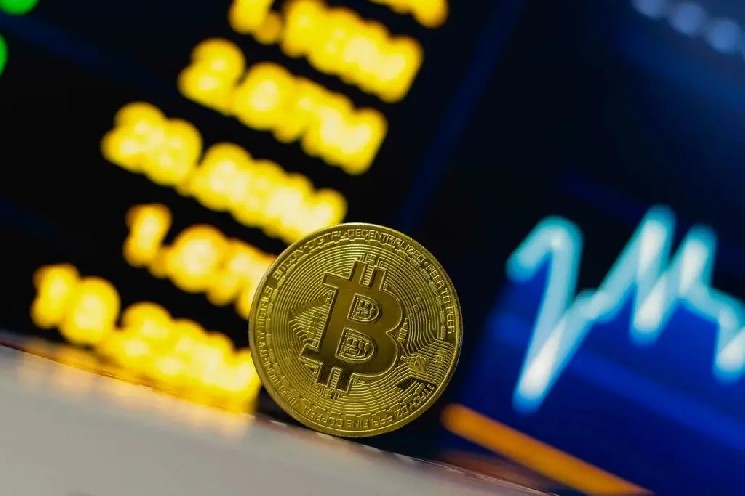
Other firms signaled interest, too. HK Asia Holdings recently acquired 7.88 BTC (~$761,705) after a 1,700% stock surge. AnchorX also launched AxCNH, the world’s first stablecoin pegged to the offshore Chinese Yuan. 

These initiatives show growing digital asset adoption, with China prompting global caution amid rising crypto market competition.

Share

Trending Cryptos

Related Reads

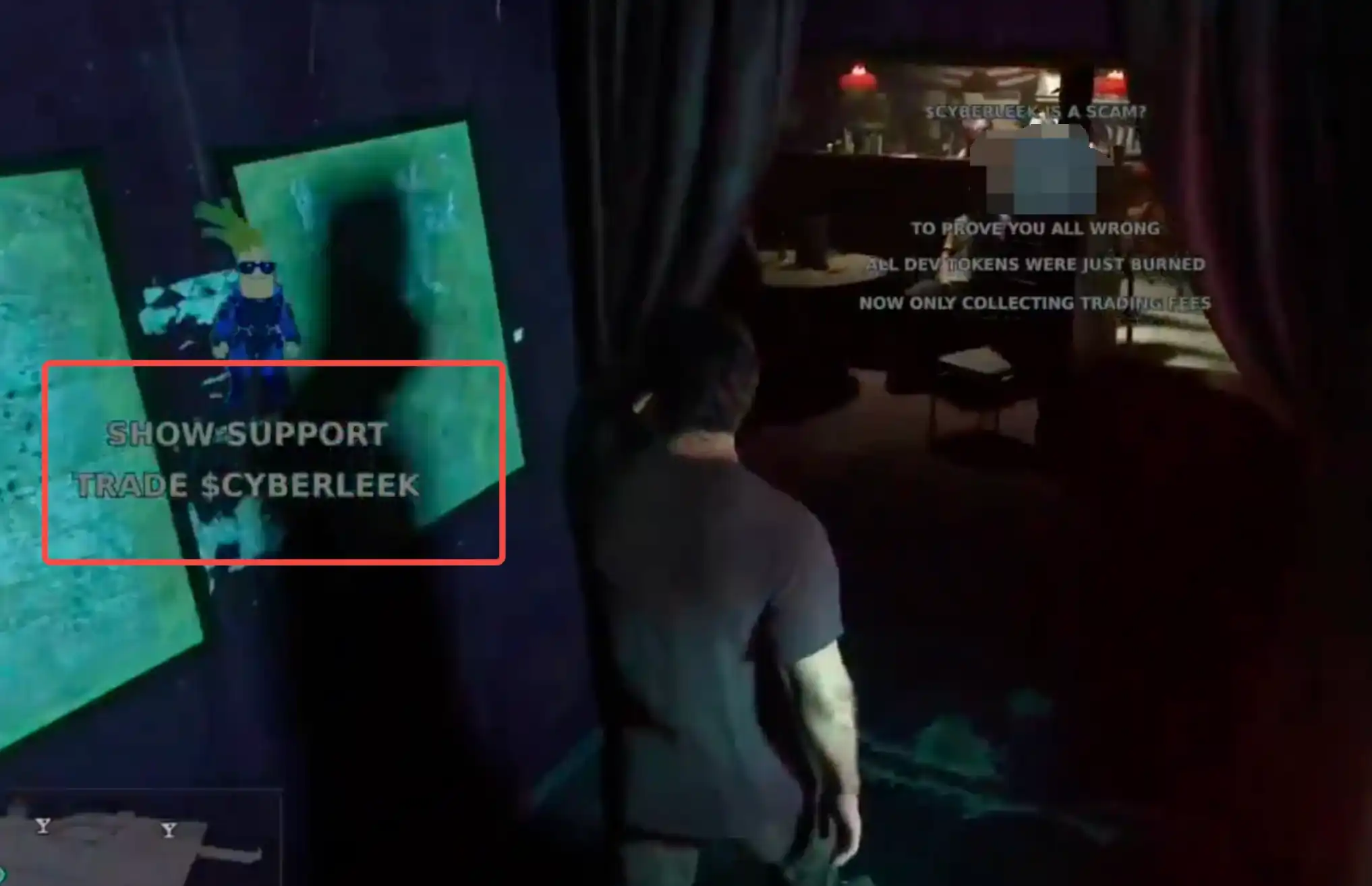
Hacker Leaks GTA6 and Launches a Token: Leaked Videos Become Ad Space for $CYBERLEEK, Must Buy Tokens to Vote for Next Clip

A hacker group called "CyberLeek" has leaked gameplay footage of the highly anticipated video game *GTA 6*, which is slated for release in 2026. Simultaneously, the group launched a meme token, $CYBERLEEK, on Solana. The leaks, which include maps and gameplay clips, are heavily watermarked with advertisements urging viewers to buy the token. Investigations of blockchain data reveal that the token was created and funded from a single wallet approximately eight hours before the first leak was released, suggesting a coordinated plan. The group has implemented a voting system where token holders can "vote" for the next type of content to be leaked by sending $CYBERLEEK tokens to a designated wallet—a process that permanently transfers the tokens to the hackers. This creates a self-sustaining cycle where interest in the leaks drives token purchases. Financially, the operation involved minimal upfront costs (less than $3,500 in out-of-pocket expenses) but generated significant revenue. On its first day, the token saw $15 million in trading volume, netting the creators an estimated $30,000 from transaction fees alone. While the group later burned a large portion of its developer-held tokens (worth over $1 million) to build trust, the fee-generating mechanism remains intact. The game's publisher, Take-Two Interactive, has initiated legal proceedings to identify the hackers. Despite this, the case demonstrates a new model where leaked intellectual property is used as leverage to promote and profit from a cryptocurrency, with meme token markets serving as an additional revenue stream.

marsbit1h ago

Hacker Leaks GTA6 and Launches a Token: Leaked Videos Become Ad Space for $CYBERLEEK, Must Buy Tokens to Vote for Next Clip

marsbit1h ago

Jensen Huang's Daughter: From Chef to an $8 Million Annual Salary

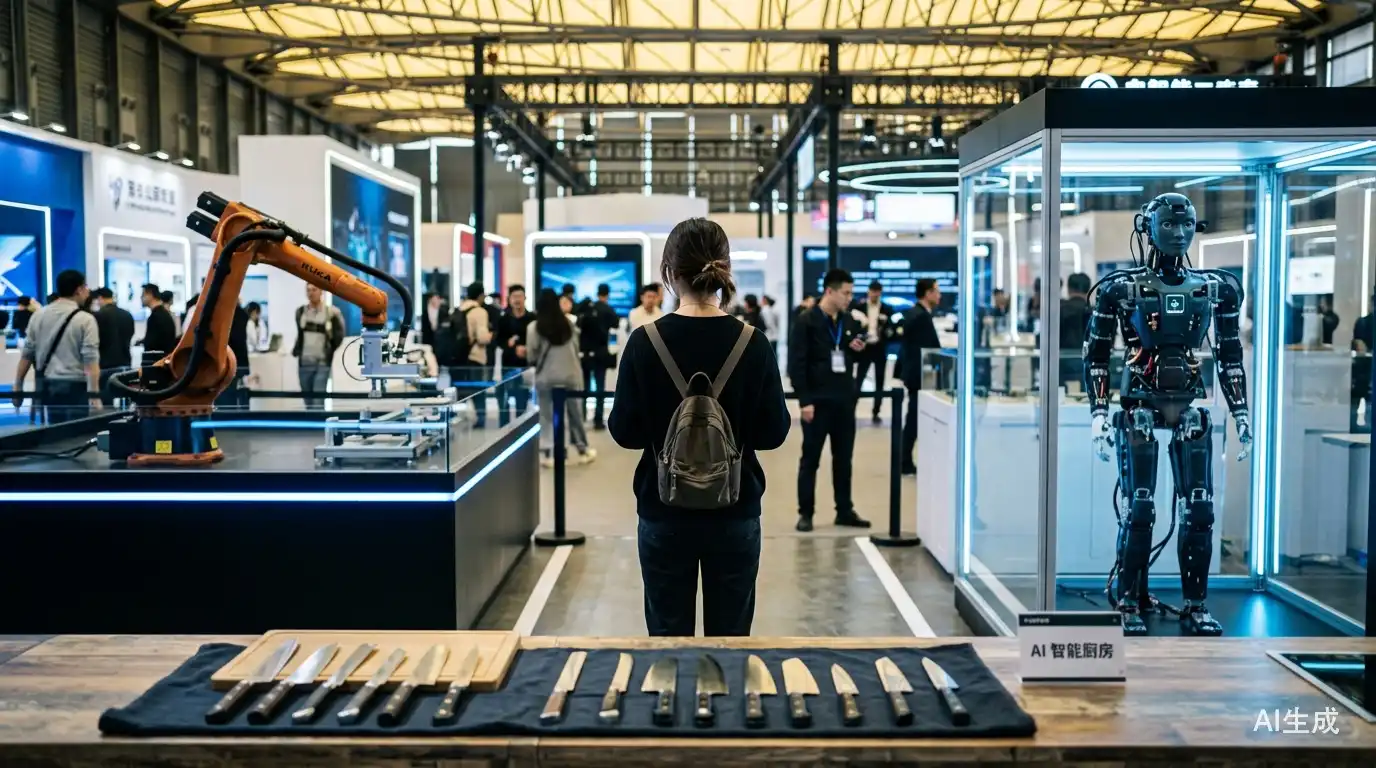
Madison Huang, daughter of NVIDIA founder Jensen Huang, recently made a rare public appearance in Beijing during the 2026 World Robot Conference. As the Senior Director of Product and Technology Marketing for NVIDIA's Physical AI Platform, with an annual salary of approximately $1.2 million, her visit focused on evaluating leading Chinese robotics companies like UBTech, Unitree, and others. This highlights NVIDIA's strategic interest in the burgeoning Chinese robotics ecosystem, a key battleground for the development of Physical AI—technology that enables machines to understand and interact with the physical world. Huang's career path is unconventional. Initially pursuing her passion, she studied culinary arts, worked as a chef, and later held a marketing role at LVMH. She joined NVIDIA as an intern in 2020 after completing an MBA, quickly rising through the ranks. Her brother, Spencer Huang, followed a similar path, closing a cocktail bar he co-founded to also join NVIDIA, where he now works on robotics software. Jensen Huang has publicly addressed nepotism concerns, humorously noting that some "second-generation" employees outperform their parents. The conference itself underscored China's vibrant robotics sector, marked by Unitree's recent blockbuster IPO and a pipeline of companies preparing to go public. While hardware development and manufacturing are advancing rapidly, industry leaders like Wang Xingxing of Unitree point to the next critical challenge: developing the "brain" or AI that allows robots to perform diverse, unseen tasks based on simple instructions. With massive manufacturing scale and diverse real-world testing scenarios, China is positioned as a central player in the global race to define the future of robotics.

marsbit4h ago

Jensen Huang's Daughter: From Chef to an $8 Million Annual Salary

marsbit4h ago

Trading

Spot

Hot Articles

Discussions

Welcome to the HTX Community. Here, you can stay informed about the latest platform developments and gain access to professional market insights. Users' opinions on the price of S (S) are presented below.

活动图片