Grayscale Seeks Big Breakthrough: Amended S-1 Filed To Convert Dogecoin Trust Into GDOG ETF

bitcoinistPublished on 2025-09-21Last updated on 2025-09-22

Abstract

Grayscale Investments, one of the largest digital asset management firms in the world, has made another bold move in the...

Trusted Editorial content, reviewed by leading industry experts and seasoned editors. Ad Disclosure

Grayscale Investments, one of the largest digital asset management firms in the world, has made another bold move in the crypto ETF space. The company recently submitted an amended S-1 registration statement to the US Securities and Exchange Commission (SEC), this time for its Dogecoin product. 

The filing reveals Grayscale’s intention to convert its existing Grayscale Dogecoin Trust (GDOG) into a Spot Dogecoin exchange-traded fund (ETF), a move that would give the meme coin an unprecedented level of exposure among institutional investors.

Grayscale’s Pursuit Of A Dogecoin ETF

Grayscale has consistently been at the forefront of pushing crypto products into the mainstream. Long before the launch of Spot Bitcoin ETFs, the digital asset-focused investment platform was one of the first companies to introduce other investment products that gave institutional investors exposure to cryptocurrencies. 

Grayscale’s Bitcoin and Ethereum products were converted to Spot Bitcoin ETFs, and now the company is now taking the same playbook to the next biggest assets. According to a recent filing with the US SEC, Grayscale is now looking to convert its existing Grayscale Dogecoin Trust (GDOG) into a Spot Dogecoin exchange-traded fund (ETF). Grayscale has managed this DOGE Trust since 2021 and the latest filing, if approved, will convert it to the public ETF format.

The conversion of the Grayscale Dogecoin Trust into a Spot ETF would make DOGE exposure available to a broader range of investors, including those who may not be comfortable holding crypto directly. According to the S-1 filing, the proposed Dogecoin ETF would be listed on NYSE Arca under the ticker ‘GDOG.’ 

DOGEUSD currently trading at $0.26. Chart: TradingView

The ETF will track the price of DOGE based on the CoinDesk DOGE Reference Rate, which sources pricing from leading exchanges including Kraken, Gemini, Coinbase, and Bitstamp. Grayscale has also chosen Coinbase to serve as the official custodian of the DOGE held by the ETF. The filing also specifies that ETF shares will be created and redeemed in blocks of 10,000 shares, known as “Baskets.”

Market Impact And What Comes Next

Grayscale’s move into a Spot Dogecoin ETF comes during a period when investors are on the outlook for the next crypto ETF that will hit the market. Grayscale already has pending applications to convert its Cardano and XRP Trusts into Spot ETFs, but those are yet to be approved.

As it stands, there is no specific deadline for the SEC to give its approval. The nature of the S-1 filing means the agency will review the filing, issue comment letters, and wait for the issuer to respond with amendments until it is satisfied.

Billions of dollars have already flowed into Bitcoin and Ethereum through their Spot ETFs. If Grayscale’s filing is approved, Dogecoin could be the next benefactor of these institutional inflows. Institutional investors, who have largely stayed away from meme coins, would have a regulatory-compliant channel to gain exposure to Dogecoin.

At the time of writing, Dogecoin was trading at $0.265. 

Featured image from Unsplash, chart from TradingView

Editorial Process for bitcoinist is centered on delivering thoroughly researched, accurate, and unbiased content. We uphold strict sourcing standards, and each page undergoes diligent review by our team of top technology experts and seasoned editors. This process ensures the integrity, relevance, and value of our content for our readers.

Scott Matherson is a leading crypto writer at Bitcoinist, who possesses a sharp analytical mind and a deep understanding of the digital currency landscape. Scott has earned a reputation for delivering thought-provoking and well-researched articles that resonate with both newcomers and seasoned crypto enthusiasts. Outside of his writing, Scott is passionate about promoting crypto literacy and often works to educate the public on the potential of blockchain.

Related Reads

You'll Be Surprised How Much WeChat's Architecture Differs from Telegram's

An article compares the core architectural philosophies of WeChat and Telegram, highlighting fundamental differences in data storage, monetization, and developer ecosystems. **Data Storage:** Telegram offers unlimited, synchronized cloud storage for seamless access across all devices. In contrast, WeChat stores chat history locally on each device, requiring a manual migration process for transfer and tethering desktop sessions to an active smartphone. **Features & Ecosystem:** Telegram's open Bot API allows for easy, free bot creation, while WeChat's massive ecosystem of over 4.8 million "mini-programs" operates within a closed, curated, and more regulated platform. Commenting also differs: Telegram uses integrated discussion threads for channels, whereas WeChat relies on pre-moderated comments for official accounts and separate chats for interaction. **File Sharing & Payments:** Telegram supports large file transfers (up to 4GB for Premium), while WeChat limits most files to 200MB. A key divergence is in payments: WeChat Pay is deeply integrated into daily life and commerce in China, whereas Telegram lacks a comparable built-in fiat payment system, focusing instead on third-party bots and crypto. **Analysis:** The comparison reveals two distinct models: WeChat is a tightly integrated, closed ecosystem deeply embedded in the real economy, while Telegram prioritizes open protocols, flexible data handling, and low barriers for developers. An added perspective notes that WeChat's fusion of messaging and payments in a single interface without end-to-end encryption for chats potentially broadens the attack surface, raising security questions as more functions converge.

cryptonews.ru51m ago

You'll Be Surprised How Much WeChat's Architecture Differs from Telegram's

cryptonews.ru51m ago

Hacker Leaks GTA6 and Launches a Token: Leaked Videos Become Ad Space for $CYBERLEEK, Must Buy Tokens to Vote for Next Clip

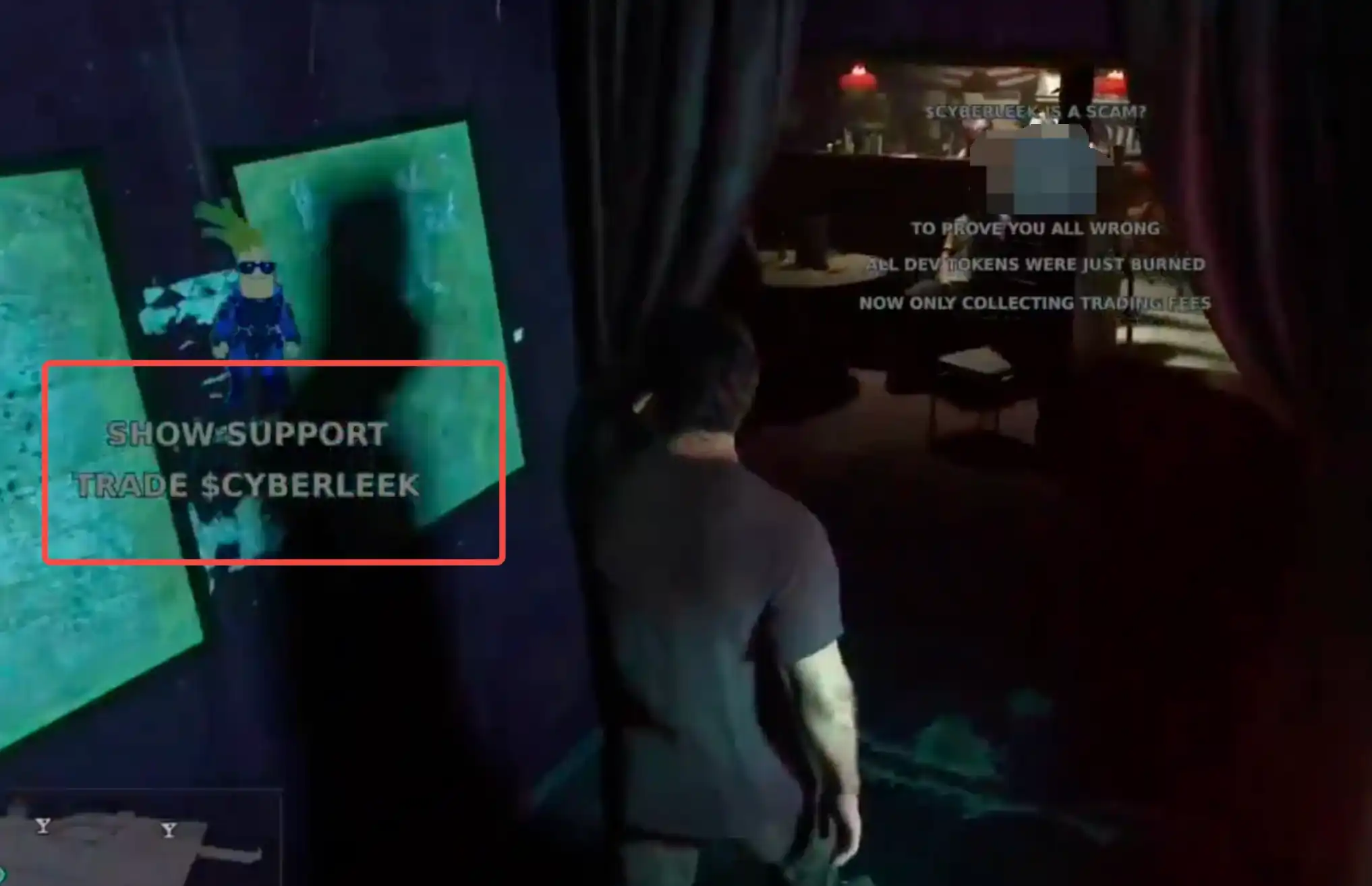
A hacker group called "CyberLeek" has leaked gameplay footage of the highly anticipated video game *GTA 6*, which is slated for release in 2026. Simultaneously, the group launched a meme token, $CYBERLEEK, on Solana. The leaks, which include maps and gameplay clips, are heavily watermarked with advertisements urging viewers to buy the token. Investigations of blockchain data reveal that the token was created and funded from a single wallet approximately eight hours before the first leak was released, suggesting a coordinated plan. The group has implemented a voting system where token holders can "vote" for the next type of content to be leaked by sending $CYBERLEEK tokens to a designated wallet—a process that permanently transfers the tokens to the hackers. This creates a self-sustaining cycle where interest in the leaks drives token purchases. Financially, the operation involved minimal upfront costs (less than $3,500 in out-of-pocket expenses) but generated significant revenue. On its first day, the token saw $15 million in trading volume, netting the creators an estimated $30,000 from transaction fees alone. While the group later burned a large portion of its developer-held tokens (worth over $1 million) to build trust, the fee-generating mechanism remains intact. The game's publisher, Take-Two Interactive, has initiated legal proceedings to identify the hackers. Despite this, the case demonstrates a new model where leaked intellectual property is used as leverage to promote and profit from a cryptocurrency, with meme token markets serving as an additional revenue stream.

marsbit3h ago

Hacker Leaks GTA6 and Launches a Token: Leaked Videos Become Ad Space for $CYBERLEEK, Must Buy Tokens to Vote for Next Clip

marsbit3h ago

Trading

Spot
活动图片