Crypto Market Structure Bill: Democrat Senators Push For Bipartisan Authorship

bitcoinistPublicado em 2025-09-21Última atualização em 2025-09-21

Resumo

After the Senate Banking Committee advanced the GOP-led legislation on the crypto market structure, a growing number of Democratic senators...

Trusted Editorial content, reviewed by leading industry experts and seasoned editors. Ad Disclosure

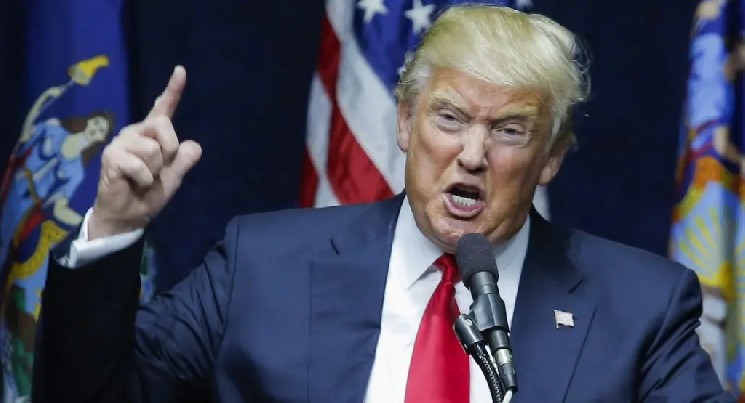
After the Senate Banking Committee advanced the GOP-led legislation on the crypto market structure, a growing number of Democratic senators have stepped forward to demand the chance to actively contribute to one of the most potentially important digital asset regulations. This development comes as the crypto regulatory framework remains center stage in the US Congress, following President Donald Trump’s adoption of a crypto-friendly administrative stance.

Crypto Structure Bill Gathers Traction

Notably, the present crypto market structure bill is led by Republican senators, including Senate Banking Chair Tim Scott (R-S.C.), along with Cynthia Lummis (R-Wyo.), Bill Hagerty (R-Tenn.), and Bernie Moreno (R-Ohio). The updated discussion draft of the “Responsible Financial Innovation Act of 2025” was released in early September, introducing some key changes that sparked public interest. ‘

One of these changes is the proposal of a joint regulatory committee involving the Securities and Exchange Commission (SEC) and the Commodity Futures Trading Commission (CFTC), as well as 14 non-government members from across the industry, academia, user base, and the National Institute of Science and Technology.

However, on September 9, popular crypto critic and Democrat Senator Elizabeth Warren (D-MA) shared heavy criticism of the GOP-led bill, citing a lack of sufficient consultation with Democrats or disclosure of industry feedback. She argues that partisanship and lack of transparency threaten both the integrity and effectiveness of the legislation. Following this development, the Democrats have since released their own version of the cryptocurrency regulatory framework, backing their call for bipartisan authorship.

The Demand For Shared Authorship

In a statement released on September 19, this group of 12 Democratic senators reaffirmed their desire to be more than bystanders in the crypto structure bill. Senators Ruben Gallego (D-AZ), Mark Warner (D-VA), Kirsten Gillibrand (D-NY), Cory Booker (D-NJ), Catherine Cortez Masto (D-NV), Ben Ray Luján (D-NM), John Hickenlooper (D-CO), Raphael Warnock (D-GA), Adam Schiff (D-CA), Andy Kim (D-NJ), Lisa Blunt Rochester (D-DE), and Angela Alsobrooks (D-MD) together called for a bipartisan authorship process matching the norm for legislation of this scale.

The statement read:

Last week, we released a framework on market structure legislation, highlighting our desire to work on this issue. As we stated then, digital assets are a $4 trillion global market that will require a considered and bipartisan approach to regulation.

We hope our Republican colleagues will agree to a bipartisan authorship process, as is the norm for legislation of this scale. Given our shared interest in moving forward quickly on this issue, we hope they will agree to reasonable requests to allow for true collaboration.

The Democratic proposed framework centers around seven key pillars, including clarifying regulatory jurisdiction, integrating digital-asset issuers and trading platforms into oversight, combating illicit finance and corruption, promoting fair regulation, and closing gaps in how non-security digital assets are regulated.

At press time, the total crypto market cap remains valued at $4.03 trillion following a 0.34% gain in the past day.

Crypto
Total crypto market valued at $3.99 trillion on the daily chart | Source: TOTAL chart on Tradingview.com
Featured image from Flickr, chart from Tradingview
Editorial Process for bitcoinist is centered on delivering thoroughly researched, accurate, and unbiased content. We uphold strict sourcing standards, and each page undergoes diligent review by our team of top technology experts and seasoned editors. This process ensures the integrity, relevance, and value of our content for our readers.

Semilore Faleti works as a crypto-journalist at Bitconist, providing the latest updates on blockchain developments, crypto regulations, and the DeFi ecosystem. He is a strong crypto enthusiast passionate about covering the growing footprint of blockchain technology in the financial world.

Leituras Relacionadas

The Full Story of How Crypto Unicorn Blockstream Is Mired in Serious Fraud Allegations

This article details serious allegations of fraud against Bitcoin infrastructure company Blockstream, founded by Bitcoin pioneer Adam Back. In June 2024, investigative account NatInfoSec published a report accusing Blockstream's mining note (BMN) program of potentially operating a multi-billion dollar scheme with Ponzi-like characteristics. The core allegations focus on Blockstream Mining Notes (BMNs), which offer investors fixed annual yields up to approximately 20% from Bitcoin mining. NatInfoSec's investigation raises several key issues: 1. **Suspicious Hashrate & Payout Capacity**: The analysis suggests Blockstream would need 20-45 EH/s of mining power to cover its BMN obligations, but its public dashboard shows only around 15 EH/s. Furthermore, no verifiable public evidence (e.g., grid connection records, import data) was found to support the massive mining operation required. 2. **Questionable Payout Source**: The BMN contract allows Blockstream to use Bitcoin from *any source* (Substitute Performance BTC) to fulfill investor payouts, raising concerns that payouts may not come from actual mining revenue. 3. **High-Risk, Fixed Returns**: Offering ~20% fixed yields in the volatile, cyclical Bitcoin mining industry is viewed as highly unusual and requires clear explanation. 4. **Undisclosed Criminal Record of Key Figure**: Christopher William Cook, a key figure in Blockstream's mining operations and CEO of spin-off Exacore, was found to have a federal felony conviction for mail fraud in 2008, a fact not disclosed in BMN offering documents. His background was also allegedly embellished. 5. **Potential Contagion to BSTR SPAC**: Questions were raised about whether these liabilities and Cook's record should have been disclosed in the SEC filings for Bitcoin Standard Treasury Company (BSTR), a separate Adam Back-associated firm planning a SPAC merger. The crypto community is divided. BitMEX Research validated Cook's criminal record and expressed concern over the high yields but found other evidence lacking or misleading, noting the legal separation between BMN, Blockstream, and BSTR. Blockstream defenders, like Samson Mow, argue the mining is real. Critics, however, emphasize the lack of independent, verifiable proof of the mining operation's scale and the true source of investor payouts. The article concludes that BMN remains shrouded in key unanswered questions regarding its actual size, the verifiability of its underlying mining assets and payouts, the source of its high yields, and the full role and disclosure concerning Chris Cook. Blockstream had not issued a comprehensive response at the time of writing.

marsbitHá 7h

The Full Story of How Crypto Unicorn Blockstream Is Mired in Serious Fraud Allegations

marsbitHá 7h

Trading

Spot
Futuros
活动图片