【本轮最强表现】ETH击败美股与SOL,650亿战局打响!

ambcryptoPublished on 2025-06-12Last updated on 2025-06-12

Abstract

投资者开始放弃 SOL 而选择 ETH。

  • 以太坊的净流量为 170 万美元,占 24 小时内所有桥接流动性的 64.52%。
  • SOL/ETH 图表显示在阻力位处反复遭到拒绝,暗示流动性向 ETH 的轮换可能会继续。
  • 随着交易员将资金重新配置到占主导地位的第 1 层,以太坊 [ETH]扩大了对Solana [SOL] 的优势。

当然,这是在人们对以太坊的长期表现和 DeFi 曝光度的信心不断增强的背景下发生的。

回顾过去一个月的表现,ETH 的表现优于 SOL。截至发稿时,ETH 上涨了 9.32%,而 SOL 同期下跌了 5.44%。

市场分析表明,ETH 可能很快会吸引更多市场流动性,尤其是来自 SOL 的流动性,并可能跑赢大盘。正如 AMBCrypto 在下文中分析的那样,这些因素可能会推动这种转变。

流动性向 ETH 的转移加剧

最近的分析显示,在过去 24 小时内,SOL 投资者已将其持有的很大一部分资产转移到其他生态系统。

截至报告时,以太坊净流量为 170 万美元,占所有过桥资产的 64.52%。

自然,这种大规模外流意味着 SOL 持有者正在积极重新配置 ETH,寻求更具弹性的上涨空间。
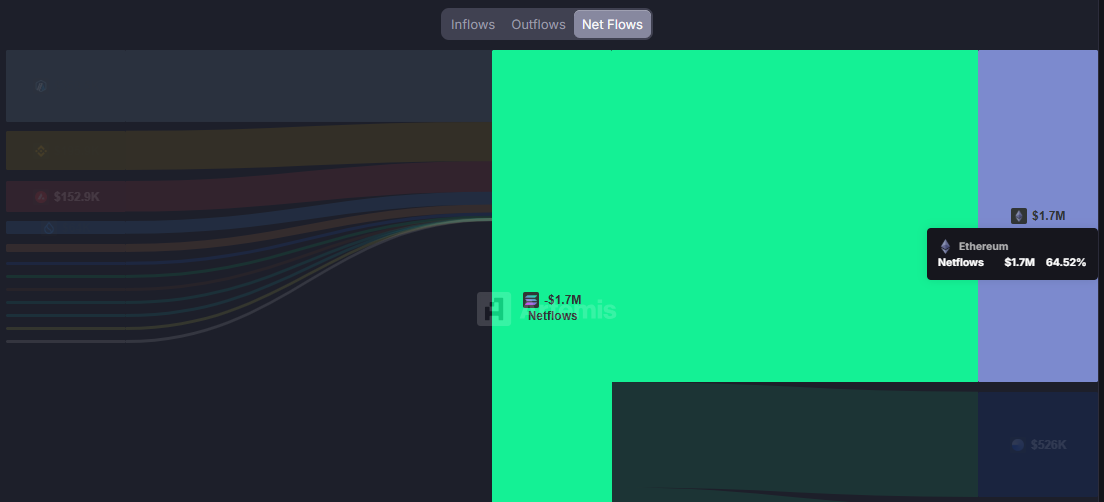
这一趋势描绘了一幅清晰的图景:投资者似乎对 ETH 比 SOL 更看好,预计前者在接下来的交易日中可能会表现出色。

AMBCrypto 的分析解释了为什么这种转变逐渐开始。

DeFi 行业推动增长

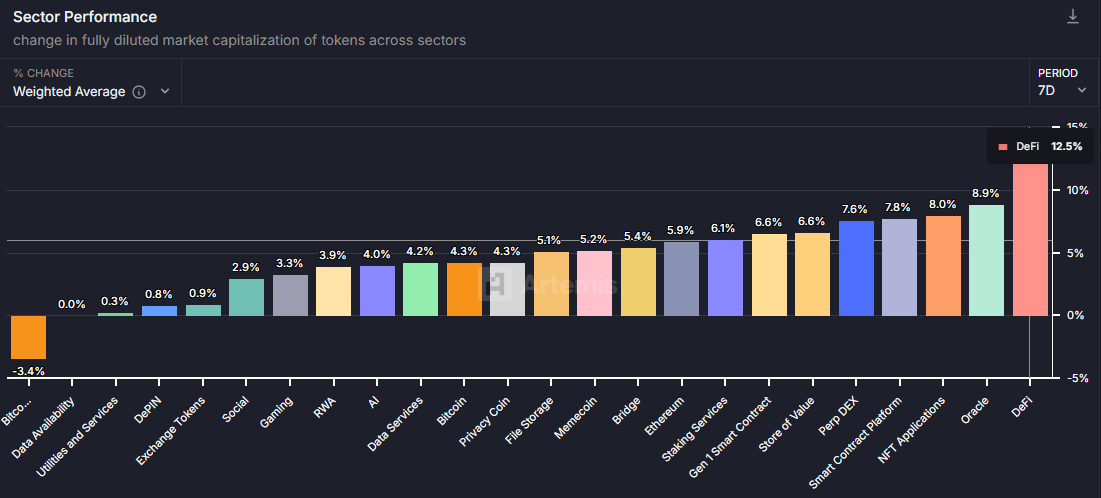
从行业来看,我们可以观察到,在过去七天里,去中心化金融 (DeFi) 服务持续增长,并且实际上领先于其他行业。

目前,该板块已上涨 12.5%,而以太坊生态系统在此期间则上涨了 5.9%。
DeFi 服务是以太坊生态系统的核心组成部分,其总锁定价值(TVL)为 657.7 亿美元。

这使得 ETH 成为 TVL 最具价值的生态系统。

对比来看,ETH近期的市场走势,涨幅已经超越了传统市场。

12 个月内,以太坊的回报率为 21%,超过标准普尔 500 指数的 13.7%。
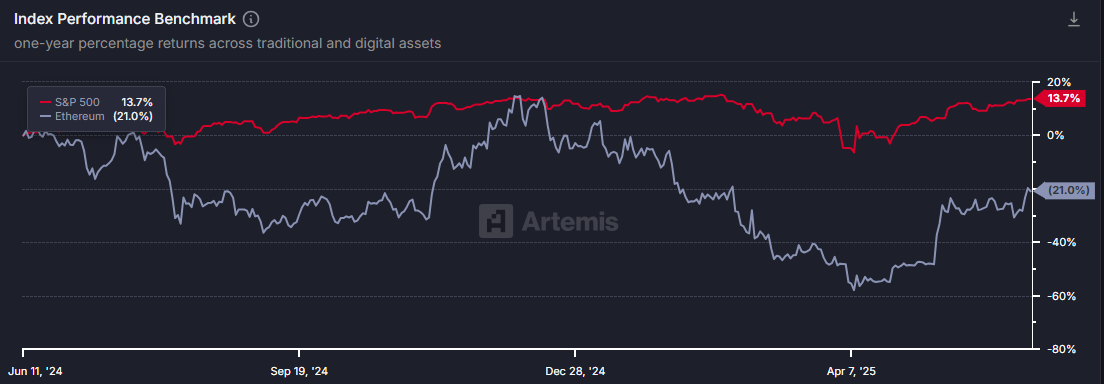
事实上,这种优异的表现增强了 ETH 对于寻求风险调整后增长的传统投资者的吸引力。

最重要的是,以太坊的 DeFi 基础可能正在推动这种分歧。

ETH 能否保持市场主导地位?

SOL/ETH 图表分析表明,由于 ETH 继续吸引投资者流动性,它可能会比 SOL 占据更大的主导地位。

目前,SOL/ETH 图表已达到市场分形点,交易进入关键下降阻力线,该阻力线已四次引发下跌。
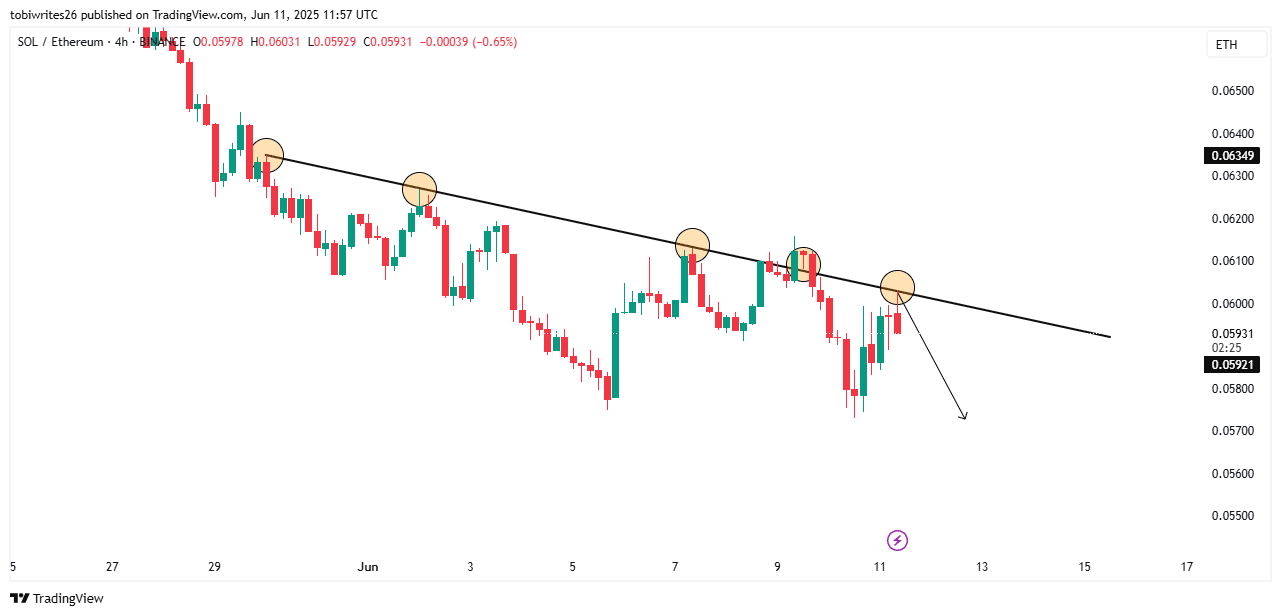
每当这种阻力位引发回调时,都表明买家正在将手中的 SOL 换成 ETH。最后,图表显示,这种流动性吸引力可能才刚刚开始。

Trending Cryptos

Related Reads

Why Is No One Buying DeFi Insurance?

"Why DeFi Insurance Remains Unpurchased" explores the paradox of decentralized finance insurance. While DeFi insurance promises automatic, unbiased payouts via smart contracts—eliminating traditional insurers' denial practices—it struggles to attract users. The core issue is economic viability. Premiums are prohibitively high relative to the yields from DeFi protocols. For example, insuring a deposit on Aave or Maple Finance can consume most or even all of the annual yield, leaving returns comparable to or worse than traditional savings. Only the safest protocols, like MakerDAO, offer affordable premiums. Furthermore, the DeFi insurance model is structurally fragile. Unlike traditional insurance where risks are uncorrelated, DeFi risks are highly interconnected (e.g., oracle failures, bridge hacks). A single major exploit can simultaneously threaten multiple protocols, potentially bankrupting the entire insurance pool, which holds only millions against billions in total value locked. The governance model also creates a conflict of interest. In platforms like Nexus Mutual, token holders who vote on claims risk their own capital if payouts are approved, incentivizing denials. Consequently, the market is tiny and shrinking. Nexus Mutual dominates with $81.56 million in assets, but the industry lacks the capacity to cover a catastrophic event like the $292M Kelp DAO hack. Other providers have dwindled or shut down. The article concludes that DeFi insurance faces a "tragedy of the commons": its stability requires widespread adoption, but individual users have no incentive to pay for it, as premiums destroy their yields. Current solutions involve preventative measures like bug bounties and seeking external capital from traditional reinsurance, acknowledging that on-chain capital alone is insufficient to cover on-chain risks.

marsbit3h ago

Why Is No One Buying DeFi Insurance?

marsbit3h ago

Trading

Spot

Hot Articles

Discussions

Welcome to the HTX Community. Here, you can stay informed about the latest platform developments and gain access to professional market insights. Users' opinions on the price of ETH (ETH) are presented below.

活动图片