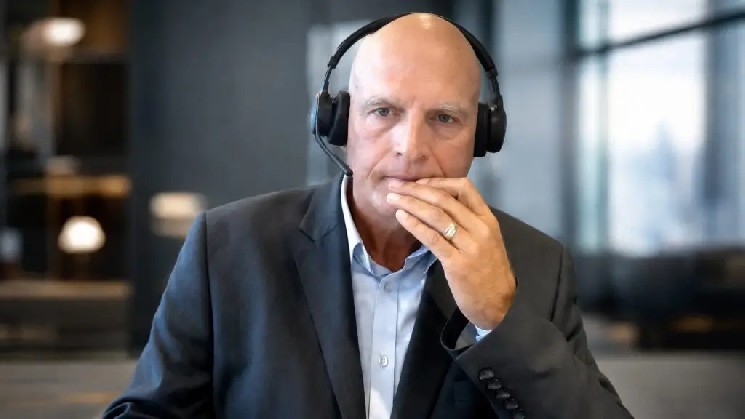
ЕСПЧ — последняя надежда найти жесткий диск с 8 000 биткоинов на британской свалке»

cryptonews.ru2021-04-17 tarihinde yayınlandı2025-03-17 tarihinde güncellendi

Британский суд отклонил апелляцию человека, который уже много лет пытается получить разрешение на поиск жесткого диска с ключами от 8 000 биткоинов на городской свалке. Теперь он планирует обратиться в международный суд по правам человека.

Джеймс Хауэллс (James Howells) сообщил в своем посте 14 марта, что его заявка на апелляцию была отклонена Королевским апелляционным судом. «Великая британская система несправедливости наносит новый удар. Государство всегда защищает государство», — написал ранний пользователь биткоина, добавив, что его «следующая остановка» — Европейский суд по правам человека (ЕКПЧ).

Судья Королевского апелляционного суда Кристофер Нуги (Christopher Nugee) 13 марта отклонил заявление Хауэллса, заявив, что не было «реальных перспектив успеха» и «никаких других убедительных причин» для его рассмотрения.

«Последний юридический вариант»

Решение Нуги последовало за более ранним отказом от 9 января от судьи Высокого суда Эндрю Кейзера (Andrew Keyser), который аналогично заявил, что нет «реалистичных перспектив» успеха дела Хауэллса при полном судебном разбирательстве.

В письме изданию Cointelegraph Хауэллс сказал, что его «последний юридический вариант» — обращение в ЕСПЧ, где он будет утверждать, что Высокий суд Великобритании и Апелляционный суд нарушили его право на собственность и право на справедливое судебное разбирательство согласно статье 1 Протокола 1 и статье 6 Европейской конвенции по правам человека (ЕКПЧ).

«Британский истеблишмент хочет замести это дело под ковер, а я им этого не позволю. Эта история не исчезнет — независимо от того, сколько времени потребуется!»

ЕСПЧ не может отменить решение британского суда, однако вердикт в пользу Хауэллса призвал бы британские суды рассмотреть вопрос о том, были ли их законы интерпретированы совместимо с положениями ЕКПЧ.

В отдельном заявлении, Хауэллс сказал, что подаст иск в ЕСПЧ в «ближайшие недели».

Юный майнер

Джеймс Хауэллс увлекался компьютерами с детства — он собирает их с 13 лет. В декабре 2008 года, когда стало известно о создании биткоина, Джеймс загрузил его техническую документацию, но прочитал лишь в январе. Разобравшись во всех тонкостях майнинга первой криптовалюты, Хауэллс начал майнить биткоины.

Джеймс Хауэллс прекрасно помнит день, когда начал майнить биткоины на своем компьютере — это произошло 15 февраля 2009 года. Эксперты считают, что он входит в первую пятерку майнеров. В эту же первую пятерку наверняка входит и создатель биткоина Сатоши Накамото. Хауэллс запускал майнинг перед тем, как лечь спать, а утром просыпался владельцем от 400 до 800 новых биткоинов. С утра до вечера он обычно не майнил, так как использовал вычислительные мощности компьютера по назначению. Однажды Хауэллс долго валялся в постели и остановил майнинг только в середине дня. В тот день он добыл рекордные 1200 биткоинов.

Так продолжалось два месяца и в общей сложности юноша добыл 8000 биткоинов. Он подсчитал, что если бы продолжил заниматься майнингом до конца 2099 года, то на его кошельке собралось бы полмиллиона биткоинов.

Биткоины на помойке

Следующие несколько лет Хауэллс вспоминал о биткоинах крайне редко. В октябре 2013 года ему попалась на глаза статья об одном жителе Осло, который майнил биткоины, когда они стоили еще $10. В 2013 году купил на них роскошный пентхаус. За пару лет до этого Хауэллс пролил на компьютер, на котором добывал биткоины, лимонад, поэтому он отсоединил жесткий диск и положил в ящик стола.

Во время уборки в своем кабинете Хауэллс сложил в черный пакет старые кабели, клавиатуры и прочие ненужные детали, чтобы выбросить их в мусорный ящик. Был среди них и маленький жесткий диск, он был настолько маленьким, что его было бессмысленно хранить и некуда было подключить.

Хауэллс попросил свою девушку выбросить мусор, но получил отказ. Тогда он решил утром сделать все сам, а перед этим обязательно убедиться, что выбрасывает ненужный диск. Однако утром пакета с ненужными деталями дома уже не было. Девушка все же решила выбросить мусор сама.

Конечно же Хауэллс положил в пакет не тот диск. Он занялся разработкой плана поиска потерянных биткоинов. Закон разрешает поиски на свалках металлов, но только с разрешения природоохранного ведомства и городского совета. Однако городской совет Ньюпорта решительно воспротивился его планам разворошить городскую свалку.

За разрешение на поиски Джеймс Хауэллс обещал выделить солидную сумму на образовательные и благотворительные проекты, разработал программу по превращению Ньюпорта в мировой центр криптовалют и был готов выдать каждому из 160 тысяч ньюпортовцев, включая стариков и грудных детей, 50 фунтов. Он обещал природоохранному ведомству профинансировать строительство гидроэлектростанции для Ньюпорта и даже предлагал выкупить свалку по очень высокой цене, но все было напрасно. Не помогла и «тяжелая артиллерия». В надежде сломить упрямство городского совета он обратился за помощью к Ричарду Хаммонду, бывшему ведущему популярной телепередачи Top Gear. Хаммонд снял 12-минутный документальный фильм о Джеймсе и в июле прошлого года выложил его на YouTube. Все это не помогло получить доступ к свалке.

Многолетние отказы

Судебные иски последовали после неоднократных отказов со стороны городского совета Ньюпорта, который не разрешал Хауэллсу проводить поиски на свалке Docksway.

8 000 биткоинов Хауэллса стоят около $660 млн по текущим ценам, и время играет против Хауэллса, поскольку свалка Docksway, по сообщениям, должна быть закрыта в ближайшие пару лет.


İlgili Okumalar

Stablecoins Finally Find Real Yield: An In-Depth Look at On-Chain Reinsurance Re | A Conversation with Re Founder Karan Saroya

Stablecoin Real Yield Found: A Deep Dive into On-Chain Reinsurance with Re's Karan Saroya As stablecoin supply exceeds $170 billion, the search for sustainable, non-speculative yield intensifies. Re, an on-chain reinsurance platform, provides an answer: connecting stablecoin capital to the trillion-dollar traditional reinsurance market. Re operates as a regulated reinsurer, accepting stablecoin deposits as collateral to back US insurance companies. These insurers pay premiums, generating yield that flows back to on-chain depositors. Currently supporting 35 insurers and underwriting $500 million, Re projects scaling to over $1 billion soon. Key insights from a Bankless podcast with founder Karan Saroya and investor Avichal of Electric Capital: 1. **Uncorrelated, Real-World Yield:** Re offers stablecoin holders access to reinsurance returns (targeting 12-14%+), an asset class entirely separate from crypto or equity markets. 2. **Operational Efficiency via Smart Contracts:** Re replaces traditional, labor-intensive capital fundraising with smart contracts, allowing a ~12-person team to compete with industry giants. 3. **Regulatory Leverage:** For every $1 of collateral, regulations allow backing $5-7 in written premiums. This leverage amplifies returns from the underlying risk-free rate. 4. **DeFi Integration:** Depositors receive receipt tokens, which can be used in protocols like Morpho for "looping," potentially pushing yields to 18-20%+. 5. **The "DeFi Mullet" Model:** A compliant front-end (regulated reinsurer) paired with a decentralized back-end (smart contracts, DeFi capital markets). 6. **RE Governance Token:** Modeled on Lloyd's of London, the token governs the central capital pool's allocation, counterparty acceptance, and parameters. 7. **Real Economic Impact:** Capital funds real-world productivity (factories, clinics, businesses) via insurance, moving beyond crypto's internal loops. The discussion highlights a pivotal moment: DeFi's supply-side infrastructure is now met by real demand for productive yield, potentially kickstarting a flywheel where vast on-chain stablecoin capital seeks these real-world returns.

链捕手36 dk önce

Stablecoins Finally Find Real Yield: An In-Depth Look at On-Chain Reinsurance Re | A Conversation with Re Founder Karan Saroya

链捕手36 dk önce

1996 or 1999? Walsh's First Test is 'How to View AI'

"1996 or 1999? Wall's First Big Test Is 'How to View AI'" Federal Reserve Chairman Wall's initial challenge is not whether to raise or cut rates, but a more fundamental judgment: what kind of boom is the current AI boom? This will determine the Fed's policy path and define his legacy. Economics is split between two opposing views, according to reporter Nick Timiraos. One sees imminent productivity gains that will increase supply and cool inflation, allowing the Fed to hold steady. The other argues that while productivity benefits are distant, demand shocks are here now, and waiting for data confirmation risks missing the intervention window, forcing sharper rate hikes later. Wall has signaled a leaning toward the first view, echoing 1996-era Alan Greenspan, who embraced strong, productivity-driven growth without fear of inflation. However, Wall faces a different macro environment than Greenspan did, with tariff pressures, expanding fiscal deficits, and diminishing globalization benefits, which could force more significant inflation pressures even if AI benefits materialize. Wall's logic, expressed before taking office, is that AI-driven productivity gains won't show in official data for years. If the Fed waits for confirmation, it might mistakenly tighten policy and choke off the very growth that could suppress inflation. This argues for using forward-looking narratives over lagging data. Chicago Fed President Austan Goolsbee presents a key counter-argument. He distinguishes between expected and unexpected productivity booms. A widely anticipated boom, like the current AI wave, can cause people to spend future wealth gains in advance, overheating the economy before productivity actually rises, thus requiring preemptive rate hikes. He cites rising costs for AI data centers as evidence of such overheating. Fed Governor Christopher Waller offers a rebuttal to Goolsbee, noting the "expected spending" mechanism only works if people can borrow against future income, which many households cannot do due to borrowing constraints. Wall also faces a paradox related to his desire to reduce the Fed's use of "forward guidance" (pre-announcing policy moves). This practice was established in 1999 when Greenspan began signaling hikes to avoid market shocks. If the economy follows a less optimistic path, Wall may be forced to choose between using the guidance he wants to abolish or risking market volatility by staying silent. The ultimate question defining Wall's first major test remains: Is this 1996 or 1999?

marsbit1 saat önce

1996 or 1999? Walsh's First Test is 'How to View AI'

marsbit1 saat önce

Ethereum Q1 2026 Report: Fees Decline, Users and Transaction Volume Hit New Highs

Ethereum Q1 2026 Report: Fees Down, Users & Transactions Hit New Highs Token Terminal's Q1 2026 report on Ethereum presents a pivotal development: the network achieved record highs in monthly active users (13.2M, +85.9% YoY), total transactions (200.4M, +81.5% YoY), and throughput (25.78 TPS), while transaction fees on the mainnet plummeted by 47.9% quarter-over-quarter. This shift is attributed to the network's strategic move into a "low fees for scale" phase, exemplified by the Fusaka upgrade which increased data capacity and lowered block space costs, releasing pent-up demand (a manifestation of Jevons's Paradox). The report highlights a core narrative shift for Ethereum: from a DeFi-centric blockchain to a global financial settlement layer. It maintains a dominant position in tokenized assets, holding majority market shares among top chains in stablecoins (61.8%), tokenized funds (73.0%), and tokenized commodities (84.0%). Growth in tokenized funds (+73.1% YoY) and commodities (+325.9% YoY) was particularly strong, driven by institutions like BlackRock and JPMorgan entering the space. Contrasting these usage gains, several USD-denominated value metrics declined in Q1: fully diluted market cap fell 30.3% QoQ, total value locked (TVL) dropped 11.0%, and ecosystem transaction volume decreased 24.0%. The report interprets this as Ethereum prioritizing long-term network expansion and cementing its role as the default settlement layer for finance over short-term fee capture. The commentary from Etherealize argues that, much like the early internet, Ethereum's open, permissionless model is poised to win over closed alternatives as institutional tokenization accelerates.

marsbit3 saat önce

Ethereum Q1 2026 Report: Fees Decline, Users and Transaction Volume Hit New Highs

marsbit3 saat önce

He Just Raised 2.7 Billion, and Li Fei-Fei Also Invested

Pete Florence, a former senior research scientist at Google DeepMind and a key contributor to the Vision-Language-Action (VLA) model architecture, is deliberately distancing his startup, Generalist AI, from the trendy "world model" label. He argues that the industry should prioritize concrete goals over buzzwords. His goal is to create robots that can perform a vast range of unseen tasks with high speed and success rates, without needing task-specific training data. Recently, his company raised $400 million (¥2.7 billion) at a $2 billion valuation. Notable investors include NVIDIA's NVentures, Bezos Expeditions, NFDG, as well as Xiaomi co-founder Lin Bin, Zoom founder Eric Yuan, and renowned AI scientist Fei-Fei Li. Florence's approach stems from his academic background at MIT under Professor Russ Tedrake, focusing on understanding the physical world. After joining DeepMind, he developed models like Transporter Network and co-created the VLA framework. He left in 2025 to found Generalist AI. The company has launched two models: GEN-0, which demonstrated that scaling laws apply to physical motion, and GEN-1. GEN-1 was trained on over 500,000 hours of physical interaction data collected via a specialized wearable device. It achieves a 99% success rate on precise mechanical tasks like folding boxes and maintains performance three times faster than its predecessor. Florence believes GEN-1 is reaching a commercial utility threshold similar to the GPT-3 inflection point. The substantial funding round, following GEN-1's release, signifies strong investor confidence in Generalist AI's practical, goal-driven path to creating versatile, useful robots, regardless of the "world model" terminology.

marsbit3 saat önce

He Just Raised 2.7 Billion, and Li Fei-Fei Also Invested

marsbit3 saat önce

İşlemler

Spot
Futures
活动图片