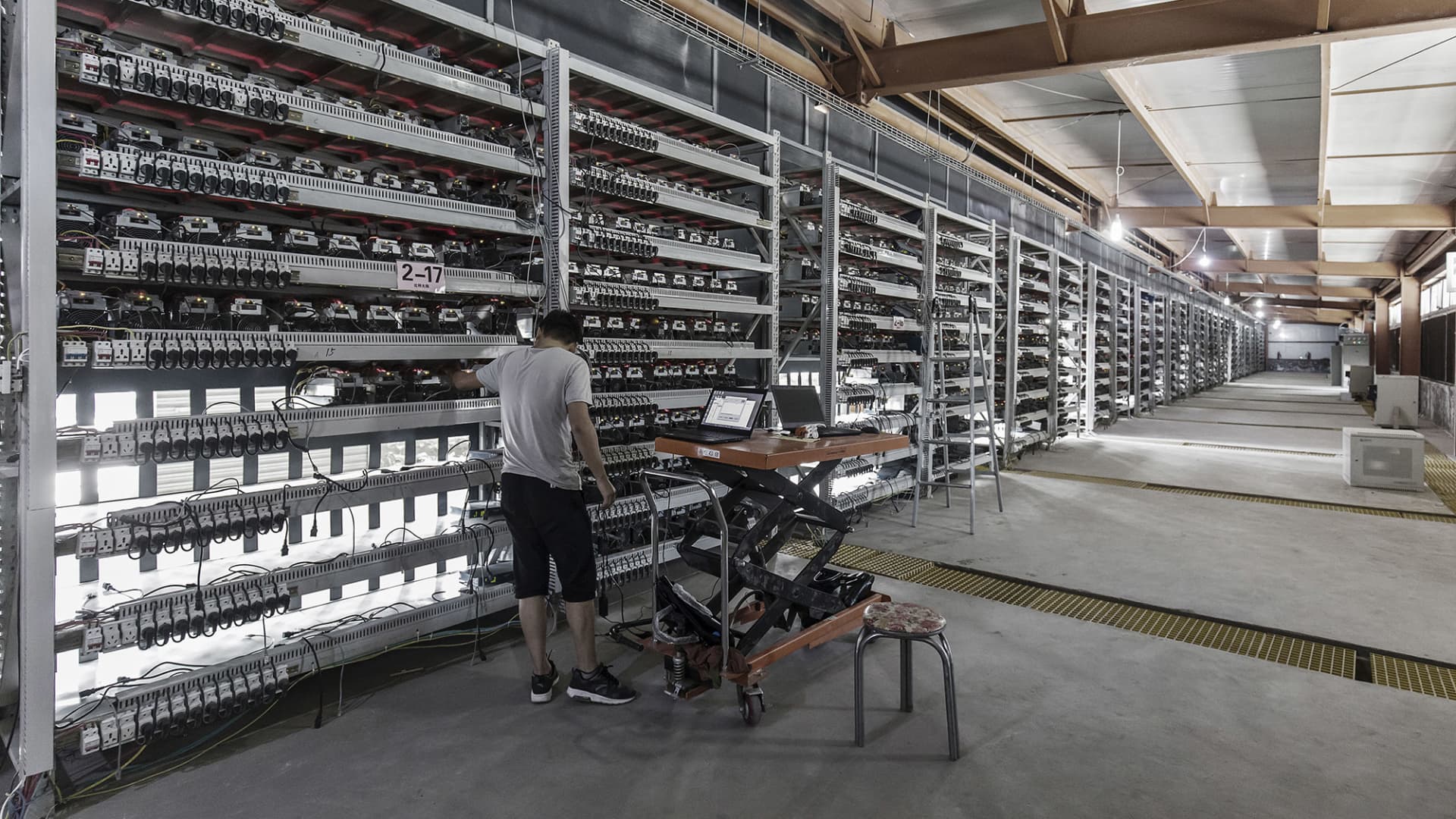
链上数据解读:从RPC看四大公链谁能提供赚钱效应

Odaily星球日报Published on 2025-02-17Last updated on 2026-07-07

Abstract

从筹码结构的稳定性上看,BTC 要远好于其他主流币,而ETH 是目前唯一个让持币 12 个月的投资者还平均处于亏损状态的主流币。

原文作者:Murphy,链上数据分析师
——不比不知道,一比吓一跳


Realized Price(RPC)是链上数据中经常用到的一个概念。在理解 RPC 之前需要先了解已实现市值(Realized Cap,简称 RC)。RC 是按所有上一次移动时代币的价格进行估值的总和。


RC 排除了已丢失或长期不流通等干扰因素,更能反映了整个区块链网络中储存的真实价值;


用 RC 除以当前所有流通供应量就得到 RPC。当卖出(移动)代币的价位越高,说明后续承接资金越充足,反之亦然。也就是说,只有真金白银的不断在高位买入才能使 RPC 变高,因此它也是观察资本流向最直接的依据。


同时 RPC 也被视为平均换手成本,每当出现回调时,RPC 都能起到重要的支撑作用。而一旦价格低于 RPC,意味着平均处于亏损状态。此时资产价格被「低估」,当性价比出现,就会吸引更多的抄底资金,慢慢便形成了底部区间。
BTC


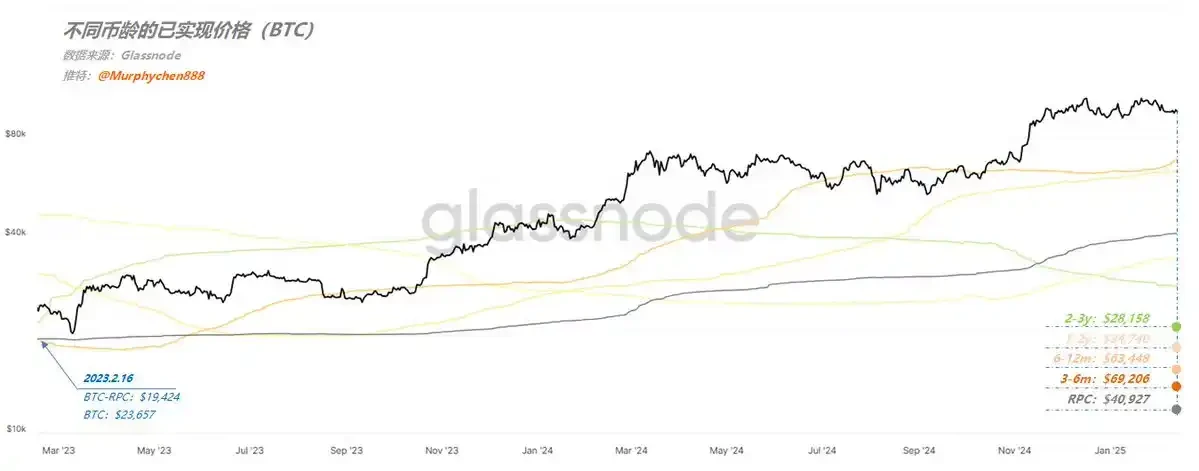
图 1 是 BTC 的不同币龄(持币时间)的 RPC 数据。可以看到在 4 个长期持有者(LTH)群体中,时间越长平均成本越低。3-6 个月(3-6 m)的成本是$ 69, 200 ;2-3 年(2-3 y)的成本是$ 28, 158 ;也就是,即便哪天熊市 BTC 跌回 3 w 美元,这些 LTH 群体还是赚钱的。
链上数据解读:从RPC看四大公链当前性价比


(图 1)


截止到 2 月 13 日,BTC 的 RPC 是$ 40, 927 ,按当前价格$ 96, 600 算,投资者平均还有 136% 的浮盈,持仓体验极佳!因此,每当 BTC 价格出现波动时,恐慌性抛压都不大,也不会引发连锁反应,这也是本轮周期 BTC「跌不深」的一个原因。这么低的 RPC,显然也无法作为牛市周期回调支撑的参考价位,但却可以作为熊市周期底部阶段的判断标准。


在 2023.2.16 BTC 的 RPC 是$ 19, 424 , 2 年时间增长 210% ;同期 BTC 价格从$ 23, 600 到$ 96, 600 ,增长 409% 。价格的增幅远高于吸收资本的增幅,说明除了资本 BTC 还吸引了更多的主流情绪价值(市场关注度高)。


SOL


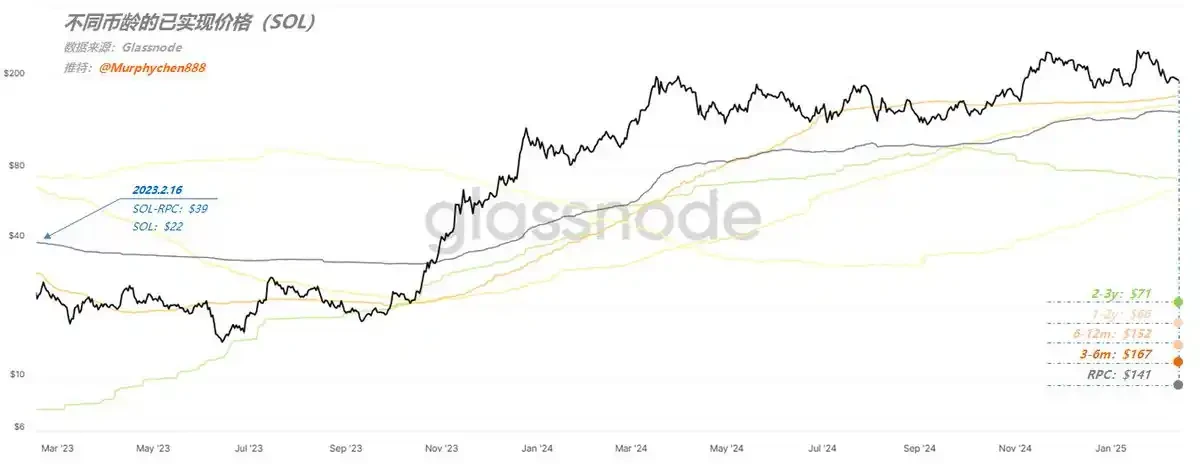
图 2 是 SOL 的不同币龄的 RPC 数据。在近 2 年内 SOL 投资者的持仓体验也非常好。可以看到所有长期持币群体的平均成本都要低于当前 SOL 价格。3-6 m 的成本是$ 167 , 2-3 y 成本是$ 71 ;
链上数据解读:从RPC看四大公链当前性价比


(图 2)


截止到 2 月 13 日,SOL 的 RPC 是$ 141 ;按当前价格$ 194 算,投资者平均还有 37% 的浮盈。从这一点看,SOL 筹码结构的稳定性远不如 BTC。但反过来说,$ 141 也是一个非常强的支撑位。只要牛市共识还在,越接近这条线卖压越小,抄底情绪越强。


在 2023.2.16 SOL 的 RPC 是$ 39 ,是当时唯一一个现货价格低于 RPC 的主流币。换言之,此时的 SOL 是几个主流币中最被低估的,性价比最高。经过 2 年时间,RPC 增长 361% ;同期 SOL 价格从$ 22 到$ 195 ,增长 886% 。同样也是价格的增幅远高于吸收资本的增幅(比 BTC 更好),说明在本轮周期 SOL 也具备了极高的市场关注度。


BNB


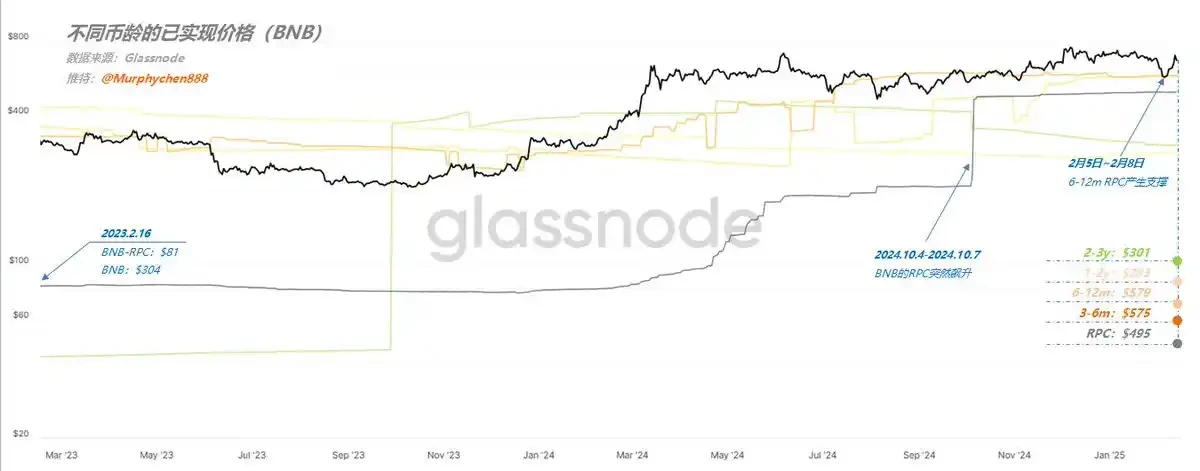
图 3 是 BNB 的不同币龄的 RPC 数据。作为 Binance 和 BNB Chain 唯一赋能的代币,也配得上「主流」二字。因此我们也来看下它的数据表现。
链上数据解读:从RPC看四大公链当前性价比


(图 3)
3-6 m 的成本是$ 575 , 2-3 y 成本是$ 301 ;同样的,所有长期持币群体的平均成本都要低于当前 BNB 的价格。其中有个细节,在 2 月 5 日~ 2 月 8 日这几天时间里,BNB 价格跌至$ 570 左右正好在 6-12 m 的 RPC 线产生了支撑,随后开始反弹。


截止到 2 月 13 日,BNB 的 RPC 是$ 495 ;按当前价格$ 665 算,投资者平均还有 34% 的浮盈。但我们可以发现 2024.10.4-2024.10.7 期间,BNB 的 RPC 突然从$ 206 飙升到$ 463 。


这个数据非常诡异,在其他筹码比较分散的主流币上非常少见。也从侧面反映了 BNB 筹码分布的特殊性。只有达到一定流通占比的巨量筹码突然在高位发生移动,才会导致 RPC 的异常。因此,目前的 RPC $ 495 是否能产生支撑作用,暂不好评估(数据有可能被干扰)。


在 2023.2.16 BNB 的 RPC 是$ 81 ,这远低于当时 BNB 的现货价格$ 304 ;因此在当时的性价比上不如 SOL,也不如 BTC。但如果把持有 BNB 能获得 Launchpool、Megadrop、HODLer 等收益也一起算进来,那又另当别论了。


ETH


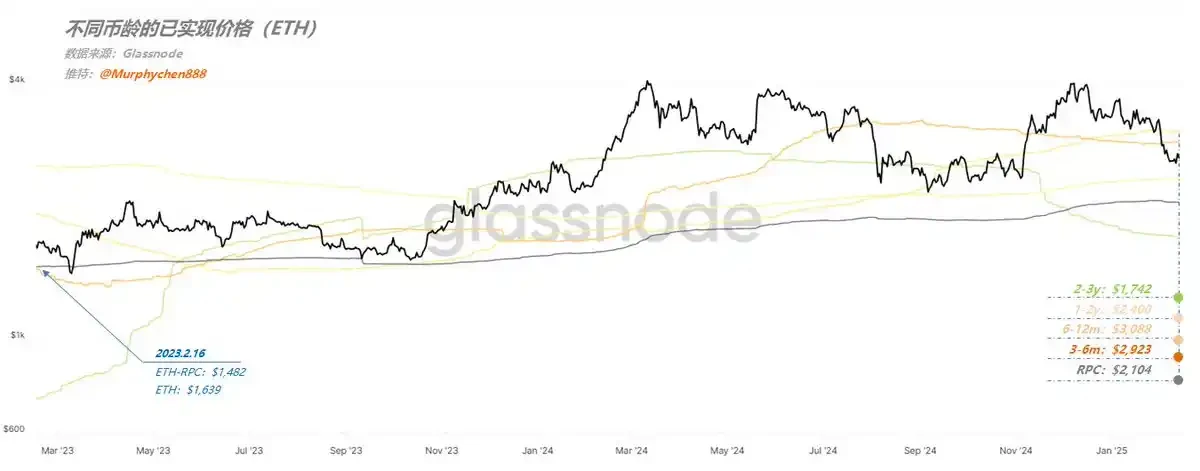
图 4 是 ETH 的不同币龄的 RPC 数据。我为什么把 ETH 的数据放在最后,因为和以上 3 个相比数据表现最不理想。
链上数据解读:从RPC看四大公链当前性价比


(图 4)
3-6 m 的成本是$ 2, 923 , 6-12 m 的成本是$ 3, 088 ;也就是说,ETH 是目前唯一个让持币 12 个月的投资者还平均处于亏损状态的主流币。


截止到 2 月 13 日,ETH 的 RPC 是$ 2, 104 ,这也正好是 2 月 3 日暴跌插针的最低点(产生了强支撑)。按当前价格$ 2, 700 算,投资者平均只有 24% 的浮盈。这个比例比 SOL 和 BNB 都低,更是远低于 BTC。


在 2023.2.16 ETH 的 RPC 是$ 1, 482 ;2 年时间增长 142% ;同期 ETH 价格从$ 1, 639 到$ 2, 700 ,增长 164% 。价格的增幅与吸收资本的增幅几乎相同,说明在本轮周期 ETH 最不具备情绪价值。或者说相比于 BTC 和 SOL,市场给于的期望值最低。


总结


1、从筹码结构的稳定性上看,BTC 要远好于其他主流币。长期持币群体目前平均还有 136% 的浮盈。而 SOL 和 BNB 差不多,分别是 37% 和 34% ;ETH 最低,只有 24% 。也就是说当前 ETH 的现货价格最接近平均换手成本,ETH 持有者的持仓体验最差,一旦价格跌破这个支撑,容易引发连锁反应。


2、从近 2 年内的价格增幅与吸收资本的增幅对比来看,BTC 和 SOL 更受到情绪的热捧,或者说被寄予更高的期望。


3、由于 BNB 的 RPC 数据在 2024.10 产生异常,因此当前的 RPC 无法判断是否被干扰。如果没有,那么当前 BNB 的持有者持仓体验也非常不错。同时,持有 BNB 每月能获得额外的挖矿或空投收益,这也是加分项。


4、最后是 ETH..... 我应该如何评价 ETH 呢?作为唯二通过 ETF 的加密资产,它是优质的。但对以太坊基金会的种种表现却又不敢恭维。作为创始人的 Vitalik,毫无疑问他是一位天才开发者,但目前看未必是一位合格的领导者。


我的分享仅用于学习交流,不作为投资建议。

Trending Cryptos

Related Reads

Chain Gaming Giant YGG Capitulates, Losing $15 Billion in Value Over 5 Years

The leading blockchain gaming guild Yield Guild Games (YGG) is shutting down its publishing arm, YGG Play, announced on July 6th by its official account and co-founder Gabby Dizon. The platform and its supported games will be phased out by July 31st. While YGG Play successfully validated a market for casual, crypto-native mobile games—generating over $9M in total revenue, including $876,000 in Q1 2026—Dizon stated the closure was a market-driven decision. He cited insufficient liquidity and declining user confidence in the macroeconomic environment, making the business commercially unsustainable. Founded in 2020, YGG rose to prominence during the Play-to-Earn (P2E) boom, particularly with Axie Infinity, organizing players and managing assets. Its token price soared above $10 during the 2021 bull market. However, the 2022 crypto downturn exposed the fragility of P2E economic models. YGG attempted to pivot in 2025 with the YGG Play publishing initiative, focusing on short-session casual games. The shutdown reflects broader struggles in the Web3 gaming sector. An April 2026 report highlighted a "structural mismatch" between speculative financial designs and genuine player entertainment needs, leading to an estimated $15 billion in destroyed capital. The report noted that 93% of roughly 3,200 tracked blockchain game projects are now "functionally dead," with token prices down an average of 95% from 2022 peaks. YGG itself is now pivoting its strategy entirely towards the AI Data Economy, aiming to build B2B pipelines around gaming datasets.

Foresight News2m ago

Chain Gaming Giant YGG Capitulates, Losing $15 Billion in Value Over 5 Years

Foresight News2m ago

With Mining Profits Depressed, What Kind of Mining Companies Can Survive a Bear Market?

Mining Profitability Slumps: Which Miners Can Survive the Bear Market? A comprehensive Bitcoin miner stress indicator has recently hit a historically low "extreme stress" zone, aligning with the typical market cycle pattern where industry bottoms coincide with severe miner pressure. The current situation presents a direct survival test: if hashprice (daily USD revenue per PH/s of computing power) remains weak, only the most robust mining firms will endure. Hashprice, which incorporates block rewards, transaction fees, network difficulty, and BTC price, is the core metric for mining profitability. Despite Bitcoin's price holding above previous lows, profitability is shrinking due to rising difficulty and low fees. Recent data shows hashprice around $32-33/PH/s/day, with a significant divide: newer, energy-efficient rigs (<19 J/TH) generate ~$81 per megawatt, while older, inefficient models (25-38 J/TH) make only ~$43/MW. This gap is forcing inefficient operators to shut down. The industry has a self-correcting mechanism. As high-cost miners power down, the network's total computing power (hashrate) drops. This eventually triggers a downward adjustment in mining difficulty, increasing the rewards for remaining miners. Data from Q2 2026 shows the hashrate has already fallen by 5.8%, with an estimated 252 EH/s of inefficient mining capacity idled. Firms at risk of淘汰 (elimination) are those reliant on old hardware, high electricity costs, and significant debt. Survivors will likely be miners with newer equipment, low-cost power contracts, strong cash reserves, and flexible operations. A key trend is diversification into AI and high-performance computing (HPC) hosting, though this path is only viable for miners with the necessary infrastructure, capital, and clients. The miner stress indicator serves as a warning, not a precise timing tool for a market bottom. Key signals to watch are whether hashprice stabilizes above ~$30, difficulty continues to adjust downward, hashrate finds a floor, and miner Bitcoin selling subsides. The duration of this low-profitability period will act as a solvency test, determining which miners are positioned to survive and eventually benefit from the next cycle.

Foresight News31m ago

With Mining Profits Depressed, What Kind of Mining Companies Can Survive a Bear Market?

Foresight News31m ago

Blood Loss of $55 Million Selling 3,588 BTC, Strategy Becomes a Literal Scumbag

On July 6th, Strategy (formerly MicroStrategy) disclosed in an SEC filing that it sold 3,588 Bitcoin (BTC) between June 29th and July 5th for approximately $216 million, at an average price of ~$60,200. This marked the company's largest net sale since initiating its Bitcoin strategy in 2020 and its first institutionalized reduction of its core holding. The sale resulted in a realized loss of about $54.8 million, as the selling price was below its average cost basis of ~$75,476 per BTC. The proceeds were used to pay preferred stock dividends and replenish USD reserves. This move follows a new "Digital Credit Capital Framework" approved on June 29th, authorizing the sale of up to $1.25 billion in Bitcoin. The sale consumes roughly 17% of this authorized amount in its first week. Strategy's foundational narrative, built by founder Michael Saylor, was a commitment to "never sell" Bitcoin. The recent institutionalized selling framework and these substantial sales represent a significant shift from that original promise. While the amount sold is only 0.4% of Strategy's total holdings of 843,775 BTC, the action challenges the premium at which its stock (MSTR) trades relative to its Bitcoin holdings. Investors had priced in the "never sell" narrative. The company now faces a contradiction: it sells Bitcoin at a loss to pay dividends on the preferred stock it issued to fund Bitcoin purchases. Saylor has framed selling as a tool for future strategic purchases, but each sale erodes the credibility of the original commitment, potentially threatening the premium valuation of MSTR shares.

Foresight News1h ago

Blood Loss of $55 Million Selling 3,588 BTC, Strategy Becomes a Literal Scumbag

Foresight News1h ago

Trading

Spot

Hot Articles

What is $BITCOIN

DIGITAL GOLD ($BITCOIN): A Comprehensive Analysis Introduction to DIGITAL GOLD ($BITCOIN) DIGITAL GOLD ($BITCOIN) is a blockchain-based project operating on the Solana network, which aims to combine the characteristics of traditional precious metals with the innovation of decentralized technologies. While it shares a name with Bitcoin, often referred to as “digital gold” due to its perception as a store of value, DIGITAL GOLD is a separate token designed to create a unique ecosystem within the Web3 landscape. Its goal is to position itself as a viable alternative digital asset, although specifics regarding its applications and functionalities are still developing. What is DIGITAL GOLD ($BITCOIN)? DIGITAL GOLD ($BITCOIN) is a cryptocurrency token explicitly designed for use on the Solana blockchain. In contrast to Bitcoin, which provides a widely recognized value storage role, this token appears to focus on broader applications and characteristics. Notable aspects include: Blockchain Infrastructure: The token is built on the Solana blockchain, known for its capacity to handle high-speed and low-cost transactions. Supply Dynamics: DIGITAL GOLD has a maximum supply capped at 100 quadrillion tokens (100P $BITCOIN), although details regarding its circulating supply are currently undisclosed. Utility: While precise functionalities are not explicitly outlined, there are indications that the token could be utilized for various applications, potentially involving decentralized applications (dApps) or asset tokenization strategies. Who is the Creator of DIGITAL GOLD ($BITCOIN)? At present, the identity of the creators and development team behind DIGITAL GOLD ($BITCOIN) remains unknown. This situation is typical among many innovative projects within the blockchain space, particularly those aligning with decentralized finance and meme coin phenomena. While such anonymity may foster a community-driven culture, it intensifies concerns about governance and accountability. Who are the Investors of DIGITAL GOLD ($BITCOIN)? The available information indicates that DIGITAL GOLD ($BITCOIN) does not have any known institutional backers or prominent venture capital investments. The project seems to operate on a peer-to-peer model focused on community support and adoption rather than traditional funding routes. Its activity and liquidity are primarily situated on decentralized exchanges (DEXs), such as PumpSwap, rather than established centralized trading platforms, further highlighting its grassroots approach. How DIGITAL GOLD ($BITCOIN) Works The operational mechanics of DIGITAL GOLD ($BITCOIN) can be elaborated on based on its blockchain design and network attributes: Consensus Mechanism: By leveraging Solana’s unique proof-of-history (PoH) combined with a proof-of-stake (PoS) model, the project ensures efficient transaction validation contributing to the network's high performance. Tokenomics: While specific deflationary mechanisms have not been extensively detailed, the vast maximum token supply implies that it may cater to microtransactions or niche use cases that are still to be defined. Interoperability: There exists the potential for integration with Solana’s broader ecosystem, including various decentralized finance (DeFi) platforms. However, the details regarding specific integrations remain unspecified. Timeline of Key Events Here is a timeline that highlights significant milestones concerning DIGITAL GOLD ($BITCOIN): 2023: The initial deployment of the token occurs on the Solana blockchain, marked by its contract address. 2024: DIGITAL GOLD gains visibility as it becomes available for trading on decentralized exchanges like PumpSwap, allowing users to trade it against SOL. 2025: The project witnesses sporadic trading activity and potential interest in community-led engagements, although no noteworthy partnerships or technical advancements have been documented as of yet. Critical Analysis Strengths Scalability: The underlying Solana infrastructure supports high transaction volumes, which could enhance the utility of $BITCOIN in various transaction scenarios. Accessibility: The potential low trading price per token could attract retail investors, facilitating wider participation due to fractional ownership opportunities. Risks Lack of Transparency: The absence of publicly known backers, developers, or an audit process may yield skepticism regarding the project's sustainability and trustworthiness. Market Volatility: The trading activity is heavily reliant on speculative behavior, which can result in significant price volatility and uncertainty for investors. Conclusion DIGITAL GOLD ($BITCOIN) emerges as an intriguing yet ambiguous project within the rapidly evolving Solana ecosystem. While it attempts to leverage the “digital gold” narrative, its departure from Bitcoin's established role as a store of value underscores the need for a clearer differentiation of its intended utility and governance structure. Future acceptance and adoption will likely depend on addressing the current opacity and defining its operational and economic strategies more explicitly. Note: This report encompasses synthesised information available as of October 2023, and developments may have transpired beyond the research period.

655 Total ViewsPublished 2025.05.13Updated 2025.05.13

What is $BITCOIN

Discussions

Welcome to the HTX Community. Here, you can stay informed about the latest platform developments and gain access to professional market insights. Users' opinions on the price of BTC (BTC) are presented below.

活动图片