Stripe豪掷11亿美元收购Bridge,意欲何为?

Odaily星球日报Published on 2024-10-21Last updated on 2024-10-21

Abstract

在Bridge看来,稳定币将作为全球支付轨道运行,而Bridge将允许企业和开发者无缝集成稳定币支付,并支持法定货币和稳定币的便捷转移。

原文作者:Karen,Foresight News

本文最初发布于 2024 年 8 月 30 日,原文标题:《融资 5800 万,Bridge 如何构建 Web3 版 Stripe?》

10 月 21 日更新:据 TechCrunch 创始人 Michael Arrington 称,「支付巨头 Stripe 以 11 亿美元价格收购了稳定币平台 Bridge。「The Block 表示,「Bridge 是 Stripe 迄今为止最大的一笔收购,也是 Web3 史上最大的一笔收购。」 10 月份, Stripe 正式启动并支持 USDC 支付,接受来自 150 多个国家的稳定币支付,买家可以从以太坊、Solana 和 Polygon 链上支付 USDC。

本周,Bridge 宣布完成 5800 万美元融资,得到了包括 Sequoia Capital、Ribbit Capital、Index Ventures、Haun Ventures 及 1co nfirmation 等投资机构的支持。

事实上,Bridge 从开始构建至今已有两年多时间。Bridge 的两位联合创始人,均拥有在 Coinbase 及其他知名金融科技公司的深厚背景。其中, CEO Zach Abrams 曾在金融科技公司 Brex 担任首席产品官,在 Coinbase 担任过消费者主管,在 Square 担任过过总经理。CTO Sean Yu 曾在 Airbnb、Coinbase、Doordash 和 Square 担任过资深工程师或工程经理。

值得一提的是,据 Techcrunch 称,这两位创始人早在 2012 年便共同创立了 P2P 支付平台 Evenly,该平台致力于简化朋友之间的付款流程,以分摊账单和其他费用。次年,Evenly 被 Square 收购,进一步验证了他们在支付领域的创新能力和实力。

Bridge——Web3 版 Stripe

Bridge 可以被视为 Web3 版的 Stripe,通过简洁易用的 API 接口,帮助企业轻松跨越稳定币采用的门槛,使得稳定币转移与接收变得更加便捷和低成本。无论是集成稳定币支付、帮助企业发行自己的稳定币,还是实现跨境资金的高效转移,Bridge 都提供了全方位的支持与解决方案。

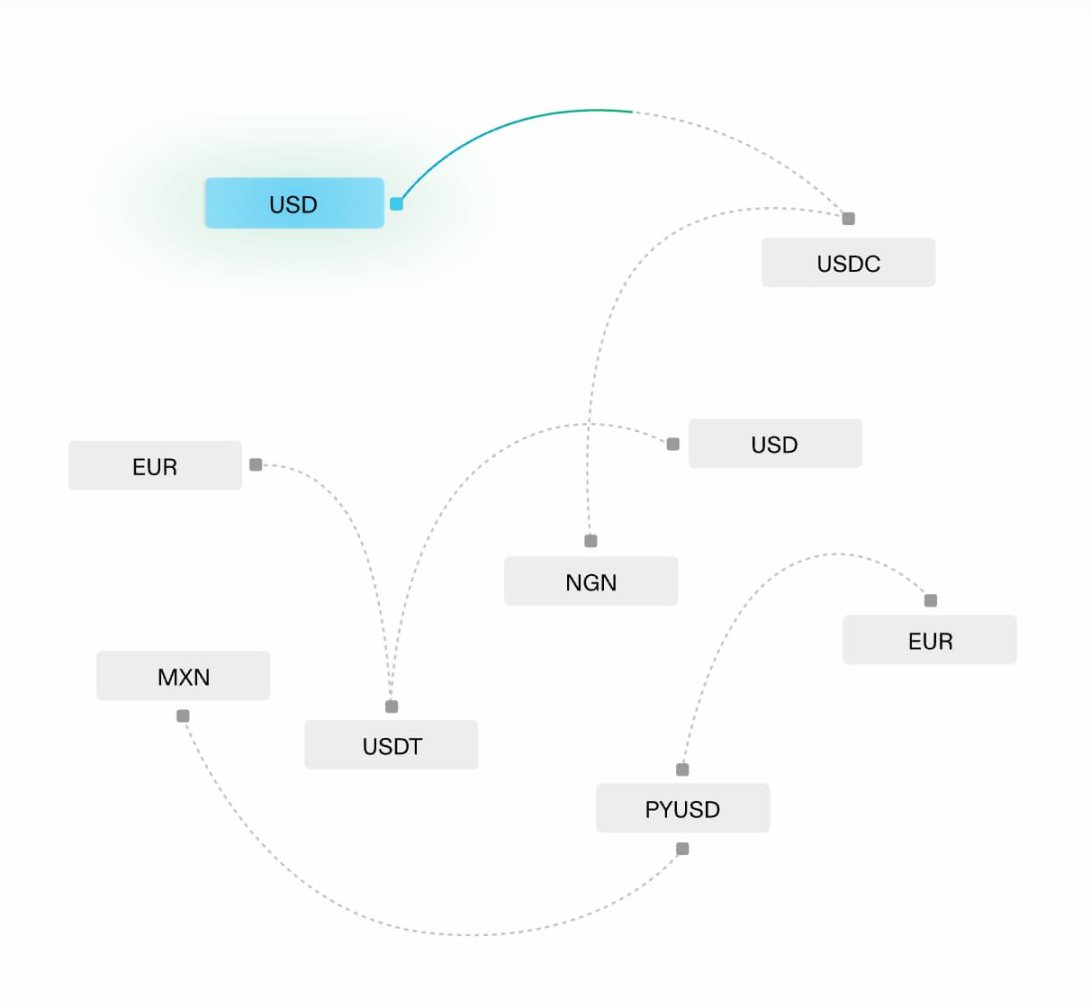
Bridge 的 Orchestration API 和发行 API,为企业与开发者带来了比较便捷的体验。前者帮助企业无缝集成稳定币支付,而 Bridge 负责处理所有监管、合规性和技术复杂性;后者则让企业能在几分钟内快速发行自己的稳定币,在接受美元、欧元、USDC、USDT 或任何其他稳定币的同时以公司自己稳定币结算资金,而储备金可以投资于美国国债来赚取收益。

Bridge 表示,使用其 API 可以在几分钟之内在全球范围内转移资金,无缝发送稳定币付款,将当地法定货币转为稳定币,并为全球消费者和企业提供美元和欧元账户,让客户能够以美元和欧元进行储蓄和支出。
Stripe豪掷11亿美元收购Bridge,意欲何为?

Bridge 已处理超过 50 亿美元年支付额

Bridge 已吸引了包括 SpaceX 在内的众多客户。据财富杂志称,SpaceX 使用 Bridge 在不同司法管辖区以不同货币收取款项,并通过稳定币将其转移到其全球财库。Bridge 还与区块链网络 Stellar 和比特币支付应用 Strike 等加密公司建立了合作关系,为他们自己的稳定币支付功能提供基础设施。此外,Coinbase 也采用了 Bridge 的服务,支持在 Tron 上的 Tether 和 Base 上的 USDC 之间进行传输。据统计,Bridge 已处理的年支付额已超过 50 亿美元。

@TTx 0x 透露,其在过去几周与 25 到 30 家加密支付公司进行了交谈,发现这些公司普遍都在使用或计划使用 Bridge 的服务。

在合规方面,Bridge 已在全球多地获得运营许可。财富杂志报道称,Bridge 目前拥有 48 个州的许可证和波兰的 VASP 许可证,并正在纽约、欧洲和其他地方申请进一步的许可证。据 Conviction 表示,在 Bridge 尚未合规的地区,他们通过建立合作关系来覆盖更广的服务范围,例如,与 Bitso 合作用于拉丁美洲的 B2B 支付。

展望未来,Bridge 能否引领稳定币支付领域的变革,为包括非洲在内的全球各地注入新的稳定币和法定货币资金流动活力与可能性,我们将保持密切关注并拭目以待。

参考:

https://d1x7dwosqaosdj.cloudfront.net/images/2024-10-21/6099b9ede350e10f09bfe0aa02128685

https://d1x7dwosqaosdj.cloudfront.net/images/2024-10-21/7175fa8451928ed2e13b7c7c403b7b9a
Related Reads

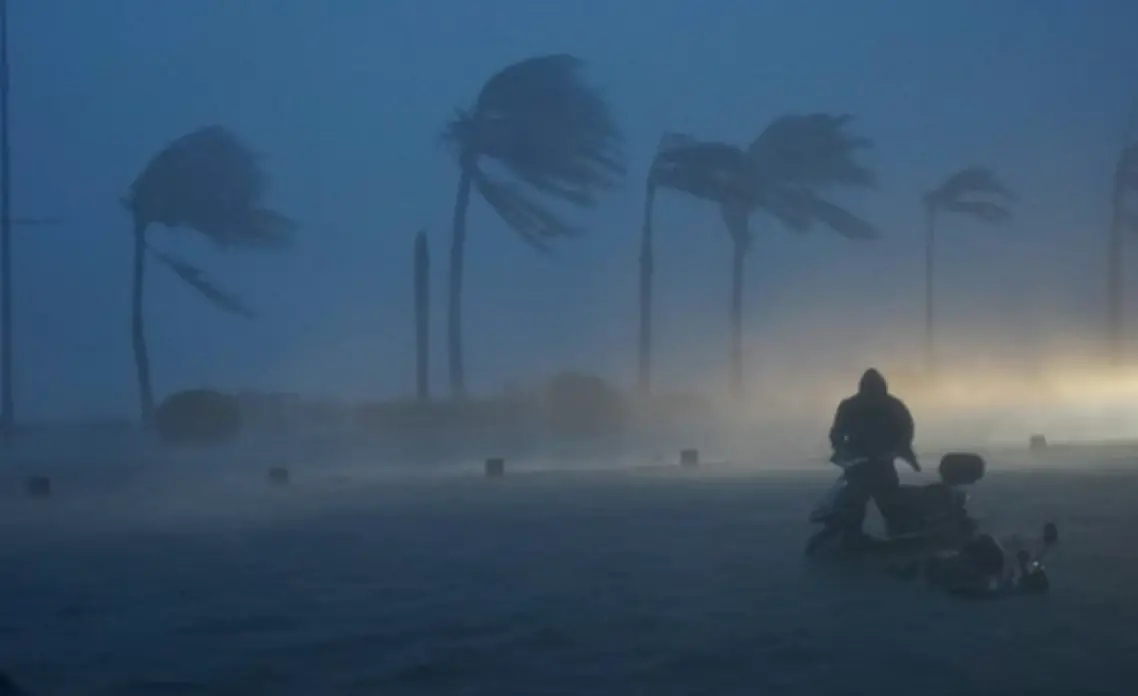
Pacific 'Fever': How Extreme Weather Becomes Wall Street's ATM?

"Pacific 'Fever': How Extreme Weather Becomes Wall Street's Piggy Bank" The article examines how the 2026-2027 El Niño, potentially the strongest since 1950, is not only disrupting global weather but also creating major financial opportunities. It links recent extreme events in China and worldwide to this climate phenomenon, which alters atmospheric patterns, increasing risks of floods, droughts, and heatwaves. The core narrative explores how financial markets capitalize on these disruptions. A hedge fund is raising $500 million specifically to bet on El Niño-affected crops like South African corn and Malaysian palm oil. Historically, such strategies have yielded massive profits. Examples include Richard Dennis ("Turtle Trader") making his first fortune in the 1970s soy boom triggered by El Niño's impact on Peruvian anchovies (a key fishmeal source), and Anthony Ward's cocoa empire built on superior weather intelligence. The 2024 cocoa price surge, driven by West African drought, enriched quantitative trend-following funds. Currently, markets are preemptively bidding up palm oil, rubber, and sugar futures based on anticipated future supply shocks, despite high current inventories. The article details El Niño's asymmetric global impacts: causing drought in Southeast Asia (hurting palm oil/rubber) and India (affecting sugar/cotton), but bringing beneficial rains to South American soy and sugarcane. Key metrics to watch include the Niño3.4 index, Indian monsoon data, and Malaysian palm oil stocks. The true price effects often materialize *after* the El Niño peaks, suggesting 2027 may see the real volatility. The conclusion warns that beyond trading gains, the convergence of El Niño, energy shortages, and fertilizer scarcity poses a systemic risk, potentially raising the cost of living for everyone, turning a climate event into a global economic story.

链捕手5m ago

Pacific 'Fever': How Extreme Weather Becomes Wall Street's ATM?

链捕手5m ago

Just Now, OpenAI's Chief Futurist Departed, Once Called a Jackass by Musk

Just now, OpenAI's Chief Futurist, Joshua Achiam, announced his departure from the company via X. Having joined as a 25-year-old intern in 2017, he spent nine years at OpenAI, evolving from an AI safety research scientist to leading the Mission Alignment team. Earlier this year, that team was dissolved, and Achiam transitioned to the newly created role of Chief Futurist, positioned at the intersection of AI safety and policy to study AGI's long-term risks and opportunities. In his departure statement, Achiam called his time a "graduation," reflecting on the immense progress from AI that couldn't converse to systems solving scientific problems. He expressed optimism about a future of peace, prosperity, and possibility, closing with "To safe AGI." His tenure was notably marked by a 2018 incident where he publicly challenged Elon Musk—then still with OpenAI—on safety compromises if Musk pursued AGI at Tesla, leading Musk to call him a "jackass." This became an internal legend, with colleagues later giving him a trophy inscribed, "To safety, never stop being that jackass." Achiam's exit follows a pattern of prominent safety and alignment experts leaving OpenAI, including Jan Leike and others who joined rivals like Anthropic or started non-profits. His departure coincides with OpenAI's internal efforts to more tightly integrate its research and policy teams, and the recent hiring of former White House AI advisor Dean Ball. Achiam did not cite a specific reason for leaving but indicated it was a long-considered decision, stating the mission to ensure AGI benefits humanity can now be advanced beyond the "frontier lab's" walls.

marsbit7m ago

Just Now, OpenAI's Chief Futurist Departed, Once Called a Jackass by Musk

marsbit7m ago

Anthropic Drops $19 Billion to 'Sponsor' a Bitcoin Miner

On July 6, 2026, Bitcoin mining company TeraWulf (NASDAQ: WULF) saw its stock surge 15% pre-market following the announcement of a landmark 20-year agreement with AI giant Anthropic. The deal grants Anthropic 401 MW of IT load capacity at TeraWulf's "Justified Data" campus in Kentucky and is projected to generate approximately $19 billion in contracted revenue for the miner over its duration. On the same day, TeraWulf also sold its 50.1% stake in a Texas joint venture for about $530 million. This dual move signals a strategic pivot: divesting non-core assets to fund its fully-owned Kentucky project and shifting focus from cryptocurrency mining to becoming a specialized infrastructure provider for AI. The agreement highlights a key advantage for Bitcoin miners transitioning to AI: their pre-existing access to land and critical power grid capacity, which is becoming a major bottleneck for data center expansion. Unlike peers who operate AI clouds, TeraWulf is adopting a "landlord" model, leasing only the physical space and power for clients' own servers. However, a significant gap exists between the deal's announcement and revenue generation, with the first phase of the Kentucky site not operational until late 2027. The $19 billion figure represents a long-term bet on both TeraWulf's execution and Anthropic's financial durability in the capital-intensive AI race. The market's positive reaction reflects the growing value of fundamental infrastructure—secured land and reliable electricity—in the era of AI compute scarcity.

marsbit11m ago

Anthropic Drops $19 Billion to 'Sponsor' a Bitcoin Miner

marsbit11m ago

Securitize Drops 40% in First Week of Trading as Tokenization Industry Enters Patent Wars

The article discusses the recent stock performance of Securitize (NYSE: SECZ) and a looming patent war in the tokenization industry. Securitize, a leading tokenization platform and transfer agent for BlackRock's BUIDL fund, debuted on the NYSE via a SPAC merger on July 2. After an initial rise, its stock plummeted nearly 40% within a week, closing at $8.06 on July 7. Analysts attribute the sharp decline largely to typical post-SPAC investor turnover and broader pressure on crypto-related stocks, rather than fundamental business deterioration. Concurrently, Securitize faces significant legal challenges. On June 15, infrastructure rival tZERO accused Securitize of patent infringement concerning its core DS Protocol and Vault Registrar products. Securitize preemptively filed a lawsuit on June 22 seeking a declaratory judgment of non-infringement. tZERO, holding 105 patents, has indicated it has identified at least six other market participants for potential infringement actions, signaling a broader industry-wide patent conflict. A separate lawsuit was also filed by Liquid Rarity Exchange. The article concludes that while Securitize's stock drop may be a temporary SPAC-related correction, the patent disputes initiated by tZERO represent a more profound, long-term risk for the entire tokenization sector, potentially shifting competitive dynamics from business execution to intellectual property litigation.

Foresight News40m ago

Securitize Drops 40% in First Week of Trading as Tokenization Industry Enters Patent Wars

Foresight News40m ago

Trading

Spot
活动图片