ZAN和Mysten Labs合作推进Web3基础设施开发

币界网Published on 2024-08-13Last updated on 2024-08-13

币界网报道:

[新闻稿-加利福尼亚州帕洛阿尔托,2024年8月13日]

蚂蚁数字科技旗下的web3技术品牌ZAN计划与Mysten Labs合作运行Sui RPC节点

Mysten Labs是一家web3基础设施公司,也是Sui区块链的原始贡献者,今天宣布与蚂蚁数字技术的技术品牌ZAN建立合作关系。

通过整合Sui,ZAN旨在加快其web3应用程序的开发和采用。此次合作将侧重于Mysten Labs在两个关键领域提供技术支持:KYC基础设施和RPC节点服务。ZAN将为基于Sui的项目提供KYC服务,为区块链提供必要的合规解决方案。ZAN还将正式为Sui推出RPC节点服务,增强区块链的可扩展性和亚太地区开发人员和用户的可访问性。

ZAN首席运营官Cobe Zhang表示:“我们很高兴与Mysten Labs建立合作关系。Sui是一家致力于技术和价值创造的明星公链,拥有丰富的生态系统和多样化的应用。同样,ZAN源于一个技术驱动的团队,我们致力于为Web3行业构建下一代技术基础设施。我们期待彼此之间进行更多的技术交流,共同促进整个行业的创新和发展。”。

Mysten Labs和ZAN将共同探索在支付、数据、数字身份等领域的构建机会,目标是提供有利于消费者、企业和当地社区的创新解决方案,以期发现和支持web3超级应用程序的机会。这两个组织都致力于营造一个协作环境,并期待在实现伙伴关系的里程碑时分享最新进展。

Mysten Labs首席产品官兼联合创始人Adeniyi Abiodun表示:“我们很高兴能与ZAN团队和更广泛的蚂蚁数字技术公司合作,将e-KYC解决方案推向市场。”。“此次合作标志着Sui和香港及亚太地区更广泛的web3生态系统的一个重要里程碑。通过结合我们的优势,我们可以加快创新应用程序的开发,造福数百万用户。”

关于隋

Sui是首个自下而上设计的第1层区块链和智能合约平台,旨在使数字资产所有权快速、私有、安全,并可供所有人使用。它的以对象为中心的模型基于Move编程语言,支持并行执行、亚秒级终结性和丰富的链上资产。凭借水平可扩展的处理和存储,Sui以无与伦比的速度和低成本支持各种应用程序。Sui是区块链的一个阶跃功能进步,也是创作者和开发人员可以在其上构建令人惊叹、用户友好的体验的平台。

了解更多:https://sui.io

关于Mysten实验室

Mysten Labs是一个由领先的分布式系统、编程语言和密码学专家组成的团队,其创始人是区块链项目的高级管理人员和首席架构师。Mysten Labs的使命是为web3创建基础架构。

了解更多:https://mystenlabs.com

关于ZAN

作为蚂蚁数字科技旗下Web3产品和服务的技术品牌,ZAN由AntChain Open Labs的TrustBase开源技术栈提供支持,为业务创新提供丰富可靠的服务,为Web3事业提供开发平台。ZAN产品系列包括ZAN eKYC、ZAN KYT、ZAN智能合约审查、ZAN节点服务,更多产品正在开发中。

了解更多:https://zan.top/

关于蚂蚁数字技术

蚂蚁数字技术是蚂蚁集团的数字技术子公司。蚂蚁数字科技继续推动数字技术的发展和应用,基于其在人工智能、隐私计算和安全技术方面的专业知识,推出了ZOLOZ、mPaaS和ZAN等领先产品。蚂蚁数字科技致力于与不同行业的合作伙伴合作,支持中小型金融机构进行数字化转型,使服务业的中小企业能够数字化运营,并促进跨行业的数字化协作。2023年,蚂蚁金服国际业务收入增长300%。

Related Reads

'Bear' Doomsday Prophecy: AI 'Reaching Its Peak', U.S. Stocks to Top Out Fastest in Q3, Down 30-50%

"A Short Seller's Dire Prediction: AI Boom Fading, US Stocks to Peak by Q3 with 30-50% Decline" Prominent macro investors Jeffrey Gundlach and Felix Zulauf warn that the AI-driven market rally is nearing its end, forecasting a major US stock market correction of 30-50%, potentially beginning as early as Q3. Their analysis points to alarming parallels with historical market tops, citing extreme concentration in the top AI-related stocks within the S&P 500. Zulauf's bearish thesis hinges on unsustainable capital expenditure trends among major cloud companies, negative free cash flow emergence, and soaring semiconductor prices. Gundlach highlights dangerous parallels to the 1999 tech bubble peak. A key divergence from conventional wisdom is Gundlach's view that long-term Treasury yields will not fall meaningfully even during a recession, due to America's structurally out-of-control fiscal deficits and soaring interest costs. He warns this could force the government into yield curve control or even a sovereign debt restructuring. Both investors express severe concerns about the opaque private credit market, drawing parallels to the pre-2008 financial crisis environment. They allege widespread rating inflation, misrepresented credit quality, liquidity illusions, and fraudulent asset valuations within this sector. The analysis links the AI boom and private credit crisis through financing costs. They argue that as AI companies' cash flows weaken and they seek funding, a high and sticky long-term interest rate environment will severely stress lower-rated corporate borrowers, exposing cracks in credit markets. Finally, they predict a regime shift where the US dollar weakens and US equities underperform global markets, marking the end of their long dominance. The stage is set for a significant market reversal.

marsbit5m ago

'Bear' Doomsday Prophecy: AI 'Reaching Its Peak', U.S. Stocks to Top Out Fastest in Q3, Down 30-50%

marsbit5m ago

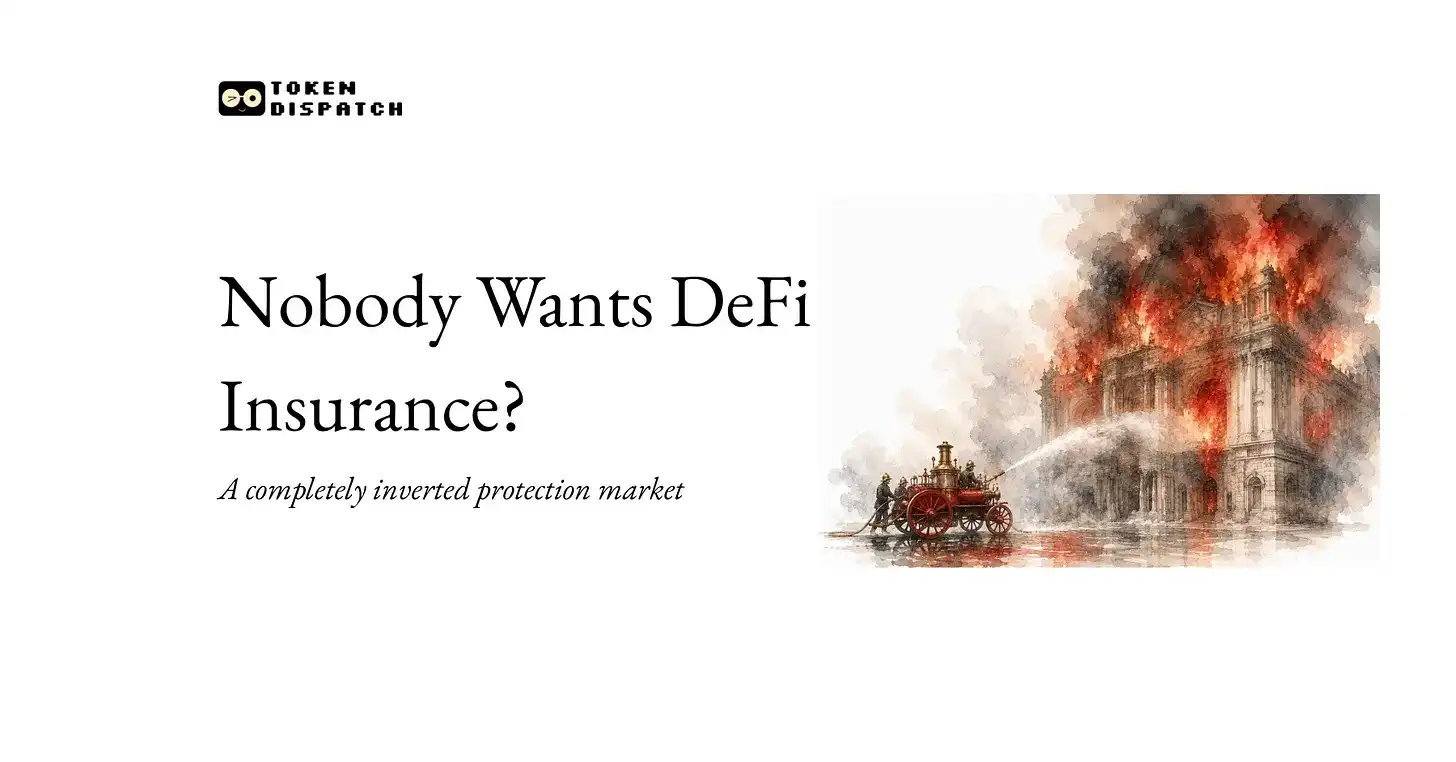
Why Does No One Buy DeFi Insurance?

**Title: Why Isn't DeFi Insurance Being Bought?** DeFi insurance, which promised automated, unbiased payouts via smart contracts, has failed to gain traction. The core issue is economic: high premiums severely erode the yields that attract users to DeFi in the first place. For example, insuring a USDC deposit on Aave V3 could cost 1.5–2.5% of the annual yield, leaving a net return barely above a savings account. For riskier platforms like Maple Finance or Ethena, premiums can even turn net yields negative. Consequently, users often forgo insurance, as it nullifies their profit motive. The market also suffers from structural flaws. First, DeFi risks are highly correlated (e.g., an oracle failure can impact multiple protocols simultaneously), unlike the independent risks in traditional insurance. This makes large-scale events potentially catastrophic for insurers. Second, the total capital in DeFi insurance pools (e.g., Nexus Mutual's ~$81.5M) is minuscule compared to the hundreds of billions in total value locked (TVL), creating a massive capacity gap. A single major hack could drain the entire industry's reserves. Furthermore, the governance model where tokenholders vote on claims creates a conflict of interest, incentivizing them to deny payouts to protect their own funds. As a result, the sector is shrinking. While pioneers like Nexus Mutual are pivoting to preventative measures (bug bounties) and seeking external capital via reinsurance, the fundamental problems remain. DeFi insurance represents a public good—its stability benefits the entire ecosystem—but without a mechanism to share costs, a "tragedy of the commons" ensues where no one is willing to pay, leaving the system vulnerable.

marsbit19m ago

Why Does No One Buy DeFi Insurance?

marsbit19m ago

Trading

Spot
Futures
活动图片