比特币仍然是一种价值储存手段吗?

币界网Published on 2024-08-05Last updated on 2024-08-05

币界网报道:
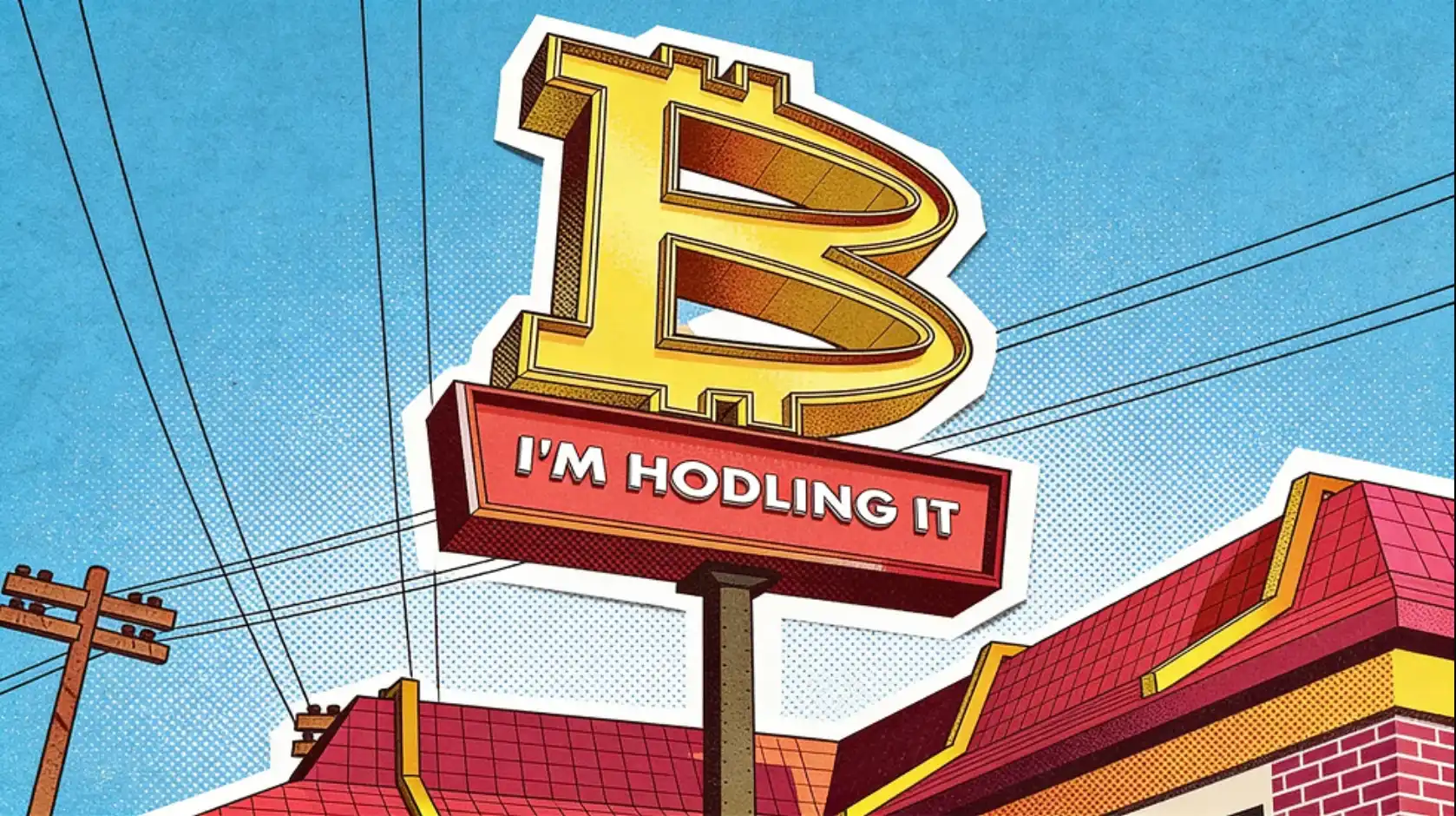
在这样的日子里,人们很容易嘲笑比特币(BTC),特别是声称原始加密货币是一种价值储存,相当于黄金的数字等价物。
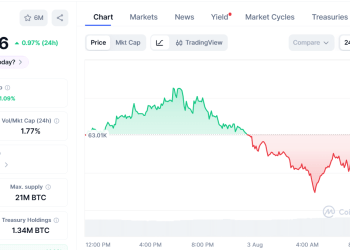
周一,比特币与更广泛的金融市场一起暴跌,短暂跌破5万美元,为2月以来的最低水平,随后收复部分失地。纽约时间下午早些时候,该资产在24小时内下跌9%,至53387.67美元。
对于怀疑论者来说,比特币的波动性是一种邀请,让人想起比利·克里斯特尔的老喜剧:“你的救世主现在在哪里?”

Trending Cryptos

Related Reads

OpenClaw Founder Peter Steinberg's Latest Speech: The Life and Death Revelation of an Open Source Project, How OpenClaw Emerged from the Eye of the Storm

Peter Steinberg, founder of the wildly popular open-source AI agent project OpenClaw, reflects on its turbulent journey from creation to near-collapse and resurgence. It began in late 2024 from his personal frustration with sending prompts from phone to computer. He built a WhatsApp relay that felt "magical," but initial excitement was limited to friends. After adding Discord support and launching a public server, the project exploded virally overnight, attracting massive attention, rebranding requests (from "Claudis" to OpenClaw), and even praise from NVIDIA's CEO. The intense scrutiny and pressure nearly broke Steinberg. The biggest technical crisis came from over-optimizing for a specific AI model provider, which suddenly canceled subscriptions, forcing a rushed shift to open-weight models. OpenClaw's weekly downloads plummeted before surging to a record high after being "declared dead." Steinberg realized he had stopped enjoying the build process and using his own product, making it a duty rather than a passion. His key lesson: "Fun is speed." Recovery came by refocusing on building for himself, forming a non-profit, and receiving crucial support (e.g., from NVIDIA for security). The team is now using OpenClaw to build OpenClaw itself, emphasizing its core value: a private, open alternative where "your agent, your machine, your life." He shares insights: the first user should be yourself; balance bug fixes with new features to maintain interest; the current bottleneck is reliable toolchains, especially for Mac testing. His story underscores that creation thrives on personal need, endures through storms when the joy of building returns, and persists by "living in the future and building what's missing."

marsbit38m ago

OpenClaw Founder Peter Steinberg's Latest Speech: The Life and Death Revelation of an Open Source Project, How OpenClaw Emerged from the Eye of the Storm

marsbit38m ago

US Stocks and Gold Rise Together, Bitcoin Rebound Absent, Have Bottom Signals Appeared?

While traditional assets like U.S. stocks and gold have rebounded strongly, Bitcoin continues to consolidate without following the uptrend. Since hitting an all-time high near $126,000 in October last year, Bitcoin has remained in a corrective phase, trading between $62,000 and $66,000 over the past month. Although U.S. spot Bitcoin ETFs have seen renewed net inflows recently—with the past week marking the best performance since mid-April—this buying pressure has been insufficient to counter persistent selling from miners and crypto companies. For instance, miner-linked wallets have seen their BTC balance drop by about 72% since late 2021. Some long-term indicators are showing early signs of a potential bottom. Metrics such as Reserve Risk, BTC price relative to its 2-year moving average, and the AHR999 index have entered historically oversold territory, suggesting improved long-term value. However, key indicators like MVRV Ratio, NUPL, and the Fear & Greed Index have not yet reached the extreme levels typically seen at major cycle lows. Furthermore, over 53% of Bitcoin supply remains in profit, and stablecoin liquidity is still contracting, indicating the market may need more time for a full capitulation phase. In summary, while select bottom signals are emerging, Bitcoin lacks the broad-based confirmation needed to declare a definitive cycle low. A sustained recovery will likely depend on continued ETF inflows, a reduction in structural selling pressure, and further deterioration in key on-chain metrics toward historical extremes.

marsbit40m ago

US Stocks and Gold Rise Together, Bitcoin Rebound Absent, Have Bottom Signals Appeared?

marsbit40m ago

After Yushu Got Hot, a 68-Year-Old Auto Parts Boss Bet 1.85 Billion

After staying relatively low-profile for years, Shanghai Bate Technology, a traditional auto parts supplier, has recently been thrust into the spotlight as a leading humanoid robotics concept stock. This shift is largely tied to the impending IPO of robotics company Unitree, with which Bate collaborates on prototype development. Bate's founder, 68-year-old Jin Kun, is making a bold bet on this new frontier. The company is investing 1.85 billion yuan to build a major R&D and production base in Kunshan for planetary roller screws—a key component in robot joints. With an annual capacity of 2.6 million sets planned, plus overseas expansion, this represents a massive, forward-looking commitment from a firm whose 2025 revenue of 2.3 billion yuan still relies almost entirely on its traditional automotive business (over 98%). The investment highlights a strategic pivot. Bate aims to leverage decades of expertise in metal processing, precision manufacturing, and heat treatment from the automotive sector and apply it to the burgeoning robotics industry. However, this move carries significant risk. The company has not yet secured formal supplier contracts or begun mass deliveries for its roller screws. It is essentially betting on future demand in a market that remains nascent. The broader industry context adds to the uncertainty. While multiple Chinese manufacturers are racing to invest in similar robotics component capacity (totaling over 6 billion yuan), the downstream humanoid robot market is still in its early stages. Estimates put 2025 global shipments at only around 18,000 units, primarily for entertainment, education, and data collection rather than large-scale industrial use. This creates a critical mismatch: the speed of upstream component factory construction and capital investment is far outpacing the commercialization and adoption of the robots themselves. Bate's story, driven by Jin Kun's decisive gamble, encapsulates the high-stakes transition facing traditional manufacturers seeking a "second growth curve" in robotics—a future full of potential but currently backed more by market anticipation than concrete financial results.

marsbit43m ago

After Yushu Got Hot, a 68-Year-Old Auto Parts Boss Bet 1.85 Billion

marsbit43m ago

Trading

Spot

Hot Articles

What is $BITCOIN

DIGITAL GOLD ($BITCOIN): A Comprehensive Analysis Introduction to DIGITAL GOLD ($BITCOIN) DIGITAL GOLD ($BITCOIN) is a blockchain-based project operating on the Solana network, which aims to combine the characteristics of traditional precious metals with the innovation of decentralized technologies. While it shares a name with Bitcoin, often referred to as “digital gold” due to its perception as a store of value, DIGITAL GOLD is a separate token designed to create a unique ecosystem within the Web3 landscape. Its goal is to position itself as a viable alternative digital asset, although specifics regarding its applications and functionalities are still developing. What is DIGITAL GOLD ($BITCOIN)? DIGITAL GOLD ($BITCOIN) is a cryptocurrency token explicitly designed for use on the Solana blockchain. In contrast to Bitcoin, which provides a widely recognized value storage role, this token appears to focus on broader applications and characteristics. Notable aspects include: Blockchain Infrastructure: The token is built on the Solana blockchain, known for its capacity to handle high-speed and low-cost transactions. Supply Dynamics: DIGITAL GOLD has a maximum supply capped at 100 quadrillion tokens (100P $BITCOIN), although details regarding its circulating supply are currently undisclosed. Utility: While precise functionalities are not explicitly outlined, there are indications that the token could be utilized for various applications, potentially involving decentralized applications (dApps) or asset tokenization strategies. Who is the Creator of DIGITAL GOLD ($BITCOIN)? At present, the identity of the creators and development team behind DIGITAL GOLD ($BITCOIN) remains unknown. This situation is typical among many innovative projects within the blockchain space, particularly those aligning with decentralized finance and meme coin phenomena. While such anonymity may foster a community-driven culture, it intensifies concerns about governance and accountability. Who are the Investors of DIGITAL GOLD ($BITCOIN)? The available information indicates that DIGITAL GOLD ($BITCOIN) does not have any known institutional backers or prominent venture capital investments. The project seems to operate on a peer-to-peer model focused on community support and adoption rather than traditional funding routes. Its activity and liquidity are primarily situated on decentralized exchanges (DEXs), such as PumpSwap, rather than established centralized trading platforms, further highlighting its grassroots approach. How DIGITAL GOLD ($BITCOIN) Works The operational mechanics of DIGITAL GOLD ($BITCOIN) can be elaborated on based on its blockchain design and network attributes: Consensus Mechanism: By leveraging Solana’s unique proof-of-history (PoH) combined with a proof-of-stake (PoS) model, the project ensures efficient transaction validation contributing to the network's high performance. Tokenomics: While specific deflationary mechanisms have not been extensively detailed, the vast maximum token supply implies that it may cater to microtransactions or niche use cases that are still to be defined. Interoperability: There exists the potential for integration with Solana’s broader ecosystem, including various decentralized finance (DeFi) platforms. However, the details regarding specific integrations remain unspecified. Timeline of Key Events Here is a timeline that highlights significant milestones concerning DIGITAL GOLD ($BITCOIN): 2023: The initial deployment of the token occurs on the Solana blockchain, marked by its contract address. 2024: DIGITAL GOLD gains visibility as it becomes available for trading on decentralized exchanges like PumpSwap, allowing users to trade it against SOL. 2025: The project witnesses sporadic trading activity and potential interest in community-led engagements, although no noteworthy partnerships or technical advancements have been documented as of yet. Critical Analysis Strengths Scalability: The underlying Solana infrastructure supports high transaction volumes, which could enhance the utility of $BITCOIN in various transaction scenarios. Accessibility: The potential low trading price per token could attract retail investors, facilitating wider participation due to fractional ownership opportunities. Risks Lack of Transparency: The absence of publicly known backers, developers, or an audit process may yield skepticism regarding the project's sustainability and trustworthiness. Market Volatility: The trading activity is heavily reliant on speculative behavior, which can result in significant price volatility and uncertainty for investors. Conclusion DIGITAL GOLD ($BITCOIN) emerges as an intriguing yet ambiguous project within the rapidly evolving Solana ecosystem. While it attempts to leverage the “digital gold” narrative, its departure from Bitcoin's established role as a store of value underscores the need for a clearer differentiation of its intended utility and governance structure. Future acceptance and adoption will likely depend on addressing the current opacity and defining its operational and economic strategies more explicitly. Note: This report encompasses synthesised information available as of October 2023, and developments may have transpired beyond the research period.

1.8k Total ViewsPublished 2025.05.13Updated 2025.05.13

What is $BITCOIN

Discussions

Welcome to the HTX Community. Here, you can stay informed about the latest platform developments and gain access to professional market insights. Users' opinions on the price of BTC (BTC) are presented below.

活动图片