ETF面世后,以太坊还有哪些长期催化剂?

Odaily星球日报Published on 2024-07-26Last updated on 2024-07-26

Abstract

以太坊即将迎来的两个重要催化剂:质押标准公布和下一个硬分叉。

原文作者:The DeFi Investor

原文编译:深潮 TechFlow

以太坊的未来展望

现货以太坊 ETF 终于面世了。

从初期的交易量来看,这次推出相当成功。

ETF面世后,以太坊还有哪些长期催化剂?

然而,正如我们所见,ETH 在推出后开始下跌。

在本期文章中,我将讨论这背后的原因,ETH 价格的未来走势,以及以太坊即将迎来的两个重要催化剂。

我对 ETH 价格走势的预期

我认为,ETH 目前表现不如 BTC 的主要有两个原因:

  • 现货 ETH ETF 的推出是一个“卖消息”事件:这种现象在现货 BTC ETF 推出后短期内也发生过。

ETF面世后,以太坊还有哪些长期催化剂?

由于现货 ETH ETF 几个月前就获得批准,所有想要购买 ETH 的人都有足够的时间这样做。因此,提前知道的催化剂往往会成为“卖消息”事件。

  • ETH ETF 的推出解锁了 Grayscale 以太坊信托基金中的 90 亿美元 ETH:这些 ETH 被锁定了多年,现在持有者终于可以出售,因此很多人正在抛售。

那么这次下跌需要多长时间才能结束呢?

在 BTC 的案例中,现货 BTC ETF 推出后约两周触底。之后,价格横盘几天,然后创下历史新高。

如果未来几周对现货以太坊 ETF 的需求很高,ETH 也可能会出现类似情况。但要实现这一点,ETH ETF 的净流量需要转正。

例如,昨天由于 Grayscale 以太坊信托基金的抛售压力,ETH ETF 出现了 1.33 亿美元的流出

短期内对 ETH 也有一些合理的担忧:

ETF面世后,以太坊还有哪些长期催化剂?

以太坊即将迎来的催化剂

我还想谈谈以太坊即将迎来的两个重要催化剂。

第一个是以太坊 ETF 质押的批准。这可能会显著增加对现货以太坊 ETF 的需求。虽然每年约 3.2% 的 ETH 质押收益率看起来不多,但由于 ETH 的年通胀率较低,并且质押可以获得收益,这可能会使 ETH 比 BTC 对某些机构更具吸引力。

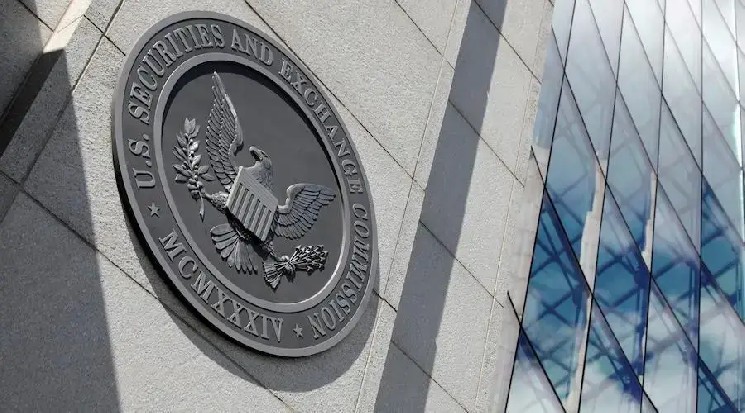
根据 SEC 委员的说法,以太坊 ETF 质押“始终可以重新考虑”,因此其批准只是时间问题。

第二个催化剂是 Pectra 的发布,这是以太坊的下一个硬分叉。这一重大升级预计将在今年第四季度末或 2024 年第一季度进行。Pectra 将引入几个重大变化:

  • 使以太坊账户地址更加可编程

  • 将 ETH 验证者的最大质押从 32 增加到 2048 ETH

通过使以太坊账户地址更加可编程,Pectra 将带来显著的链上用户体验改进。

例如,它将支持批量发送交易、开发钱包的社交恢复功能,并允许 dApp 支付用户的 gas 费用。这样的用户体验升级是加密货币实现大规模采用所需要的。

Trending Cryptos

Related Reads

Never expected that the first tangible application of AI x Crypto is in security auditing

Unexpectedly, the initial major application of AI in the Crypto sphere has turned out to be security auditing. In 2026, DeFi has faced significant security challenges, with 121 hacking incidents resulting in approximately $942 million in losses. While AI was expected to first impact areas like quantitative trading, its initial breakthrough has instead transformed security auditing by drastically lowering the cost and skill barrier for finding smart contract vulnerabilities. The traditional audit model is facing obsolescence. Advanced AI models, such as Claude Mythos, enable attackers to scan thousands of contracts and identify vulnerability patterns at scale, compressing the time from discovery to execution to mere minutes. This renders the month-long validity of traditional audit reports ineffective. Notably, attacks now frequently target well-audited, established protocols by exploiting business logic flaws, operational security weaknesses, and even years-old historical contracts, demonstrating that old audit reports offer zero protection. This pressure is forcing a fundamental shift in the industry. In the short term, a wave of defensive re-auditing is occurring, driven by projects seeking to meet new AI-era security standards and regulatory requirements. In the long run, audit firms' business models are diverging. The one-time report delivery model is declining in value, as evidenced by platforms like Code4rena shutting down. Leading firms are now pivoting towards AI-powered defense, integrating continuous monitoring, real-time on-chain risk detection, and embedding security directly into the development phase, as seen with tools like OpenZeppelin's Skills system. Ultimately, the era of "audit once, secure forever" is over. Security must become a continuous, embedded infrastructure investment for projects. For audit companies, survival depends on proactively transforming from traditional service providers into platforms offering AI-native, ongoing security solutions.

链捕手5m ago

Never expected that the first tangible application of AI x Crypto is in security auditing

链捕手5m ago

Who's Paying for the $64 Billion Paper Feast?

"The Illusion of Wealth: Who Bears the Burden of the $64 Billion Paper Bonanza?" Bitcoin recently broke below the critical $60,000 support level, triggering significant selling by major holders. While the price drop itself is concerning, a deeper issue lies with publicly traded companies that have bet their entire balance sheets on Bitcoin, creating a precarious financial link between their stock prices and crypto valuations. Leading the pack is Strategy (formerly MicroStrategy), holding 847,000 BTC at an average cost of ~$75,600, now facing over 20% unrealized losses. Its stock trades at a deep discount to its Bitcoin holdings. Other companies like Japan's Metaplanet (nearly 40% unrealized loss) and Solmate (which fully pivoted to Solana and saw its stock collapse 98%) illustrate the risks of this model without underlying business operations. A key misconception is that these firms face immediate, forced liquidation. Their debt structures provide a buffer. However, the core "financial flywheel" is stalling. Strategy's CEO has even hinted at potentially selling Bitcoin to cover obligations—a reversal of his long-standing "never sell" doctrine. New accounting rules (ASU 2023-08) exacerbate the problem, requiring quarterly mark-to-market adjustments. Bull markets create paper profits, attracting capital. In bear markets, they generate massive paper losses, potentially triggering index exclusions and forced selling by passive funds. The true crisis point is not the current price, but a looming debt reckoning. If Bitcoin fails to recover above key cost bases within 12-24 months, convertible note redemption windows opening in Fall 2027 could force companies to sell massive Bitcoin holdings for cash, potentially triggering a severe liquidity crisis. The model hasn't eliminated risk; it has merely transformed instant, price-triggered liquidation into a slow-burning, time-triggered debt crisis.

marsbit15m ago

Who's Paying for the $64 Billion Paper Feast?

marsbit15m ago

Base Halts for Two Hours: A Single Invalid Block Reveals the Centralized Reality of L2s

Base, an Ethereum Layer-2 Rollup, experienced a two-hour network outage starting around 00:03 UTC on June 26. The halt was caused by a consensus issue that led to an invalid block being sequenced, which prevented the generation of new blocks after block 47806542. The team identified the problem, restored block sequencing by 01:51 UTC, and confirmed full recovery of ecosystem infrastructure synchronization shortly after. This incident highlights the operational reality for many L2s: while they leverage Ethereum for security and data availability, their day-to-day usability heavily depends on their sequencer and internal systems. Base employs a high-availability sequencer system with one active leader, but this setup did not prevent the outage when a consensus-level problem arose. This follows a previous 33-minute outage in August 2025 related to a faulty sequencer handover process. The downtime occurred near the scheduled activation window for the "Beryl" network upgrade, which has since been postponed. Beryl introduces the native B20 token standard, among other improvements. The incident has sparked renewed discussion about Base potentially launching its own network token in the future, shifting the conversation from mere speculation to questions about how a token might relate to sequencer decentralization, governance, and accountability in such failure scenarios.

Foresight News35m ago

Base Halts for Two Hours: A Single Invalid Block Reveals the Centralized Reality of L2s

Foresight News35m ago

Trading

Spot
Futures

Hot Articles

Discussions

Welcome to the HTX Community. Here, you can stay informed about the latest platform developments and gain access to professional market insights. Users' opinions on the price of ETH (ETH) are presented below.

活动图片