一个 1.5 万人的加勒比小岛,靠卖 .ai 域名收了一半的政府预算

marsbitPublished on 2026-04-29Last updated on 2026-04-29

作者:加洋

2026 年 2 月,bot.ai 在域名交易平台 Sedo 以 120 万美元成交,是 .ai 后缀至今公开记录里第一笔七位数交易。买家身份没披露,卖家据说是一位叫 Philipp Michel 的域名投资人。这个域名此前页面上只有一行字:想买 bot.ai 吗?

.ai 是加勒比海上一座 1.5 万人小岛的国家代码后缀。这座小岛叫安圭拉,英国海外领地,经济主要靠高端旅游,每年秋天还要应付飓风季。2025 年,它从注册和续费 .ai 域名里收了 9,300 万美元,占政府预算的 47%。
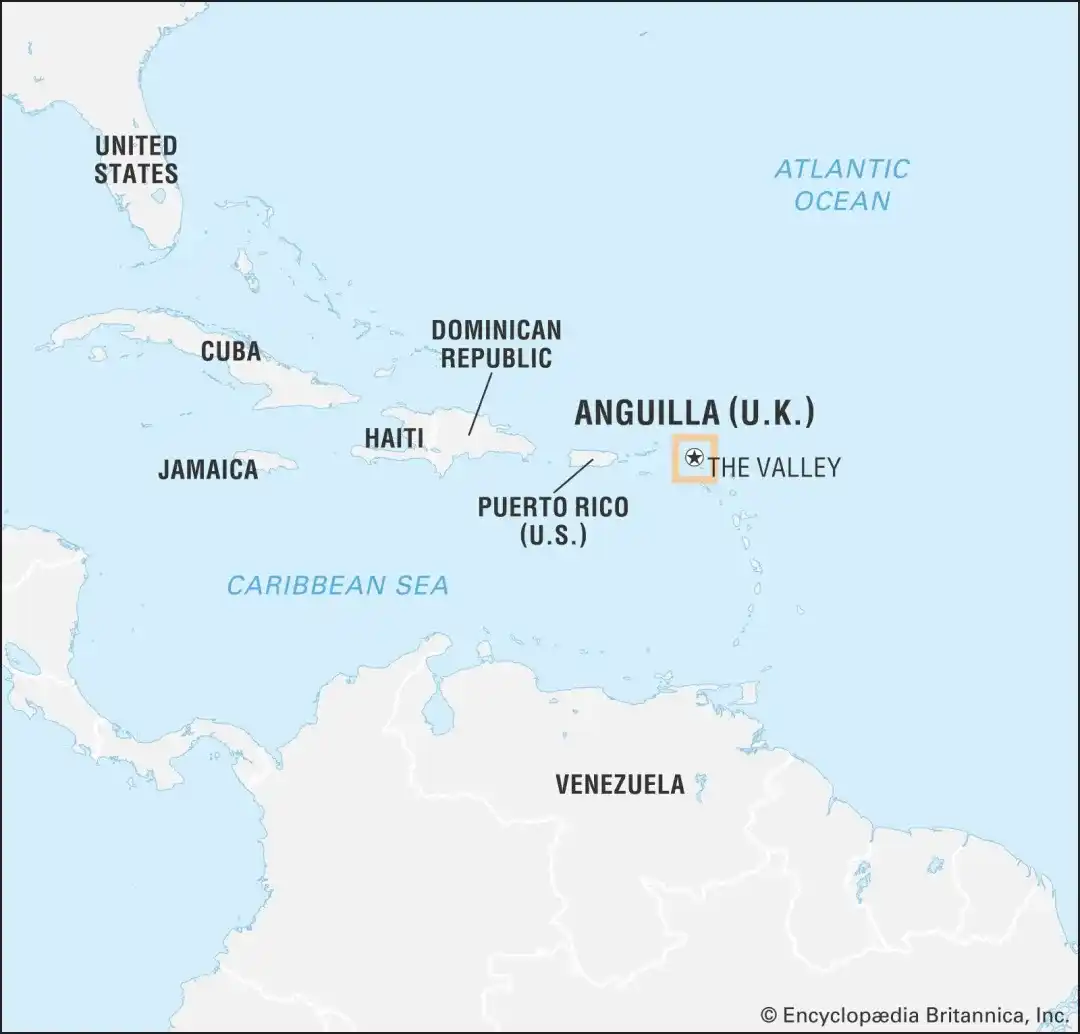
图丨安圭拉的位置(来源:Britannica)

今年 1 月,全球平均每天有 2,008 个新的 .ai 域名被注册,每 43 秒一个。

从不到 1% 到 47%

1995 年,互联网编号分配机构按照国际标准化组织的国家代码列表,给每个国家和地区指派两位字母的后缀。安圭拉分到了 .ai,邻岛安提瓜分到了 .ag。当时没人想过这两个字母后来会值多少钱。安圭拉前总理 Ellis Webster 后来反复说,“这是纯粹的运气”。

2018 年,安圭拉 .ai 注册收入是 290 万美元,占国家预算 4%。2022 年是 770 万美元,6%。这个数字在 2022 年 11 月之前一直平缓。直到那一个月,OpenAI 推出了 ChatGPT。

2023 年,.ai 收入跳到 3,200 万美元,占预算 21%。2024 年 3,900 万美元,23%。2025 年 9,300 万美元,47%。三年之内,它从一项边角税源跃升为与旅游业并列的财政支柱,后者贡献了 GDP 的 37%。

“AI 真正爆发之前,.ai 收入占国家收入的比例不到 1%。2023 年涨到 25% 到 27%,到 2025 年是 47% 左右。”安圭拉基础设施与通讯部部长 Jose Vanterpool 在年度财政说明里这样总结。

2025 年的跃升还有一层叠加因素。.ai 域名最低注册期是两年,2023 年那一波 ChatGPT 之后涌入的注册者,集中在 2025 年迎来第一次续费。Domaintechnik 创始人 Fabian Ledl 解释,.ai 续费率约 90%,意味着 2023 年的注册暴涨在 2025 年第二次进入了财政账本。按照原本的节奏,安圭拉政府 2024 年底预测 2025 年 .ai 收入应该为 1.32 亿东加勒比元(约 4,884 万美元)、2026 年 1.386 亿、2027 年 1.4553 亿,但 2025 年实际收入达到 2.5 亿东加勒比元,几乎是政府自己预测的两倍。
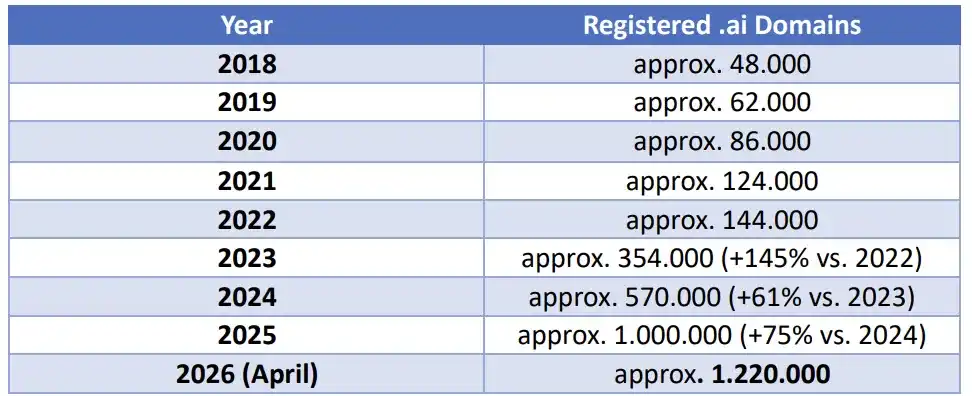
图丨.ai 域名的注册量(来源:Domaintechnik)

后市场的成交价格也在同步抬升。bot.ai 之前的纪录是 wisdom.ai,2025 年 10 月以 75 万美元成交。再往前是 you.ai,70 万美元,买家是美国软件公司 HubSpot 联合创始人 Dharmesh Shah。他对媒体说自己当时有“一个让人创建数字分身去帮自己做事的产品想法”。

再下来是 cloud.ai 60 万、blockchain.ai 40.5 万、law.ai 35 万。Escrow.com 的 CEO Matt Barrie 还透露过更夸张的一桩:某个 .ai 域名以 30 万美元转手,几个月后又以 150 万美元卖掉,具体名字至今未披露。

不过对照起来,.ai 的价值其实并不算特别高。2026 年 2 月公开的 AI.com 成交价是 7,000 万美元,.ai 后缀至今最高的公开成交价只有它的不到 2%。Dharmesh Shah 自己也说,长期看 .com 的价值会比 .ai 维持得更好、更久。他买 .ai 主要是因为合适的 .com 拿不到时,这是一个还能传达 AI 含义的次优选择。

整个 .ai 生态都是建立在“次优”这个位置上的。.com 仍然是互联网命名的默认共识,.ai 是 AI 公司在 .com 拿不到时的备选。这层关系让 .ai 的溢价能力跟 AI 周期绑得更紧。

图瓦卢交过的那笔学费

太平洋上的图瓦卢 1998 年就走过相似的路。

它拿到的是 .tv,恰好是 television 的缩写。在视频流媒体兴起之前,这两个字母就已经是营销资产。当时图瓦卢政府跟一家加拿大公司签了排他协议,对方承诺一次性支付 5,000 万美元,这笔钱从未到账。后来合同辗转到 Idealab、Verisign,2021 年再转给 GoDaddy。

Verisign 时期,图瓦卢拿到的是固定费用加销售分成:每年 220 万美元,外加销售额超过 2,000 万美元部分按 5% 提成。结构稳定,天花板很低。2010 年前后,图瓦卢财政部长 Lotoala Metia 公开抱怨 Verisign 给的钱是“花生米”。直到 2021 年换约 GoDaddy,年收入才接近 1,000 万美元。

安圭拉的合同结构跟图瓦卢相反。2024 年 10 月,它与美国域名注册商 Identity Digital 签了五年协议,明确以收入分成为主,而非买断。Identity Digital 的分成据 BBC 报道约为 10%,剩下的归安圭拉财政。2025 年 1 月,Identity Digital 正式接管 .ai 注册业务,把所有 .ai 域名的服务器从安圭拉本岛迁到自己的全球网络。这是为了防飓风。2017 年的飓风 Irma 给安圭拉造成 3.2 亿美元损失,几乎瘫痪了岛上的电力和通讯。

这种结构让安圭拉在 AI 周期里拿到了大头。Identity Digital 接管后开启的拍卖业务在第一年就为安圭拉政府额外贡献了 60 万美元以上的收入,单是日拍机制就让 .ai 周收入提升了 20%。钱怎么花的,公开了一部分。

2025 年财政说明里写明:偿还国债(截至 2025 年底约 2.92 亿美元,约占 GDP 的 19.9%,远低于加勒比地区 60% 的红线)、扩建机场和路网、可再生能源投资、五岁以下儿童和七十岁以上老人的免费医疗。机场是关键,安圭拉的旅游业一直被有限的航班数量卡住。

Cora Richardson-Hodge 在 2025 年 2 月接任总理时拿到的就是这样一份财政。她是安圭拉首位女总理,所属的安圭拉联合阵线在大选中拿下议会 11 席中的 8 席,Webster 领导的进步运动党退到反对席。Vanterpool 也是联合阵线成员,进入新内阁。

图丨 Cora Richardson-Hodge(来源:Anguilla Focus)

押在两个字母上

安圭拉前首相 Webster 卸任前在多个场合重复过同一句警告:你没法预测这能持续多久。我们的经济和项目不能完全依赖它,否则一旦风向变了,就得在很短时间里做出剧烈削减。

这话搁在 2025 年的预算盈余面前听起来扫兴,但它指向的是一个很具体的可能性。

.ai 的高溢价建立在一个前提上,就是 AI 仍然是科技公司值得贴在自己门牌上的标签。当一项技术从前沿变成基础设施,像电,像云,它会从品牌资产变成默认属性。没有公司还把自己叫做 electric company 或 cloud company,因为这些已经是默认。如果未来五到十年 AI 走完同样的路径,.ai 后缀的营销价值会逐渐贬值,新增注册放缓,续费率下降,二级市场冷却。

Identity Digital 在自己的对外通讯里也写过一句话,AI 主题域名能否维持高位,取决于 AI 行业的资本周期。他们也知道这件事的脆弱。

但反过来看,.ai 也可能走出另一条路。当 AI 公司集体性地占领 .ai 后缀,比如 claude.ai、x.ai、perplexity.ai、meta.ai,这种集体占领反而强化了后缀本身的含义。.com 也不是因为美国才值钱的,而是因为最早入场的玩家把它做成了行业默认。.ai 能不能复制 .com 的稳定性,至少要再观察两到三个 AI 周期。

另外,如果这些收入真的进入偿债、基建、教育和医疗(目前的支出结构看起来确实如此),那么即使 .ai 红利退潮,这些投资本身也会留下来。机场扩建后多飞几条航线,债务降到 GDP 的 15% 以下,这些不会跟着 AI 周期消失。但如果钱被吸收到经常性支出里,公务员加薪、福利扩大,那么红利退潮的那一年就会很难看。

截至 2026 年 4 月,.ai 注册总数大约 110 万。Domaintechnik 的预测是 2026 年底可能达到 170 万。每天 2,000 多个新域名进入注册系统,每个域名背后是一笔进入安圭拉财政的钱。

但每一笔钱都默认了同一件事:在世界某处的某个产品负责人,仍然认为在自己产品的英文域名后面贴上 .ai,能让用户多看一眼。

这种判断还能持续多久,没人真的知道。

Trending Cryptos

Related Reads

Beyond the Stadium: The Profitable Games Surrounding the World Cup

"Beyond the Pitch: The Profit Game Around the World Cup" The FIFA World Cup transcends being a sporting spectacle, evolving into a massive global arena for speculation and profit-seeking. The 2026 tournament has amplified this dynamic, creating a multi-layered ecosystem of financial opportunism alongside the football. **Prediction markets** have surged into the mainstream. Platforms like Polymarket and Kalshi saw trading volumes for World Cup contracts soar, attracting new users with their financial trading model and high-profile, chain-based wealth stories that overshadow traditional sports betting in terms of growth and narrative. However, **traditional sportsbooks** remain the dominant force, leveraging established user habits, legal markets, and comprehensive product offerings to handle the vast majority of speculative wagers, with projections suggesting record-breaking betting volumes. Capital markets also react. **"Concept stocks"** in countries like South Korea and Japan experience volatile price swings based on team performance and anticipated fan spending on items like chicken, beer, and viewing parties, effectively becoming a stock market reflecting fan sentiment. The **ticket resale market** has become a sophisticated arena for arbitrage. Prices fluctuate wildly based on team draws and star power, with sellers sometimes listing tickets they don't yet own in a practice akin to short-selling, while FIFA's own "Right to Buy" tokens add another layer of speculative trading. **Collectibles and merchandise** offer another avenue. Panini sticker albums, with their inherent scarcity and nostalgic value, can become high-value collectibles. Limited-edition or locally themed jerseys command significant premiums on secondary markets, and even counterfeit vendors profit from fans' desire for affordable match-day identity. The **cryptocurrency** space has seen a frenzy of speculative, unauthorized World Cup-themed meme coins on chains like Solana. These tokens, often exploiting team names and player imagery, experience extreme pump-and-dump cycles, creating stories of massive gains for a few early entrants and steep losses for many others. Finally, an entire industry thrives on **providing information and tools** to other speculators. Developers create platforms like SeatSidekick to track ticket inventory and prices, while paid Telegram groups and subscriptions sell betting tips and predictions, monetizing the widespread desire for an informational edge. In essence, the World Cup has become a compressed, global laboratory for speculation. While the games determine champions on the field, a parallel, complex network of financial transactions—spanning prediction contracts, bets, stocks, tickets, collectibles, crypto, and information services—settles its own scores in the global market.

marsbit36m ago

Beyond the Stadium: The Profitable Games Surrounding the World Cup

marsbit36m ago

How Does Codex Use a Computer? Three Entry Points and Permission Boundaries

This article explains the three primary methods for Codex to interact with a computer, each with distinct use cases, permission boundaries, and trust levels. **1. Computer Use:** This offers the broadest access, allowing Codex to visually control and interact with the graphical user interface of authorized macOS/Windows apps, system settings, and even iOS simulators. It's ideal for tasks lacking APIs or structured tools, such as operating legacy software or multi-app workflows. However, it's the slowest method and has the widest permission scope, requiring careful supervision for sensitive actions. **2. Chrome Extension:** This grants Codex access to the user's logged-in Chrome browser state, including cookies, profiles, and open tabs. It's best for tasks requiring user identity across websites like Gmail, LinkedIn, Salesforce, or internal dashboards. Its key advantage is multi-tab control for complex workflows. While more powerful for browser-based tasks than Computer Use, it carries higher sensitivity as actions are performed under the user's identity. **3. In-App Browser:** This is a browser isolated within the Codex thread, separate from the user's personal browsing data. It excels in web development and debugging scenarios—previewing local servers, testing responsive layouts, or annotating designs directly on the page. Its isolation is a strength for development but a limitation for tasks requiring login sessions. The core principle is to choose the narrowest, safest, and most structured interface for the task. Use plugins or MCPs first, resort to visual control (Computer Use) only for GUI-dependent tasks, employ the Chrome extension for identity-reliant browser work, and prefer the In-App Browser for isolated development. **Appshots** are clarified as a fourth, complementary tool for *inputting* context—capturing a screenshot of a window to point Codex to something—rather than a method for Codex to *act*. Together, this layered approach highlights a key to AI agent productization: not granting unlimited permissions, but constraining them within clear boundaries for specific tasks while preserving user oversight.

marsbit2h ago

How Does Codex Use a Computer? Three Entry Points and Permission Boundaries

marsbit2h ago

The "Iron Rule" of Chip Equipment Is Being Broken

For years, the semiconductor equipment industry followed an unwritten "iron rule": suppliers offered steep discounts for new tool introductions (Design-in) and faced consistent price pressure during repeat orders, especially during market downturns. This long-standing buyer's market dynamic is now being upended. Recently, SK Hynix's primary equipment suppliers have reportedly requested a 3-4% price *increase*, a nearly unprecedented move. This shift is driven by a severe supply-demand imbalance fueled by the AI compute boom. Securing equipment has become an urgent arms race as chipmakers' expansion speed dictates their ability to fulfill massive AI chip orders. Key areas feeling the strain include: **TCB (Thermal Compression Bonding) Equipment:** Demand is exploding, driven by the simultaneous needs of HBM4 memory stacking, AI chip Chip-on-Substrate (C2S), and logic Chiplet Chip-on-Wafer (C2W) packaging. Players like Hanmi Semiconductor, Hanwha Semitech, and ASMPT are receiving major orders. While hybrid bonding is seen as the future, TCB remains the pragmatic choice for HBM4 mass production, with its lifecycle extended by relaxed specifications and ongoing technological upgrades. **Test Equipment Bottlenecks:** Ironically, AI-driven shortages are now crippling test equipment manufacturing. Critical components like FPGAs, Driver ICs, and CPUs face severe shortages and extended lead times (up to 52 weeks for FPGAs), as AI data center and server vendors prioritize supply. This creates a paradoxical cycle: AI chip shortages drive fab expansion, which requires more test equipment, whose production is delayed because its key parts are diverted to make AI chips. The industry is entering a broad, AI-powered upcycle. SEMI forecasts global semiconductor equipment sales to hit a record $156 billion by 2027, fueled by investment in advanced logic/foundry, HBM-driven DRAM, and advanced packaging (like CoWoS). Major players like TSMC, SK Hynix, and Micron are aggressively ramping capital expenditure. In conclusion, leading equipment vendors are no longer just selling tools; they are selling the critical capability to deliver AI-era capacity. Pricing power is shifting decisively to those with indispensable technology in key process nodes like advanced logic, HBM, and advanced packaging, rewriting the industry's traditional power structure.

marsbit2h ago

The "Iron Rule" of Chip Equipment Is Being Broken

marsbit2h ago

Trading

Spot
Futures

Hot Articles

Discussions

Welcome to the HTX Community. Here, you can stay informed about the latest platform developments and gain access to professional market insights. Users' opinions on the price of AI (AI) are presented below.

活动图片