# SWIFT Articoli collegati

Il Centro Notizie HTX fornisce gli articoli più recenti e le analisi più approfondite su "SWIFT", coprendo tendenze di mercato, aggiornamenti sui progetti, sviluppi tecnologici e politiche normative nel settore crypto.


Why is XRP in the red now after a 50% weekly surge?

XRP fell 2.2% over 24 hours after a 49.4% surge in the previous week, moving back into negative territory. The drop coincides with major banks advancing blockchain-based payment solutions that address the need for prefunding in cross-border transfers, potentially competing with XRP's use case. JPMorgan Chase expanded its blockchain settlement system, Kinexys, to eight currencies, allowing clients to move and exchange funds around the clock without needing a separate crypto asset. Similarly, Citigroup operates a round-the-clock USD clearing network and offers Citi Token Services for tokenized deposits, aiming to speed up payments while reducing the amount of capital required upfront. While its 90-second settlement is slower than XRP Ledger's 3-5 seconds, using cash already held in a regulated bank may be more critical for companies. Furthermore, SWIFT has facilitated interoperability between different bank-issued tokenized deposits without a common cryptocurrency. In a recent pilot, HSBC and Standard Chartered completed a cross-border transaction using SWIFT's ledger to coordinate and settle obligations between their separate token systems. SWIFT reports that 17 banks across six continents are preparing for real transactions using this model. These developments in traditional finance present alternative, bank-integrated pathways for instant, cross-border value transfer, potentially impacting the demand and price trajectory for XRP.

cryptonews.ru11 h fa

Why is XRP in the red now after a 50% weekly surge?

cryptonews.ru11 h fa

Is Stablecoin Really Necessary for Cross-border Payments?

"Is Stablecoin Truly Necessary for Cross-Border Payments? While stablecoins are often praised as superior for cross-border transfers—especially if the recipient desires crypto—their advantage is less clear in traditional cross-currency scenarios (e.g., USD to Mexican Peso). The existing correspondent banking system is slow and costly (≈15% fees) due to multiple intermediaries. Modern fintech solutions like Wise have dramatically improved this by using a netting model: they hold local currency pools and settle payments domestically, avoiding actual cross-border fund movement. This offers near-instant transfers with low, transparent fees (averaging ~0.52%). The 'stablecoin sandwich' model (convert fiat to stablecoin, transfer on-chain, convert to local fiat) offers similar user experience but doesn't inherently provide major cost or speed advantages over fintech. Its on-chain transfer is cheap, but fiat conversion spreads remain. Stablecoin's real innovation is 'unbundling' the cross-border payment stack. Instead of requiring a proprietary global network like Wise, businesses only need reliable on- and off-ramps in specific corridors. This lowers market entry barriers, fosters competition among local providers, and can drive down costs, particularly for niche or underserved corridors (e.g., US to Africa). While vertical integration may reoccur, the open, permissionless nature of the underlying blockchain layer makes monopolistic pricing difficult. The long-term benefit is the potential redistribution of value—previously captured as intermediary rents—to consumers through lower costs."

marsbit08/21 10:11

Is Stablecoin Really Necessary for Cross-border Payments?

marsbit08/21 10:11

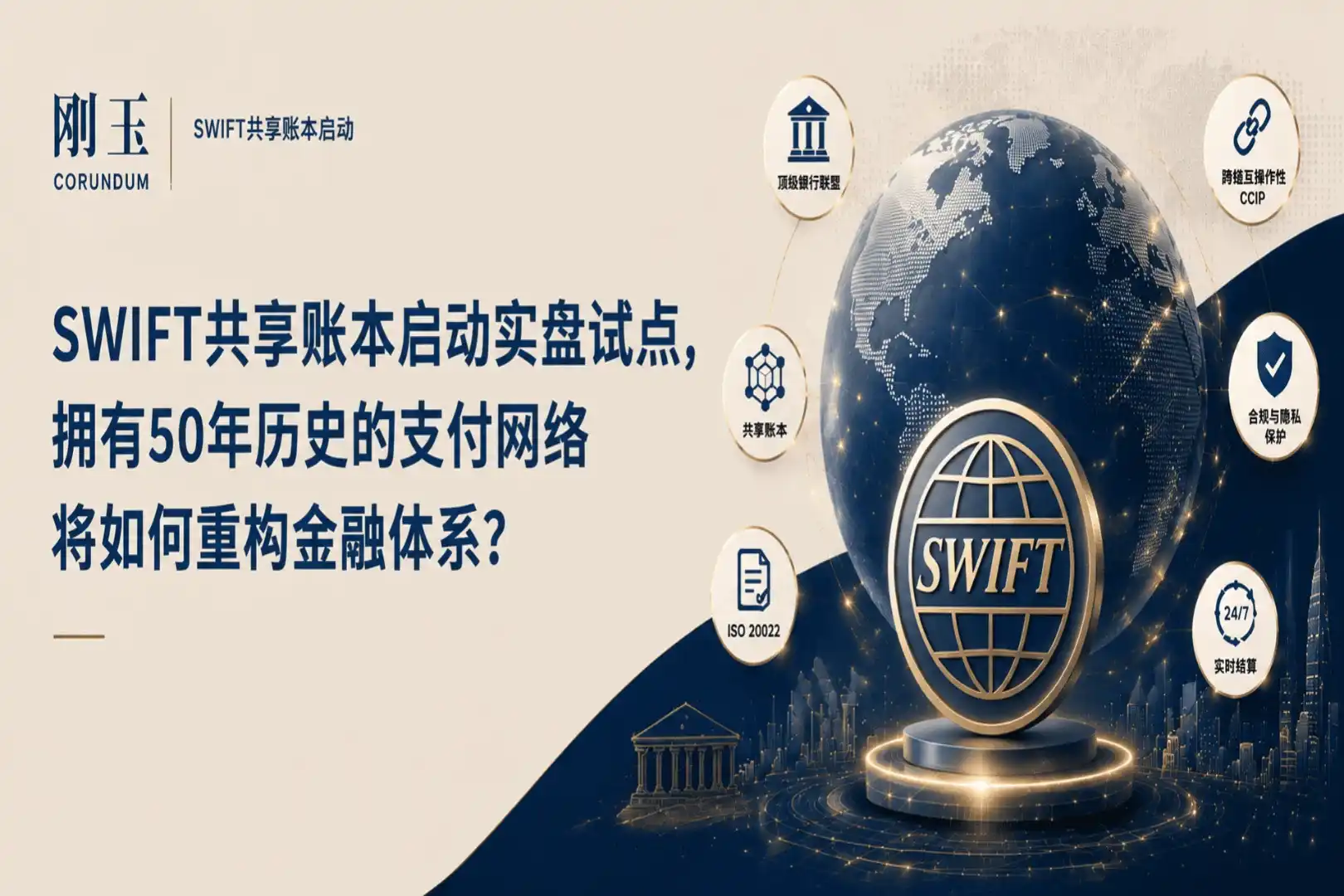
SWIFT Shared Ledger Launches Live Pilot, How Will the 50-Year-Old Payment Network Reconstruct the Financial System?

SWIFT, a global financial messaging provider with a 50-year history, has launched a live pilot of a blockchain-based "shared ledger" in July 2026, involving 17 major banks. This marks a direct move by traditional finance to upgrade its core payment infrastructure using blockchain technology, transforming SWIFT's role from a messaging channel to a "value orchestration layer" for digital payments. The system is built on Hyperledger Besu (EVM-compatible) and integrates Chainlink's CCIP for cross-chain interoperability. It deepens the fusion of the ISO 20022 messaging standard with smart contracts to automate compliance (KYC/AML). The primary settlement medium in this network is "tokenized deposits"—digital representations of traditional bank deposits, not independent stablecoins—preserving the existing two-tier banking system. The move introduces "atomic settlement" (24/7, instant) but requires banks to adopt "pre-funding" models, increasing demands on liquidity management. It presents direct competitive pressure on native blockchain payment tokens (e.g., XRP) by offering an efficient, bank-backed alternative for cross-border settlement. Significant regulatory hurdles remain, including legal jurisdiction over cross-border digital assets, legal definitions of "settlement finality" for smart contracts, and balancing blockchain transparency with data privacy/localization laws. Technologies like zero-knowledge proofs may be needed to resolve privacy-compliance conflicts. Industry views are mixed: participating banks and SWIFT emphasize extending trusted, compliant finance into the digital realm with real-time efficiency, while crypto analysts warn of potential "liquidity backlash" as capital flows back to the traditional, now-tech-enhanced banking system. This pilot signifies that traditional finance and crypto are entering a phase of direct competition and fusion at the infrastructure level, likely leading to a future of interconnected, highly regulated financial networks rather than a fully decentralized system.

marsbit07/28 07:41

SWIFT Shared Ledger Launches Live Pilot, How Will the 50-Year-Old Payment Network Reconstruct the Financial System?

marsbit07/28 07:41

活动图片