# FOMC Articoli collegati

Il Centro Notizie HTX fornisce gli articoli più recenti e le analisi più approfondite su "FOMC", coprendo tendenze di mercato, aggiornamenti sui progetti, sviluppi tecnologici e politiche normative nel settore crypto.

Unexpected Weak Non-Farm Payrolls Data Pushes BTC to Rebound 11%, FOMC Minutes to Test the Narrative of This Rally

Bitcoin has rebounded 11% from its 21-month low, but the sustainability of this rally hinges entirely on the Federal Reserve's release of the June FOMC meeting minutes. The bounce was triggered by a weaker-than-expected US jobs report, which showed only 57,000 jobs added in June—about half of economists' forecasts. This data prompted traders to scale back bets on further Fed rate hikes, fueling a rally in Bitcoin alongside gold and stocks. The upcoming minutes are critical. They will reveal whether Fed officials, in their mid-June meeting, were already expressing concerns about a weakening labor market, tight credit conditions, or the risks of overtightening—factors that would support the market's recent dovish shift. Conversely, if the discussion focused on persistent inflation and the conditions for more rate hikes, the rally's foundational narrative would crumble. Market indicators show the rebound's fragility. While US spot Bitcoin ETFs saw a significant single-day inflow, it followed a prolonged period of outflows. On-chain data indicates a substantial increase in Bitcoin being moved to exchanges, creating potential sell pressure. Options market positioning suggests key price levels around $60,000 and $62,000 that could either stabilize or accelerate price movement. In essence, Bitcoin's 11% gain is built on speculation about the Fed's private deliberations three weeks ago. The FOMC minutes will replace that speculation with concrete details, and the discrepancy between market expectations and the actual record will determine whether Bitcoin holds above $64,000 or falls back toward $58,000.

marsbit07/08 04:52

Unexpected Weak Non-Farm Payrolls Data Pushes BTC to Rebound 11%, FOMC Minutes to Test the Narrative of This Rally

marsbit07/08 04:52

New Chair, Old Inflation, Better-Than-Expected Jobs: How Are Global Assets Repriced After Wash's Debut?

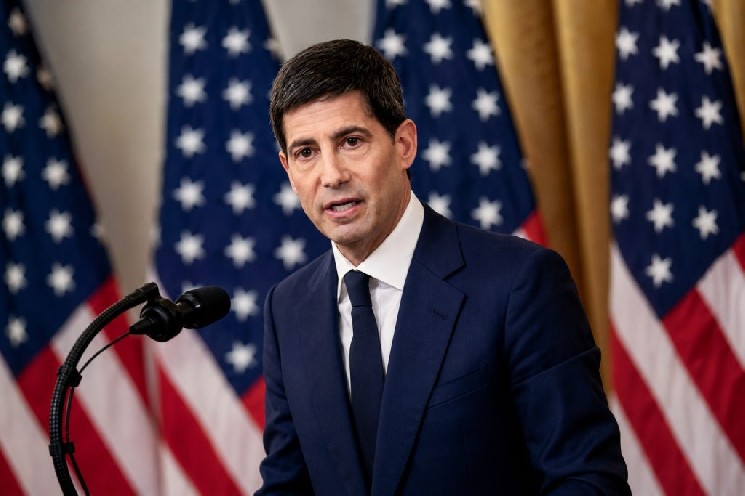
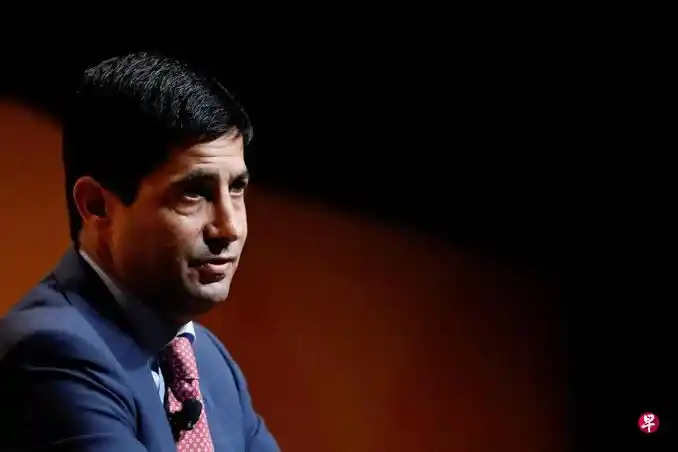
New Fed Chairman Kevin Wash's first FOMC meeting delivered a "hold" decision, keeping rates at 3.50%-3.75%. The key signal was a major shift in communication: the policy statement was shortened, and forward guidance was removed. Wash emphasized the Fed will no longer pre-commit to future actions, instead refocusing markets on economic data itself. The updated "dot plot" revealed a hawkish tilt, with the median forecast for the policy rate rising to 3.8% by year-end, suggesting a potential 25-basis-point hike in 2026. PCE inflation forecasts were also significantly raised. This reflects the Fed's current dilemma: a resilient job market (May nonfarm payrolls beat expectations) coupled with persistent inflation (PCE remains well above 2%) makes rate cuts unlikely and hikes a possibility. Wash inherits a deeply divided committee and a challenging macro environment reminiscent of 1994—strong growth with latent stagflation risks. His primary test is balancing inflation control against economic stability. Markets are repricing assets accordingly. The dollar strengthened on higher rate expectations. Treasury ETFs face pressure from potential hikes but may attract haven flows if growth fears emerge. Gold's role is more as a hedge amid conflicting forces. AI infrastructure stocks face valuation compression from higher rates, but the sector's fundamental demand logic remains intact if cloud CapEx holds. Defense stocks offer some resilience due to long-term government contracts. Looking ahead, key data points will drive market moves: the June nonfarm payrolls (July 2) and CPI (mid-July) will be critical for setting the tone of the July FOMC meeting (July 28-29), where Wash may face his first real policy decision. Political pressure from the White House for rate cuts will also be a persistent theme testing Fed independence.

marsbit06/24 06:48

New Chair, Old Inflation, Better-Than-Expected Jobs: How Are Global Assets Repriced After Wash's Debut?

marsbit06/24 06:48

Research Report Analysis: The Fed's New Chair's Debut – New Leader, But Same Script?

Report Analysis: Federal Reserve's New Chair Debut – A New Captain, But the Same Script? Morgan Stanley's chief global economist Seth B. Carpenter analyzes the first FOMC meeting under new Fed Chair Kevin Warsh in a June 21 report. Warsh deliberately avoided providing forward guidance on interest rates, aligning with his philosophy. However, market expectations for a rate hike this year were reinforced. Key signals lie elsewhere: inflation may fall more than expected, and quantitative tightening (QT) could be more aggressive than anticipated. The FOMC's "dot plot" suggests only one rate hike in 2026. Carpenter argues that if inflation undershoots forecasts, the logic for even a single hike weakens, especially as projections indicate potential rate cuts in 2027. On QT, Warsh's stance is clear. Carpenter notes that measures like halving the Treasury's account balance could shrink the Fed's balance sheet by around $500 billion with minimal market impact. Combined with adjustments to reserve interest and liquidity rules, the ultimate QT scale may exceed expectations, though its market effect might be less disruptive unless the Fed actively sells Mortgage-Backed Securities (MBS). While Warsh initiated a review of the Fed's policy framework, the 2% inflation target remains intact for now. The report concludes that the market may be overestimating the significance of reduced forward guidance and the near-term rate hike risk, while potentially underestimating the scope and manageable nature of the coming balance sheet reduction. The key debates will hinge on upcoming core PCE data, the specifics of the QT path, and the framework review's findings.

marsbit06/22 14:32

Research Report Analysis: The Fed's New Chair's Debut – New Leader, But Same Script?

marsbit06/22 14:32

Market Trend (June 19): US-Iran Deal Drives Out Geopolitical Premium; Chip Stocks Soar to New Highs; Energy Sector Leads Declines

U.S. Market Trends (June 19): U.S.-Iran Deal Eases Tensions, Chip Stocks Soar, Energy Sector Leads Declines. U.S. stocks rallied on Thursday as the signing of a temporary U.S.-Iran deal in Geneva de-escalated Middle East tensions, with Saudi oil tankers transiting the Strait of Hormuz. This geopolitical relief helped markets recover from recent Fed-driven volatility. The S&P 500 rose over 1%, the Nasdaq gained nearly 2%, and the Dow Jones Industrial Average closed at another record high. The Philadelphia Semiconductor Index surged over 6% to a historic peak. Chip stocks were the standout performers. Reports of an Apple-Intel design and foundry deal for certain products, alongside mentions of potential Nvidia and SpaceX collaborations with Intel, propelled the sector. Intel surged ~10.5%, while memory chip makers like Micron also saw significant gains, highlighting sustained confidence in long-term AI capital expenditure. In contrast, the energy sector was the day's sole loser, with the S&P 500 energy sub-index declining as WTI crude fell ~2% to around $74.29/barrel. The reopening of key shipping routes erased prior geopolitical risk premiums. SpaceX extended losses for a second day on news of a potential large bond offering. Market volatility (VIX) dropped sharply, indicating a swift reversal of post-Fed jitters. Treasury yields dipped slightly but remained elevated. The focus now shifts to upcoming economic data, including next week's PCE inflation report and Micron's earnings, which will serve as a key test for the AI trade's durability.

marsbit06/19 02:05

Market Trend (June 19): US-Iran Deal Drives Out Geopolitical Premium; Chip Stocks Soar to New Highs; Energy Sector Leads Declines

marsbit06/19 02:05

New Huo Research: Dense Bottom Fishing in the $60K BTC Range, a 'High Value-for-Money Zone' Sees a Handover Surge

Bitcoin has shown a significant oversold rebound this week, with extreme panic in the crypto market easing. Multiple data points indicate a notable market bottom is forming. On the market front, the net outflow from Bitcoin spot ETFs has continued to shrink, and the negative premium between Coinbase and USDT is steadily correcting. Industry fundamentals suggest the shutdown cost for mainstream miners is concentrated between $30,000 and $50,000, potentially solidifying a阶段性 industry cost floor—a classic signal of market bottoms in previous cycles. Institutional capital is notably positioning against the trend. For instance, Sinohope Group's weekly OTC trading volume surged over 8 times环比, with active platform users doubling, both reaching record highs. This confirms a sharp increase in large capital transaction activity and a spike in off-exchange funding demand. Sinohope Research also observed on-chain data showing that funds from entities with public company attributes and long-term "whale" wallets are actively accumulating Bitcoin around the key $60,000 price level. The research institute has maintained since mid-May that a high-value investment window has reopened, and the market is now undergoing a shift from panic selling to long-term holding. Looking ahead, the core drivers for an upward market move will be liquidity release and macro policy developments. The successful and strong performance of SpaceX's IPO has reignited market optimism, and the massive liquidity frozen during its subscription period is now being unlocked. This substantial capital is expected to seek new value opportunities, potentially flowing into currently undervalued assets like Bitcoin. On the macro and policy front, the tone set in Kevin Warsh's upcoming speech at the FOMC meeting is crucial for near-term monetary policy expectations. Furthermore, the potential passage of the CLARITY Act by late July could significantly boost institutional confidence for capital entry. Considering these bottoming signals alongside favorable liquidity and policy factors, Sinohope Research remains optimistic about the market's subsequent trajectory.

marsbit06/18 09:16

New Huo Research: Dense Bottom Fishing in the $60K BTC Range, a 'High Value-for-Money Zone' Sees a Handover Surge

marsbit06/18 09:16

活动图片