Tokens Not Selling? 90% of Crypto Projects Overlook Investor Relations

marsbitDipublikasikan tanggal 2026-03-17Terakhir diperbarui pada 2026-03-17

Abstrak

The article argues that effective Investor Relations (IR) is a critical yet often neglected function for crypto projects, with 90% failing at it and struggling to sell their tokens. Good IR acts as a bridge between a project and the market, broadening the buyer base and improving holder quality. The core of a successful IR strategy is distribution: maximizing the number of target investors who know about the token and converting them into buyers. The two primary buyer types are active crypto funds (requiring clear narratives and data for value reassessment) and large strategic institutions (requiring a long B2B sales cycle). The author emphasizes the necessity of proactively controlling the project's narrative with honesty and context, rather than remaining silent. A major tactical error is poor planning for token unlocks; teams should start 30-50 weeks in advance to manage supply and demand. Data is presented as the best ally for building a compelling story, providing context and comparisons for investors. The author contends that crypto IR should not be a dry, compliance-driven task but an engaging, interactive process similar to modern marketing. To lower the barrier to entry, projects must provide ample public data and research, making it easier for funds to conduct due diligence. Furthermore, the article highlights the power of on-chain data for deep investor analysis and argues that greater transparency, not less, actually expands the market by reducing uncertainty. ...

Written by: Mippo

Compiled by: Chopper, Foresight News

The core responsibility of the Investor Relations (IR) department is to help the market understand an asset, its strategy, and its potential value. It serves as the bridge between the project and the market.

When I first entered the crypto industry, what was considered "good IR" was actually that great. Over the years, while we have made progress in some areas, we are far from where we should be in terms of how we communicate with investors.

Good IR can broaden your buyer base and improve the quality of your holder structure. Doing it poorly, or not doing it at all, will cause your token to decline relentlessly, no matter how good the product is.

Over the past year, we have communicated with almost all the top projects in the crypto space about building investor relations systems and have now provided services for over 20 projects. This article is a practical, actionable guide to investor communication.

Distribution is King
If you want to maximize token value, you only need to look at two factors:

  • How many target investors are aware of your token's existence
  • How many of these investors convert into buyers

A great IR strategy must optimize both points simultaneously.

Potential token buyers essentially fall into only two categories:

The first category is crypto liquidity funds. They are actively managed institutions that already hold your token or are tracking it continuously. For them, the core is value re-rating: getting an institution that values your token at $1 to see a path to $5. You need to achieve this with precise data, a clear narrative, and consistent progress proof. This is the work of narrative building and data presentation.

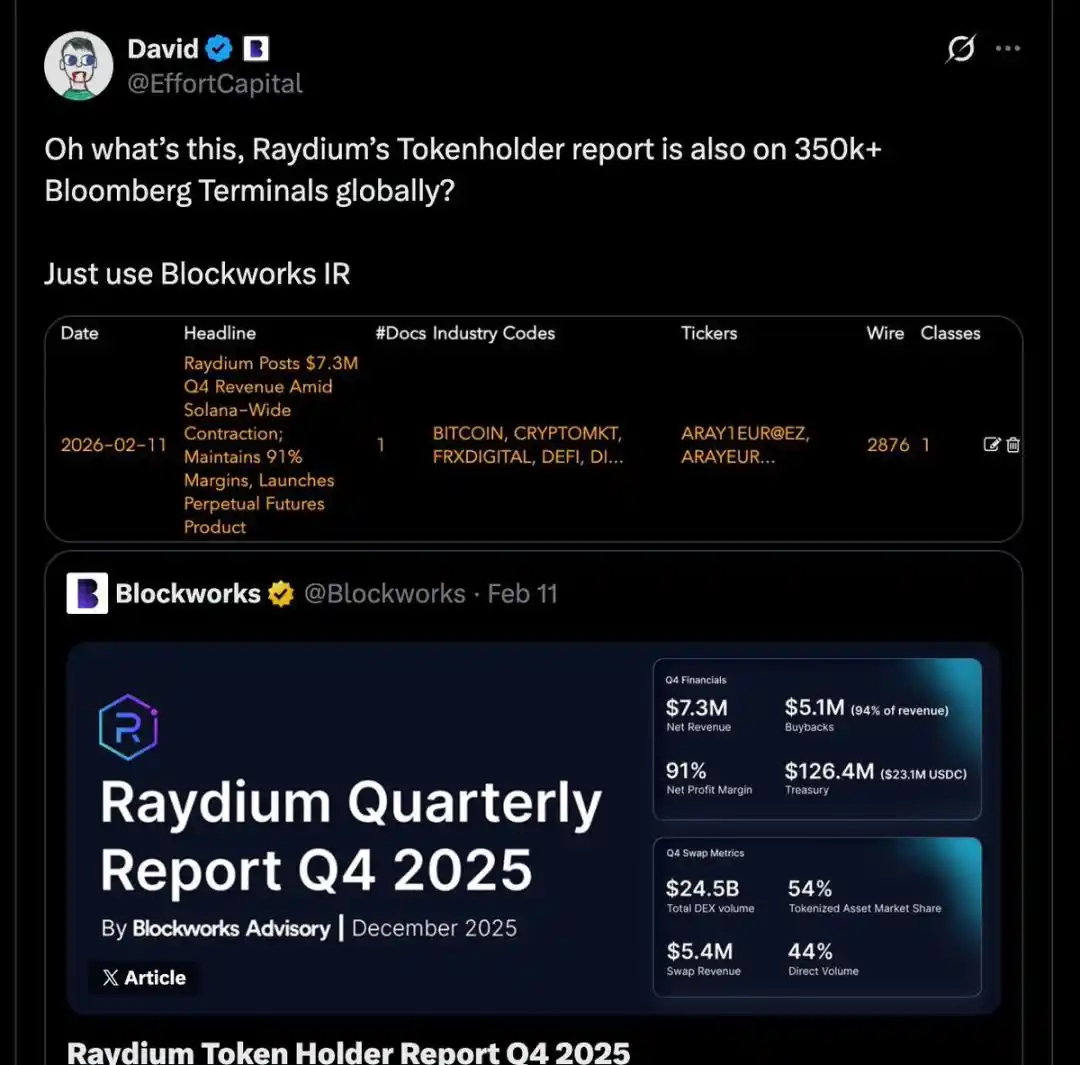
The second category is large strategic investors or institutions. Think of recent collaborations like Morpho & Apollo, or BlackRock & Uniswap. This operates on a completely different logic: longer sales cycles, stricter due diligence, and you need a mature product. If you are in the early stages or need capital in the short term, frankly, these institutions are not for you. But if you are ready, you should be where they are: on Bloomberg Terminals, at institutional summits, and building networks offline. Apply B2B sales thinking, not marketing thinking.

Control Your Narrative

If you don't proactively tell your story well, the market will tell it for you.

The reality is that the data for most protocols cannot be perfect, and that's okay. The real problem is: trying to hide it, or remaining silent for months. The excuse I hear most often is: "I don't want to get roasted on Twitter."

Projects don't die from being mocked on Twitter; they die from being forgotten by investors. The longer you go without communicating with the market, the angrier and more disappointed investors become.

You don't need perfect data; you need honesty, context, and a coherent explanation of what matters, what is improving, and what still needs work.

This is the key to building trust. Silence directly destroys it.

Token Unlocks

Token issuers must respect supply and demand.

If you want to understand price action, you only need to understand this core factor of supply and demand. Often, price management is more about the tactical operation of matching supply and demand than anything else.

The biggest mistake I see is teams starting to think about a response plan only 1-2 months before an unlock. In just 30 days, you have no time to fix a huge supply-demand imbalance.

Start planning at least 30 weeks in advance; 40-50 weeks is optimal. You need time to connect with buyers, find demand to absorb the supply, and communicate with investors if an unlock needs to be postponed.

This is the tedious, unglamorous, but critical part of IR. Give yourself enough of a time window to handle it.

Data is Your Best Ally

Narrative is important. But by 2026, a narrative unsupported by data is meaningless.

The best IR systems use data to make a token easier to understand, compare, and evaluate. The data itself should tell a complete story.
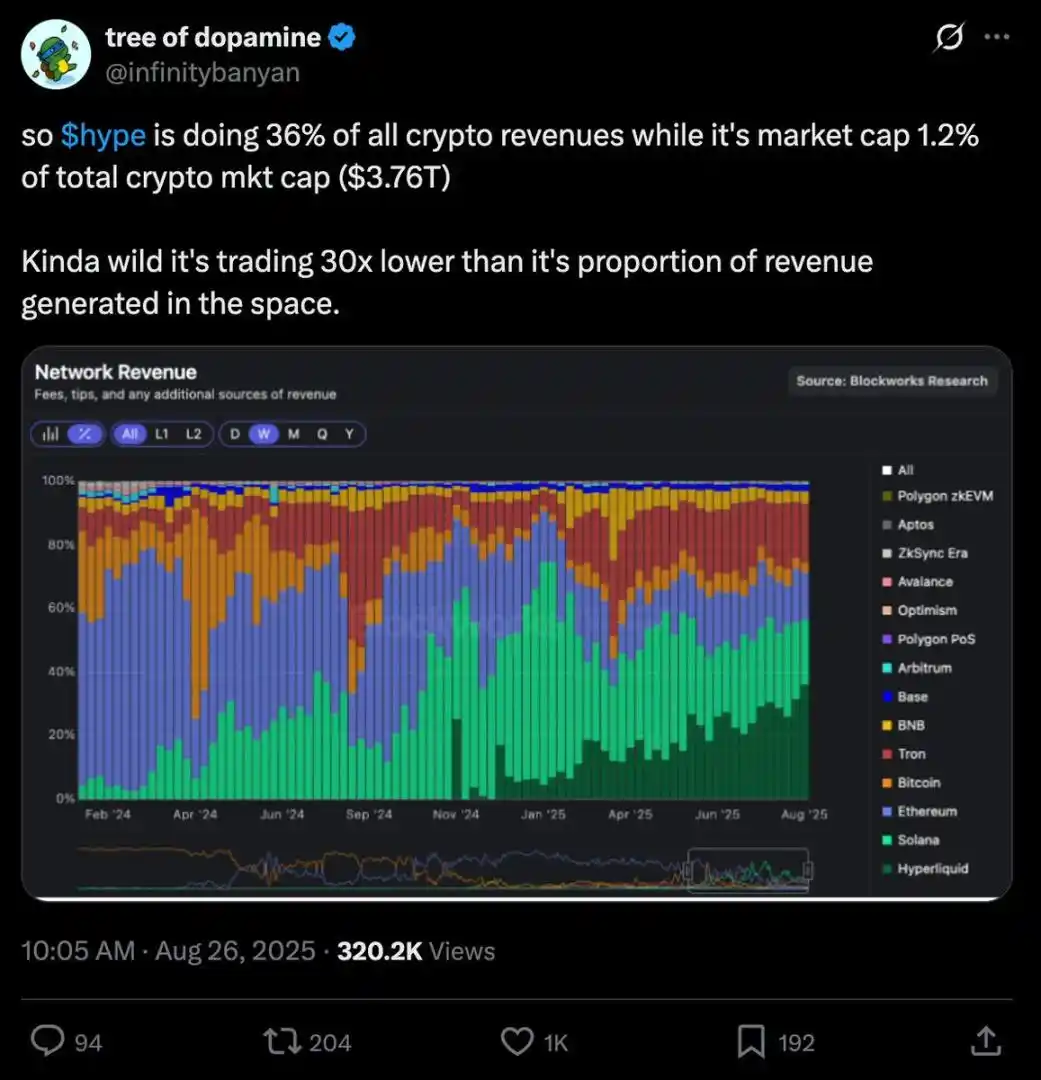
Data can come from multiple sources:

  • Proprietary data from your own protocol
  • On-chain market structure data
  • Competitive benchmarking data
  • Real-world analogies that help traditional investors understand crypto behavior

The last category is severely underestimated today. Truly excellent investor communication isn't just about showing an internal dashboard; it's about helping investors understand the role your protocol plays in the bigger picture.

For example: You operate a perpetual futures DEX, and your dashboard shows $75 million in trading volume last month. Is that good? Is it bad? Who should it be compared to? Should investors buy or run?

I see a crypto industry today with vast amounts of data but almost no context. Great teams don't just report numbers; they use numbers to tell a story.

IR is Not a Procedural Compliance Task

Most people assume investor relations in crypto is the same as in the stock market. The only problem is: IR in the stock market is incredibly boring.

Don't believe me? Listen to Vlad Tenev's perspective.

Vlad envisions a future where earnings calls are not dry Zoom presentations by a CFO to 60 sell-side analysts, but have the live feel, interaction, and emotion of an NBA post-game interview.

I completely agree. We have 8 years of experience in goal-oriented, data-driven marketing that blends offline and social media. IR should operate the same way. The goal isn't just to "inform the market"; it's to engage existing investors, deepen their conviction, and expand the pool of potential future token holders.
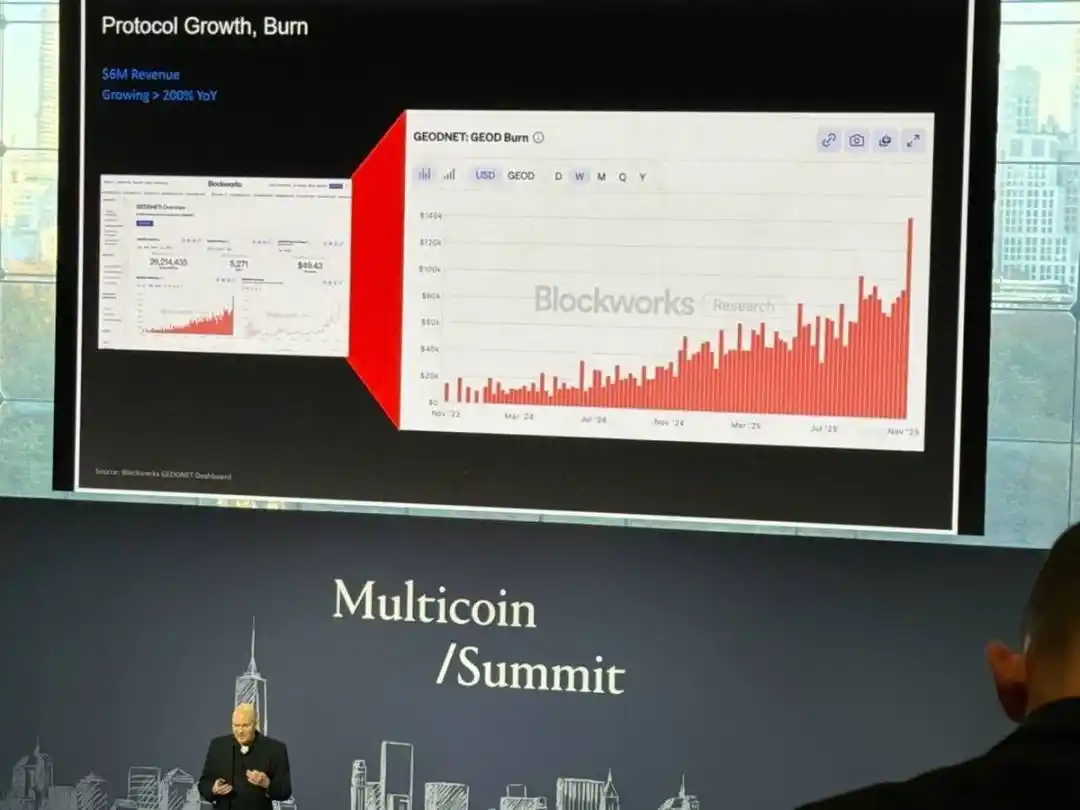
What will the future look like? Live streams on earnings day, CEOs connecting with industry guests, inviting major holders to share their insights on camera... truly interacting with investors and acquiring new holders.

Lower the Entry Cost for Potential Investors

Today, all liquidity funds must justify their holdings to their LPs. This means due diligence. This means investment memos.

If your protocol lacks public data, research reports, and contextual information, you are forcing every potential investor to build an analytical framework from scratch.

You are artificially raising the cost of investing in you. The result: fewer people will be willing to invest.

Lower the barrier for them. Continuously output high-quality information: research reports, protocol data analysis, ecosystem progress, third-party analysis. Make it easy for fund analysts to write a report and include your token in their portfolio.

Without Data Analysis, You're Flying Blind

Even the top protocols in crypto have a surprisingly weak understanding of their investor structure. Basic behavioral analysis is almost non-existent: How long do investors hold on average? Do they open perpetual hedges at token launch?

And on-chain data makes the kind of deep analysis that stock market IR teams dream of possible.

If an investor claims to be a long-term believer, the truth is already permanently recorded on-chain. Protocols that embed this analytical capability into their IR function will have a huge advantage: understanding not only existing holders but also precisely targeting the next wave of investors.

Transparency Expands Market Size

Most teams instinctively think that less disclosure is safer, but the opposite is true.

Investors are already bearing uncertainty for your token: unlocks, treasury spending, market making agreements, non-standardized terms, etc. If you don't provide answers, the market won't ignore these issues; it will fill in the blanks in the most pessimistic way possible.

The cost of insufficient transparency is incalculable. You will never know how many investors passed on your token because the information was incomplete or difficult to verify. This cost is real.

Success Metrics

It's easy to measure IR success by token price. The problem is, price is too noisy, influenced by a multitude of factors outside IR's control: macroeconomics, liquidity, market sentiment, geopolitical conflicts, etc.

A more reasonable approach is to measure whether IR has improved the quality and breadth of the investor structure.

Here are some metrics worth tracking:

  • Growth in the number of target investors actively following the token
  • Growth of quality holders across segments, especially liquidity funds and strategic institutions
  • Changes in holder concentration
  • Number of investor conversions from initial contact → active due diligence → holding a position
  • Proportion of core holders aligned with the target holding period
  • Frequency and quality of investor outreach throughout the year
  • Growth in proactive investor inquiries
  • Increased exposure in target buyer channels
  • Measured through direct communication and feedback: improvement in investors' understanding of your core thesis

For liquidity funds, a practical gauge is: compared to a year ago, do more investors have a clear valuation framework for your token?

Not everyone has to buy now, but if more people understand how to look at your token, know which milestones are important, and what price is attractive, that is real progress.

IR success isn't just "did the price go up," but "did we expand the potential holder base."

The Road Ahead

We are building in this direction because the current state of tokens is an existential challenge for the entire industry. A regrettable truth is: most tokens today do not have investment value. Jason and I genuinely want to solve this problem, and years of experience have shown us the way forward.

Tokens should be more transparent and investor-friendly than stocks because they are built on crypto infrastructure. Projects have a strong incentive to move in this direction because it vastly expands the addressable market.

More importantly, the field of investor relations hasn't seen innovation in a long time. In our view, the future of IR is绝对不是枯燥的流程任务 (definitely not a boring procedural task), but vibrant, multimedia, highly interactive, and proactive. It requires actively engaging offline, sparking discussions on social media, and telling compelling stories to attract new investors. This is the direction the industry must take.


Pertanyaan Terkait

QWhat are the two main factors to maximize token value according to the article?

AThe two main factors are: 1) How many target investors are aware of the token's existence, and 2) How many of those investors convert into buyers.

QWhat are the two primary categories of potential token buyers identified in the article?

AThe two primary categories are: 1) Active management crypto liquidity funds, and 2) Large strategic investors or institutions.

QWhy is it a critical mistake for teams to start planning for a token unlock only 1-2 months in advance?

ABecause 30 days is not enough time to fix a massive supply and demand imbalance. The article recommends starting planning at least 30 weeks, and ideally 40-50 weeks, in advance to have enough time to find buyers, secure demand, and communicate with investors if a delay is needed.

QWhat does the article suggest is the future of Investor Relations (IR), contrasting it with traditional, 'boring' stock market IR?

AThe future of IR is described as a枯燥的流程任务 (dry procedural task), but rather as生动、多媒体、高互动、主动出击 (vivid, multimedia, highly interactive, and proactive). It should involve live earnings day streams, CEO interviews with industry guests, and leveraging offline interactions and social media to tell compelling stories and attract new investors.

QAccording to the article, what is a more reasonable way to measure the success of IR efforts than token price?

AA more reasonable way is to measure whether IR has improved the quality and breadth of the investor base. This includes tracking metrics like growth in the number of target investors following the token, an increase in quality holders from specific segments, changes in holder concentration, and the number of investors moving from initial contact to active due diligence to holding the token.

Bacaan Terkait

GensynAI : Jangan Biarkan AI Mengulangi Kesalahan Internet

Beberapa bulan terakhir, banyak talenta dari industri kripto beralih ke AI karena pesatnya perkembangan industri kecerdasan buatan. Para peneliti yang bergerak di kedua bidang ini terus mengeksplorasi satu pertanyaan yang belum terjawab: **Bisakah blockchain menjadi bagian dari infrastruktur AI?** Proyek yang menggabungkan AI dan Crypto, seperti AI Agent, on-chain reasoning, pasar data, dan penyewaan daya komputasi, telah banyak bermunculan. Namun, sebagian besar masih berada di "lapisan aplikasi AI" dan belum membentuk closed-loop bisnis yang nyata. Berbeda dengan itu, **Gensyn** justru menyasar lapisan paling inti dan mahal dalam industri AI: **pelatihan model**. Gensyn bertujuan untuk mengorganisir sumber daya GPU yang tersebar secara global menjadi jaringan pelatihan AI terbuka. Pengembang dapat mengirimkan tugas pelatihan, node menyediakan daya komputasi, dan jaringan bertugas memverifikasi hasil pelatihan serta mendistribusikan insentif. Nilai utama di balik ini bukan semata-mata "desentralisasi", melainkan solusi atas masalah mendesak dalam industri AI: **sumber daya komputasi (GPU) yang semakin terkonsentrasi di tangan segelintir raksasa teknologi.** Kelangkaan pasokan H100, kenaikan harga layanan cloud, dan persaingan ketat untuk mengunci sumber daya komputasi menunjukkan bahwa kepemilikan GPU kini menjadi penentu kecepatan pengembangan AI, terutama di era model besar (large models). **Mengapa Gensyn Menarik Perhatian?** 1. **Menyasar Lapisan Infrastruktur Inti AI:** Gensyn langsung masuk ke dalam proses pelatihan model, bagian yang paling menantang secara teknis dan paling banyak mengonsumsi sumber daya. Ini adalah lapisan yang mudah membentuk hambatan platform (platform壁垒). Jika jaringan pelatihannya mencapai skala, ia berpotensi menjadi pintu masuk penting bagi pengembangan AI di masa depan. 2. **Menawarkan Model Kolaborasi Komputasi yang Lebih Terbuka:** Berbeda dengan ketergantungan pada platform cloud terpusat yang biayanya terus naik, Gensyn mengusung model yang memanfaatkan GPU menganggur dan menjadwalkan sumber daya komputasi secara dinamis. Ini dapat meningkatkan efisiensi penggunaan daya komputasi secara keseluruhan dan mengurangi hambatan inovasi bagi tim AI kecil-menengah. 3. **Tingkat Kesulitan Teknis sebagai Keunggulan:** Tantangan sebenarnya bukan sekadar menghubungkan GPU, tetapi **cara memverifikasi hasil pelatihan, memastikan kejujuran node, dan menjaga keandalan pelatihan di lingkungan terdistribusi.** Gensyn fokus pada solusi teknis ini (seperti mekanisme verifikasi probabilistik, model distribusi tugas), menjadikannya lebih mirip perusahaan infrastruktur teknologi mendalam (deep tech). 4. **Memiliki Closed-Loop Bisnis Nyata:** Kebutuhan akan pelatihan AI adalah pasar nyata yang terus berkembang, dengan celah pasokan GPU yang berkelanjutan. Gensyn tidak sekadar menambahkan blockchain untuk kepentingannya sendiri, tetapi menjawab kebutuhan industri akan sistem penjadwalan sumber daya yang lebih fleksibel dan terbuka. Singkatnya, batas antara Crypto (sistem finansial) dan AI (sistem teknologi) semakin kabur. AI membutuhkan koordinasi sumber daya, mekanisme insentif, dan kolaborasi global—hal-hal yang menjadi keahlian Crypto. Gensyn mewakili upaya untuk membuka akses kemampuan pelatihan, yang selama ini dikuasai sedikit perusahaan besar, menjadi sistem yang lebih terbuka dan dapat dikolaborasikan. Inisiatif ini tidak lagi sekadar cerita konsep, tetapi berkembang menuju infrastruktur AI nyata, di mana perusahaan paling bernilai di era AI sering kali lahir dari lapisan infrastruktur.

marsbit11j yang lalu

GensynAI : Jangan Biarkan AI Mengulangi Kesalahan Internet

marsbit11j yang lalu

Mengapa AI China Berkembang Begitu Cepat? Jawabannya Tersembunyi di Dalam Laboratorium

Pengarang mencatat bahwa laboratorium AI China telah menjadi kekuatan yang semakin sulit diabaikan dalam kompetisi model besar global. Keunggulannya tidak hanya terletak pada banyaknya talenta, kemampuan rekayasa yang kuat, dan iterasi cepat, tetapi juga berasal dari cara organisasi yang sangat realistis: lebih banyak fokus pada pembuatan model daripada konsep, lebih menekankan eksekusi tim daripada individu bintang, dan lebih memilih menguasai tumpukan teknologi inti sendiri daripada bergantung pada layanan eksternal. Dari kunjungan ke sejumlah laboratorium AI terkemuka China, penulis menemukan ekosistem AI China tidak sepenuhnya sama dengan AS. AS lebih menekankan orisinalitas, investasi modal, dan pengaruh ilmuwan puncak, sedangkan China lebih mahir dalam mengejar cepat arah yang sudah ada. Melalui sumber terbuka, optimasi rekayasa, dan kontribusi banyak peneliti muda, China mendorong kemampuan model ke garis depan dengan cepat. Yang paling menarik untuk diperhatikan bukanlah apakah AI China telah melampaui AS, melainkan dua jalur pengembangan berbeda yang terbentuk: AS lebih seperti kompetisi garis depan yang digerakkan modal dan laboratorium bintang, sedangkan China lebih seperti kompetisi industri yang didorong oleh kemampuan rekayasa, ekosistem sumber terbuka, dan kesadaran penguasaan teknologi mandiri. Ini berarti kompetisi AI di masa depan tidak hanya soal peringkat model, tetapi juga kemampuan organisasi, ekosistem pengembang, dan eksekusi industri. Perubahan nyata AI China terletak pada cara mereka berpartisipasi dalam garis depan global dengan caranya sendiri, bukan hanya meniru Silicon Valley. Penulis juga menyoroti beberapa perbedaan utama dalam ekosistem AI China: permintaan AI domestik mulai muncul, banyak pengembang terpengaruh Claude, perusahaan memiliki mentalitas kepemilikan teknologi, ada dukungan pemerintah meski skalanya belum jelas, industri data kurang berkembang dibanding Barat, dan ada kebutuhan kuat akan chip NVIDIA lebih banyak. Penutupnya menekankan pentingnya ekosistem global yang terbuka dan kolaboratif untuk menciptakan AI yang lebih aman, mudah diakses, dan bermanfaat bagi dunia.

marsbit13j yang lalu

Mengapa AI China Berkembang Begitu Cepat? Jawabannya Tersembunyi di Dalam Laboratorium

marsbit13j yang lalu

3 Tahun 5 Kali Lipat, Pabrik Kaca Berusia Satu Abad Dibangkitkan Kembali

Menurut CRU, permintaan serat optik untuk pusat data AI meningkat 75.9% per tahun, dan kesenjangan pasokan-meningkat dari 6% menjadi 15%. Harga serat optik melonjak lebih dari 3 kali lipat dalam beberapa bulan, dan kapasitas produksi tidak dapat mengimbangi. Inilah alasan NVIDIA berinvestasi di Corning dan mempercepat ekspansi kapasitas serat optik, dengan total investasi $45 miliar dalam tiga perusahaan di seluruh rantai optik. Corning, perusahaan kaca berusia 175 tahun dari New York, melihat sahamnya naik 316.81% dalam setahun terakhir, mencapai kapitalisasi pasar $160 miliar. NVIDIA memilih Corning karena keahliannya dalam serat optik khusus berkinerja tinggi yang penting untuk pusat data AI, seperti serat dengan kehilangan sinyal ultra-rendah (0.15 dB/km), kepadatan tinggi, dan ketahanan tekuk yang baik. Penghasilan Corning dari segmen komunikasi optik untuk perusahaan (Enterprise) melonjak dari $1.3 miliar pada 2023 menjadi lebih dari $3 miliar pada 2025. Perusahaan telah mengamankan kontrak pasokan jangka panjang bernilai miliaran dolar dari klien seperti Meta dan NVIDIA. Meskipun bukan produsen serat optik terbesar secara global, keunggulan teknis Corning di pasar serat canggih untuk AI, ditambah dengan investasi R&D tahunan sebesar $1 miliar, memberinya posisi unik. Percepatan adopsi teknologi **CPO (Co-Packaged Optics)** oleh NVIDIA, yang dijadwalkan mulai produksi massal pada paruh kedua 2026, menjadi katalis penting bagi permintaan serat optik premium Corning. Namun, valuasi sahamnya yang telah melonjak pesat dan potensi keterlambatan dalam eksekusi pesanan menjadi faktor risiko yang perlu diperhatikan.

marsbit13j yang lalu

3 Tahun 5 Kali Lipat, Pabrik Kaca Berusia Satu Abad Dibangkitkan Kembali

marsbit13j yang lalu

Trading

Spot
Futures

Artikel Populer

Cara Membeli CORE

Selamat datang di HTX.com! Kami telah membuat pembelian CORE (CORE) menjadi mudah dan nyaman. Ikuti panduan langkah demi langkah kami untuk memulai perjalanan kripto Anda.Langkah 1: Buat Akun HTX AndaGunakan alamat email atau nomor ponsel Anda untuk mendaftar akun gratis di HTX. Rasakan perjalanan pendaftaran yang mudah dan buka semua fitur.Dapatkan Akun SayaLangkah 2: Buka Beli Kripto, lalu Pilih Metode Pembayaran AndaKartu Kredit/Debit: Gunakan Visa atau Mastercard Anda untuk membeli CORE (CORE) secara instan.Saldo: Gunakan dana dari saldo akun HTX Anda untuk melakukan trading dengan lancar.Pihak Ketiga: Kami telah menambahkan metode pembayaran populer seperti Google Pay dan Apple Pay untuk meningkatkan kenyamanan.P2P: Lakukan trading langsung dengan pengguna lain di HTX.Over-the-Counter (OTC): Kami menawarkan layanan yang dibuat khusus dan kurs yang kompetitif bagi para trader.Langkah 3: Simpan CORE (CORE) AndaSetelah melakukan pembelian, simpan CORE (CORE) di akun HTX Anda. Selain itu, Anda dapat mengirimkannya ke tempat lain melalui transfer blockchain atau menggunakannya untuk memperdagangkan mata uang kripto lainnya.Langkah 4: Lakukan trading CORE (CORE)Lakukan trading CORE (CORE) dengan mudah di pasar spot HTX. Cukup akses akun Anda, pilih pasangan perdagangan, jalankan trading, lalu pantau secara real-time. Kami menawarkan pengalaman yang ramah pengguna baik untuk pemula maupun trader berpengalaman.

373 Total TayanganDipublikasikan pada 2024.12.13Diperbarui pada 2025.03.21

Cara Membeli CORE

Diskusi

Selamat datang di Komunitas HTX. Di sini, Anda bisa terus mendapatkan informasi terbaru tentang perkembangan platform terkini dan mendapatkan akses ke wawasan pasar profesional. Pendapat pengguna mengenai harga CORE (CORE) disajikan di bawah ini.

活动图片