The $13 Trillion Repo Market Is Quietly Being Rewritten by Blockchain

marsbitDipublikasikan tanggal 2026-05-13Terakhir diperbarui pada 2026-05-13

Abstrak

The $13 trillion repurchase agreement (repo) market, a crucial artery for global short-term funding, is experiencing a significant transformation through blockchain technology. After years of limited impact in finance, blockchain is finding substantial adoption in repo transactions. Major institutions like JPMorgan Chase, HSBC, and Broadridge are deploying tokenized repo platforms, with daily volumes already reaching tens of billions of dollars. Traditional repo markets operate with fixed hours, rely on intermediaries, and involve manual, time-consuming processes. Tokenized repos, by contrast, use blockchain to create digital tokens representing cash and securities collateral. This enables near-instantaneous settlement, 24/7 trading, automated execution, and enhanced auditability. The key drivers for adoption include maturing technology, more receptive regulators, and growing client recognition of tangible benefits like reduced operational friction and capital efficiency. Analyses, such as one from Broadridge, indicate that moving a portion of repo activity onto blockchain can significantly reduce a bank's required liquidity buffers, potentially freeing up billions in capital. The infrastructure is also seen as foundational for a future of round-the-clock trading for traditional assets. Challenges remain, including the existence of fragmented blockchain networks, the need for stress testing under extreme market conditions, and the loss of operational flexibility compared t...

Written by: Anna Irrera, Bloomberg

Compiled by: Chopper, Foresight News

JPMorgan Chase invested hundreds of millions of dollars over more than a decade to develop blockchain systems, an innovative technology once touted as poised to revolutionize financial markets, yet it struggled to trigger industry-wide transformation. Today, however, banks and blockchain technology are finally achieving a substantial breakthrough in a key area: the repo market.

The nearly $13 trillion repo market is not the flashiest track on Wall Street, yet it serves as the financial lifeline that maintains the flow of global capital. In simple terms, a repurchase agreement (repo) is a transaction where an institution borrows cash, usually overnight, using government bonds as collateral. It provides the short-term funding foundation for trading, settlement, and market-making activities across the entire financial system.

Currently, JPMorgan and its Wall Street peers have found that the blockchain technology underlying cryptocurrencies is highly compatible with repo operations. It enables precise, customizable transactions, allowing funds and collateral to move faster and be deployed more flexibly, helping traders unlock idle capital, improve funding efficiency, and simultaneously hedge market risks.
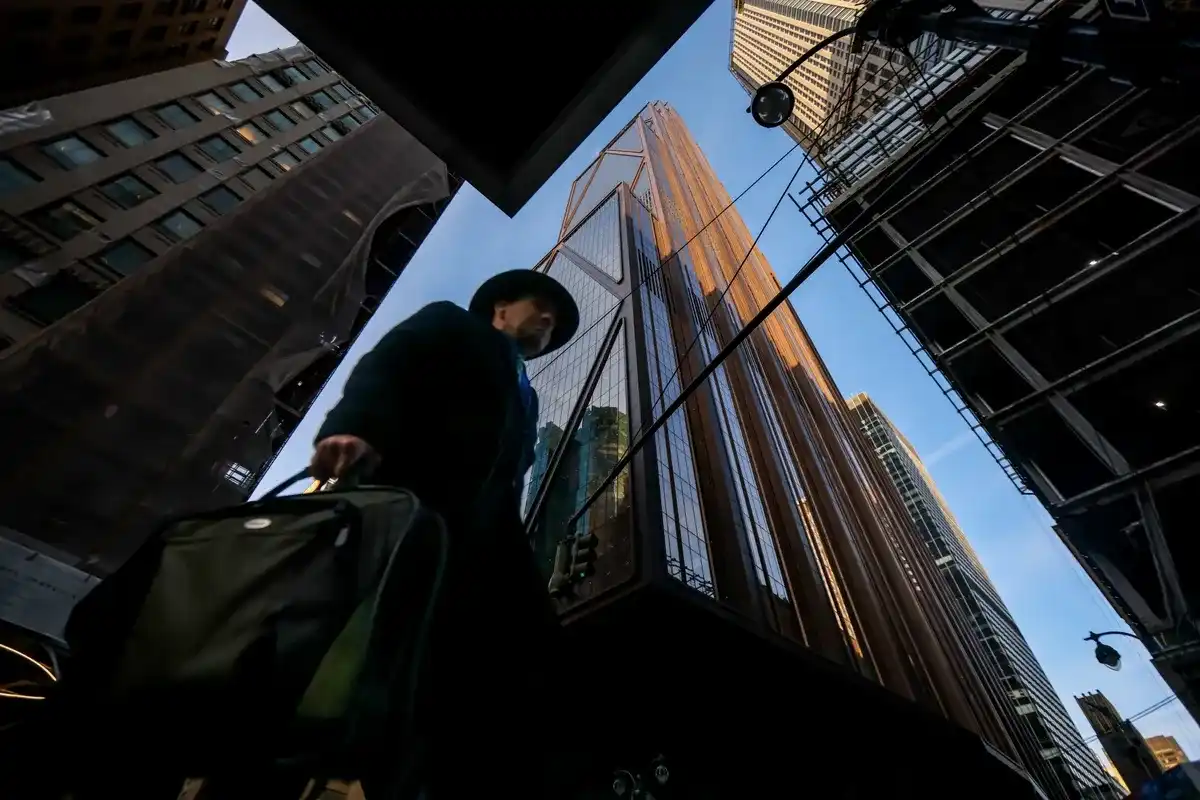
Eddie Wen, JPMorgan's Global Head of Digital Markets, stated, "The logic for applying blockchain solutions to repo business is completely sound." JPMorgan is one of the largest banks in the repo trading space, and Eddie added that clients use this product daily.

Six years ago, JPMorgan officially launched its blockchain-based funding product. To date, the platform has cumulatively processed approximately $3 trillion in repo transactions. Currently, the platform handles billions of dollars in daily client repo financing volume, with cross-departmental daily transaction volume within JPMorgan reaching around $5 billion.

For this giant, whose traditional repo market daily trading volume reaches hundreds of billions of dollars, this volume, while still a small percentage, marks a crucial step in the industry leader's formal embrace of blockchain technology.

Industry-wide Rush into Tokenized Repo

Beyond JPMorgan, institutions including HSBC, market makers DRW Holdings and Virtu Financial, as well as financial infrastructure service providers like Broadridge and trading platform Tradeweb, are collectively intensifying their focus on the tokenized repo sector. Daily tokenized repo trading volumes across various blockchain platforms have now reached tens of billions of dollars. Although the depth of participation and transaction frequency vary among institutions, joining the fray has become an industry consensus.

Objectively, the market will not transform overnight, and the scale of blockchain repo trading still lags significantly behind the traditional market. To achieve widespread adoption, more banks, dealers, and financial infrastructure providers need to adopt compatible systems. Simultaneously, the industry faces new regulatory requirements like mandatory central clearing for repos, forcing most institutions to prioritize adapting to existing workflows in the short term.

But even in its early stages, the growth momentum is already established. While most other blockchain applications in capital markets remain in pilot or proof-of-concept stages, the scale of blockchain implementation in the repo market by institutions far surpasses most mainstream financial scenarios. Tokenized repo has thus become one of blockchain's most solidly implemented and potentially impactful applications within traditional finance.

Elisabeth Kirby, Head of Market Structure at Tradeweb, which launched its blockchain repo platform late last year, stated bluntly, "This is not a proof-of-concept, nor is it a pilot project to be shelved and observed. It is a genuine growth sector."

Why Is It Booming Now?

Over the past year, tokenized repo trading has noticeably accelerated, driven by multiple converging factors. Blockchain networks have moved from testing to real business implementation; regulatory acceptance for migrating repo activities onto blockchains has significantly increased. Given the crucial role of institutions like the Federal Reserve during market turmoil, the shift in regulatory attitude is vital. A more favorable digital asset policy environment under the Trump administration has also encouraged Wall Street institutions to increase their deployments.

Meanwhile, a growing number of clients are experiencing the tangible advantages of blockchain, leading to a complete shift in industry perception: blockchain is no longer just a niche tool for the crypto world, but a universal financial infrastructure capable of optimizing transaction processes and reducing operational costs.

Yuval Rooz, CEO of digital asset firm Digital Asset Holdings, said, "The biggest change is that the industry is no longer debating whether the technology works, but focusing on how fast we can scale implementation." The company, backed by giants like JPMorgan, Goldman Sachs, DRW, Citadel Securities, and Virtu, has built the Canton Network, now one of the most mainstream blockchain foundations in traditional finance.

In February this year, the Canton Network completed several cross-border repo transactions using tokenized UK government bonds as collateral; its technology also underpins Broadridge's distributed ledger repo platform, serving institutions like UBS, HSBC, and Societe Generale.

Bloomberg L.P., the parent company of Bloomberg News, recently partnered with data service provider Kaiko to integrate Bloomberg data into the Canton Network, serving tokenized US Treasuries and on-chain repo transactions.

Operating Logic: Traditional Repo vs. Tokenized Repo

Models differ slightly across platforms, but the core distinction lies in how funds and securities flow.

The traditional repo market has fixed opening, order placement, and closing times, halting overnight and on weekends; operations heavily rely on intermediaries to handle collateral and settlement processes, involving numerous middlemen and high fees; ad-hoc changes often require phone coordination. Cross-border transactions are particularly cumbersome due to time zone and holiday mismatches, leaving idle funds tied up for hours; they are also frequently interrupted or canceled due to missed deadlines, insufficient collateral, or system failures.
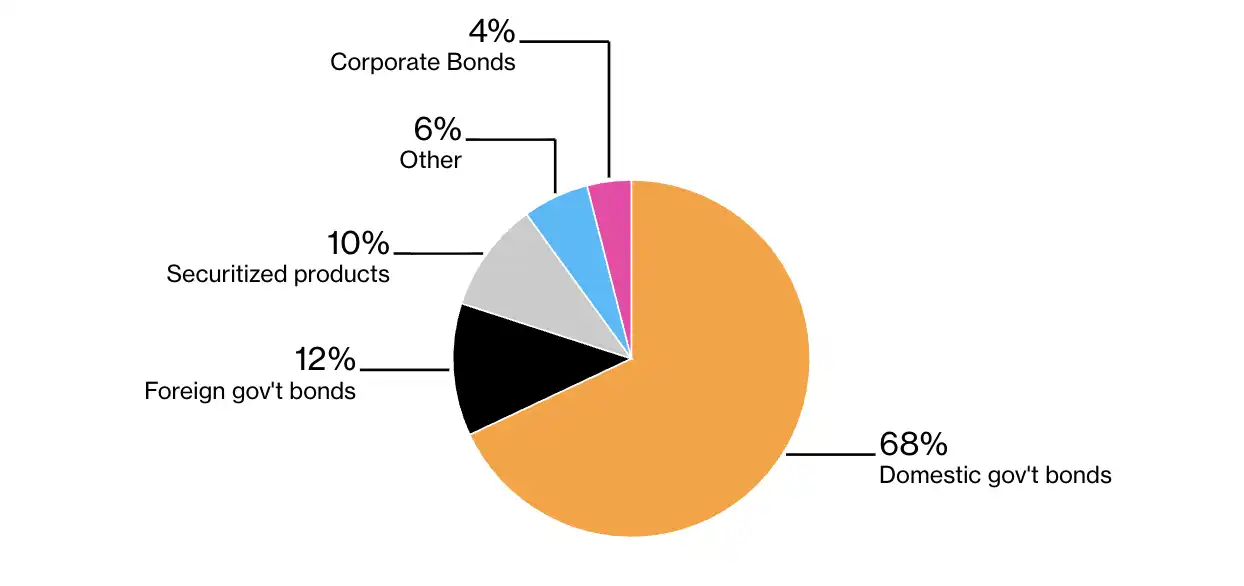
Composition of collateral types in global repo transactions

Tokenized repo perfectly addresses these pain points. A borrower initiates a funding request via a digital interface, and after confirmation by the lender, both cash and securities collateral are mapped as on-chain tokens; both parties confirm and the transaction is recorded on the chain, with terms automatically executed as agreed, and the entire process is auditable and traceable. The most significant advantage is 7x24 continuous tradability, unrestricted by traditional business hours.

Sonali Das Theisen, Head of Fixed Income, Currency, and Commodities (FICC) Electronic Trading and Market Strategy at Bank of America, commented, "Blockchain can effectively reduce friction in capital flows. The industry's movement in this direction is an inevitable trend."

Tangible Financial Benefits

For repo market giants, blockchain implementation delivers real financial gains. Banks like JPMorgan not only save on fees and transaction time but can also reduce the regulatory capital requirements for their trades.

A recent Broadridge analysis shows that if a large bank migrates 15% of its repo business onto blockchain, its daily liquidity buffer funds could decrease by 8%–17%. Specific savings depend on the institution's size, business region, asset structure, and risk appetite, but overall it can significantly unlock idle capital.

The Broadridge research report cites data from an unnamed major European bank, which needs to reserve approximately €1.1 billion (equivalent to $1.3 billion) daily to meet intraday liquidity needs. If the buffer funds were reduced by 15%, about €175 million could be freed up for other business uses or to reduce reliance on external financing.

Horacio Barakat, Global Head of Digital Innovation at Broadridge, stated, "The scale of capital savings is considerable. Even a modest optimization can save tens of millions of dollars annually in costs." The company's platform reported a daily average repo trading volume of $368 billion in April, with monthly volume nearing $8 trillion, and a 268% year-over-year increase in daily trading volume.

The industry ecosystem is also moving towards unification. DTCC, Wall Street's core clearinghouse, recently announced it will tokenize highly liquid assets held in its custody, covering US Treasuries, Russell 1000 constituent stocks, and ETFs. This move will significantly expand the pool of eligible collateral for tokenized repos, allowing institutions to directly reuse their existing custodied assets on blockchain ledgers, greatly lowering the barrier to entry.

Enabling 24/7 Trading for Traditional Assets

Industry insiders say that new financing models like tokenized repo are crucial infrastructure supporting the move toward 24/7 continuous trading for traditional assets. Nasdaq has announced plans for 24/7 trading, and the New York Stock Exchange is also developing a tokenized continuous trading platform.

DRW founder Don Wilson pointed out, "For markets to move towards 24/7 trading in the future, the ability to borrow cash at any time is essential. On-chain repos are precisely the core infrastructure supporting this transformation." As an early investor in Digital Asset, DRW has completed several tokenized transactions on the Canton Network over the past year.

DRW Founder Don Wilson

Any new technology faces similar challenges, and the large-scale application of blockchain in repo trading is no exception. While Canton has become mainstream, the industry still consists of multiple independent on-chain systems that are not interconnected. Institutions must adapt to multiple platforms and invest significant manpower in maintenance, with trading volume fragmented across them. Secondly, blockchain systems have not yet endured a full market cycle and extreme stress tests. The traditional repo market has weathered multiple risk shocks since 2008, while on-chain systems have not been tested in real-world scenarios like late-night failures or extreme market volatility.

Furthermore, traditional traders are long accustomed to existing inefficient yet established processes, with rules, error tolerance mechanisms, and post-event contingency plans becoming routine. On-chain transactions follow the principle of "code is law," leaving no room for flexibility.

Sandy Kaul, Head of Innovation at asset management giant Franklin Templeton, admitted, "Traditional business leaves a lot of room for flexible buffers. On-chain, there's zero tolerance for error. Everything is hard-coded; you can't negotiate for a few extra minutes."

Nonetheless, the prevailing industry view is that these are implementation issues to be solved, not reasons to turn back. "We are at a critical inflection point. Blockchain's entry into the traditional financial repo market has officially begun."


Pertanyaan Terkait

QWhat is the primary financial market that is currently being transformed by blockchain technology, according to the article?

AThe near $13 trillion repo (repurchase agreement) market.

QWhich major bank has developed a blockchain-based system for repo transactions, and what is its reported transaction volume?

AJPMorgan Chase has developed a blockchain-based system. It has reportedly processed approximately $3 trillion in repo transactions cumulatively.

QWhat are the key operational advantages of tokenized repos over traditional repos, as highlighted in the article?

AKey advantages include 24/7 trading capability (vs. fixed market hours), automated execution via smart contracts, reduced operational friction and intermediaries, and greater speed and flexibility in managing collateral and cash.

QWhat concrete financial benefit can banks achieve by moving a portion of their repo business onto blockchain, according to Broadridge's analysis?

AA large bank moving 15% of its repo business onto blockchain could reduce its intraday liquidity buffer by 8-17%, potentially freeing up hundreds of millions of euros/dollars for other uses or reducing external funding needs.

QWhat is the name of the main blockchain network mentioned that is used by several major financial institutions for tokenized repo transactions?

AThe Canton network, developed by Digital Asset Holdings.

Bacaan Terkait

Setelah Tiga Kuartal Berturut-Turut Turun, Bisakah Pasar Kripto Menyambut Jendela Stabilitas di Kuartal Ketiga?

Pasar kripto mengalami kuartal terburuk sejak 2022, dengan kapitalisasi pasar turun 12.6% menjadi $2.1 triliun, didorong oleh keluarnya modal dan penurunan volume perdagangan. Bitcoin dan Ethereum masing-masing jatuh 14.2% dan 25.4% di kuartal kedua. Aliran keluar bersih dari ETF Bitcoin AS mencapai $4.67 miliar, menandakan tekanan jual yang berkelanjutan. Faktor utama meliputi terputusnya hubungan dengan saham AS, kebijakan moneter Federal Reserve yang ketat, dan pelepasan aset oleh perusahaan seperti Strategy. Proses legislasi UU CLARITY yang akan memberikan kejelasan regulasi terhambat, meningkatkan premi risiko di sektor ini. Namun, ada tanda-tanda potensi stabilisasi. Aliran keluar ETF yang besar secara historis sering terjadi di akhir fase penurunan, dan para pemegang Bitcoin jangka panjang mulai menambah kepemilikan lagi. Sementara sebagian besar sektor menyusut, pasar prediksi dan aset koleksi yang ditokenisasi mencatat pertumbuhan signifikan. Pandangan untuk kuartal ketiga sangat bergantung pada pertemuan Fed akhir Juli. Sinyal kebijakan yang lunak dapat mendukung pemulihan Bitcoin, sementara sikap yang hawkish dapat memicu konsolidasi lebih lanjut. Meskipun tantangan regulasi tetap ada, indikator teknis seperti harga Bitcoin yang mendekati rata-rata bergerak 200-mingguannya menunjukkan dasar jangka panjang belum rusak. Logika pasar telah bergeser dari mengandalkan narasi ke faktor fundamental seperti kebijakan dan ekspektasi suku bunga.

marsbit5j yang lalu

Setelah Tiga Kuartal Berturut-Turut Turun, Bisakah Pasar Kripto Menyambut Jendela Stabilitas di Kuartal Ketiga?

marsbit5j yang lalu

The SpaceX Trade, Terbuka: SPCXON Mulai Diperdagangkan di WEEX

SpaceX meluncurkan IPO terbesar dalam sejarah pada Juni 2026, namun akses bagi banyak pedagang terhambat oleh batasan regional dan prosedur broker. WEEX kini menghadirkan SPCXON/USDT di pasar spotnya, sebuah instrumen tokenisasi yang memungkinkan paparan terhadap pergerakan harga SpaceX melalui akun kripto yang diselesaikan dengan USDT, tanpa memerlukan broker AS atau pembiayaan bank. SPCXON adalah produk tokenisasi yang mencerminkan ekonomi kepemilikan SpaceX bagi pedagang yang memenuhi syarat di luar AS, dengan dividen diinvestasikan kembali. Aset ini diperdagangkan di WEEX sebagai pasangan spot dengan USDT, tersedia selama jam pasar, memberikan akses mudah bagi trader kripto. Kasus investasi untuk SpaceX didasarkan pada pertumbuhan pendapatan Starlink dan pencapaian Starship, meskipun valuasinya yang tinggi (sekitar 90-110 kali pendapatan) telah memperhitungkan eksekusi sempurna selama bertahun-tahun. Faktor seperti jumlah saham publik yang terbatas dan masa buka kunci (unlock) insider pertama menjadi pertimbangan penting. Penting untuk diingat bahwa SPCXON memberikan paparan, bukan kepemilikan langsung atas saham atau hak suara. Harganya dapat diperdagangkan pada premium atau diskon terhadap nilai aset bersih. WEEX menawarkan akses ke berbagai aset TradFi yang ditokenisasi seperti ini dalam satu akun terpadu, bersama dengan pasar futures dan kampanye perdagangan dengan pool hadiah.

TheNewsCrypto5j yang lalu

The SpaceX Trade, Terbuka: SPCXON Mulai Diperdagangkan di WEEX

TheNewsCrypto5j yang lalu

Momen Perdagangan BIT: BTC Masih Tertekan oleh EMA 200 Mingguan, Setelah Ditolak Mungkin Kembali Turun, Saham Penyimpanan dan Semikonduktor yang Melonjak Malam Kemudian Mulai Anjlok di Pasar Malam

**PASAR KRIPTO & SAHAM: BTC Hadapi Resistensi, Saham Semikonduktor Turun di Perdagangan Malam** Pasar kripto melanjutkan pemulihan, dengan harga Bitcoin bertahan di sekitar $66,000 setelah rebound lebih dari 15% dari titik terendah Juli. Namun, BTC menghadapi **tembok resistensi kuat di dekat $68,000**, yang bertepatan dengan biaya rata-rata investor selama lima bulan terakhir dan titik gagalnya rebound pertengahan Juni. Secara teknis, perhatian tertuju pada **200 EMA mingguan (~$68,328) sebagai level kunci**. Jika BTC ditolak di level ini, potensi penurunan menuju support $63,000 terbuka. Analis menyoroti volume rendah dan penurunan open interest futures di CME, menandakan rebound ini lebih dipicu likuiditas rendah musim panas daripada awal bull run penuh. Di pasar saham AS, **indeks futures utama turang** setelah sesi kemarin yang kuat. Sektor semikonduktor dan penyimpanan (storage), yang melonjak pada hari Selasa (contoh: Micron +12%), **mengalami koreksi di perdagangan malam (night trading)**. ETF semikonduktor turun 2,22% dan saham Micron turun 2,29%. Meski begitu, ada sorotan positif seperti **Super Micro Computer (SMCI)** yang naik lebih dari 15% setelah melaporkan pandangan pendapatan yang kuat dan pesanan baru yang sangat besar, mengonfirmasi permintaan server AI tetap solid. Kekhawatiran makro muncul dari **kenaikan harga minyak mentah (di atas $91)** akibat ketegangan geopolitik dan **lonjakan imbal hasil (yield) obligasi pemerintah AS**, dengan imbal hasil 10-tahun mencapai sekitar 4,64%. Faktor-faktor ini dapat menambah tekanan inflasi dan membatasi ruang gerak pasar saham. Saham terkait kripto seperti Coinbase dan Robinhood naik kuat didorong oleh perkembangan regulasi yang lebih jelas di AS. Di Asia, **Korea Selatan** dan **Jepang** menunjukkan kinerja beragam. Indeks KOSPI Korea naik didukung pemulihan saham semikonduktor, sementara pasar Jepang melemah dengan **Yen terus melemah ke level terendah sejak 1986**, meningkatkan kekhawatiran akan intervensi bank sentral. **Yang Perlu Diperhatikan Selanjutnya:** * **22 Juli:** Acara AI AMD, rilis laporan keuangan dari Google (Alphabet), Tesla, IBM. * **23 Juli:** Keputusan suku bunga Bank Sentral Eropa (ECB), data klaim pengangguran AS, laporan keuangan Intel. * Perkembangan lebih lanjut dari **harga minyak, imbal hasil obligasi, dan dinamika Yen Jepang** akan menjadi penentu sentimen pasar risiko secara keseluruhan.

marsbit5j yang lalu

Momen Perdagangan BIT: BTC Masih Tertekan oleh EMA 200 Mingguan, Setelah Ditolak Mungkin Kembali Turun, Saham Penyimpanan dan Semikonduktor yang Melonjak Malam Kemudian Mulai Anjlok di Pasar Malam

marsbit5j yang lalu

Mantan Ketua CFTC dan Presiden Circle, Tarbert: Satu Pihak Menasihati Anda untuk Berpikir Jangka Panjang, di Sisi Lain Menguangkan $30 Juta Sendiri

Penulis: Zen, PANews Heath Tarbert, mantan Ketua CFTC dan Presiden Circle, baru-baru ini menyerukan kepada investor untuk mengadopsi pandangan jangka panjang terhadap saham Circle, meskipun harganya telah turun 70% dari puncaknya. Namun, ia sendiri secara konsisten menjual saham CRCL sejak perusahaan go public, menguangkan sekitar $30 juta tanpa pernah membeli saham tambahan di pasar terbuka. Tarbert, yang bergabung dengan Circle pada Juli 2023 dan menjadi Presiden pada awal 2025, dikenal sebagai pendukung kuat narasi "jangka panjang" perusahaan. Namun, sehari sebelum IPO Circle, ia menetapkan rencana perdagangan 10b5-1 untuk menjual hingga 353.290 saham dalam setahun. Dalam 13 bulan setelah IPO, ia menjual lebih dari 360.000 saham, termasuk penjualan tunggal senilai $11,5 juta pada Maret 2026. Ia bahkan menetapkan rencana 10b5-1 kedua untuk menjual hingga 160.000 saham lagi pada akhir tahun 2026. Langkah Tarbert ini menuai kecaman karena dianggap tidak konsisten dengan pesan "jangka panjang" yang ia sampaikan kepada publik. Perjalanan kariernya sering dikaitkan dengan "revolving door" antara regulator dan dunia keuangan. Setelah mengundurkan diri sebagai Ketua CFTC pada Maret 2021, ia bergabung dengan Citadel Securities hanya 27 hari kemudian sebagai Kepala Penasihat Hukum, tepat saat perusahaan itu menghadapi pengawasan ketat terkait peristiwa GameStop. Di Citadel, ia juga mendukung undang-undang yang memperluas wewenang CFTC atas pasar crypto, sementara Citadel diketahui berencana berekspansi ke aset kripto. Tarbert kemudian pindah ke Circle pada 2023, membantu perusahaan mengatasi tantangan regulasi dan akhirnya go public melalui IPO langsung. Meskipun sangat berharga bagi perusahaan, tindakannya menjual saham dalam jumlah besar sambil mendorong investor untuk bertahan menimbulkan pertanyaan tentang komitmennya yang sebenarnya terhadap masa depan jangka panjang Circle.

marsbit6j yang lalu

Mantan Ketua CFTC dan Presiden Circle, Tarbert: Satu Pihak Menasihati Anda untuk Berpikir Jangka Panjang, di Sisi Lain Menguangkan $30 Juta Sendiri

marsbit6j yang lalu

Gate Research Institute: Produk Keuangan Kripto Menggulirkan Gelombang "Wall Street-ization", Kompetisi atau Integrasi?

**Ringkasan: Gelombang "Wall Street-ization" Produk Keuangan Kripto: Kompetisi atau Integrasi?** Artikel ini membahas fenomena konvergensi antara keuangan tradisional (TradFi) dan keuangan kripto (Crypto). Meskipun Bitcoin awalnya dirancang sebagai sistem peer-to-peer yang terdesentralisasi dan bebas dari perantara seperti bank, pasar kripto kini semakin diintegrasikan ke dalam infrastruktur keuangan tradisional. **Tren "Wall Street-ization":** Dimulai dengan disetujuinya ETF spot Bitcoin pada 2024, aset kripto kini dikemas menjadi produk seperti ETF (oleh BlackRock, Fidelity, dll.), futures, dan sekuritisasi aset riil (RWA) seperti obligasi pemerintah yang ditokenisasi. Ini memberikan akses yang mudah dan teregulasi bagi investor institusional, tetapi juga berarti kekuasaan atas penerbitan, penentuan harga, kustodian, dan distribusi aset kripto semakin bergeser ke lembaga keuangan besar. **Dua Jalur Konvergensi (1+1>2):** Artikel ini menyoroti dua arah integrasi: 1. **Dari CEX ke TradFi:** Dilambangkan oleh **Gate.io**, yang berkembang dari bursa kripto menjadi platform multi-aset. Gate kini menawarkan perdagangan saham nyata (AS, Hong Kong, Korea) menggunakan USDT, menyediakan akses tanpa batas waktu ke pasar tradisional. 2. **Dari TradFi ke Crypto:** Dilambangkan oleh **Robinhood**, platform broker tradisional yang memperluas layanannya ke aset kripto (termasuk melalui akuisisi Bitstamp) dan mengembangkan produk seperti token saham di blockchain. **Tujuan Bersama: Akun Keuangan "Super" Terpadu:** Kedua jalur ini bertujuan menciptakan **akun keuangan generasi berikutnya yang terpadu**. Pengguna di masa depan mungkin dapat memperdagangkan Bitcoin, saham Apple, ETF, emas, dan obligasi pemerintah yang ditokenisasi dalam satu antarmuka yang sama, menggunakan stablecoin sebagai lapisan dana. **RWA dan Obligasi Pemerintah di On-Chain sebagai Lapisan Tengah:** Tokenisasi aset dunia nyata, terutama obligasi pemerintah AS, menyediakan aset berpenghasilan rendah risiko di ekosistem on-chain. Pasar ini tumbuh pesat (naik 40% pada paruh pertama 2026) meskipun pasar kripto turun, menunjukkan permintaan nyata. **Kesimpulan:** "Wall Street-ization" bukanlah pengambilalihan sepihak, melainkan **transformasi timbal balik**. TradFi dan Crypto saling melengkapi: Crypto mendapatkan akses ke likuiditas, kepatuhan, dan jaringan distribusi yang luas, sementara TradFi mengadopsi efisiensi, kecepatan, dan pasar 24/7 dari Crypto. Hasil akhirnya adalah pembentukan **pasar modal terpadu yang lebih efisien dan global**, di mana batas antara aset tradisional dan kripto semakin kabur.

marsbit6j yang lalu

Gate Research Institute: Produk Keuangan Kripto Menggulirkan Gelombang "Wall Street-ization", Kompetisi atau Integrasi?

marsbit6j yang lalu

Trading

Spot
活动图片




