# Artikel Terkait Creators

Pusat Berita HTX menyediakan artikel terbaru dan analisis mendalam mengenai "Creators", mencakup tren pasar, pembaruan proyek, perkembangan teknologi, dan kebijakan regulasi di industri kripto.

More and More People Are Using Xiaohongshu as an AI Incubator

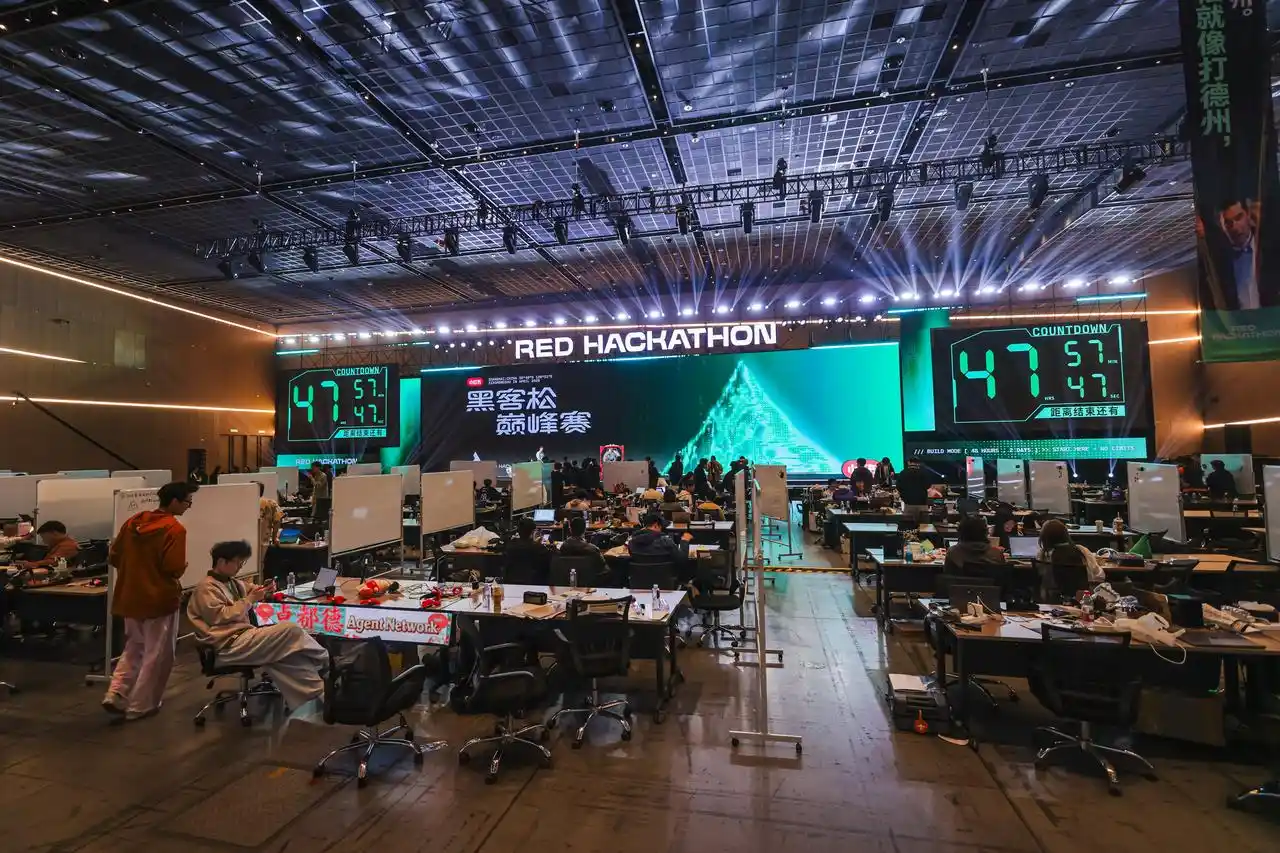
"More and more people are turning Xiaohongshu into an AI incubator," observes an article exploring a shift in China’s tech innovation landscape. The AI wave is no longer dominated by experienced tech experts; instead, young people—often with humanities backgrounds, and increasingly Gen Z or even younger—are driving creativity. This reflects a broader trend: AI is transforming entrepreneurship from a capital-heavy, top-down model into a lightweight, accessible process. The rise of "AI Native" creators was highlighted at a recent Xiaohongshu hackathon, where diverse teams showcased projects targeting highly specific, everyday problems—from AI-generated PPT improvements to brain-controlled wheelchairs and apps that simplify communication with hairstylists. The winning project, "Pocket Guitar," offers a portable, user-friendly music tool that mimics real guitar playing. These innovators embrace a "Build in Public" approach: they share ideas, progress, and failures openly on Xiaohongshu, turning development into a collaborative, community-driven process. This method helps validate demand, recruit team members, and grow user bases organically. For instance, one 23-year-old founder assembled a distributed team through technical discussions on the platform, while a 13-year-old award winner used AI to learn coding and solve real-world problems. Two key factors enable this movement: AI democratization (lowering technical barriers) and the power of social communities (enabling open collaboration and instant feedback). Xiaohongshu, originally a lifestyle and shopping guide platform, has thus evolved into a vital innovation infrastructure. It connects creators with real user needs, facilitates low-cost prototyping, and fosters a culture of co-creation. This shift signals a new era of innovation—defined not by grand narratives and scale, but by granular insights, individual creativity, and trust-based community support. Xiaohongshu’s role is expanding from answering "what to buy" to "what to create," positioning it as a potential "App Store for the AI era."

marsbit16j yang lalu

More and More People Are Using Xiaohongshu as an AI Incubator

marsbit16j yang lalu

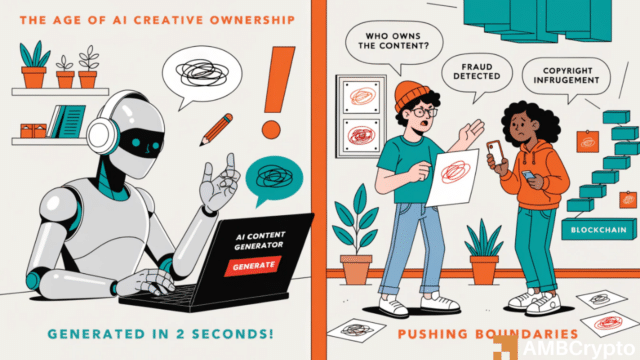
AI Wealth Tutorial: Start with NSFW, Then Sell Courses

The article "AI致富教程:先搞色色,再去卖课" (AI Money-Making Guide: Start with Adult Content, Then Sell Courses) explores how AI-generated content (AIGC) is being monetized, particularly through adult entertainment and low-barrier creative work, before ultimately shifting to selling instructional courses. A16Z’s report highlights a striking trend: in the U.S., user spending on OnlyFans surpassed combined spending on OpenAI and The New York Times. This reflects a broader pattern where “sexual appeal outperforms productivity.” Early adopters used tools like Midjourney and Stable Diffusion to create AI-generated virtual models, offering “girlfriend experiences” on platforms like Fanvue, where AI models now contribute significantly to revenue. Similarly, some turned to AI-generated children’s books, though market saturation and quality issues quickly diminished profitability. Both paths often lead to selling courses—packaging the “get-rich-quick” illusion to newcomers. However, the real barrier isn’t technical proficiency but aesthetic judgment: the ability to translate vague ideas into precise prompts. Those with design, photography, or writing backgrounds excel because they know what “good” looks like; others struggle even with advanced tools. The rise of AI also brings ethical and trust issues. Clients often reject AI-assisted work on principle, perceiving it as “unfair” or lacking human effort. Regulations now require AI-generated content labeling, but boundaries remain unclear—especially for hybrid human-AI creations. The core question isn’t just whether AI was used, but whether someone is genuinely accountable for the output. In summary, while AI lowers entry barriers for content creation, success still hinges on traditional skills like审美 (aesthetic sense), and the real money often moves from creating content to selling the dream of easy success.

marsbit03/23 10:52

AI Wealth Tutorial: Start with NSFW, Then Sell Courses

marsbit03/23 10:52

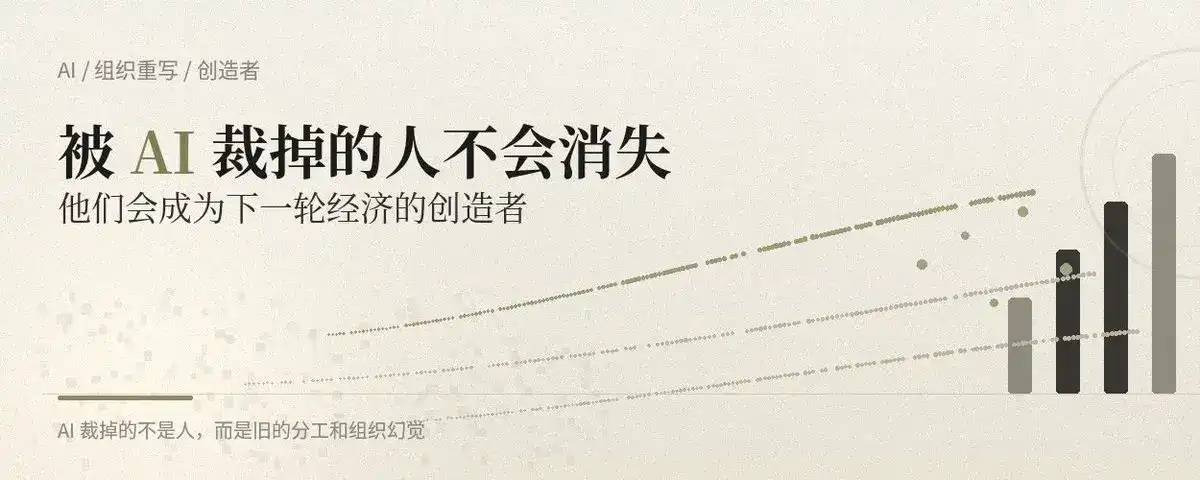
People Laid Off by AI Won't Disappear; They Will Become the Creators of the Next Economy

The article argues that the real question surrounding AI is not whether it will cause unemployment, but what happens to the people displaced. AI is replacing not humans, but the standardized, replicable, and automatable parts of human work. This follows historical patterns where technological revolutions, from stone tools to computers, made old skills obsolete and dissolved old structures—but humanity adapted and reorganized. The author draws a parallel to China’s large-scale layoffs during state-owned enterprise reforms 30 years ago, which initially seemed catastrophic but eventually fueled the growth of a new private economy, new companies, and new types of jobs. Engineers, though among the first impacted, are also positioned to recover fastest. Their systemic understanding and proximity to new productive forces make them ideal candidates to adapt and create in the new economy. More importantly, AI is reshaping companies themselves—reducing organizational bloat, communication costs, and bureaucracy. This enables smaller, more agile teams and empowers strong creators who may have previously struggled with management rather than innovation. The core issue is not job loss, but self-definition: will individuals wait to be reassigned by the old system, or use new tools to reorganize production? AI accelerates differentiation—eliminating some jobs, shattering illusions for some, and offering others a chance to leap forward. The author’s view is that AI is dismantling an entire generation’s belief in stable career paths. Those laid off won’t vanish; instead, many will reinvent themselves—transitioning from employees in old systems to creators of the next economy. Every productivity revolution淘汰 (eliminates) not people, but those who refuse to rewrite themselves. The first to accept this and start building the new world will succeed.

marsbit03/23 10:31

People Laid Off by AI Won't Disappear; They Will Become the Creators of the Next Economy

marsbit03/23 10:31

活动图片