South Korea Approves Sweeping New Crypto Licensing Rules

TheNewsCryptoDipublikasikan tanggal 2026-01-29Terakhir diperbarui pada 2026-01-29

Abstrak

South Korea has implemented comprehensive new licensing regulations for the crypto industry, shifting from fragmented oversight to a unified regulatory approach. The framework requires crypto companies, including exchanges and custodians, to obtain licenses, meet stringent standards for custody, risk management, and anti-money laundering, and adhere to stricter reporting rules. The government prioritizes investor protection through enhanced asset segregation, disclosure practices, and cybersecurity, while aiming to balance innovation with consumer safeguards. This move aligns with global trends, potentially attracting institutional investors and encouraging industry consolidation. Regulators will now focus on implementation and oversight, solidifying crypto's role in South Korea's financial future.

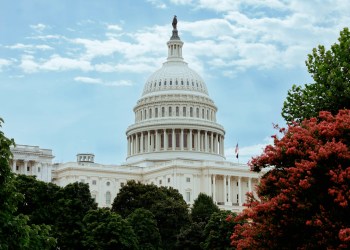
South Korea has adopted broad new licensing regulations for the crypto industry, marking a clear turning point in the regulation of digital assets. The government believes that the crypto industry should be regulated as a whole, rather than being supervised in a piecemeal fashion.

This development is part of the global trend towards regulating the crypto industry, as seen in Asia crypto adoption surges and Europe advancing crypto regulations. South Korea is now one of the most forward-thinking Asian markets in terms of developing formal regulations for the digital asset industry.

Authorities aim to reduce systemic risk, strengthen investor safeguards, and increase transparency across trading platforms. Lawmakers see crypto as a permanent part of the financial landscape, so they prefer control over prohibition.

Unified Licensing Framework Emerges

The new licensing framework requires crypto companies to obtain licenses that are commensurate with their business models. Exchanges are required to meet tougher standards in terms of custody, internal controls, and risk management. Companies that provide custody services are required to demonstrate their ability to protect digital assets from cyber attacks and operational risks.

Regulators also call for more stringent reporting requirements. Companies are required to report transaction information, hold capital reserves, and meet anti-money laundering requirements. This system is similar to the traditional financial sector but is now applied to blockchain infrastructure.

Regulators believe that this system will help purge the market of poor players while encouraging good players to follow the rules and scale up. By making it more difficult to enter the market, regulators hope to ensure long-term stability.

Investor Protection Takes Center Stage

The South Korean government puts investor protection first in the new licensing system. The retail market in crypto is still active in South Korea, and the government is concerned about market volatility, scams, and exchange collapses.

The updated framework requires clearer asset segregation, improved disclosure practices, and stronger cybersecurity defenses. Regulators want users to understand risks while ensuring platforms handle funds responsibly.

However, regulators do not want to suppress innovation. They try to strike a balance between consumer protection and the development of blockchain technology, tokenization initiatives, and digital financial services.

Global Context and Industry Impact

This action by South Korea is in line with the manner in which leading economies treat crypto as financial infrastructure and not as a niche market. Players in the industry keep abreast of such developments through publications and analytics tools. These tools show the impact of compliance with regulations on the growth of the crypto market.

The new regulatory environment may attract institutional investors who want regulatory certainty. Traditional financial institutions are reluctant to enter the market when there are no clear guidelines. The new licensing environment may facilitate new collaborations between banks and crypto companies.

Small firms may struggle to comply with the regulations. Industry consolidation may happen as a result of larger platforms taking market share.

What Comes Next

Regulators will now shift their attention to implementation and oversight. They will have to examine license applications, ensure compliance, and develop regulations as the market changes. Industry players will have to adjust to the new rules.

South Korea makes it clear that crypto will be part of its financial future. Rather than fighting the crypto industry, South Korea decides to develop it with proper oversight and accountability.

Highlighted Crypto News:

Vitalik Buterin Flags Wallet UX Gaps With Multisig Walkaway Test

TagsBlockchainCrypto Exchangescrypto regulationDigital assetsSouth Korea

Pertanyaan Terkait

QWhat is the main purpose of South Korea's new crypto licensing regulations?

AThe main purposes are to reduce systemic risk, strengthen investor safeguards, increase transparency across trading platforms, and regulate the crypto industry as a whole with proper oversight rather than prohibition.

QHow does the new licensing framework aim to protect investors?

AIt aims to protect investors by requiring clearer asset segregation, improved disclosure practices, stronger cybersecurity defenses, and ensuring platforms handle funds responsibly to mitigate risks from market volatility, scams, and exchange collapses.

QWhat potential impact could these regulations have on the crypto industry in South Korea?

AThe regulations may attract institutional investors seeking regulatory certainty, facilitate new collaborations between banks and crypto companies, but could also lead to industry consolidation as smaller firms may struggle to comply, allowing larger platforms to gain market share.

QHow do South Korean regulators view the crypto industry's role in the financial landscape?

ALawmakers see crypto as a permanent part of the financial landscape and prefer to control and develop it with proper oversight and accountability, rather than fighting or prohibiting it.

QWhat are the key requirements for crypto companies under the new licensing system?

AKey requirements include obtaining licenses commensurate with their business models, meeting tougher standards for custody, internal controls, and risk management, demonstrating cybersecurity capabilities, adhering to stringent reporting and anti-money laundering rules, and holding capital reserves.

Bacaan Terkait

Anthropic Meluncurkan IPO: Keajaiban Bisnis atau Gelembung Valuasi?

Anthropic, perusahaan AI terkemuka, secara diam-diam telah mengajukan aplikasi IPO dengan target listing pada Oktober mendatang. Perusahaan ini baru saja menyelesaikan putaran pendanaan H dengan valuasi $965 miliar, dan diperkirakan akan mencapai $1-2 triliun saat IPO, menjadikannya perusahaan dengan valuasi pra-IPO tertinggi di dunia. Banyak yang mempertanyakan apakah hal ini merupakan gelembung, mirip dengan gelembung dot-com tahun 2000. Namun, terdapat perbedaan mendasar. Tidak seperti perusahaan internet masa lalu yang hanya bergantung pada visi, Anthropic memiliki landasan bisnis yang kuat: pendapatan tahunannya melonjak dari $1 miliar (awal 2025) menjadi $47 miliar (Mei 2026), dengan target $100 miliar di akhir tahun. Perusahaan ini bahkan telah mencetak laba operasional positif. Dengan sekitar 3000 karyawan, produktivitas per karyawannya melebihi $1 juta. Kliennya termasuk 8 dari 10 perusahaan teratas Fortune, dan lebih dari 1000 perusahaan besar menghabiskan lebih dari $1 juta per tahun untuk layanan Claude. Valuasinya didukung oleh model bisnis SaaS dengan pendapatan berlangganan yang stabil dan tingkat retensi tinggi, sehingga dinilai dengan kelipatan Price-to-Sales yang wajar. Fenomena ini mencerminkan pergeseran ekonomi dari ekonomi berbasis karbon (manusia) menuju ekonomi hibrida berbasis karbon dan silikon (kecerdasan buatan dan komputasi), di mana investasi dalam kemampuan AI dan daya komputasi menjadi pengungkit utama daya saing perusahaan.

链捕手22m yang lalu

Anthropic Meluncurkan IPO: Keajaiban Bisnis atau Gelembung Valuasi?

链捕手22m yang lalu

Near Kembali ke Panggung AI: Transformasi ke Blockchain Publik karena "Kesulitan Gaji", Agen AI dan Privasi Jadi Kisah Pertumbuhan Baru

**Near Kembali ke Dunia AI: Dari Masalah Gaji Jadi Blockchain Publik, Fokus pada Agent dan Privasi** Near, yang didirikan oleh Illia Polosukhin (salah satu penulis makalah Transformer AI), awalnya adalah startup AI yang beralih membangun blockchain publik pada 2018. Penyebabnya adalah kesulitan membayar gaji developer global secara lintas batas menggunakan sistem pembayaran tradisional atau blockchain awal yang mahal dan lambat. Setelah melalui masa sebagai blockchain berkinerja tinggi dengan teknologi sharding dan meraih momentum di era *cross-chain*, Near kini kembali ke akar AI-nya. Momen kunci adalah ketika Polosukhin diundang oleh CEO Nvidia, Jensen Huang, pada Maret 2024, mengingatkan dunia tentang "darah AI" asli Near. Dengan fokus baru pada **Near Intents (Niat)** dan **Transaksi Privasi**, Near membidik pertumbuhan berikutnya: 1. **Near Intents**: Menyederhanakan pengalaman *cross-chain* dan DeFi. Pengguna atau AI Agent cukup menyatakan keinginan (misal, "tukar BTC jadi ETH"), dan jaringan *solver* akan menemukan rute terbaik. Mekanisme ini telah menangani **lebih dari $200 miliar** volume transaksi *cross-chain* dan menghasilkan **$34 juta** pendapatan biaya, dengan mayoritas (70%) datang dalam dua kuartal terakhir. 2. **Transaksi Privasi (*Confidential Swaps*)**: Menanggapi kebutuhan pasar akan privasi untuk menghindari MEV dan kebocoran strategi. Dalam 30 hari terakhir, transaksi privat menyumbang **41.63%** dari total volume transaksi di Near ($87 juta dari $209 juta). Fitur ini berpotensi menarik institusi tetapi juga membawa risiko perhatian regulator. Dengan kombinasi latar belakang pendiri di AI, infrastruktur *intent* yang ramah pengguna dan Agent, serta penawaran transaksi privat, Near berupaya membangun cerita pertumbuhan baru di persimpangan blockchain dan AI.

marsbit2j yang lalu

Near Kembali ke Panggung AI: Transformasi ke Blockchain Publik karena "Kesulitan Gaji", Agen AI dan Privasi Jadi Kisah Pertumbuhan Baru

marsbit2j yang lalu

Dari Ethereum ke "CROPS" AI: 'Variabel Lambat' yang Ditekankan Berulang oleh Vitalik Ini, Apa Sebenarnya?

Dalam beberapa kali kesempatan, Vitalik Buterin menekankan konsep "CROPS," singkatan dari Censorship Resistance (Tahan Sensor), Capture Resistance (Tahan Penangkapan), Open Source (Sumber Terbuka), Privacy (Privasi), dan Security (Keamanan). Konsep ini merupakan panduan inti bagi Ethereum Foundation, memfokuskan sumber dayanya untuk membangun kemampuan dasar yang memungkinkan pengguna mengelola aset, identitas, dan transaksi tanpa bergantung pada platform tunggal atau menyerahkan kendali akhir. Signifikansi CROPS semakin kritis dengan kemunculan AI, khususnya AI Agent yang menangani tugas seperti manajemen aset dan eksekusi transaksi otomatis. Tantangan utama adalah memastikan bahwa ketika AI bertindak sebagai perwakilan digital, ia tidak menjadi "kotak hitam" yang mengorbankan privasi, keamanan, dan kedaulatan pengguna. Oleh karena itu, diperlukan "CROPS AI" – AI yang dapat berjalan secara lokal, mengurangi ketergantungan pada layanan cloud terpusat, serta transparan dan terverifikasi. Terdapat titik temu antara "CROPS Ethereum Access Layer" dan "CROPS AI." Keduanya berusaha menjawab pertanyaan serupa: bagaimana pengguna dapat mengakses kemampuan jarak jauh (seperti RPC blockchain atau model bahasa besar/LLM) tanpa mengekspos informasi pribadi, identitas, atau niat mereka secara penuh? Solusi yang diusulkan termasuk penggunaan bukti tanpa pengetahuan (zero-knowledge proofs) untuk panggilan LLM berbayar yang privat dan pembacaan RPC Ethereum yang aman. Pada akhirnya, CROPS bukan sekadar konsep abstrak. Dalam era di mana AI semakin menguasai dunia digital, prinsip-prinsip ini akan membentuk arah pengembangan produk Web3, terutama di lapisan dompet digital, untuk memastikan pengguna tetap memegang kendali atas kehidupan digital mereka. Ini adalah variabel jangka panjang yang menentukan nilai Ethereum di masa depan.

marsbit3j yang lalu

Dari Ethereum ke "CROPS" AI: 'Variabel Lambat' yang Ditekankan Berulang oleh Vitalik Ini, Apa Sebenarnya?

marsbit3j yang lalu

Trading

Spot
Futures
活动图片