Multicoin Co-founder: Is Decentralization Always Slower Than Centralization? PropAMM Is Breaking This Bias

marsbitDipublikasikan tanggal 2026-03-13Terakhir diperbarui pada 2026-03-13

Abstrak

In a recent article, Multicoin Capital co-founder Kyle Samani argues that PropAMM (Proactive Automated Market Maker) on Solana represents one of the most significant innovations in market microstructure in decades. It challenges the long-held belief that decentralized systems are inherently slower than centralized ones due to global node communication. In traditional centralized exchanges (CEXs), market makers co-locate servers and engage in constant bidirectional communication with the exchange to update orders, resulting in latency. In contrast, PropAMM runs market-making algorithms directly on the Solana blockchain, eliminating the need for inter-server messaging. Price updates occur within the same physical silicon, drastically reducing latency. PropAMM already offers narrower spreads for SOL-USDC spot trading than major CEXs. Samani predicts it will dominate on-chain trading across spots, perpetuals, and prediction markets in 2024. Current challenges include non-deterministic routing and lack of guaranteed best execution for takers, but solutions from aggregators like Jupiter and dFlow are expected. Upcoming Solana upgrades—such as higher compute limits, reduced slot times, and lower network latency—will further enhance PropAMM performance, solidifying its advantage over traditional systems.

Author: Kyle Samani, Multicoin Co-founder

Compiled by: Azuma, Odaily Planet Daily

Editor's Note: The man who knows how to hype Solana best, Multicoin Capital's former co-founder Kyle Samani, who recently made a high-profile exit, is back!

Last night, Kyle Samani posted a long Thread on his personal X account. In the post, Samani once again demonstrated his highly persuasive "hype" (not derogatory here) rhetoric, using "efficiency"—a weak point in the decentralization narrative—as a breakthrough. He detailed how Solana's PropAMM will catch up with or even surpass traditional centralized models in efficiency, arguing that PropAMM is one of the most important innovations in market microstructure in recent years, or even decades.

Below is the original content:

PropAMM is one of the most important innovations in market microstructure in recent years, and perhaps even one of the most significant in decades.

To help everyone grasp this conclusion, let's first look at how market makers (MMs) quote prices on traditional centralized exchanges (CEXs).

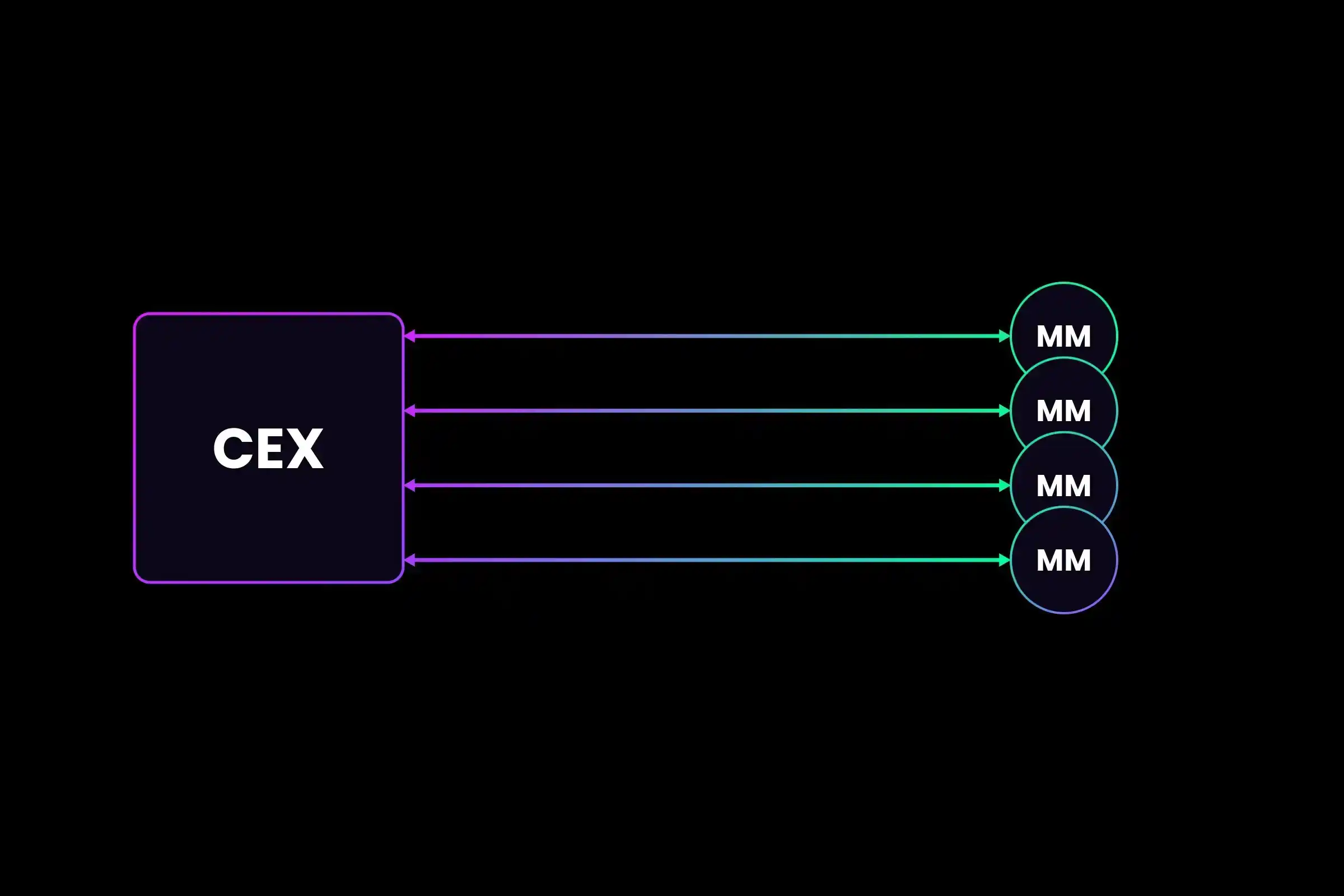
Market makers typically engage in physical co-location with the trading platform. Each market maker runs an algorithm on a server and connects to another server running the exchange's system via a network cable of uniform length (e.g., 50 meters).

A massive stream of data is constantly exchanged between market makers and the trading platform. Whenever a market maker sends an order to the exchange—whether it's a limit order, cancellation, or market order—the exchange must broadcast this information to all other market makers; then, other market makers resend their orders based on the new information; this cycle repeats indefinitely.

Here is a simple diagram.
Now let's look at how PropAMM works on the Solana mainnet.

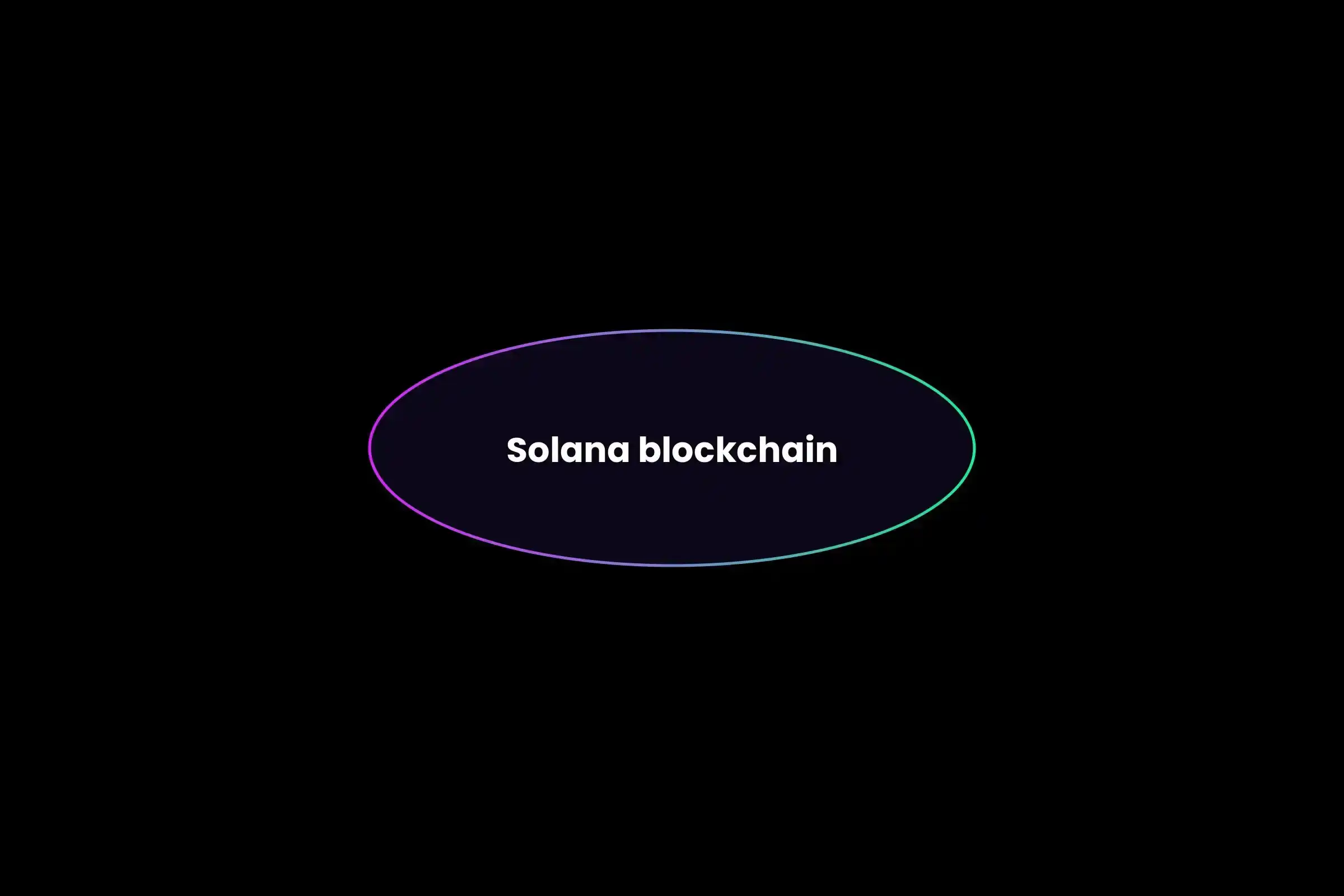
The beauty of PropAMM on Solana is that the blockchain itself directly "hosts" the market maker algorithms. This means the system no longer needs to send billions of messages back and forth between market makers and the exchange; the market-making algorithms will run directly on the same physical machine as the exchange.

Here is the new diagram. (That's right, only the Solana blockchain is needed!)
There has long been a common view in the cryptocurrency industry that decentralized systems must be slower (with higher latency) than centralized systems because they require communication between global nodes.

But if you reframe the issue, on-chain hosted algorithms could actually have lower latency than traditional centralized financial exchanges.

Why is that? The reason is that the latency required for PropAMM to update prices only involves electrons moving within the same physical silicon chip. For example, if the last market order causes a change in the SOL-USD price, this information is immediately visible to all PropAMMs and used to price the next market order. Everything happens within the same silicon chip; there is no longer a need for two-way communication between servers.

It's worth noting that PropAMM does require frequent oracle updates, but this is not a problem and does not change the overall fact described above.

The most critical point remains that when the trading platform—in this case, the Solana blockchain—directly hosts the PropAMM algorithms, the market makers' pricing changes in real-time within the same physical silicon chip.

PropAMM has already become the dominant mechanism for SOL-USDC spot quotes on Solana, with narrower spreads than all major CEXs. I expect this market structure to become the dominant model for on-chain trading this year, including spot, perpetual contracts (perps), and even prediction markets.

The biggest challenge for PropAMM is that there is currently no way to ensure that takers always get the best execution, because:

· The algorithms of all PropAMMs are not public (which is reasonable, as traditional market-making algorithms are also proprietary);

· When routing trades between multiple PropAMMs, the results are non-deterministic.

However, this problem can be solved. I expect all relevant aggregator teams to launch solutions this year, such as Jupiter and dFlow for spot, and Phoenix for contracts.

Current PropAMMs are still under-optimized and constrained by various limitations of the Solana blockchain itself. This year, Solana will roll out a series of major upgrades that will significantly enhance PropAMM performance, including:

1. Higher CU (Compute Unit) limits per transaction and larger transaction sizes;

2. Higher CU limits per block;

3. Alpenglow: Reducing slot time from 400ms to 100–150ms;

4. DoubleZero: Reducing global network latency;

5. Application-controlled execution;

6. Multiple concurrent leaders.

If PropAMMs on the Solana mainnet can already offer narrower quotes than all CEXs without these upgrades, imagine how powerful they will become as these upgrades are gradually implemented.

Related reading: The Turnaround of Kyle Samani, the "Best Crypto Investor in History," and a Mirror of a Decade Ago


Pertanyaan Terkait

QWhat is PropAMM and why is it considered a major innovation in market microstructure?

APropAMM is a mechanism on Solana where market maker algorithms are hosted directly on the blockchain, eliminating the need for constant communication between market makers and exchanges. It is considered a major innovation because it reduces latency by running algorithms on the same physical hardware as the exchange, potentially outperforming traditional centralized systems in efficiency.

QHow does PropAMM achieve lower latency compared to traditional centralized exchanges?

APropAMM achieves lower latency by hosting market maker algorithms directly on the Solana blockchain, allowing price updates to occur within the same physical silicon. This eliminates the bidirectional communication delays between market makers and exchanges in traditional systems, as all operations happen internally on the same hardware.

QWhat are the current challenges faced by PropAMM in ensuring best execution for takers?

AThe main challenges are that PropAMM algorithms are not publicly disclosed (similar to traditional market makers), and trading routing across multiple PropAMMs is non-deterministic, making it difficult to guarantee the best execution for takers automatically.

QWhich Solana upgrades are expected to enhance PropAMM performance in the future?

AKey Solana upgrades include higher CU limits per transaction, larger transaction sizes, increased CU per block, Alpenglow (reducing slot time to 100-150ms), DoubleZero (reducing global network latency), application-controlled execution, and multiple concurrent leaders.

QHow has PropAMM already demonstrated its effectiveness on Solana's mainnet?

APropAMM has become the dominant mechanism for SOL-USDC spot quotes on Solana, offering narrower spreads than all major centralized exchanges (CEXs), showcasing its efficiency and potential to lead on-chain trading in spots, perpetuals, and prediction markets.

Bacaan Terkait

Lebih Banyak Investor Bitcoin Terjebak Kerugian Tak Terealisasi Setelah Penjualan Baru-baru Ini – Ini Angkanya

Penarikan Bitcoin baru-baru ini telah membalikkan sentimen pasar secara signifikan, dengan banyak investor kini mengalami kerugian belum direalisasi. Koreksi harga sebesar 12,5% dalam seminggu terakhir telah menurunkan persentase pasokan yang dipegang dalam keuntungan menjadi sekitar 55%, level yang tergolong rendah. Meski belum mencapai level di bawah 50% seperti pada siklus pasar bear sebelumnya, tren penurunan ini berpotensi mengubah perilaku investor menjadi lebih hati-hati. Pendiri CryptoQuant, Ki Young Ju, menggambarkan fase ini sebagai periode distribusi yang menandakan perpindahan kepemilikan besar-besaran. Biaya rata-rata investor saat ini sekitar $53.000, level kritis yang secara historis menandai akhir pasar bear. Tekanan jual yang kuat saat ini berpotensi mendorong harga mendekati level tersebut, meski ada penyerapan besar-besaran oleh ETF dan akuisisi agresif oleh perusahaan seperti MicroStrategy (MSTR), yang telah membeli lebih dari 711.000 BTC dan hampir tidak menjualnya. Dengan lebih dari 1,2 juta BTC diserap dari sirkulasi oleh institusi, namun harga tetap stagnan di sekitar $61.900, analis menyoroti tekanan jual yang tidak biasa. Hampir setengah dari cadangan pertukaran telah terkonsumsi, menunjukkan dinamika pasokan yang ketat meskipun harga belum bereaksi positif. Periode ini, meski bearish dalam jangka pendek, dianggap oleh beberapa analis sebagai peluang akumulasi yang berpotensi menguntungkan untuk investor jangka panjang.

bitcoinist32m yang lalu

Lebih Banyak Investor Bitcoin Terjebak Kerugian Tak Terealisasi Setelah Penjualan Baru-baru Ini – Ini Angkanya

bitcoinist32m yang lalu

Agen Mengambil Alih Hak Distribusi Lalu Lintas, Apa yang Diperebutkan Tencent, ByteDance, dan Alibaba?

Artikel ini membahas persaingan ketat antara raksasa teknologi China—Tencent, ByteDance (Douyin), dan Alibaba—dalam memperebutkan hak penguasaan distribusi aliran di era AI melalui pengembangan *agent* pintar. Alibaba fokus pada transformasi dengan aplikasi Qianwen yang kini menjadi *super-agent*, terintegrasi dengan ekosistem seperti Taobao dan Alipay untuk menangani tugas kompleks. Mereka juga meluncurkan platform *agent* bisnis "Wukong" dan membuka ekosistem Qianwen ke merek eksternal seperti Luckin Coffee. ByteDance, dengan Doubao (3 miliar pengguna bulanan), mengejar strategi "ada di mana-mana" baik di perangkat lunak maupun keras. Mereka mengembangkan platform pengembangan *agent* Kouzi dan berekspansi ke perangkat keras seperti ponsel AI dan kacamata pintar. Tencent memegang "kartu as" tersembunyi: *agent* AI yang terintegrasi dalam WeChat, yang memungkinkan pengguna mengakses dan menggunakan jutaan *mini-program* secara langsung melalui perintah suara. Ini berpotensi mengubah WeChat menjadi sistem operasi layanan berbasis AI. Inti persaingan ini adalah pergeseran dari ekonomi perhatian (memperpanjang waktu pengguna) ke ekonomi niat (menyelesaikan kebutuhan dengan efisien). Hak distribusi aliran berpindah dari klik manual pengguna ke keputusan yang didelegasikan ke *agent* AI. Perusahaan yang menjadi lapisan eksekusi default bagi *agent* akan mendominasi nilai bisnis di era baru ini, di mana konektivitas layanan dan kompatibilitas API menjadi kunci.

marsbit2j yang lalu

Agen Mengambil Alih Hak Distribusi Lalu Lintas, Apa yang Diperebutkan Tencent, ByteDance, dan Alibaba?

marsbit2j yang lalu

Nasdaq Terjun 4% dalam Semalam, $1,3 Triliun Menguap, Pasar Saham AS Dihantam Tiga Pukulan Sekaligus

**Ringkasan Artikel: Nasdaq Jatuh 4% dalam Satu Malam, AS$1,3 Triliu Menguap, Tiga Pemicu Serangan Ganda pada Saham AS** Pada 5 Juni, pasar saham AS mengalami hari terburuk sejak krisis tarif April 2025. Indeks Nasdaq anjlok 4,18%, S&P 500 turun 2,64%, dan Dow Jones merosot 695 poin. Lebih dari AS$1,3 triliun nilai pasar perusahaan chip AS menguap. Kerugian drastis ini dipicu oleh tiga faktor yang berbarengan: 1. **Laporan Keuangan Broadcom Retakkan Narasi AI:** Meski pendapatan chip AI Broadcom melonjak 143%, panduan untuk kuartal berikutnya sedikit di bawah ekspektasi paling optimis. Ini memicu keraguan atas asumsi pertumbuhan eksponensial tanpa batas di sektor AI, menyebabkan aksi jual besar-besaran di seluruh rantai pasokan semikonduktor. Saham Broadcom sendiri jatuh 12,6%, sementara indeks Philadelphia Semiconductor ambruk 10,26%. 2. **Data Lapangan Kerja Terlalu Kuat, Racun bagi Pasar:** Laporan non-farm payroll AS bulan Mei menunjukkan penambahan 172.000 pekerjaan, jauh melampaui ekspektasi 80.000. Dalam konteks tekanan inflasi akibat perang Iran dan harga minyak tinggi (di atas $90/barel), data kuat ini justru memperkuat ekspektasi bahwa Federal Reserve (The Fed) mungkin tidak akan memotong suku bunga, bahkan berpotensi menaikkannya. Ekspektasi suku bunga yang lebih tinggi sangat merugikan valuasi saham teknologi berbasis pertumbuhan tinggi. 3. **Bayangan Inflasi dari Perang Iran:** Blokade Selat Hormuz oleh Iran sejak Februari terus mendongkrak harga energi global. Inflasi sisi penawaran ini membatasi ruang gerak The Fed dan mengikis konsensus bahwa inflasi telah terkendali, menambah ketidakpastian kebijakan moneter. Ketiga faktor ini saling memperkuat, menyerang fondasi keyakinan pasar: narasi pertumbuhan AI tanpa batas, ekspektasi pelonggaran moneter The Fed, dan konsensus inflasi yang mereda. Jatuhnya pasar dengan cepat menyebar ke bursa global di Asia dan Eropa. Apakah ini awal pecahnya gelembung AI? Mungkin lebih tepat disebut sebagai **penetapan ulang valuasi** daripada keruntuhan narasi sepenuhnya. Permintaan chip AI tetap nyata dan kuat (terbukti dari pertumbuhan 143% Broadcom), tetapi pasar mulai mempertanyakan kemampuannya untuk terus tumbuh pada laju eksponensial seperti yang dibayangkan, dan menilai ulang harga yang pantas dibayar untuk ekspektasi tersebut. Arah pasar selanjutnya akan sangat bergantung pada pertemuan The Fed bulan Juni, panduan dari perusahaan AI lainnya, dan perkembangan situasi di Timur Tengah.

marsbit2j yang lalu

Nasdaq Terjun 4% dalam Semalam, $1,3 Triliun Menguap, Pasar Saham AS Dihantam Tiga Pukulan Sekaligus

marsbit2j yang lalu

Trading

Spot
Futures
活动图片




