How to Make Web3 Products Inherently Viral? Four Years of User Growth Lessons from an Entrepreneur

比推Dipublikasikan tanggal 2025-12-30Terakhir diperbarui pada 2025-12-30

Abstrak

The author, a Web3 founder with four years of experience, shares seven key lessons learned from building consumer-facing crypto products after previously working on failed infrastructure projects. Key insights include: 1. Target younger users (ages 13-21) who are more open to adopting new technologies. 2. Design products with built-in virality to reduce marketing costs, as crypto users expect incentives and trust is low. 3. Implement user-requested features quickly (within 2-3 days) to build trust and prevent churn to competitors. 4. Choose simple, memorable product names for easier word-of-mouth sharing. 5. Engage with users directly through cold DMs despite low response rates, focusing on acquiring 10-20 dedicated early users. 6. Iterate rapidly based on user behavior rather than just feedback, prioritizing what they actually pay for. 7. Simplify websites and onboarding to minimize cognitive load and clicks, ensuring the core value is immediately apparent. The author emphasizes that speed, user-centric design, and marketing are more critical than technical perfection in consumer crypto.

Author: Rishabh Gupta

Compiled by: Jiahuan, ChainCatcher

Original title:7 Painful Lessons from 4 Years of Web3 Entrepreneurship


As a budding founder, I spent years pouring my heart into three infrastructure-layer projects that ultimately failed. In 2025, I started building a consumer product that people actually want to use. Here, I share my hard-earned insights on user acquisition and fundraising.

I've been in this industry for about 4 years.

In 2023, when "account abstraction" was the hottest topic in the circle, I started developing in the EVM ecosystem. At that time, everyone was building SDKs (Software Development Kits) for account abstract wallets. Rollup scaling solutions were also hot—Optimism, Arbitrum, and various RaaS (Rollup as a Service) dominated.

As a math enthusiast, I was deeply attracted to ZK (Zero-Knowledge proofs), believing it would change the world (I firmly believe it will, eventually).

I mistakenly believed that: Complexity == Credibility.

When VCs asked about application scenarios, I would confidently list zkML (Zero-Knowledge Machine Learning), zk identity, zk voting—but even today, no one is really using these areas. I mistook amazing technology for a useful product.

Over time, I began to believe that the more complex an idea was, the greater its chance of success.

VCs also told me that in the crypto space, building infrastructure was the only path to success.

It took me nearly 2 years and over 500 rejections to realize this wasn't for me.

Entering the Solana Ecosystem

This was a completely new ecosystem for me—here, people care about application scenarios. Even meme coins are okay, because revenue matters.

Speed matters. Distribution matters.

Having built consumer applications on Solana for 7 months, here are my insights:

1. Build for Young Users Willing to Try New Things

Try to develop for young people who are naturally receptive to new products.

In the consumer crypto space, this usually means people trading in the "trenches" or young users aged 13-21.

A 2024 study by the Consumer Technology Association showed that 86% of Gen Z (11-26 years old) consider technology core to life—a higher percentage than any older generation. They own more devices and are more willing to spend on tech products.

They are more willing to try new apps, experiment with new features, and change habits.

Users over 25 are generally less willing to adopt new workflows unless there is a very strong incentive.

(Note: If you're in the institutional business, this may not apply.)

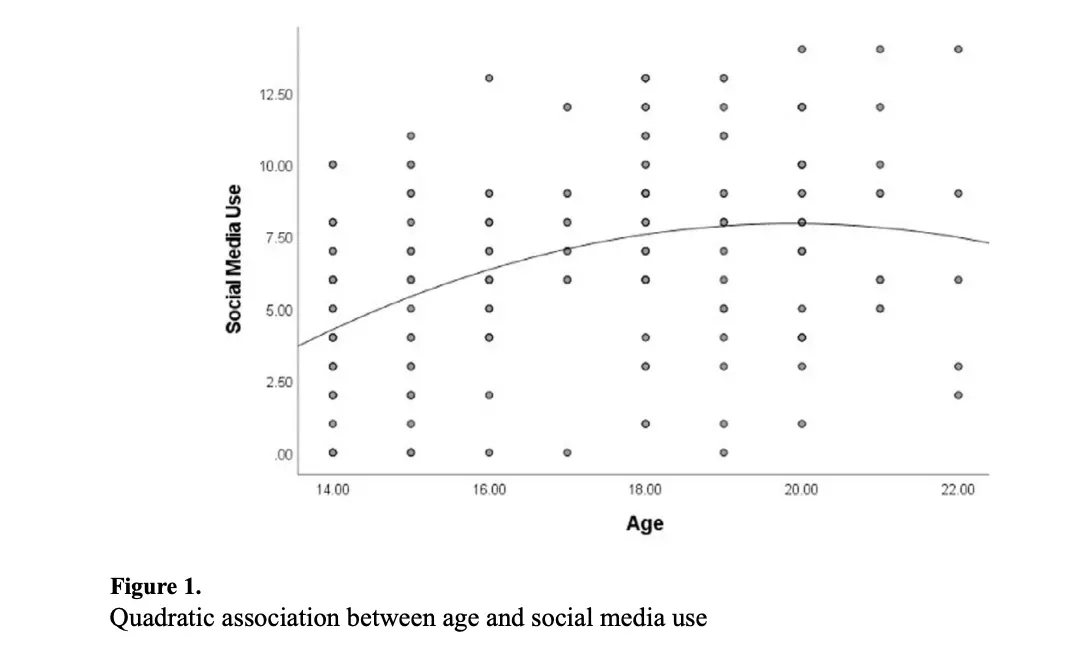
Research shows that social activity peaks around age 20-21. This means products built for young people are inherently more shareable.
2. Make the Product Inherently "Viral" to Reduce Marketing Costs

If you don't have a huge marketing or advertising budget, the product itself must be the traffic channel.

In crypto, shareability is especially important because:

  • KOL marketing is very expensive.

  • Trust is extremely low.

  • Everyone expects rewards or incentives.
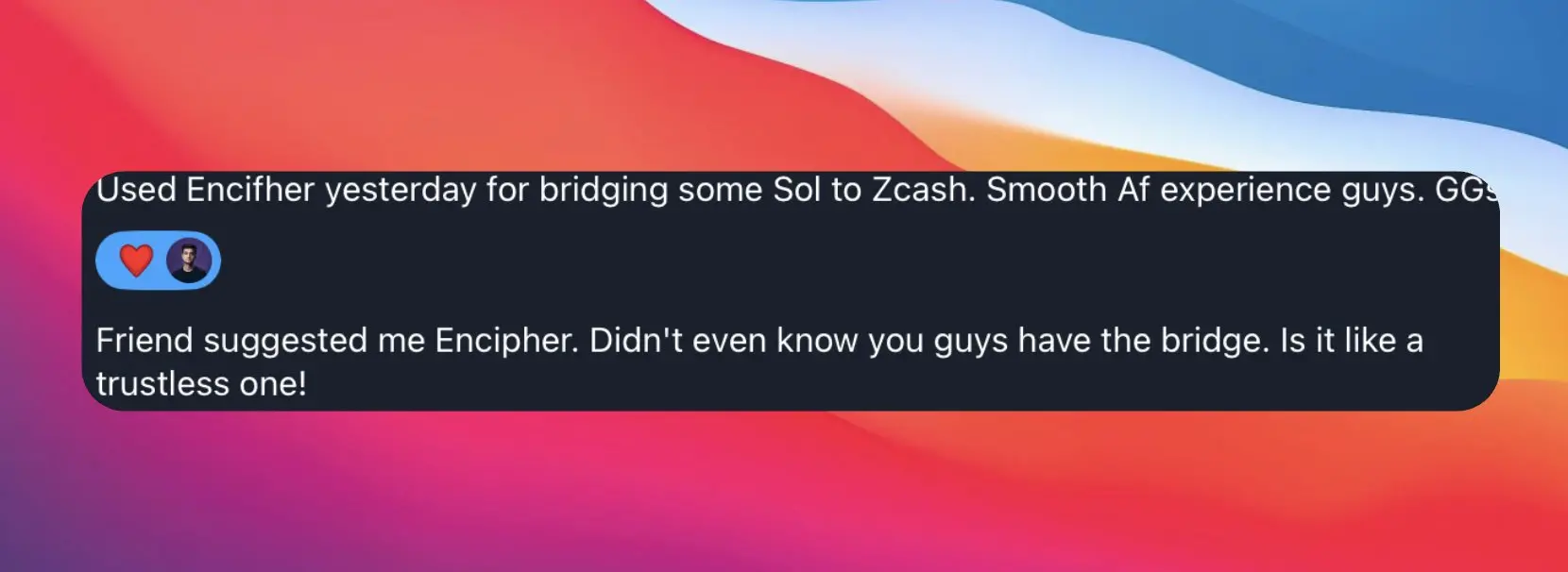
If your product gives users a reason to spontaneously share it with friends and communities, you've earned publicity without burning money. This is hard, but it's worth optimizing for from day one.

3. Launch Features Users Request as Soon as Possible

When users report a poor experience or a bug, fix it immediately, especially if it's a pain point that hinders use.

I used to wait until the end of the day to apply patches. The result was users DMing me: "Since your app doesn't have this feature, I'm going to use Product Y for now."

Once users go to a competitor and form a habit, it's hard to pull them back.

So, try to fix things immediately (ideally within 2-5 hours).

If multiple users request a feature and it's feasible:

  • Build it within 2-3 days.

  • Tell them it was launched based on their feedback.

  • Maybe even give them a reward.

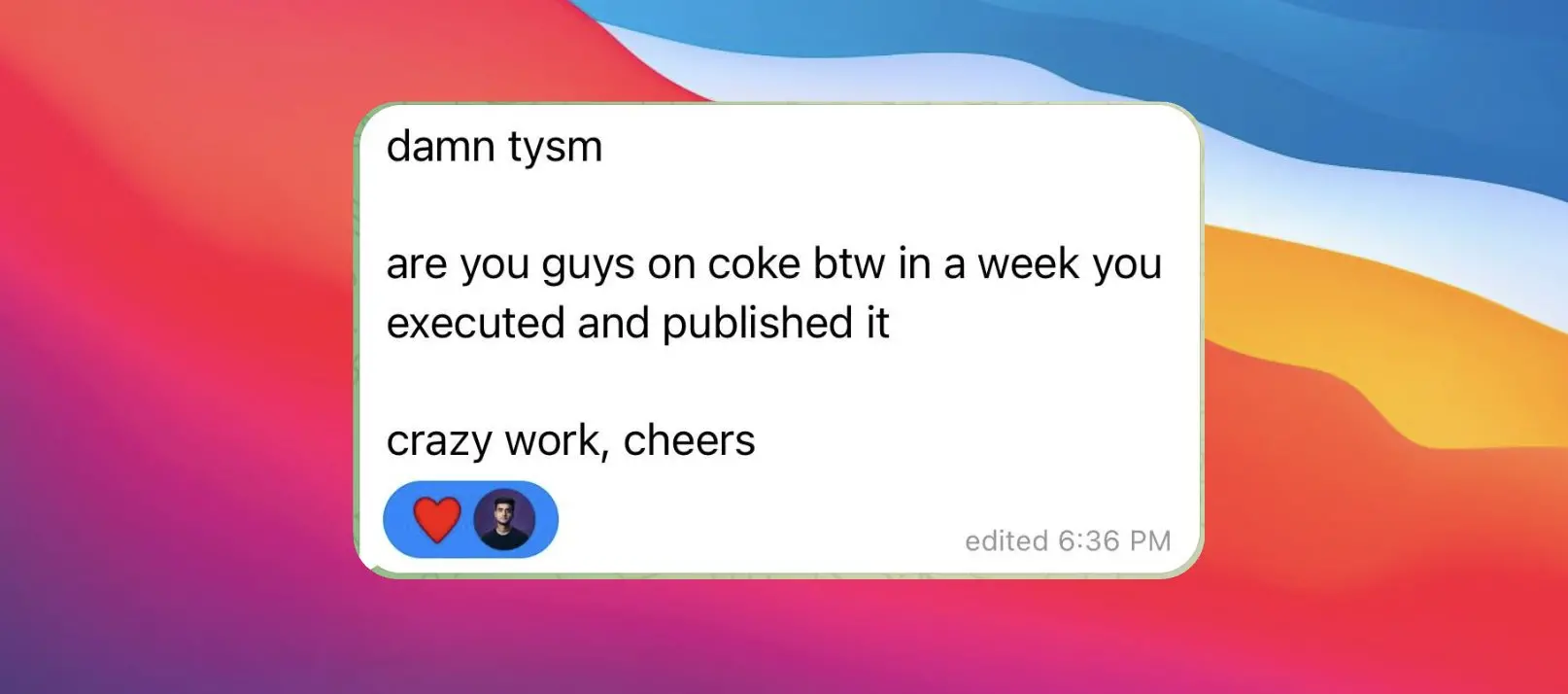
This builds deep trust. Users will start to feel the product "belongs to them," and this sense of emotional ownership is incredibly powerful in early-stage products.
4. The App Name is Very Important

This seems simple, but many people (including me) have messed it up.

The app name should be highly recognizable and easy to share verbally.

My previous product was called "Encifher," a name extremely hard to remember. Even investors and partners would misspell it when creating group chats.

So we later changed it to encrypt.trade. Simple, memorable, sexy.

5. Talking to Users is Hard, But Essential

Finding and talking to users is extremely difficult, especially when what you're building isn't part of the current "hot narrative."

When I started working on privacy, it wasn't popular. I contacted nearly 1000 people via Cold-DM: maybe 10 out of 100 would reply. Only 3-4 of those could provide substantial help.
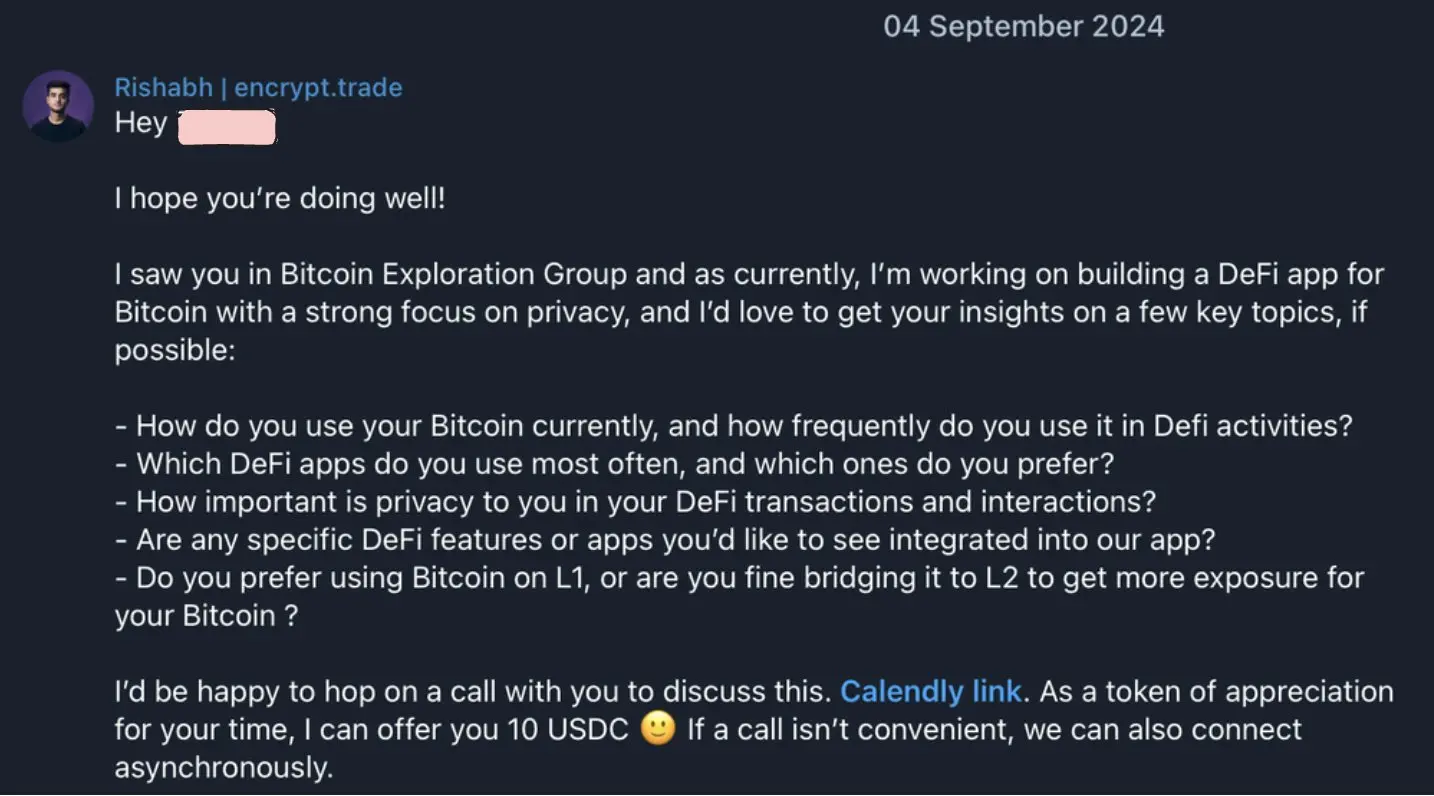
I talked to anyone who showed the slightest interest

I iterated on the product with them

Framing a Cold-DM is also an iterative process. Here are some key points to note:

  • Start with a warm greeting.

  • Put the highlights (funding status, trading volume, etc.) at the beginning.

  • Mention where you found them.

  • Give a friendly call to action.

  • Always remember to follow up.

There's no perfect Cold-DM; you must A/B test to find what works for your target audience.

Here's a decent Cold-DM template to use: But be aware, this process is slow and exhausting.
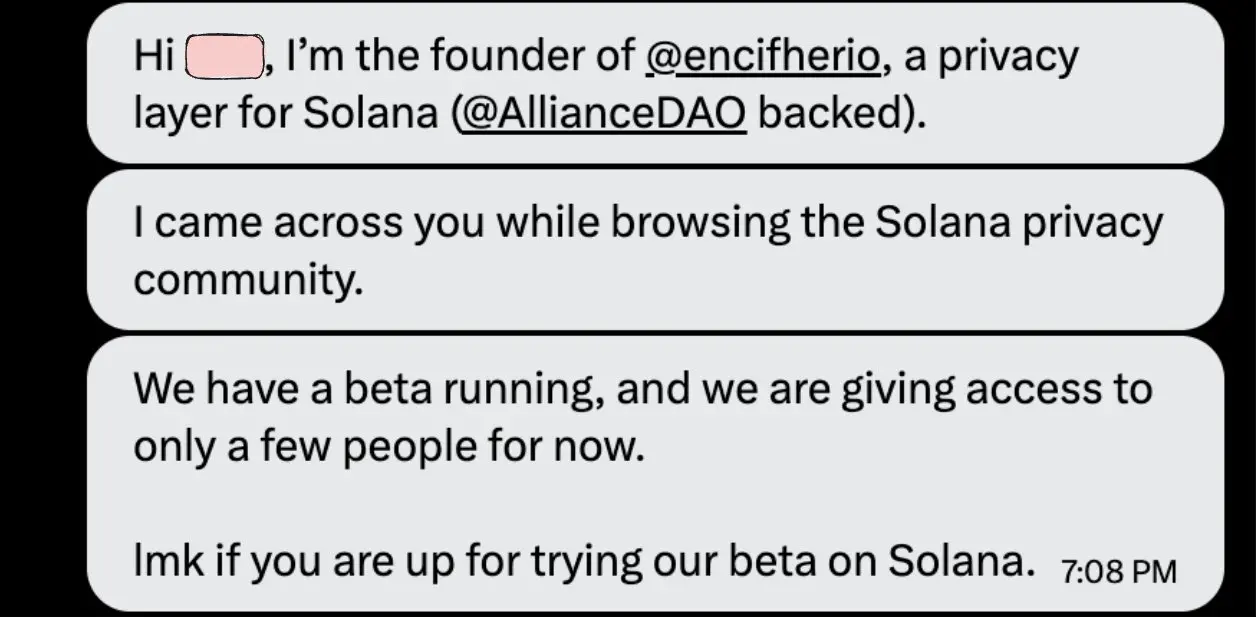

In the crypto circle, few people reply to DMs because scams are everywhere.

Low reply rates are the norm (I know, it's a bit frustrating).

Nevertheless, you must do it.

Your goal at this stage is not to get 1000 users.

Your goal is 10-20 early users who care about the problem, are willing to try the product, and will provide honest feedback.

These early users will become your support system.

Early products often go wrong; these users will help you through that phase.

6. Iterate Quickly

The crypto industry changes rapidly, and attention spans are extremely short.

You must study user behavior, not just listen to their words:

  • What are they doing repeatedly?

  • What kind of workarounds are they using?

  • What are they already willing to pay for? (Many ideas sound good, but if users aren't willing to pay, it can't survive.)

7. Make Your Website Simple to the Point of Being "Foolproof"

Never make any assumptions about the user's knowledge.

As a developer, you've stared at the product for hundreds of hours and find it obvious, but for someone entering for the first time, it's completely foreign.

  • Don't introduce new terminology or complex processes.

  • Minimize the number of clicks.

  • The core value should be presented within 5 seconds of entering the app.

Conclusion

Building consumer crypto products is both fun and challenging. Speed of iteration, user-centric thinking, and marketing ability are more important than perfect technology. This is completely different from B2B.


Twitter:https://twitter.com/BitpushNewsCN

Bitpush TG Discussion Group:https://t.me/BitPushCommunity

Bitpush TG Subscription: https://t.me/bitpush

Original link:https://www.bitpush.news/articles/7599210

Pertanyaan Terkait

QWhat is one of the key lessons the founder learned about building Web3 products for user growth?

AOne key lesson is to build for young, early-adopter users (like those aged 13-21) who are naturally more receptive to new products and have higher social activity, making the product more inherently shareable.

QWhy is it important for a Web3 product to have built-in shareability?

ABuilt-in shareability is crucial because KOL marketing is expensive, trust is low in crypto, and users expect rewards. If the product gives users a reason to share it with friends and communities organically, it reduces marketing costs and drives growth without burning cash.

QHow should founders handle user feedback and feature requests according to the article?

AFounders should address user feedback and bugs immediately, ideally within 2-5 hours for critical issues. If multiple users request a feasible feature, build it within 2-3 days, inform them it was based on their feedback, and even offer rewards to build deep trust and a sense of ownership.

QWhat did the founder realize about product names after his experience with 'Encifher'?

AHe realized that product names should be highly recognizable and easy to share verbally. 'Encifher' was hard to remember and often misspelled, so he changed it to 'encrypt.trade' for simplicity, memorability, and appeal.

QWhat is the recommended approach for cold outreach (Cold-DM) to potential users?

AThe approach includes starting with a warm greeting, highlighting key points (like funding or traction) upfront, mentioning where you found them, giving a friendly call-to-action, and always following up. The goal isn't to get thousands of users but to find 10-20 early users who care and provide honest feedback.

Bacaan Terkait

GensynAI : Jangan Biarkan AI Mengulangi Kesalahan Internet

Beberapa bulan terakhir, banyak talenta dari industri kripto beralih ke AI karena pesatnya perkembangan industri kecerdasan buatan. Para peneliti yang bergerak di kedua bidang ini terus mengeksplorasi satu pertanyaan yang belum terjawab: **Bisakah blockchain menjadi bagian dari infrastruktur AI?** Proyek yang menggabungkan AI dan Crypto, seperti AI Agent, on-chain reasoning, pasar data, dan penyewaan daya komputasi, telah banyak bermunculan. Namun, sebagian besar masih berada di "lapisan aplikasi AI" dan belum membentuk closed-loop bisnis yang nyata. Berbeda dengan itu, **Gensyn** justru menyasar lapisan paling inti dan mahal dalam industri AI: **pelatihan model**. Gensyn bertujuan untuk mengorganisir sumber daya GPU yang tersebar secara global menjadi jaringan pelatihan AI terbuka. Pengembang dapat mengirimkan tugas pelatihan, node menyediakan daya komputasi, dan jaringan bertugas memverifikasi hasil pelatihan serta mendistribusikan insentif. Nilai utama di balik ini bukan semata-mata "desentralisasi", melainkan solusi atas masalah mendesak dalam industri AI: **sumber daya komputasi (GPU) yang semakin terkonsentrasi di tangan segelintir raksasa teknologi.** Kelangkaan pasokan H100, kenaikan harga layanan cloud, dan persaingan ketat untuk mengunci sumber daya komputasi menunjukkan bahwa kepemilikan GPU kini menjadi penentu kecepatan pengembangan AI, terutama di era model besar (large models). **Mengapa Gensyn Menarik Perhatian?** 1. **Menyasar Lapisan Infrastruktur Inti AI:** Gensyn langsung masuk ke dalam proses pelatihan model, bagian yang paling menantang secara teknis dan paling banyak mengonsumsi sumber daya. Ini adalah lapisan yang mudah membentuk hambatan platform (platform壁垒). Jika jaringan pelatihannya mencapai skala, ia berpotensi menjadi pintu masuk penting bagi pengembangan AI di masa depan. 2. **Menawarkan Model Kolaborasi Komputasi yang Lebih Terbuka:** Berbeda dengan ketergantungan pada platform cloud terpusat yang biayanya terus naik, Gensyn mengusung model yang memanfaatkan GPU menganggur dan menjadwalkan sumber daya komputasi secara dinamis. Ini dapat meningkatkan efisiensi penggunaan daya komputasi secara keseluruhan dan mengurangi hambatan inovasi bagi tim AI kecil-menengah. 3. **Tingkat Kesulitan Teknis sebagai Keunggulan:** Tantangan sebenarnya bukan sekadar menghubungkan GPU, tetapi **cara memverifikasi hasil pelatihan, memastikan kejujuran node, dan menjaga keandalan pelatihan di lingkungan terdistribusi.** Gensyn fokus pada solusi teknis ini (seperti mekanisme verifikasi probabilistik, model distribusi tugas), menjadikannya lebih mirip perusahaan infrastruktur teknologi mendalam (deep tech). 4. **Memiliki Closed-Loop Bisnis Nyata:** Kebutuhan akan pelatihan AI adalah pasar nyata yang terus berkembang, dengan celah pasokan GPU yang berkelanjutan. Gensyn tidak sekadar menambahkan blockchain untuk kepentingannya sendiri, tetapi menjawab kebutuhan industri akan sistem penjadwalan sumber daya yang lebih fleksibel dan terbuka. Singkatnya, batas antara Crypto (sistem finansial) dan AI (sistem teknologi) semakin kabur. AI membutuhkan koordinasi sumber daya, mekanisme insentif, dan kolaborasi global—hal-hal yang menjadi keahlian Crypto. Gensyn mewakili upaya untuk membuka akses kemampuan pelatihan, yang selama ini dikuasai sedikit perusahaan besar, menjadi sistem yang lebih terbuka dan dapat dikolaborasikan. Inisiatif ini tidak lagi sekadar cerita konsep, tetapi berkembang menuju infrastruktur AI nyata, di mana perusahaan paling bernilai di era AI sering kali lahir dari lapisan infrastruktur.

marsbit12j yang lalu

GensynAI : Jangan Biarkan AI Mengulangi Kesalahan Internet

marsbit12j yang lalu

Mengapa AI China Berkembang Begitu Cepat? Jawabannya Tersembunyi di Dalam Laboratorium

Pengarang mencatat bahwa laboratorium AI China telah menjadi kekuatan yang semakin sulit diabaikan dalam kompetisi model besar global. Keunggulannya tidak hanya terletak pada banyaknya talenta, kemampuan rekayasa yang kuat, dan iterasi cepat, tetapi juga berasal dari cara organisasi yang sangat realistis: lebih banyak fokus pada pembuatan model daripada konsep, lebih menekankan eksekusi tim daripada individu bintang, dan lebih memilih menguasai tumpukan teknologi inti sendiri daripada bergantung pada layanan eksternal. Dari kunjungan ke sejumlah laboratorium AI terkemuka China, penulis menemukan ekosistem AI China tidak sepenuhnya sama dengan AS. AS lebih menekankan orisinalitas, investasi modal, dan pengaruh ilmuwan puncak, sedangkan China lebih mahir dalam mengejar cepat arah yang sudah ada. Melalui sumber terbuka, optimasi rekayasa, dan kontribusi banyak peneliti muda, China mendorong kemampuan model ke garis depan dengan cepat. Yang paling menarik untuk diperhatikan bukanlah apakah AI China telah melampaui AS, melainkan dua jalur pengembangan berbeda yang terbentuk: AS lebih seperti kompetisi garis depan yang digerakkan modal dan laboratorium bintang, sedangkan China lebih seperti kompetisi industri yang didorong oleh kemampuan rekayasa, ekosistem sumber terbuka, dan kesadaran penguasaan teknologi mandiri. Ini berarti kompetisi AI di masa depan tidak hanya soal peringkat model, tetapi juga kemampuan organisasi, ekosistem pengembang, dan eksekusi industri. Perubahan nyata AI China terletak pada cara mereka berpartisipasi dalam garis depan global dengan caranya sendiri, bukan hanya meniru Silicon Valley. Penulis juga menyoroti beberapa perbedaan utama dalam ekosistem AI China: permintaan AI domestik mulai muncul, banyak pengembang terpengaruh Claude, perusahaan memiliki mentalitas kepemilikan teknologi, ada dukungan pemerintah meski skalanya belum jelas, industri data kurang berkembang dibanding Barat, dan ada kebutuhan kuat akan chip NVIDIA lebih banyak. Penutupnya menekankan pentingnya ekosistem global yang terbuka dan kolaboratif untuk menciptakan AI yang lebih aman, mudah diakses, dan bermanfaat bagi dunia.

marsbit14j yang lalu

Mengapa AI China Berkembang Begitu Cepat? Jawabannya Tersembunyi di Dalam Laboratorium

marsbit14j yang lalu

3 Tahun 5 Kali Lipat, Pabrik Kaca Berusia Satu Abad Dibangkitkan Kembali

Menurut CRU, permintaan serat optik untuk pusat data AI meningkat 75.9% per tahun, dan kesenjangan pasokan-meningkat dari 6% menjadi 15%. Harga serat optik melonjak lebih dari 3 kali lipat dalam beberapa bulan, dan kapasitas produksi tidak dapat mengimbangi. Inilah alasan NVIDIA berinvestasi di Corning dan mempercepat ekspansi kapasitas serat optik, dengan total investasi $45 miliar dalam tiga perusahaan di seluruh rantai optik. Corning, perusahaan kaca berusia 175 tahun dari New York, melihat sahamnya naik 316.81% dalam setahun terakhir, mencapai kapitalisasi pasar $160 miliar. NVIDIA memilih Corning karena keahliannya dalam serat optik khusus berkinerja tinggi yang penting untuk pusat data AI, seperti serat dengan kehilangan sinyal ultra-rendah (0.15 dB/km), kepadatan tinggi, dan ketahanan tekuk yang baik. Penghasilan Corning dari segmen komunikasi optik untuk perusahaan (Enterprise) melonjak dari $1.3 miliar pada 2023 menjadi lebih dari $3 miliar pada 2025. Perusahaan telah mengamankan kontrak pasokan jangka panjang bernilai miliaran dolar dari klien seperti Meta dan NVIDIA. Meskipun bukan produsen serat optik terbesar secara global, keunggulan teknis Corning di pasar serat canggih untuk AI, ditambah dengan investasi R&D tahunan sebesar $1 miliar, memberinya posisi unik. Percepatan adopsi teknologi **CPO (Co-Packaged Optics)** oleh NVIDIA, yang dijadwalkan mulai produksi massal pada paruh kedua 2026, menjadi katalis penting bagi permintaan serat optik premium Corning. Namun, valuasi sahamnya yang telah melonjak pesat dan potensi keterlambatan dalam eksekusi pesanan menjadi faktor risiko yang perlu diperhatikan.

marsbit14j yang lalu

3 Tahun 5 Kali Lipat, Pabrik Kaca Berusia Satu Abad Dibangkitkan Kembali

marsbit14j yang lalu

Trading

Spot
Futures
活动图片





