Crypto Barbarians: The Jupiter System Still Owes the Market an Answer

marsbitDipublikasikan tanggal 2026-03-11Terakhir diperbarui pada 2026-03-11

Abstrak

The article "Encryption Barbarians: The Jupiter System Still Owes the Market an Answer" investigates the controversies surrounding the Jupiter ecosystem, particularly its affiliated projects Meteora and the founders Meow and Ben Chow, originally from the Mercurial Finance project backed by Alameda Research and FTX. After FTX's collapse, the team split into Jupiter (focused on liquidity aggregation) and Meteora (focused on dynamic market making), creating a vertically integrated ecosystem that controls everything from fiat on-ramps (via Moonshot acquisition) to trading and liquidity. This closed-loop system, while efficient, has been repeatedly accused of exploiting information asymmetry. Key controversies include: - Suspicious MET token airdrop distribution in October 2025, where a few wallets received disproportionately large allocations and showed patterns of coordinated dumping. - Suspected insider trading ahead of MET's listing on Upbit in November 2025. - The LIBRA token scandal in February 2025, where Meteora was accused of supporting a token that crashed after reaching a $4.6B market cap, causing $280M in losses. Ben Chow resigned and appointed law firm Fenwick & West (already under scrutiny for its work with FTX) for an independent investigation, which further damaged trust. While on-chain detective ZachXBT's recent report cleared Meteora in the Axiom Exchange insider trading case, the ecosystem remains under a cloud of suspicion over its centralized control, lack ...

Author: Chloe, ChainCatcher

On February 26, 2026, on-chain detective ZachXBT officially unveiled the truth behind the Axiom Exchange insider trading case: a senior business development employee had abused backend permissions for ten months, tracking KOLs' private wallets to front-run trades, illegally profiting over $400,000. This report not only concluded the case but also settled the high-stakes prediction market on Polymarket, which had held the entire market in suspense with a betting pool of $40 million.

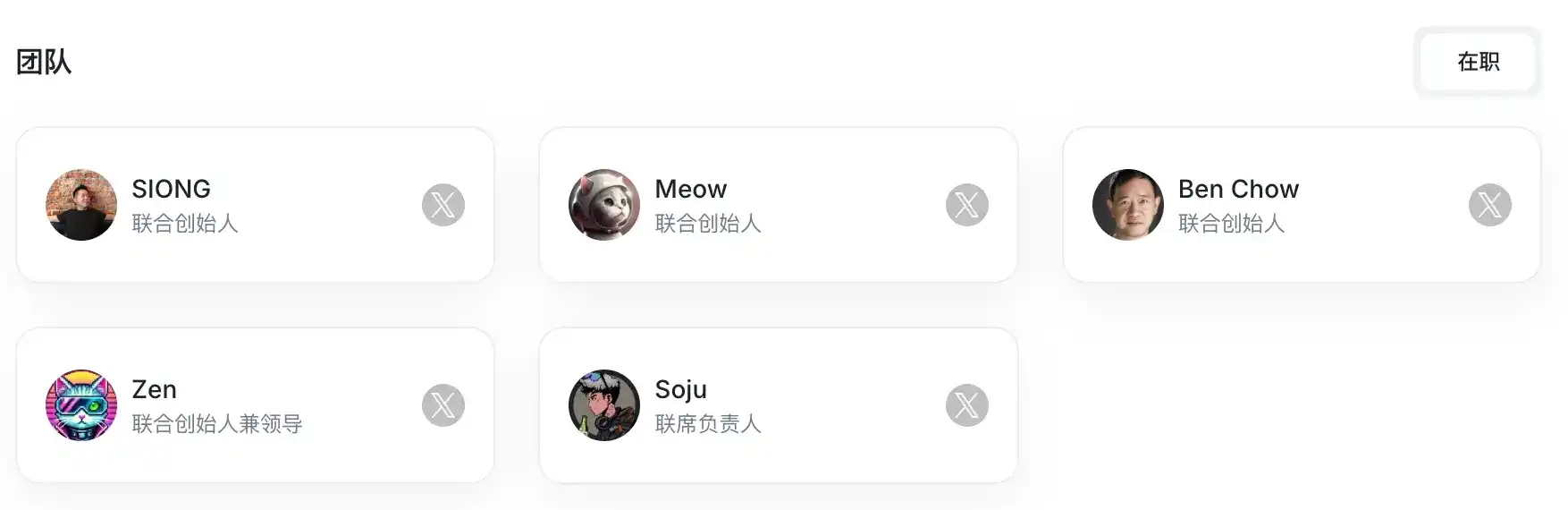
However, beyond the truth, ripples remain. Before the investigation's results were revealed, the market had unanimously pointed fingers at Meteora, whose implied probability once soared to 43%. This was not baseless speculation. According to crypto asset data platform RootData, Meteora is backed by a Singaporean-Malaysian founding team core of Meow and Ben Chow. They rose from the ashes of Mercurial Finance and built a full-stack matrix within the Solana ecosystem encompassing traffic entry points, trading aggregation, and liquidity infrastructure.
From past controversies like the LIBRA dispute, the MET airdrop scandal, to the Upbit listing rumors, Meteora's development history has always lingered in the gray area of "information asymmetry arbitrage." Although ZachXBT ultimately targeted Axiom, the various clouds of suspicion surrounding Meteora seem never to have been truly answered.

From Mercurial to the "Jupiter System," the Foundational Connection Remains

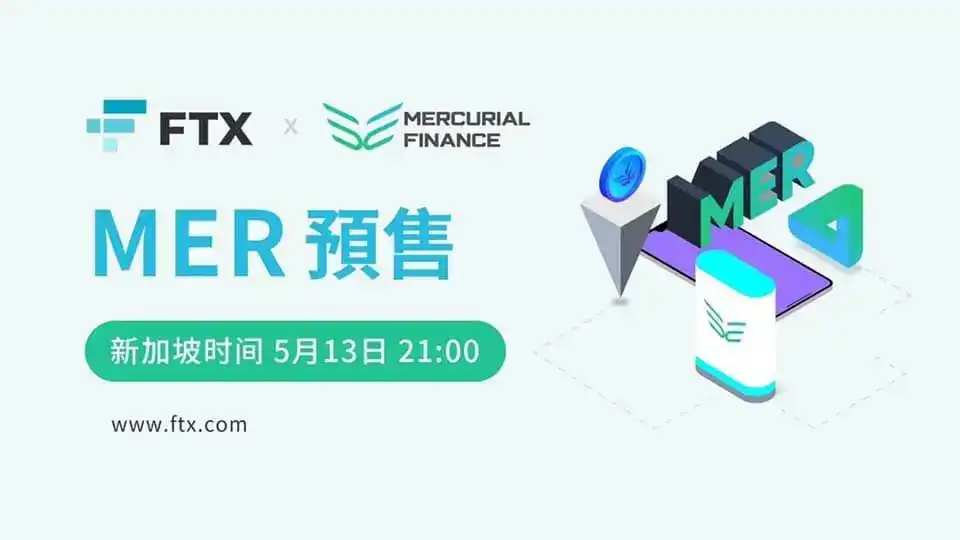
The starting point of everything traces back to 2021, when the pseudonymous Meow and Ben Chow founded Mercurial Finance on Solana, positioning it as a stablecoin asset management protocol aiming to be the Solana version of Curve. In that liquidity-surged bull market cycle, Mercurial not only received support from Alameda Research but also completed an IEO (Initial Exchange Offering) on the FTX platform with SBF's personal endorsement. Its TVL once accounted for 10% of the Solana ecosystem, a truly glorious time.
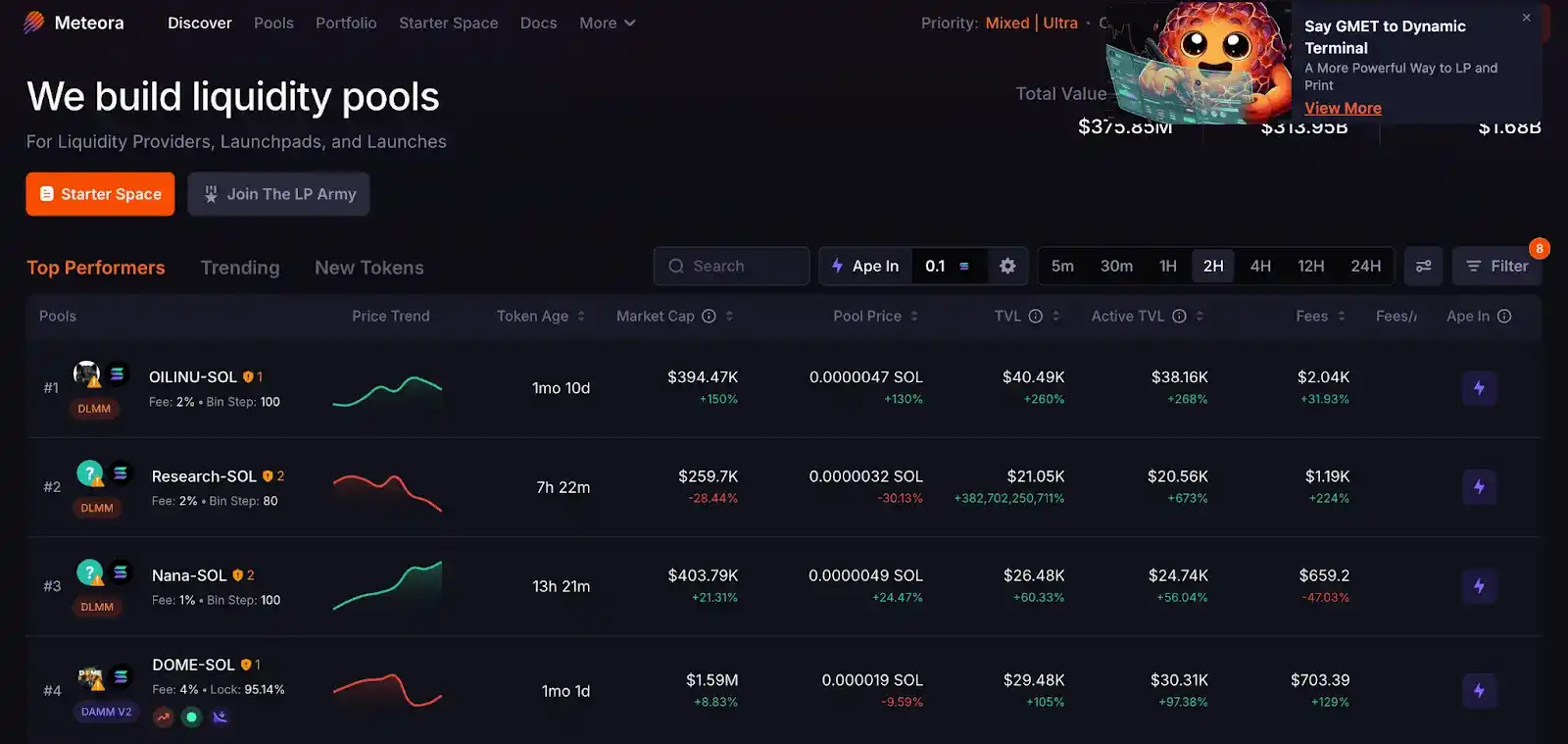
The collapse of the FTX empire in 2022 severely wounded Mercurial. However, the two founders did not choose to liquidate and leave but embarked on a rebuilding path called the "Phoenix Plan": splitting the business in two. Meow led Jupiter, aiming to solve Solana's liquidity fragmentation by defining optimal prices through routing algorithms; Ben Chow took the helm at Meteora, focusing on developing a highly capital-efficient Dynamic Liquidity Market Maker (DLMM) model. This split,表面上 (superficially) was about business focus, but in reality, it formed two independent brands with complementary flywheels, yet they were always connected in terms of shareholder structure and underlying logic.
On the traffic front, Jupiter pursued an aggressive strategy. According to crypto asset data platform RootData, in January 2025, Jupiter acquired Moonshot, successfully creating the shortest path for retail users to directly purchase meme coins via Apple Pay or credit cards, flattening the consistently high barrier to entry in the crypto industry to a consumer-grade level.
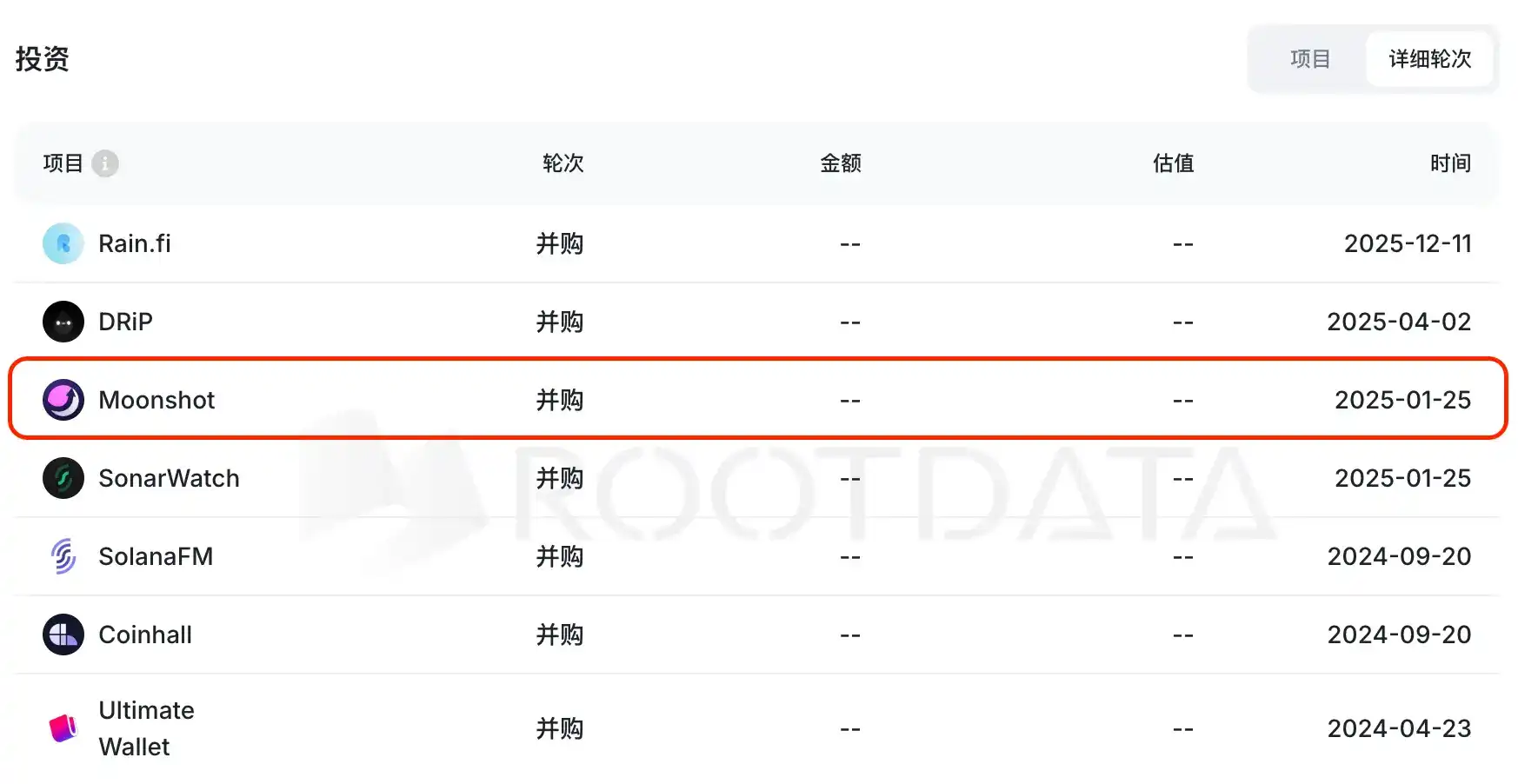
This布局 (layout) was successfully monetized during the TRUMP token frenzy: when a massive flow of retail traffic poured in through Moonshot, these buy orders precisely hit the initial liquidity the TRUMP team had established on Meteora. This closed loop of "front-end capturing traffic, back-end executing trades" enabled Meteora to achieve a single-day trading volume of $7.6 billion, capturing 20% of the DEX trading share on the entire Solana chain.
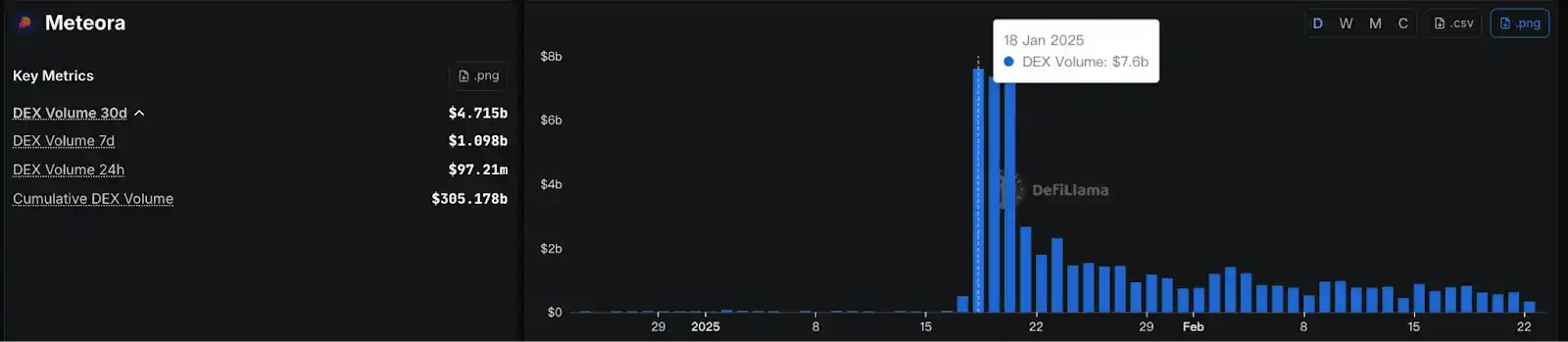
Simultaneously, Jupiter's flagship DEX aggregator evolved into a cornerstone of the Solana ecosystem. It is no longer limited to token swaps but has continuously iterated products, introducing perpetual contracts, lending markets, prediction markets, and more. Thus, Moonshot, Jupiter, and Meteora constructed a full closed-loop ecosystem spanning fiat on-ramps, front-end traffic, trading routing, multi-functional products, and automated market making, completing the transition from "project party" to "ecosystem controller."

Meteora's Airdrop Controversy and Upbit Listing Suspicions

Although vertical monopoly brought efficiency, the ensuing information asymmetry and suspicions of power abuse have always loomed over the Jupiter system. Among these, the airdrop distribution of Meteora (MET) and the Upbit listing风波 (incident) led outsiders to question whether this was truly "community first."

On October 23, 2025, Meteora had its TGE (Token Generation Event). At that time, 48% of the total token supply (i.e., 480 million tokens) was fully unlocked and entered circulation at once. The team claimed this was intentional to achieve "true price discovery," but the market's answer was brutally negative. MET plummeted from $0.90 to $0.51 within hours of opening, a single-day drop of over 55%.
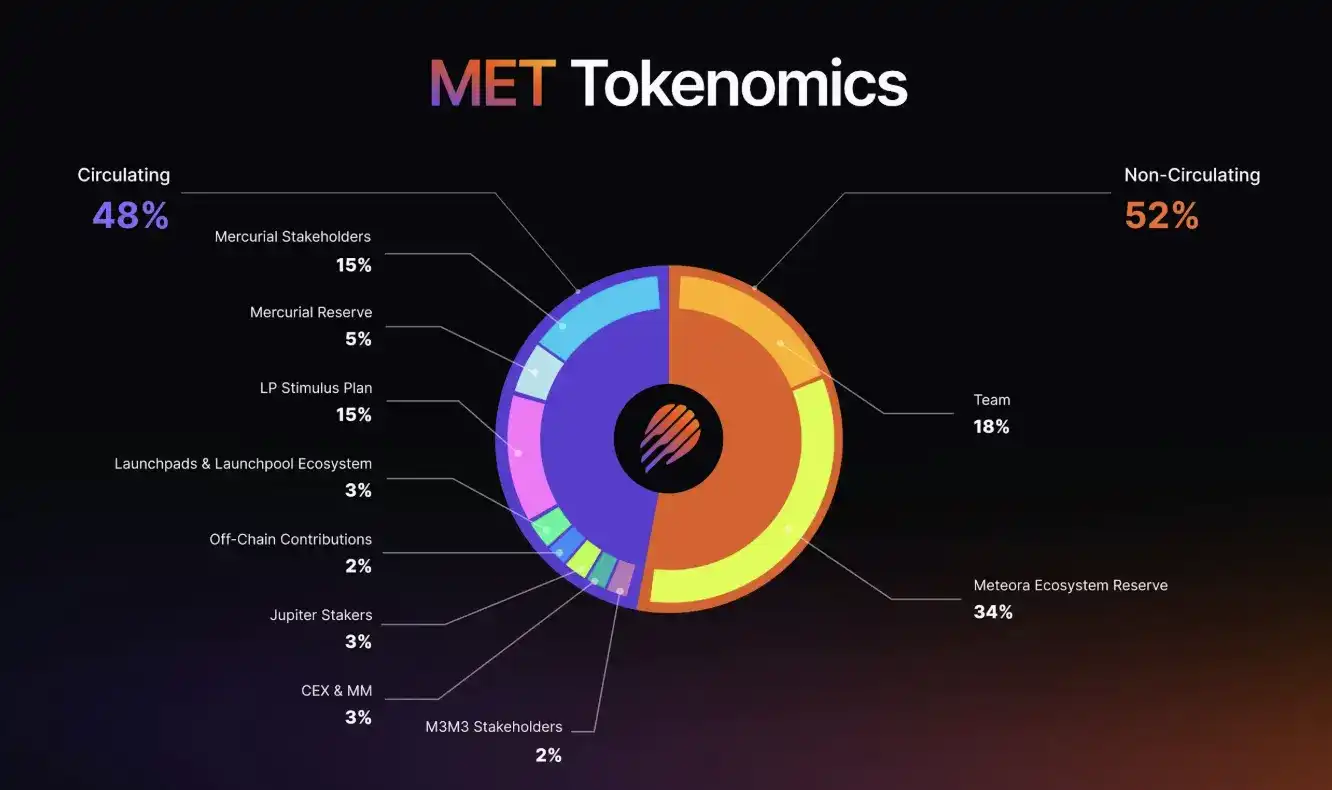
According to on-chain data from the initial TGE period, there were significant flaws in the fairness of the airdrop distribution. The top 4 claiming addresses took approximately 45.94 million tokens, accounting for 28.5% of the total claimed. The behavioral patterns of these addresses were anomalous:

  • Suspicious Address 1 (3vAau...ae): Claimed 12.15 million MET (worth $6.31 million at the time). This address had not only previously claimed the Mercurial (MER) airdrop but had also sold over 30 million JUP to exchanges in the past, employing the same dumping strategy now transferred to MET.

  • Associated Addresses 2 & 3: These two addresses exhibited extremely high synchronicity. Their JUP transfer amounts were repeatedly locked at the specific figure of 2,622,632.41, and their activity times were completely identical, likely belonging to a group controlled by the same entity.

  • Address 4: Claimed 10 million MET. Bizarrely, this address was created *after* the snapshot time and had never participated in any liquidity provision or staking activities. This "out-of-thin-air" claim completely defied the logic of the points mechanism.

If the airdrop distribution was a display of power corruption and abuse, then the information leak regarding the exchange listing touched the industry's gray area. On November 18, 2025, Meteora officially listed on Upbit, but well before the official announcement, insiders claimed to have known this information and profited from the leaked insider information. Although there is no direct evidence pointing to the Jupiter or Meteora core teams, combined with the MET airdrop controversy, it has already led the community to label them with distrust.

The LIBRA Scandal: Ben Chow's Resignation and the Responsibility Enigma

Rewinding to February 2025, the LIBRA token, endorsed by Argentine President Javier Milei, exploded onto the scene, its market cap soaring to $4.6 billion within hours before nearly crashing to zero, resulting in over $280 million in losses for tens of thousands of investors. The舆论炮火 (barrage of public criticism) quickly targeted the Meteora and Jupiter teams, with外界指控 (external accusations) that the team, knowing the token launch involved scientist front-running and wash trading, still provided a "Verified" label and liquidity support for LIBRA. Although the team insisted the verification was only to prevent fake tokens, not an endorsement, the public clearly didn't buy it.
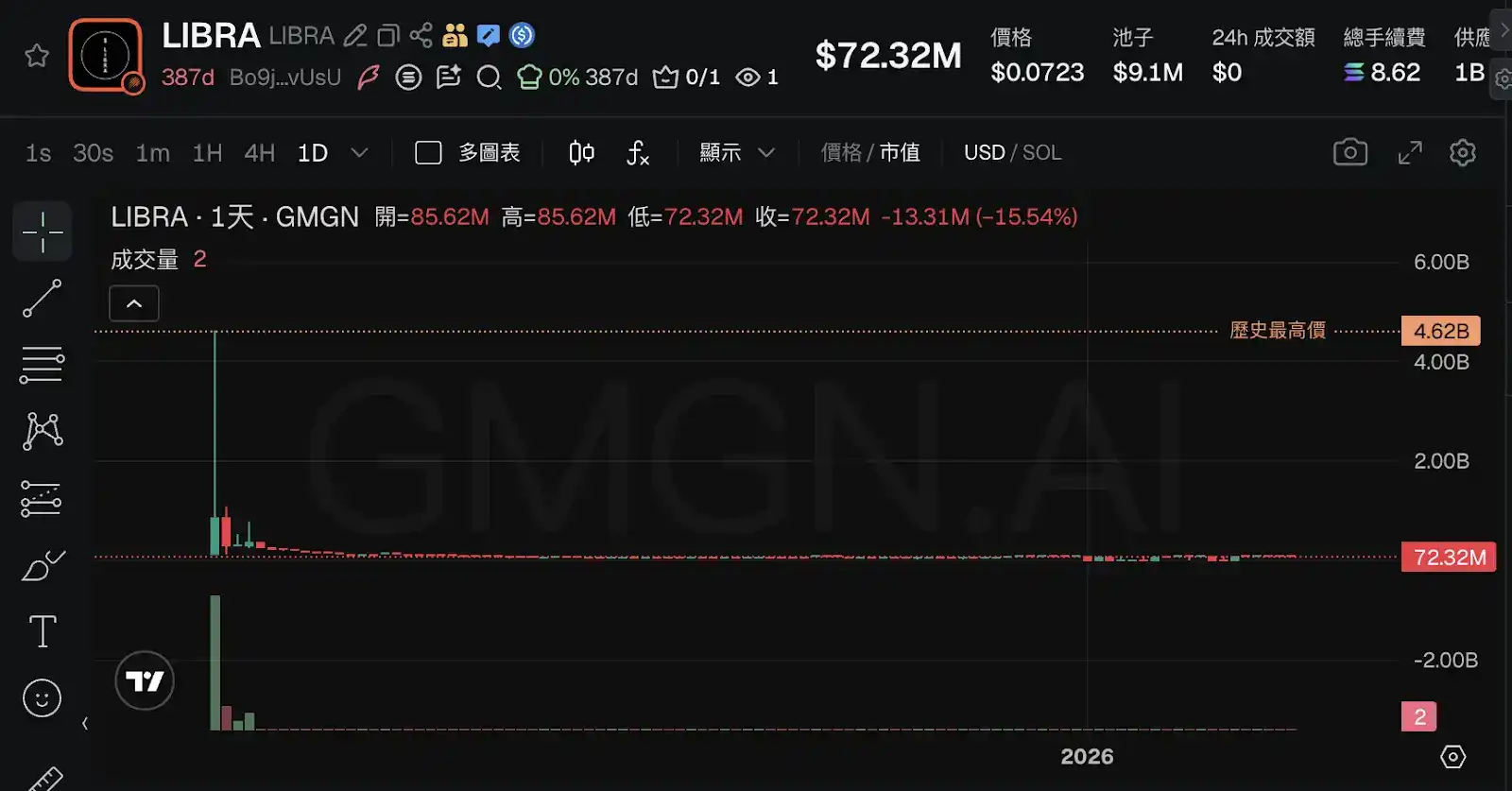
Under public pressure, Meteora's core leader Ben Chow announced his resignation and hired the law firm Fenwick & West to conduct an independent investigation. However, this move instead triggered a secondary crisis: Fenwick & West was itself deeply embroiled in class-action lawsuits stemming from the FTX collapse, with外界指控 (external accusations) that the firm had assisted SBF in blurring the financial boundaries between FTX and Alameda Research.

The community's reaction was almost uniformly sarcastic. Using a former FTX legal advisor, itself entangled in lawsuits, to "independently investigate" the ethical issues of a former FTX-affiliated project—this method of "using controversy to handle controversy" made outsiders even more suspicious about whether the Jupiter system was truly willing to move towards transparency. Although Meow eventually stated under public pressure that they would reassess the choice of legal counsel, there was no subsequent follow-up explanation.

The Double-Edged Sword Impact of Vertical Monopoly on the DeFi Ecosystem

For the average user, vertical monopoly means extreme efficiency. When you use Moonshot for on-ramping, find a route through Jupiter, and finally complete the trade in Meteora's pool, the entire pathway is optimized by the same team, reducing transaction failure rates and experience friction to a minimum. Furthermore, because the team controls both traffic and liquidity, they can quickly foster tokens with phenomenal potential like TRUMP, thereby maintaining Solana's popularity and on-chain activity.

However, for the entire ecosystem, this high degree of concentration is almost synonymous with high risk. When a single team simultaneously controls front-end traffic, trading routing weight, lending markets, and liquidity pools, once its core private keys face security issues, or core members are forced to halt operations due to legal disputes, liquidity could suffer a severe blow in a short period.

More noteworthy is the issue of "innovation monopoly." Jupiter controls most of the order flow routing on Solana. Emerging DEXs, if not integrated into Jupiter's ecosystem, almost lose the basic condition for acquiring traffic. This oligopolistic pattern at the routing level essentially constitutes an invisible market barrier—success is determined not by product superiority but by proximity to Jupiter. More worryingly, Jupiter itself participates in the liquidity business through Meteora, creating a clear conflict of interest between "directing traffic flow" and "being a beneficiary of that traffic."

Conclusion: The Shadow of the Jupiter System, and the Market's Unanswered Questions

ZachXBT ultimately exposed Axiom, but this does not mean Meteora, or the entire Jupiter system, is清白 (innocent). It may only mean that the scope of ZachXBT's investigation did not cover them this time, or that direct evidence was lacking.

The controversy surrounding Meteora has never been a black-and-white legal issue; it is a superposition of a series of gray areas: the utilization of information asymmetry, airdrop disputes, the choice of legal counsel, and even the repetitive excuse of 'we only provide infrastructure' after every high-profile token collapse.

This founding team from Singapore and Malaysia has indeed demonstrated its product execution capability to the market over the past three years, but they have also fully arbitraged every regulatory gray area with their business logic. Trust in the crypto industry has never been this easy. When the traffic entry points, trade execution, and liquidity of an ecosystem are controlled by the same community of interest, the cost is ultimately borne by retail investors.

The Polymarket bet is over, but regarding Jupiter and Meteora, the market still hasn't gotten its answers.


Pertanyaan Terkait

QWhat was the outcome of the Axiom Exchange insider trading case as revealed by ZachXBT?

AZachXBT's report concluded that a senior business development employee at Axiom Exchange had abused backend privileges for ten months, tracking KOLs' private wallets to trade ahead of them, resulting in illegal profits exceeding $400,000.

QWhat is the core controversy surrounding Meteora's (MET) token generation event (TGE) and airdrop distribution?

ADuring its TGE, 48% of MET's total supply (480 million tokens) was fully unlocked and entered circulation at once, leading to a price crash of over 55% in hours. Chain analysis revealed significant unfairness in the airdrop, with the top 4 claiming addresses taking 28.5% of the claimed total, exhibiting suspicious behaviors like massive dumping and claiming tokens without prior participation.

QHow did the Jupiter ecosystem, comprising Moonshot, Jupiter, and Meteora, create a vertically integrated monopoly on Solana?

AThe ecosystem formed a closed loop: Moonshot captured retail flow via easy fiat on-ramps (like Apple Pay), Jupiter's aggregator routed trades and expanded into various DeFi functions, and Meteora provided the backend liquidity (e.g., DLMM pools). This control over the entire user journey—from entry to execution—created extreme efficiency but also significant centralization risk and potential for information asymmetry abuse.

QWhat was the LIBRA scandal involving Meteora, and how did the team respond?

AMeteora and Jupiter were accused of providing a 'verified' badge and liquidity support for the LIBRA token, which was accused of having scientist front-running and wash trading, leading to a $280 million investor loss. Under pressure, Meteora co-founder Ben Chow resigned and the team hired law firm Fenwick & West for an independent investigation. This backfired as the firm was itself embroiled in lawsuits related to the FTX collapse, further damaging credibility.

QWhat are the potential risks to the Solana DeFi ecosystem posed by the Jupiter system's vertical integration?

AThe risks include extreme centralization vulnerability (e.g., a single point of failure from a security breach or legal issue), the creation of an 'innovation monopoly' where new projects depend on Jupiter for routing and traffic, and inherent conflict of interest as Jupiter (via Meteora) is both the traffic director and a major liquidity beneficiary, potentially stifling fair competition.

Bacaan Terkait

Medan Perang Utama Bull Run Berikutnya Ada di Mana? Jawabannya Tersembunyi dalam Dua Aset Ini

**Ringkasan Artikel: Medan Pertempuran Utama untuk Siklus Bull Berikutnya dalam Kripto** Pasar kripto menunjukkan tanda-tanda pembalikan dari kondisi bearish, dengan aliran dana ETF yang kembali positif. Artikel ini mengusulkan narasi inti untuk siklus bull berikutnya: **konvergensi antara keuangan on-chain dan keuangan tradisional**. Pergeseran ini akan didorong oleh adopsi stablecoin, tokenisasi aset, perdagangan 24/7, penyelesaian instan, dan pertumbuhan DeFi institusional yang menargetkan pasar keuangan global, bukan hanya ruang kripto. Untuk memposisikan portofolio dalam tren ini, penulis menyoroti dua kategori peluang investasi yang mewakili jalur konvergensi yang berbeda: 1. **Proyek Asli Kripto dengan Model Bisnis Nyata:** Seperti **Hyperliquid (HYPE)**, sebuah rantai Layer-1 untuk perdagangan derivatif. Separuh volume perdagangannya kini berasal dari aset tradisional (minyak, indeks S&P 500). Platform ini memiliki pendapatan riil (diproyeksikan $8 miliar tahun ini) dan model token yang kuat di mana 99% pendapatan digunakan untuk pembelian kembali dan pembakaran token. 2. **Perusahaan Tradisional yang Mengadopsi Infrastruktur Kripto Secara Serius:** Seperti **Robinhood (HOOD)**, yang baru-baru ini meluncurkan blockchain Layer-2 sendiri, **Robinhood Chain**. Blockchain ini memungkinkan perdagangan saham yang ditokenisasi dan penggunaan protokol DeFi di 120 negara, menunjukkan komitmen nyata untuk integrasi. Kesimpulannya, siklus bull berikutnya akan didorong oleh nilai aplikasi nyata yang menghubungkan dunia keuangan lama dan baru. Investor disarankan untuk fokus pada aset kripto dengan utilitas dan pendapatan nyata serta perusahaan tradisional yang tidak hanya berbicara, tetapi benar-benar membangun dan mengoperasikan solusi berbasis blockchain secara luas.

Foresight News3m yang lalu

Medan Perang Utama Bull Run Berikutnya Ada di Mana? Jawabannya Tersembunyi dalam Dua Aset Ini

Foresight News3m yang lalu

Catatan Penyerbukan UU Kripto 'Clarity': Jalan Kompromi Dua Partai AS Dipenuhi Duri

Kongres AS terus berupaya meloloskan RUU struktur pasar kripto, Clarity Act, namun jalan menuju kompromi antarpartai dipenuhi tantangan. Awal tahun ini, CEO Coinbase Brian Armstrong membatalkan kesepakatan dua partai yang telah diraih, menghentikan sementara prosesnya. Setelah empat bulan, komite akhirnya dapat menjadwalkan RUU ini berkat kompromi tentang masalah "yield" antara Senator Demokrat Angela Alsobrooks dan Senator Republik Thom Tillis. Namun, kemajuan ini terhambat oleh tuntutan klausul etika dari Demokrat, yang menjadi syarat utama mereka. Pada pemungutan suara di komite pertanian Senat, tidak ada satu pun Demokrat yang mendukung karena masalah etika yang belum terselesaikan. Isu lain seperti perlindungan pengembang juga menghadapi penolakan dari lembaga penegak hukum. Meski demikian, ada konsensus bahwa regulasi pasar kripto diperlukan. Senator Cynthia Lummis menekankan perlindungan konsumen dalam RUU, sementara Senator Mark Warner menyuarakan kekhawatiran tentang risiko. Pertemuan dengan pejabat Gedung Putih dan upaya rekonsiliasi antara versi RUU dari komite perbankan dan pertanian Senat sedang berlangsung. Tantangan terbesar adalah mencapai kesepakatan etika yang kuat yang dapat diterima oleh kedua partai. Tanpa dukungan Demokrat, lolosnya RUU ini diragukan. Tujuan jangka pendek komunitas kripto mungkin termasuk tindakan simbolis di Senat sebelum masa reses Agustus, dengan harapan akhirnya menjadi undang-undang pada tahun 2026. Proses yang panjang dan melelahkan ini mencerminkan realitas legislatif di Washington, di mana dukungan harus diraih perlahan-lahan.

marsbit12m yang lalu

Catatan Penyerbukan UU Kripto 'Clarity': Jalan Kompromi Dua Partai AS Dipenuhi Duri

marsbit12m yang lalu

Pendiri Kalshi dan Polymarket Tidak Akur? Perang Bisnis Ini Jauh Lebih Sengit dari Dugaan

Pada November 2024, pendiri Polymarket Shayne Coplan digerebek oleh FBI, yang menandai puncak persaingan sengit dengan perusahaan prediksi pasar saingannya, Kalshi, yang dipimpin Tarek Mansour. Perseteruan ini melampaui kompetisi bisnis biasa, dipenuhi saling tuduh, serangan media, dan perebutan pasar. Perbedaan utama terletak pada pendekatan regulasi: Kalshi beroperasi secara legal di AS dengan izin CFTC, sementara Polymarket lama beroperasi lewat platform lepas pantai yang dapat diakses pengguna AS, meski dilarang. Mansour menuduh Polymarket tidak etis dan ilegal, sementara Coplan menganggap Kalshi sekadar peniru. Konflik meluas ke berbagai arena, termasuk saling menghalangi investasi (seperti upaya Kalshi menggagalkan kerja sama Polymarket dengan ICE), perang penawaran sponsor (seperti kesepakatan Kalshi dengan Madison Square Garden), perebutan talenta, dan kampanye media hitam. Keduanya juga aktif melobi di Washington. Meski Polymarket sempat unggul dalam popularitas, Kalshi kini memimpin dalam valuasi ($220 miliar) dan volume perdagangan. Namun, tekanan regulasi terhadap industri, terutama terkait taruhan olahraga dan potensi perdagangan orang dalam, terus meningkat, dengan Polymarket sering menjadi sasaran utama. Intinya, persaingan ini bukan hanya perebutan pangsa pasar, tetapi juga benturan prinsip tentang batas legalitas dan etika dalam industri prediksi pasar yang berkembang pesat.

marsbit18m yang lalu

Pendiri Kalshi dan Polymarket Tidak Akur? Perang Bisnis Ini Jauh Lebih Sengit dari Dugaan

marsbit18m yang lalu

Bank of America Berpindah Diam-diam: Deposit Bank Senilai $6 Triliun Akan Mengalir ke Stablecoin?

**Bank of America Mulai Bergerak: Setoran Bank US$6 Triliun Berpotensi Beralih ke Stablecoin?** Bank of America baru-baru ini menyesuaikan kepemimpinan di bidang aset digital, dengan mengangkat eksekutif baru untuk mempercepat platform aset digital globalnya yang mencakup stablecoin, deposito tokenisasi, dan layanan kustodian. Langkah ini menyoroti minat perbankan besar terhadap teknologi ini, meski pasar kripto sedang lesu. Isu perpindahan dana bank sebesar US$6 triliun ke stablecoin mengemuka, merujuk pada pernyataan CEO Bank of America Brian Moynihan awal tahun ini. Namun, ia menekankan bahwa migrasi semacam itu hanya akan terjadi jika stablecoin diizinkan membayar bunga—sesuatu yang belum diizinkan oleh undang-undang stablecoin AS, GENIUS Act. Undang-undang GENIUS Act sendiri, yang ditandatangani pada Juli 2025, telah melewati batas waktu penerapan aturan akhirnya, menunda keefektifan penuh hingga 18 Januari 2027. Namun, bank-bank tidak hanya menunggu. Lembaga seperti JPMorgan dan Citigroup telah meluncurkan layanan terkait tokenisasi, dan sebuah konsorsium bank besar sedang membangun jaringan deposito tokenisasi bersama. Adopsi stablecoin oleh institusi untuk penggunaan di dunia nyata tetap tumbuh, dengan nilai penyelesaian on-chain mencapai US$33 triliun pada 2025. Namun, beberapa pengamat skeptis, menyebutkan bahwa banyak proyek blockchain perbankan yang telah diumumkan selama bertahun-tahun tanpa perubahan mendasar dalam struktur. Pasar stablecoin saat ini juga relatif datar, didominasi oleh USDT dan USDC. Dengan batas waktu 2027 mendatang, persiapan intensif oleh bank-bank seperti Bank of America menunjukkan bahwa perlombaan untuk mengintegrasikan aset digital ke dalam keuangan tradisional telah dimulai, dengan potensi pergeseran besar dalam lanskap keuangan di masa depan.

marsbit26m yang lalu

Bank of America Berpindah Diam-diam: Deposit Bank Senilai $6 Triliun Akan Mengalir ke Stablecoin?

marsbit26m yang lalu

Trading

Spot
活动图片