[Featured Research]Crypto 2023

ForbesDipublikasikan tanggal 2023-01-04Terakhir diperbarui pada 2023-01-04

Abstrak

Risk in the crypto sector remains elevated.

While 2022 may have been a bad year for stocks, it’s been absolutely atrocious for cryptocurrency.

Stocks are on a big losing streak this year, with the S&P 500 on course to close the year with a 17% loss. The picture is even grimmer for Bitcoin and other leading cryptocurrencies.

As of writing, BTC is down 64% on the year and ETH is down 66%. Going further out on the risk curve, most other major altcoins are down more than 90%.

Remember when inflation was transitory and the Federal Reserve was holding rates at zero? What a difference a year makes. In January 2022, Ethereum (ETH) was worth more than $3,800 and Bitcoin (BTC) was almost $48,000—and the Fed’s war on inflation is the main reason both leading coins are down so sharply.

But not only. The last 12 months have been strewn with crypto meltdowns, bankruptcies and chaos, so the losses should not be surprising to anyone. Now the question is whether all this market chaos will continue in 2023, and how long the crypto winter might last.

How Long Will the Crypto Winter Last?
Cryptocurrency is no stranger to boom and bust cycles. A quick look at the price history of Bitcoin—the benchmark for the entire industry—illustrates the point:

In 2018, following a meteoric run-up to around $20,000, BTC fell 84% to $3,000.

BTC turned around and rallied to nearly $17,000 in November 2020, then spiked even higher.

In May 2021, BTC fell 50% before recovering to all-time highs of nearly $69,000 later that year.

Many analysts believe this pullback is different, thanks to the struggles of the wider economy.

“The ongoing crypto winter could last longer this time,” says David Kemmerer, CEO of CoinLedger. “That’s because of macroeconomic factors: 40-year highs in inflation, rising borrowing costs and political instability after Russia invaded Ukraine.”

Because of its brief history—Bitcoin has only been around since 2009, launched in the wake of the Great Recession—crypto market downturns have not coincided with a bear market in the wider financial space until very recently.

Financial markets enjoyed a long bull market from 2009 until the end of 2021, only briefly interrupted by the Covid-19 pandemic recession in early 2020. In fact, the stock market opened this year up more than a staggering seven times from the lows of March 2009, which was only two months after Bitcoin was launched.

But the dual headwinds of high inflation and Fed interest rate hikes have given both stock and crypto markets a one-two punch. Risk assets like stocks and crypto suffer when interest rates rise.

That’s because higher interest rates suck liquidity out of the economy, and assets furthest out on the risk spectrum get hit hardest. The same phenomenon that’s hurting crypto is depressing the value of tech stocks. Meta (-67%), Netflix (-52%) and even Apple (-22%) have also felt the brunt of the downturn.

To answer the question of how long the crypto winter will last means you need to understand how long elevated inflation will keep the Fed’s hawkish monetary policy stance in place. Easing inflation and falling rates are among the only things that can help crypto now.

“The last bear market was over two years long. We’re only a year into this one, and the macroeconomic climate is significantly worse,” says Nick Saporano, CEO of decentralized payments provider Divi Labs.

Bitcoin Forecast for 2023
Bitcoin is ending the year at around $16,800, down from about $19,500 on the eve of the FTX crisis. If contagion continues to reverberate from FTX’s bankruptcy, BTC has more room to fall.

Even Cathie Wood, CEO of Ark Invest and a well-known Bitcoin advocate, acknowledges that large financial institutions may take a step back from crypto in the near term because of FTX.

Despite standing by her BTC prediction of $1 million by 2030 in a recent Bloomberg interview, Wood said, “The one thing that will be delayed is perhaps institutions stepping back and just saying, ‘OK, do we really understand this?’”

With crypto’s reputation badly dented by the crises and scandals of 2022 and wider markets hurting, another leg downward to the $10,000 mark may not be so far-fetched for BTC in 2023.

JPMorgan Chase & Co. analysts agree that the bottom is not in yet. The bank sees Bitcoin’s floor at around $13,000, with “a cascade of margin calls” across the market following recent events.

Strategists also use Bitcoin’s production cost to forecast how far prices could fall. “At the moment, this production cost stands at $15,000, but it is likely to revisit the $13,000 low seen over the summer months,” the JPMorgan team stated in a note.

Ethereum Forecast for 2023
Where Bitcoin goes, Ethereum typically follows—or at least that has been the case so far.

After the Ethereum merge in September 2022, a major network overhaul for the second-largest crypto by market capitalization, some analysts are speculating that the price action of the pair could soon decouple.

“ETH is yet to benefit in terms of value from the recently launched proof-of-stake merge,” Kemmerer says. “Part of the reason is because of the crypto winter.”

Kemmerer believes the crypto could rise as high as $2,500 in the next six months. While this is an aggressive bull case, the fact remains that the same developments driving Bitcoin’s price are impacting ETH. The macroeconomic climate must cooperate for upside gains to return.

If it doesn’t, Ethereum will likely fall further. Having dropped below $1,000 in June, it would not be surprising to see a three-digit price for ETH again in the next six months, should more negative catalysts crop up.

Other Cryptos to Watch in 2023
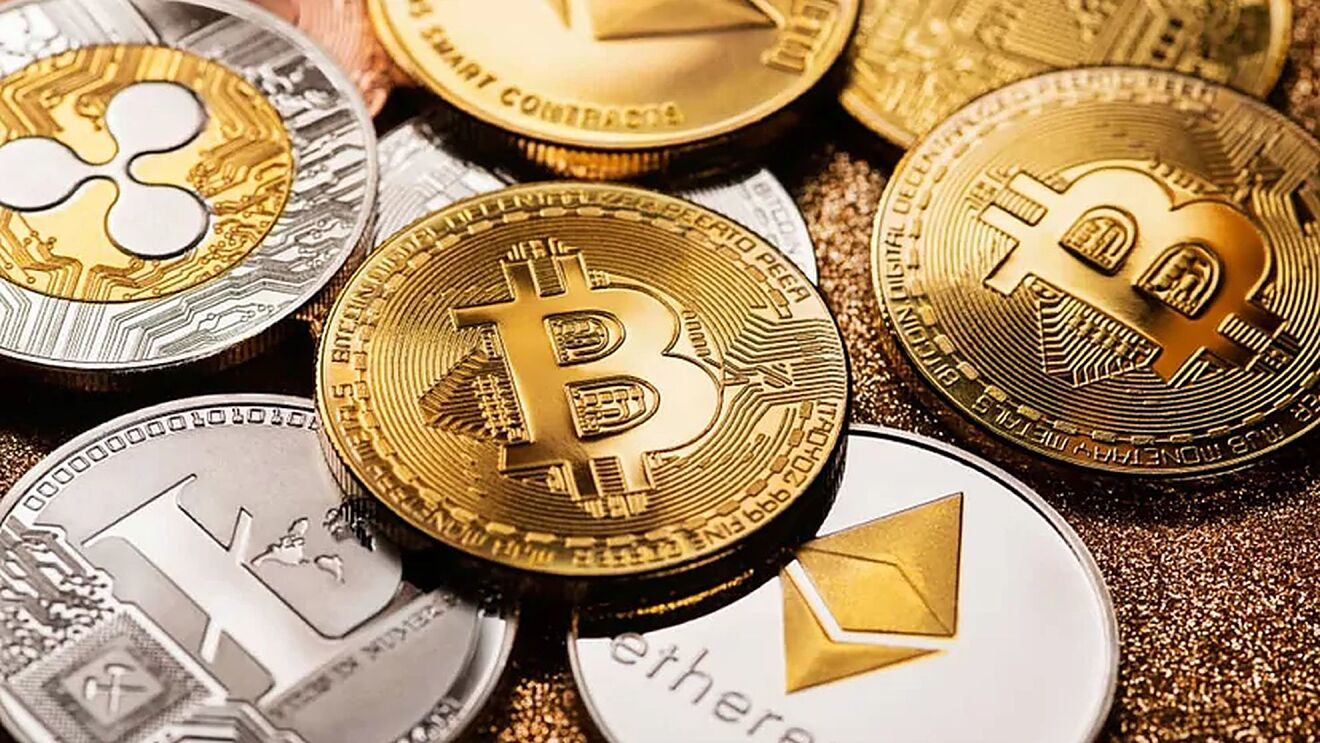
As bad as it’s been for Bitcoin and Ethereum in 2022, the situation has been significantly worse for other speculative altcoins.

While the bear market is raging, altcoins are not where investors probably want to be, and that predicament won’t change anytime soon. Many altcoins are facing an uphill battle to establish legitimacy during the bull market, a task that has proved harder now with less liquidity in the market.

Until Bitcoin and Ethereum recover, altcoins will continue their downward trend. And much like bear cycles of days gone by, many will cease to exist entirely.

Stablecoins represent an even more interesting case for 2023.

Crypto exchange Binance delisted several stablecoins in September, including USD Coin (USDC), the fifth biggest cryptocurrency at a market cap of $43 billion. Circle, creator of USDC, announced shortly after that they would launch a euro-backed stablecoin on Solana (SOL) in the first half of 2023.

Some analysts are predicting that competition could promptly pick up even more. This is due to the growing number of state-sponsored stablecoin projects, known as central bank digital currencies (CBDCs).

The Bank of Japan is piloting a rollout with major banks in early 2023. Turkey even announced it would launch a stablecoin next year, and many more countries are slated to do the same. One of them is far beyond the rest: China.

So far, China’s CBDC development has been limited to local areas, but next year could change that with wider adaption.

For current stablecoin issuers such as Tether (USDT), Circle and Binance, that means competition is heating up.

“Stablecoins are really in a tough spot because there’s little question that the advent of CBDCs is going to eat away at their market,” says Richard Gardner, CEO of fintech company Modulus Global.

The market for stablecoins is as difficult to forecast as the price forecasts of Bitcoin. Ethereum, or any other cryptocurrency.

One thing is certain: Risk in the crypto sector remains elevated.

Bacaan Terkait

Wawancara CEO Strategy: Setelah Jual Bitcoin, Bisakah STRK Pulih Kembali?

**Wawancara dengan CEO Strategi: Bisakah STRATEGI Pulih Setelah Penjualan Bitcoin?** Dalam wawancara ini, CEO Strategy Phong Le menjelaskan alasan di balik penjualan 32 Bitcoin yang menggegerkan pasar. Ia menekankan bahwa keputusan tersebut adalah bagian dari strategi jangka panjang untuk membuktikan likuiditas dan menguji proses internal, bukan reaksi panik. Le menegaskan bahwa perusahaan tetap memegang keyakinan kuat pada Bitcoin sebagai aset fundamental. Le menjelaskan bahwa mayoritas STRATEGI (Strategy Preferred Stock) dipegang oleh investor ritail dan institusional jangka panjang, sehingga risiko "death spiral" dari protokol DeFi minimal. Ia juga membeberkan proses pengambilan keputusan yang ketat di perusahaan, melibatkan dewan direksi dan analisis data mendalam. Menyikapi volatilitas harga STRATEGI, CEO menyatakan perusahaan memiliki banyak opsi pendanaan, namun strategi "tidak melakukan apa-apa" (holding Bitcoin) tetap menjadi pilihan penting, sebagaimana terbukti selama bear market 2022. Keyakinannya pada nilai dasar Bitcoin dan visi tentang peran kripto di masa depan ekonomi robot dan AI membuatnya optimis. Mengenai pemulihan harga STRATEGI ke nilai pari $100, Le yakin dengan diisi kembali cadangan dolar dan dimulainya mekanisme pembayaran dividen pertama pada 30 Juni, produk yang sangat dijaminkan ini akan secara bertahap kembali ke level tersebut. Ia menutup dengan menegaskan transparansi perusahaan terkait penjualan Bitcoin, sebagaimana tercatat dalam dokumen 8-K.

marsbit6m yang lalu

Wawancara CEO Strategy: Setelah Jual Bitcoin, Bisakah STRK Pulih Kembali?

marsbit6m yang lalu

Pendiri IOSG: Ethereum Tidak Perlu Lagi Keyakinan Teknologi, Ia Butuh Kompromi Gaya Elon Musk

**Pendiri IOSG: Ethereum Tidak Perlu Lagi Kepercayaan Teknis, Tapi Perlu Kompromi ala Musk** Penulis menilai pembentukan ETHLabs bukan sekadar "yayasan kedua", melainkan sinyal pasar yang tidak percaya pada pendekatan "berdiam diri dan terdesentralisasi" Ethereum Foundation (EF). Ini adalah suara modal, bukan forum. Perbedaan mendasar antara Vitalik Buterin (V) dan Elon Musk terletak pada pendekatan: Musk memahami bisnis dan realitas terlebih dahulu, lalu menyesuaikan teknologi; V berangkat dari teknologi murni dan mengharapkan realitas tumbuh sendiri. Keberuntungan Ethereum dengan aplikasi seperti DeFi dan NFT mungkin tidak bertahan karena kini ada banyak pilihan lain. Ethereum saat ini membutuhkan bukan roadmap teknis baru, melainkan **seseorang yang turun langsung memahami bisnis dan bersungguh-sungguh mengejar aplikasi dunia nyata**. Harapannya adalah V mempelajari cara Musk membangun bisnis dan fokus pada pertanyaan: aplikasi dunia nyata apa yang bisa dijalankan Ethereum? Masalah EF sebenarnya adalah manajemen dan aliran keluar talenta, yang tidak bisa diatasi oleh pendiri yang menjaga jarak. Model baru dengan banyak "steward" seperti ETHLabs berisiko fragmentasi tanpa arah bersama. Kohesi sejati harus datang dari nilai ETH sebagai aset bersama, tetapi ini memerlukan **narasi dunia nyata yang jelas dan dapat dipahami semua pihak**. Kredibilitas dan independensi struktur baru ini harus dibangun melalui waktu dan transparansi, bukan sekadar pengumuman. Ancaman terbesar Ethereum bukanlah pesaing seperti Solana, melainkan **pergeseran perhatian global ke AI**. Jendela waktu hanya 12-18 bulan. Untuk merebut kembali perhatian, dibutuhkan pendiri yang fokus pada aplikasi praktis dan narasi yang mampu menarik talenta terbaik. Cahaya idealisme V masih ada, tetapi untuk menyinari realitas, yang dibutuhkan bukanlah lagi menatap langit, melainkan **terjun ke dalam arena**. Dan waktu untuk tindakan itu hampir habis.

marsbit1j yang lalu

Pendiri IOSG: Ethereum Tidak Perlu Lagi Keyakinan Teknologi, Ia Butuh Kompromi Gaya Elon Musk

marsbit1j yang lalu

JD.com dan Mantan CTO Open AI Mira Murati Memasuki Jalur AI yang Sama

Bayangkan seorang lansia terjatuh di rumah. Tanpa perintah suara, perangkat pintar atau kamera langsung "melihat" kejadian tersebut dan AI secara proaktif mengirimkan peringatan darurat. Ini adalah salah satu visi yang coba diwujudkan oleh JoyAI-VL-Interaction, model interaksi visual-bahasa open-source pertama di dunia yang baru dirilis oleh JD.com. Berbeda dengan model AI biasa yang bekerja dengan logika "tanya-jawab", JoyAI-VL-Interaction dirancang untuk berinteraksi secara aktif dan real-time dengan dunia fisik. Model ini dapat secara otonom memutuskan kapan harus merespons, kapan harus diam, dan kapan harus menyerahkan tugas kompleks ke model backend, hanya dengan menganalisis aliran video secara terus-menerus. Pendekatan ini disepakati juga oleh Thinking Machines Lab (didirikan oleh mantan CTO OpenAI, Mira Murati), menandakan pergeseran industri menuju AI yang lebih proaktif. JD.com menempatkan modalitas visual sebagai penggerak utama, karena banyak informasi penting di dunia nyata muncul sebagai perubahan visual, bukan perintah suara. Model 8B parameter ini dirancang ringan, dapat dijalankan pada GPU seperti RTX 3090, dan sepenuhnya open-source—termasuk kode, model, dataset, dan sistem inferensi. Ini memungkinkan pengembang dengan mudah membuat aplikasi untuk berbagai skenario seperti penjagaan lansia/anak, asistensi tunanetra, komentar olahraga otomatis, inspeksi toko, dan kolaborasi robot. Pelepasan open-source ini merupakan bagian dari strategi JD.com yang lebih besar untuk membawa AI ke dunia fisik. Perusahaan ini mengandankan aset datanya yang unik dari ribuan skenario operasional nyata di logistik, ritel, dan industri, serta berencana mengumpulkan 10 juta jam data video berkualitas tinggi. Dengan membuka akses, JD.com berharap dapat mempercepat adopsi AI interaktif yang dapat melihat, memahami, dan bertindak secara mandiri di lingkungan kita.

marsbit1j yang lalu

JD.com dan Mantan CTO Open AI Mira Murati Memasuki Jalur AI yang Sama

marsbit1j yang lalu

Google Mulai Jual TPU, Raksasa Teknologi Ingin Menghasilkan 'Token Murah' dengan Produksi Chip AI

Google mulai menjual chip TPU mereka ke klien dan pusat data pihak ketiga, yang sebelumnya hanya tersedia melalui layanan cloud. TPU (Tensor Processing Unit) adalah chip khusus yang dirancang untuk komputasi AI, terutama dalam operasi matematika matriks dan tensor, membuatnya sangat efisien untuk model AI besar. Dengan mengkombinasikan ribuan TPU menjadi kluster superkomputer, Google menciptakan pusat komputasi AI yang sangat efisien. Hal ini memungkinkan Gemini menawarkan harga token yang lebih rendah dibandingkan pesaing seperti OpenAI, sehingga lebih kompetitif di pasar. Langkah ini dianggap sebagai tantangan bagi Nvidia, yang selama ini mendominasi pasar chip AI dengan ekosistem CUDA-nya. Meskipun Nvidia masih menjadi standar industri, Google berfokus pada efisiensi dan biaya yang lebih rendah, terutama untuk inferensi AI, di mana biaya token menjadi faktor kritis. Selain Google, perusahaan cloud seperti Huawei Cloud dan Alibaba Cloud juga mengembangkan ekosistem komputasi AI mandiri dengan chip buatan sendiri, seperti Ascend dan Zhenwu. Mereka tidak hanya fokus pada kinerja chip, tetapi juga pada kemampuan sistem untuk mengubah chip menjadi solusi produktif yang terjangkau. Pasar komputasi AI kini bergeser dari hanya mengejar kinerja tertinggi menjadi menekankan efisiensi dan biaya yang lebih rendah. Dengan komputasi AI semakin menjadi sumber daya dasar seperti listrik atau air, perusahaan yang dapat menyediakan solusi terjangkau dan terintegrasi akan lebih kompetitif di masa depan.

marsbit1j yang lalu

Google Mulai Jual TPU, Raksasa Teknologi Ingin Menghasilkan 'Token Murah' dengan Produksi Chip AI

marsbit1j yang lalu

Trading

Spot
Futures
活动图片