BitMEX: The End of an Era

cryptonews.ruDipublikasikan tanggal 2026-08-13Terakhir diperbarui pada 2026-08-13

Abstrak

This guest post by Peter Wilkinson, CEO of BitMEX, reflects on the rise and fall of the cryptocurrency exchange. Recruited from traditional finance, Wilkinson was struck by BitMEX's intense, mission-driven culture, contrasting with the conservatism of TradFi. The company was known for its innovative perpetual swap and a vibrant office environment. However, a pivotal U.S. legal case in 2020, coinciding with the implementation of KYC procedures, triggered significant user attrition and halted new product development like Bitcoin-based swaps. While the company maintained a strong internal culture and an impeccable security record—never losing client funds to hacks—it failed to adapt to market evolution. Competitors copied its products, and BitMEX was late to expand into spot trading, staking, and stablecoins like USDT. Ultimately, focused narrowly on derivatives, it lost market share. Wilkinson concludes with pride in BitMEX's legacy, particularly its role in popularizing the perpetual swap, now a cornerstone of crypto trading, and its unwavering commitment to client fund safety throughout its 11-year history.

The following guest post is written by Peter Wilkinson, CEO of the cryptocurrency exchange BitMEX.

My name is Peter Wilkinson, the current CEO of BitMEX. I came to BitMEX from the traditional finance sector, where I worked as an in-house lawyer for an insurance company. I received an intriguing call from a recruiter saying that BitMEX urgently needed lawyers. During the first interview, I was asked how soon I could start and whether they could buy out my notice period from my previous position. I immediately understood that this was not an ordinary company.

At that time, I had only a superficial understanding of cryptocurrencies. A quick search brought up a lot of material in Bloomberg, the Wall Street Journal, and other publications—much of it was about Arthur Hayes. The company intended to radically change traditional financial approaches to exchange operations by introducing instant settlements, 24/7 trading, and a risk structure that eliminated the need to return funds to a margin lender. Particularly notable were Arthur Hayes's activity on social media X (formerly Twitter) and BitMEX's bold marketing initiatives—for example, displaying a "Lamborghini" at the entrance to the Consensus 2018 conference center in New York. Again, this was completely unlike anything I had encountered in the conservative world of traditional finance (TradFi).

Despite the bright hype and the aura of "revolutionaries" surrounding the company, from the very first day I was struck by how seriously and purposefully all BitMEX employees approached their work. It was clear that people were genuinely passionate about the cause and eager to develop it. It sounds cliché, but it felt like for them it was more than just a job; they were true evangelists.

Coming from the traditional finance world, I was accustomed to that dose of apathy that went hand in hand with seriousness; perhaps this was inevitable given that everything was strictly regulated. At BitMEX, however, there was no such apathy, and the seriousness stemmed from the desire to create the best possible product; the commitment of each individual was truly striking. Honestly, I expected a slightly more relaxed atmosphere, given the common perception of cryptocurrencies as a sphere run by "kids," but I couldn't have been more wrong.

Before I knew it, I was sitting in the Hong Kong office, admiring the sharks gracefully gliding in their aquarium, a fully stocked on-site bar, poker and mahjong rooms, and wondering how I got there. While it was somewhat overwhelming, upon closer inspection I saw how solidly built this company was. Alongside the typical millennial pomp, there were sleek gray lines and a ticker tape of cryptocurrency quotes running across the ceiling throughout the premises—it resembled a well-oiled hedge fund more than a cryptocurrency company.

The BitMEX office in Hong Kong. Photo source: Peter Wilkinson

However, not everything was about "sharks" and revolutionary finance; soon after my arrival, in 2020, the now well-known US legal proceedings against the founders and the company itself took place. This was the first major lawsuit against an exchange in the industry, and it happened at the worst possible time. We had just implemented a full KYC procedure and became the first exchange outside the US to do so; this was already putting a strain on the business. The initiative came from the founders, as it was the right step for the company's future, which would have to operate under various licensing regimes. The process was already underway when the US charges came.

The implementation of KYC led to many of our core users migrating to other platforms where KYC was not yet required. When the charges were filed, many of our clients panicked and rushed to withdraw their funds—many of them never returned. There were fears that US authorities would freeze the BitMEX platform and block client funds. If that had happened, it would have been outrageous (and illegal), but at the time there was real panic, as it was unclear what measures the US government would take against the company or the entire industry.

We were just beginning to introduce Bitcoin-based products, such as ISDA monthly credit swaps for institutional clients, but these plans fizzled out after the charges were filed. On top of this, fierce competition was already beginning—companies were copying BitMEX's products and poaching our users. Not to mention that this coincided with the departure of the founders from active roles in the business, resulting in management transferring to a new team of executives with traditional finance experience who did not have the same industry influence as the founders and couldn't help drive the business forward.
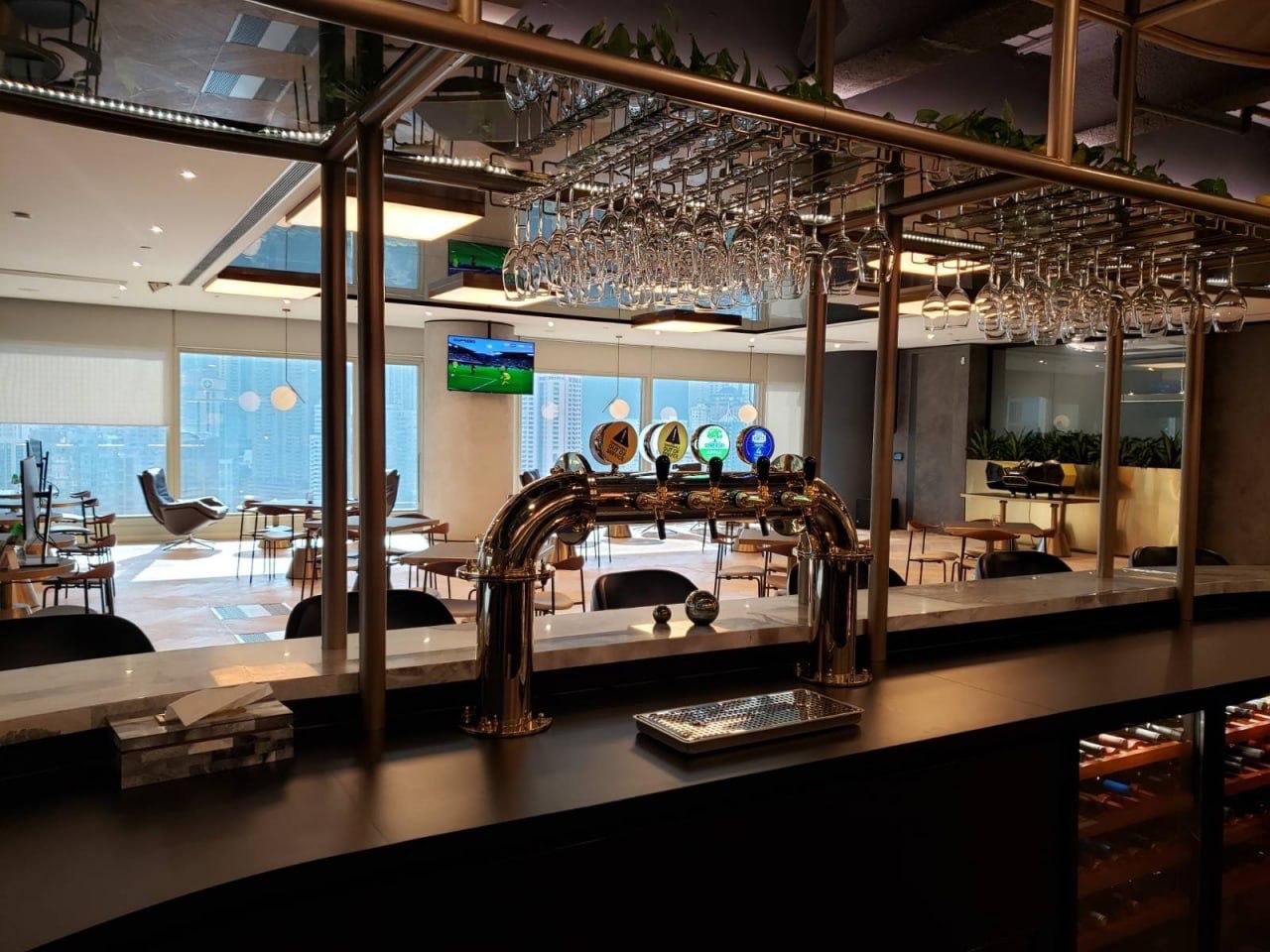
The BitMEX office in Hong Kong. Photo source: Peter Wilkinson

Even after this devastating blow, I felt—and still feel—that BitMEX was truly special. Thanks to the people, the corporate culture, and our users (especially those who actively participate in Trollbox!), we created something to be proud of. For example, we have many dedicated employees who have been with us for over five years. In the cryptocurrency industry, that's an eternity, and it speaks volumes about the company culture, where everyone contributes, guided by the principle of "business above all" and striving for excellence.

Looking back, this dedication may have slowed down the launch of our products, as we often aimed for perfection rather than quick implementation, but it shows that our employees take great pride in what they do. We never had strict service level agreements (SLAs) for employees, where failure to meet them would automatically trigger a warning letter from HR—as can be seen at some competing exchanges—and I'm glad we didn't, as it created a much more collegial and transparent work culture.

And, as I mentioned, Trollbox is simply brilliant: it's a place where our users can chat, express dissatisfaction, and complain (or, in extreme cases, even get banned!). This fostered a real sense of community among our users, in addition to what we had with the employees.

They say that all good things must come to an end. This may or may not be true, but in the end, for BitMEX, it turned out to be true. We didn't keep pace with our competitors. We were so focused on our derivatives niche that we failed to look up and see that our users wanted a single platform for spot trading, earning yield, storing assets, and trading derivatives, especially with stablecoins like $USDT. We joined the "$USDT party" at the end of 2021, but by then we were already losing market share.
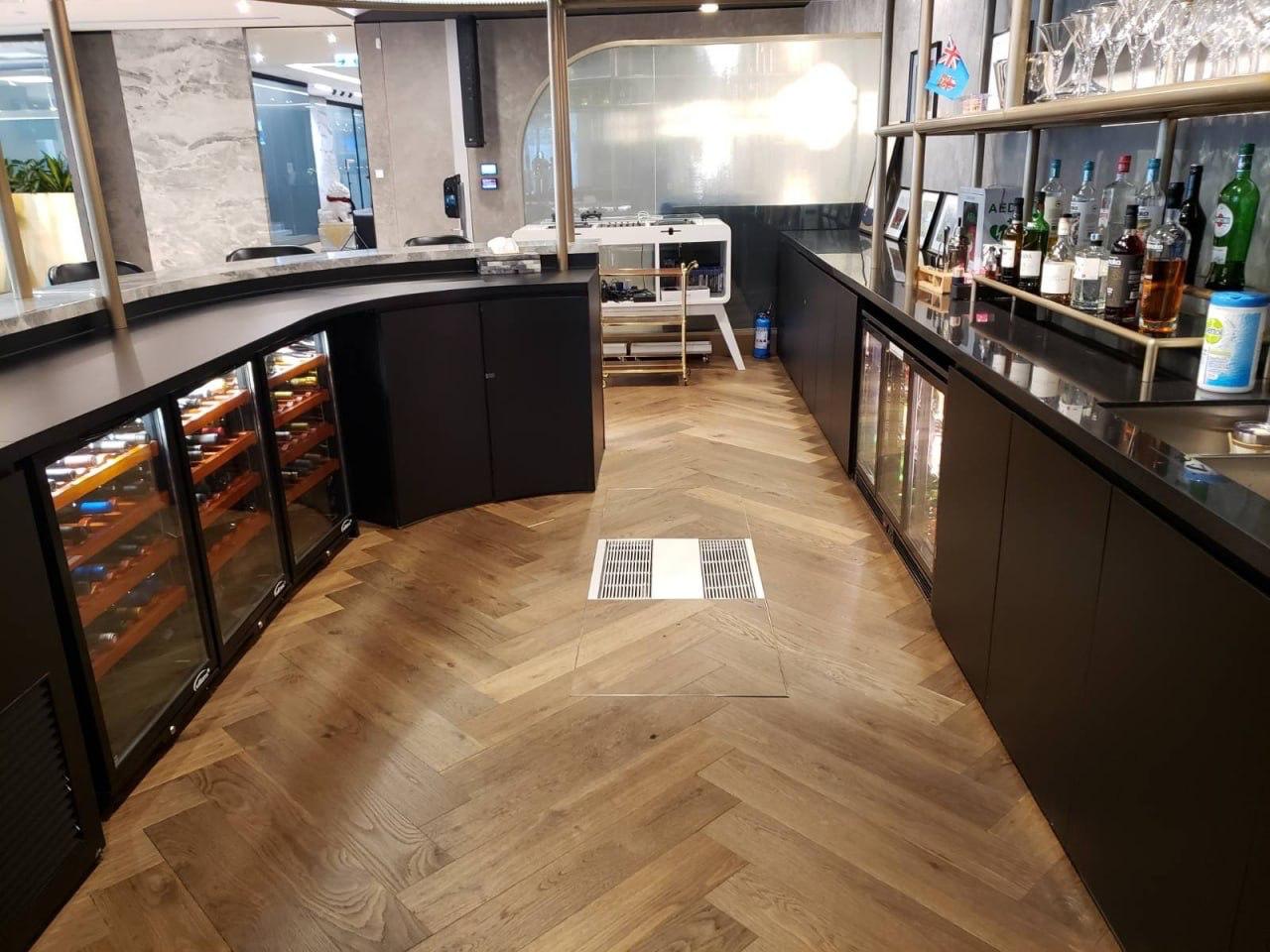
The BitMEX office in Hong Kong. Photo source: Peter Wilkinson

I've also encountered many commentators who note that although BitMEX invented the perpetual swap, we never perfected it or engaged in head-on competition. Although I'm not a fan of self-proclaimed experts on social media (and, as Homer says, after the event, even a fool becomes wise), there is some truth in this statement. Ultimately, there wasn't a single reason that led BitMEX to today's platform closure. I've already touched on some key points above, but business obeys Darwin's laws, and not everyone is destined to exist forever.

I am immensely proud of what BitMEX and our team have achieved. Above all, we have consistently protected all client funds. We are the only exchange that, throughout its entire history of over 11 years, has not lost a single penny due to hacks. This is a testament to the fantastic work done by everyone—both in the past and present—and I hope people will remember this as something commendable.

Finally, we played a key role in supporting the founders' vision related to the perpetual swap, which today is the most traded financial instrument in the cryptocurrency industry. Imitation is the sincerest form of flattery: the perpetual swap is now available from every player in the cryptocurrency exchange market and is the engine of cryptocurrency leverage. Perhaps in the future BitMEX will not be part of the cryptocurrency landscape, but if you look around, without it the landscape wouldn't look the way it does now, and it's a great honor for me to have had the opportunity to watch it all from the front row.

end-content

Kripto yang Sedang Tren

Pertanyaan Terkait

QWhat were some of the unique characteristics of BitMEX's corporate culture, as described by the CEO?

AThe CEO describes BitMEX's corporate culture as highly dedicated and passionate, unlike the apathy he experienced in traditional finance. Employees were seen as 'true evangelists' for the mission. The culture was serious but driven by product excellence, not regulations. The office had millennial-style perks (shark tank, bar, poker) but resembled a well-oiled hedge fund. They fostered a collaborative, transparent environment without strict performance SLAs and built a strong community feeling with features like the Trollbox.

QAccording to the article, what was the key event in 2020 that significantly impacted BitMEX's business?

AThe key event in 2020 was the U.S. legal action against the founders and the company itself. This was the first major lawsuit against an exchange in the industry. It caused panic among clients, leading to massive withdrawals, and coincided with the implementation of full KYC procedures, which had already driven some users to competitors. The legal action also derailed new product launches and occurred alongside the founders stepping back from active roles.

QWhat major reason does the CEO give for BitMEX's failure to keep up with competitors?

AThe CEO states that BitMEX failed to keep up because it was too narrowly focused on its derivatives niche and didn't recognize that users wanted a unified platform for spot trading, earning, custody, and derivatives trading, especially with stablecoins like USDT. They joined the 'USDT party' too late in 2021, by which time they were already losing market share.

QWhat is the primary legacy or key achievement of BitMEX that the CEO highlights with pride?

AThe CEO highlights two key achievements with pride. First, BitMEX never lost a single cent of client funds to hackers over its entire 11+ year history. Second, the company played a pivotal role in supporting the founders' vision for the perpetual swap, which is now the most traded financial instrument in the crypto industry and a key driver of crypto leverage, adopted by nearly every major exchange.

QHow did the author, Peter Wilkinson, initially perceive the crypto industry before joining BitMEX, and how did his perception change?

ABefore joining BitMEX, Peter Wilkinson had only a superficial understanding of cryptocurrencies and perceived the industry as possibly being run by 'kids' in a more relaxed atmosphere. His perception changed immediately upon joining. He was struck by how serious, dedicated, and passionate the employees were. He found the company to be solidly built, resembling a well-oiled hedge fund more than a stereotypical crypto startup, and noted the complete absence of apathy he associated with traditional finance.

Bacaan Terkait

Rahasia Gaji Harian Magang Raksasa AI Terkuak: Anthropic Lebih dari 5000 Yuan, Kimi Hanya Bisa Masuk Tingkat Keempat

**Rahasia Gaji Magang di Raksasa AI: Anthropic Tembus Rp 5.000/hari, Kimi Masuk Tier Empat** Pada 2026, gaji magang rata-rata mahasiswa di China berkisar Rp 5.000 per hari. Namun, di industri AI, angka ini bisa jauh lebih tinggi. Berdasarkan penelitian terhadap 12 perusahaan AI global, terjadi perang ketat untuk merebut talenta terbaik. **Tingkat Tertinggi (Gaji >Rp 5.000/hari):** * **OpenAI Residency:** Rp 5.625/hari. Program residensi 6 bulan untuk calon peneliti inti. * **Anthropic AI Safety Fellows:** Rp 5.198/hari. Program 4 bulan dengan tambahan dana komputasi besar. **Raksasa AS (Gaji ~Rp 2.000 - Rp 3.780/hari):** Meta (~Rp 3.780/hari), Google (~Rp 3.400/hari), NVIDIA AS (~Rp 2.106/hari, bisa lebih tinggi untuk PhD), dan OpenAI non-teknis (~Rp 1.944/hari) menawarkan gaji magang yang sangat kompetitif. **Raksasa China - Program Khusus Talenta Unggul:** * **ByteDance Top Seed:** Rp 2.000/hari untuk mahasiswa pascasarjana/S3 terpilih. * **Xiaomi (Program Unggulan):** Rp 500-1.100/hari untuk posisi penelitian model besar dan agen AI. **Tingkat Pasar Umum (Gaji Rp 200 - Rp 1.000/hari):** * **DeepSeek (umum):** Rp 500-1.000/hari. * **ByteDance (umum):** Rp 500/hari untuk teknis. * **MiniMax:** Rp 350-600+/hari (teknis). * **Alibaba:** Rp 350-550/hari. * **NVIDIA China:** Rp 400-800/hari. * **Kimi (Moonshot AI):** Rp 400-450/hari (algoritma). * **Xiaomi (umum):** Rp 300-400/hari. * **Zhipu AI:** Rp 200-300/hari (terendah tunai), namun menawarkan proporsi kepemilikan saham karyawan yang tinggi. **Kesimpulan:** 1. **Kesenjangan besar** antara gaji talenta puncak dan magang biasa (bisa 25x). 2. **Kesenjangan AS-China** masih signifikan untuk posisi umum. 3. Perusahaan China mulai mengejar lewat **program khusus** dengan gaji tinggi untuk sedikit talenta teratas. 4. **Opsi ekuitas/saham** menjadi kompensasi utama di banyak startup AI, seperti Zhipu dan MiniMax, meski gaji tunainya lebih rendah. Industri AI saat ini sangat dinamis, menawarkan potensi imbalan tinggi, terutama bagi talenta dengan keahlian langka yang mampu menciptakan terobosan.

Odaily星球日报30m yang lalu

Rahasia Gaji Harian Magang Raksasa AI Terkuak: Anthropic Lebih dari 5000 Yuan, Kimi Hanya Bisa Masuk Tingkat Keempat

Odaily星球日报30m yang lalu

Pengamatan Pasar Metrics Ventures: Saat "Perlombaan Mata Uang Buruk" Menjadi Norma, Bagaimana Memilih Aset Perlindungan Nilai?

**Pengamatan Pasar Metrics Ventures: Memilih Aset Safe Haven di Era "Persaingan Mata Uang yang Buruk"** Laporan bulanan Metrics Ventures untuk Juli-Agustus menyoroti tren makro ekonomi global di tengah ketidakpastian kebijakan moneter AS. Analisis menyimpulkan bahwa era "persaingan mata uang yang buruk" di antara negara-negara Barat telah menjadi norma, di mana kepercayaan terhadap mata uang fiat terus terkikis. Pasar bereaksi secara terpecah: pasar saham AS tampak percaya diri, sementara pasar obligasi dan valuta asing menunjukkan sinyal ketidakpercayaan. Logam mulia seperti emas telah menemukan dasar harga, mencerminkan konsensus bank sentral tentang tren penurunan mata uang yang tak terhindarkan. Menatap ke depan untuk kuartal III-IV, laporan ini merekomendasikan fokus pada aset-aset berikut: 1. **Sumber daya strategis** seperti tembaga dan listrik, yang terkait dengan ketegangan rantai pasokan global. 2. **Emas**, sebagai penyimpan nilai yang terus menilai ulang hilangnya kredibilitas mata uang. 3. **Aset-aset China (RMB)**, khususnya di sektor teknologi (contoh: indeks STAR 50), yang tren bullish-nya dinilai tetap kuat. 4. **Saham sumber daya komoditas** dalam pasar China, yang dianggap memiliki valuasi menarik dengan opsi imbal hasil dari kenaikan harga logam. Sementara itu, pasar cryptocurrency diperkirakan sulit mencatatkan kinerja unggul besar sebelum adanya pelonggaran likuiditas berlebih atau sebelum pertumbuhan AI sepenuhnya terharga di pasar. Inti laporan menekankan bahwa intervensi kebijakan (seperti intervensi nilai tukar AS-Jepang dan penggunaan fasilitas FIMA) menandakan pergeseran dalam pengelolaan moneter global. Dalam iklim ini, logam dan sumber daya nyata dipandang sebagai strategi berisiko rendah dengan nilai ekspektasi (EV) positif dalam jangka menengah.

marsbit2j yang lalu

Pengamatan Pasar Metrics Ventures: Saat "Perlombaan Mata Uang Buruk" Menjadi Norma, Bagaimana Memilih Aset Perlindungan Nilai?

marsbit2j yang lalu

Agustus, 'Bull Market' Wall Street Kembali, 'Sifat Judi' Juga Kembali

August menyaksikan kembalinya "bull market" di Wall Street, dengan S&P 500 mencapai rekor tertinggi baru. Sentimen investor berbalik positif dengan cepat setelah penjualan Juli, didorong oleh musim laba korporat yang luar biasa kuat (laba Q2 naik >50%) dan data inflasi AS yang lebih lembut, yang mengurangi tekanan kenaikan suku bunga Fed. Uang mengalir deras kembali ke saham teknologi dan produk leverage seperti ETF leverage dan opsi call, menandakan kembalinya "semangat berjudi". Saham chip seperti Super Micro Computer melonjak ~38% pada Agustus. Strategi leverage pada indeks luas berkinerja baik, berbeda dengan leverage pada saham tunggal. Namun, kenaikan cepat ini juga menimbulkan kewaspadaan. Pasar saat ini mematok skenario "masa keemasan" yang hampir sempurna: pertumbuhan kuat, suku bunga terbatas, dan guncangan sementara. Sinyal yang saling bertentangan muncul: harga minyak melonjak, imbal hasil obligasi pemerintah jangka panjang tetap tinggi (menandakan kekhawatiran inflasi jangka panjang), sementara indeks ketakutan VIX turun. Para analis memperingatkan bahwa kondisi ini sangat rapuh dan tidak memberikan ruang untuk kesalahan. Intinya: Pasar saham merayakan prospek soft landing dan siklus laba AI, tetapi pasar obligasi mengisyaratkan risiko yang belum terselesaikan. Pertarungan antara narasi optimis "Goldilocks" dan kekhawatiran inflasi jangka panjang akan menjadi tema utama di paruh kedua 2026.

marsbit3j yang lalu

Agustus, 'Bull Market' Wall Street Kembali, 'Sifat Judi' Juga Kembali

marsbit3j yang lalu

Trading

Spot

Artikel Populer

Cara Membeli ERA

Selamat datang di HTX.com! Kami telah membuat pembelian Caldera (ERA) menjadi mudah dan nyaman. Ikuti panduan langkah demi langkah kami untuk memulai perjalanan kripto Anda.Langkah 1: Buat Akun HTX AndaGunakan alamat email atau nomor ponsel Anda untuk mendaftar akun gratis di HTX. Rasakan perjalanan pendaftaran yang mudah dan buka semua fitur.Dapatkan Akun SayaLangkah 2: Buka Beli Kripto, lalu Pilih Metode Pembayaran AndaKartu Kredit/Debit: Gunakan Visa atau Mastercard Anda untuk membeli Caldera (ERA) secara instan.Saldo: Gunakan dana dari saldo akun HTX Anda untuk melakukan trading dengan lancar.Pihak Ketiga: Kami telah menambahkan metode pembayaran populer seperti Google Pay dan Apple Pay untuk meningkatkan kenyamanan.P2P: Lakukan trading langsung dengan pengguna lain di HTX.Over-the-Counter (OTC): Kami menawarkan layanan yang dibuat khusus dan kurs yang kompetitif bagi para trader.Langkah 3: Simpan Caldera (ERA) AndaSetelah melakukan pembelian, simpan Caldera (ERA) di akun HTX Anda. Selain itu, Anda dapat mengirimkannya ke tempat lain melalui transfer blockchain atau menggunakannya untuk memperdagangkan mata uang kripto lainnya.Langkah 4: Lakukan trading Caldera (ERA)Lakukan trading Caldera (ERA) dengan mudah di pasar spot HTX. Cukup akses akun Anda, pilih pasangan perdagangan, jalankan trading, lalu pantau secara real-time. Kami menawarkan pengalaman yang ramah pengguna baik untuk pemula maupun trader berpengalaman.

1.4k Total TayanganDipublikasikan pada 2025.07.17Diperbarui pada 2026.06.02

Cara Membeli ERA

Diskusi

Selamat datang di Komunitas HTX. Di sini, Anda bisa terus mendapatkan informasi terbaru tentang perkembangan platform terkini dan mendapatkan akses ke wawasan pasar profesional. Pendapat pengguna mengenai harga ERA (ERA) disajikan di bawah ini.

活动图片