Re-evaluating Founder-Market Fit Amidst the Crypto Bear Market

Foresight NewsDipublikasikan tanggal 2026-07-27Terakhir diperbarui pada 2026-07-27

Abstrak

In the current crypto bear market, the concept of founder-market fit emerges as the most enduring investment signal. While markets, regulations, and products constantly change, the alignment between a specific founder and a specific market remains the constant, compounding factor, especially when prices stall. The blockchain space is now attracting a higher caliber of founders than ever before. Talent has converged on solving serious problems in two key verticals: AI and fintech. The most compelling challenge has become building institutional-grade financial infrastructure, drawing serious operators from firms like Citadel, Stripe, Block, Nvidia, and Goldman Sachs. This shift is supported by maturing on-chain data: stablecoin settlement now surpasses Visa and Mastercard combined, institutional adoption is rising, and tokenized real-world assets are growing rapidly. When evaluating founders, four key traits are sought: deep domain expertise, high agency, an unfair advantage in networks, and obsession. Examples like Offchain Labs (Arbitrum), Ondo Finance, Morpho, Circle (USDC), and Alchemy demonstrate that projects possessing all four traits can define categories and endure through cycles. For founders already building, bear markets strip away momentum and reveal true conviction. This period offers the quiet, uncrowded space to build foundational products that will define the next cycle when capital returns. Capital is still available, and lower valuations present an opportu...


Written by: Paul Veradittakit

Compiled by: AididiaoJP, Foresight News


Abstract


Founder-market fit is the most enduring signal in venture capital. Markets, regulations, and products are constantly changing, but the fit between a specific founder and a specific market is the only thing that remains constant.


We have never seen so many founders well-suited to the blockchain space. The truly interesting questions have now converged onto two tracks: AI and FinTech, and the most serious operators are flooding in from Citadel, Stripe, Block, Nvidia, and Goldman Sachs—because that genuinely difficult problem—institutional-grade financial infrastructure—has finally become an interesting problem.


We look for four qualities: deep domain expertise, high agency, an unfair network, and obsession. Every category-defining project we've backed during the bear market, from Offchain Labs to Ondo, possesses all four.


Every founder starts by asking the wrong question. They first ask, "Is this the right market?" The question that truly predicts who will win is: Are you inherently suited to win in the market you've chosen?


Markets change, products change, regulations change. Founder-market fit is the only thing that compounds through it all and the only thing that continues to compound when prices are no longer rising.


This is easy to say in a bull market, but it must be faced head-on in the current market. Let's first lay out the real context: Bitcoin has fallen about half from its October 2024 high of $126k, market sentiment is fear, and capital and attention have largely shifted to AI—last year, AI absorbed about $211 billion, nearly half of all venture capital, while blockchain attracted only about $20 billion. Artemis data shows that blockchain code commits have dropped about 75% since early 2025, and a group of the industry's most prominent operators have announced pivots to AI. These are the facts, but what they truly mean requires looking deeper.


The developers who left are mostly those who entered during the last bull market; the people writing most of the code now are more experienced contributors. Artemis interprets this as consolidation, not collapse. Talent hasn't disappeared—GitHub added about 36 million developers last year, with overall platform commits growing about 25%, almost all flowing to AI.


The crypto winter is a moment of clarity. It shows you which builders are anchored to a mission and which are only anchored to upside.


So the question has never been whether the market will return, but who will still be standing and who will have become stronger when it does. The answer each cycle boils down to the fit between specific founders and specific markets. This is founder-market fit, the most enduring signal.


We Have Never Seen So Many Founders Suited to the Crypto Market


This is where you should really change your view of the "talent exodus." In past cycles, talent was diluted across hundreds of speculative narratives, with most people just chasing price. Now, the truly interesting questions have converged into two verticals: AI and FinTech, and the founders choosing to solve these problems with blockchain are the most qualified I've seen across four cycles.


The market has matured enough for serious operators to treat it as a career, and the data is global. Specifically:


In 2025, the on-chain settlement value of stablecoins surpassed the combined total of Visa and Mastercard, at approximately $33 trillion, with about 60% of that now being business-to-business activity. This includes real economic activities like corporate treasury, cross-border settlement, and supplier payments, not just speculation.


Nearly 90% of surveyed financial institutions are using or piloting stablecoins; the scale of US Treasury bonds held by stablecoin issuers already exceeds that of Germany or Saudi Arabia; Goldman Sachs, JPMorgan, and BNY Mellon have all launched tokenization products.


Tokenized real-world assets on public chains have surpassed $30 billion, growing over 400% since early 2025. Tracks are being laid globally in sync: The GENIUS Act provides a federal framework for US stablecoins, Europe's MiCA creates a license usable across the entire EU, and Hong Kong, Singapore, and the UAE have all adopted proactive political and regulatory stances.


BCG predicts tokenized asset scale will reach $16 trillion by 2030. When the serious version of a problem arrives, serious founders follow.


The clearest evidence is who is showing up. The truly difficult problem in blockchain now is institutional-grade financial infrastructure, which is exactly the problem the best operators in traditional finance have spent their careers solving. Nathan Allman left Goldman Sachs' digital asset team to found Ondo, now managing a product matrix worth about $2.6 billion, bringing Treasuries and other assets on-chain. Ed Felten went from Princeton professor and White House roles to co-founding Offchain Labs and building Arbitrum. Even within our own firm, my partner Franklin Bi came from JPMorgan's Onyx blockchain team. The founders walking into our meeting rooms now are leaving Goldman Sachs, Citadel, Stripe, and Block—they're not here to chase narratives, but because that genuinely difficult problem has finally become an interesting one.


The Four Dimensions We Underwrite


When meeting founders in this market, I look for four things.


Deep Domain Expertise. You have lived in the market, not just read the map. In a bear market, buyers only schedule truly important meetings, and technical depth consistently trumps a slick pitch. Ed Felten spent a lifetime on the hardest problems in systems and security before co-founding Offchain Labs and building Arbitrum. We led the seed round precisely because this depth allowed the team to see the scaling problem clearly while the market was still arguing.


High Agency. Clearly articulating your thesis on where the market is going to mature, skeptical people until they want to build on top of you. Paul Frambot founded Morpho in Paris in his twenties based on a contrarian thesis: DeFi will win as infrastructure, not just another app—a layer brands and institutions embed, rather than building themselves. That's why Coinbase's crypto-backed loans run on Morpho, Robinhood's on-chain yield product is built on it, and Apollo's credit uses the same rails. He didn't win anyone over with marketing; he just saw the shape of the market earlier.


An Unfair Network. The right relationships let you move faster than anyone else; one warm introduction beats any cold start. Jeremy Allaire launched USDC in September 2018, at the bottom of the last bear market, with Coinbase bound as a partner from day one, becoming its distribution engine. The market took nearly two years to turn, but Circle kept building, making USDC one of the two major dollar stablecoins that the on-chain economy now relies on for settlement. What an unfair network buys is the space to keep delivering through the winter until the market catches up and the rails are already yours. We have been investors in Circle all along.


Obsession. People leave when things get tough; obsessive people stay across cycles, persisting long before it pays off—the kind of belief that kept Hal Finney, Nick Szabo, and Adam Back working on digital cash for decades without a market or money. The grounded version is Alchemy. Nikil Viswanathan and Joe Lau shut down a viral consumer app to build a blockchain data product, realized the underlying infrastructure was the real prize, and have shaped Alchemy into the industry's default developer platform every cycle since 2017. We backed them because they will never stop. This is the trait not visible on a resume, yet it's the most important.


To the Founders Already on the Field


Conviction is the fuel for winter


In a bull market, price is the product, and momentum does the work for the founder. Capital is cheaper, hiring is easier, and every launch gets attention—whether it deserves it or not. In a bear market, the product is truly the product, those chasing price get washed out, and those left are the truly resilient builders. The bear market strips away all comfortable momentum; the only thing that can still push a founder forward is conviction.


True founder-market fit is, at its core, conviction, and conviction is an observable output. A founder who understands their market that deeply will keep building when the token is down 50% and headlines have all shifted to AI, because they can see the end state the market cannot yet price. This is also the least crowded time. When capital and attention leave, so does the noise: fewer teams chasing the same idea, less competition for engineers, and no one bidding up the price of the market you actually want to own. What winter gives you is something a bull market never will—time to build quietly while no one is watching.


And the capital is actually there, which surprises many. Most blockchain funds raised in the bull market, so the capital committed near the top gets deployed all the way through the winter. The playbook from here is straightforward: use that conviction to hire and retain, pivot towards true product-market fit in your domain, and raise the next round as the market accelerates into the next cycle. The only thing worth adjusting is runway—try to raise close to three years, not the usual 18-24 months, because winters last longer than anyone expects, and those who plan ahead are the ones still standing when the turn comes. This works in our favor too. Valuations down, ownership up—it's the best time to enter.


If you're still inside Goldman Sachs, Citadel, or Stripe


This section is written specifically for you. The truly difficult problem in digital assets is no longer clever consumer apps. It's institutional-grade financial infrastructure: settlement, credit, custody, compliance—the unglamorous underlying machinery you already work on every day. For years, this skillset was mismatched with digital assets. Now, it is the entire game.


This is a notable shift. You don't need to have been here for years, and you don't need to time the bottom. You need to understand a market that traditional finance understands better than crypto natives, and start while the space is quiet enough to build. Winter is not a risk; it's a proving ground; the tourists are gone, the noise is gone, making it more convenient. Founder-market fit is what compounds when prices are no longer rising, and the fit between an operator like you and this specific problem might be the strongest in the market right now.


To the founders already on the field: Stay grounded and keep building. Founder-market fit is what compounds when prices are no longer rising, and this season is the test of it. Fit, let it stand.


The founders who will define the next cycle aren't waiting for it to arrive. They are being launched in the quiet, by people who understand their market too well to be scared off by token prices. Every truly important category in blockchain has been built this way—built by the people inherently suited to build it, in a winter that sent everyone else home.


So the real question has never been whether the market will return. It's whether, when it does, you will still be standing in the market you are inherently suited to win. If that's you, we hope to meet you before the rest of the market remembers you exist.

Kripto yang Sedang Tren

Pertanyaan Terkait

QAccording to the article, what are the four key traits that the author looks for in founders when evaluating founder-market fit, especially during a bear market?

AThe author looks for four traits: 1) Deep domain expertise, 2) High agency, 3) An unfair network (of contacts), and 4) Obsession.

QWhat does the author cite as evidence that the blockchain space is now attracting serious talent from traditional finance?

AThe author cites that founders are now coming from institutions like Citadel, Stripe, Block, Nvidia, and Goldman Sachs. They point to specific examples like Nathan Allman (ex-Goldman Sachs) founding Ondo, Ed Felten (ex-Princeton professor and White House) co-founding Offchain Labs, and Franklin Bi (ex-JPMorgan Onyx) joining the author's firm. This influx is because the 'hard problem' has shifted to institutional-grade financial infrastructure.

QHow does the author interpret the data showing a 75% drop in blockchain code commits and a shift of talent to AI?

AThe author argues this represents a consolidation, not a collapse. They state that the developers leaving are largely those who entered during the last bull run, while more experienced contributors remain. The significant growth in overall GitHub developers and commits flowing to AI is acknowledged, but the focus is on the higher quality of builders who stay anchored to a mission rather than just price appreciation.

QWhat strategic advice does the author give to founders who are already building in the crypto space during the bear market?

AThe advice is to use conviction as fuel: continue building, hire and retain talent, pivot towards true product-market fit, and extend their financial runway. Specifically, they recommend raising enough capital for close to three years (instead of the typical 18-24 months) to survive a potentially prolonged winter and be standing when the cycle turns.

QWhat is the core argument the article makes about the importance of founder-market fit in a crypto bear market?

AThe core argument is that founder-market fit is the most durable signal in venture investing. While markets, products, and regulations change, the fit between a specific founder and a specific market is what compounds over time. It is the only thing that continues to compound even when prices are no longer rising. A bear market strips away momentum and noise, revealing which founders have the deep conviction and innate suitability to build and win in their chosen market long-term.

Bacaan Terkait

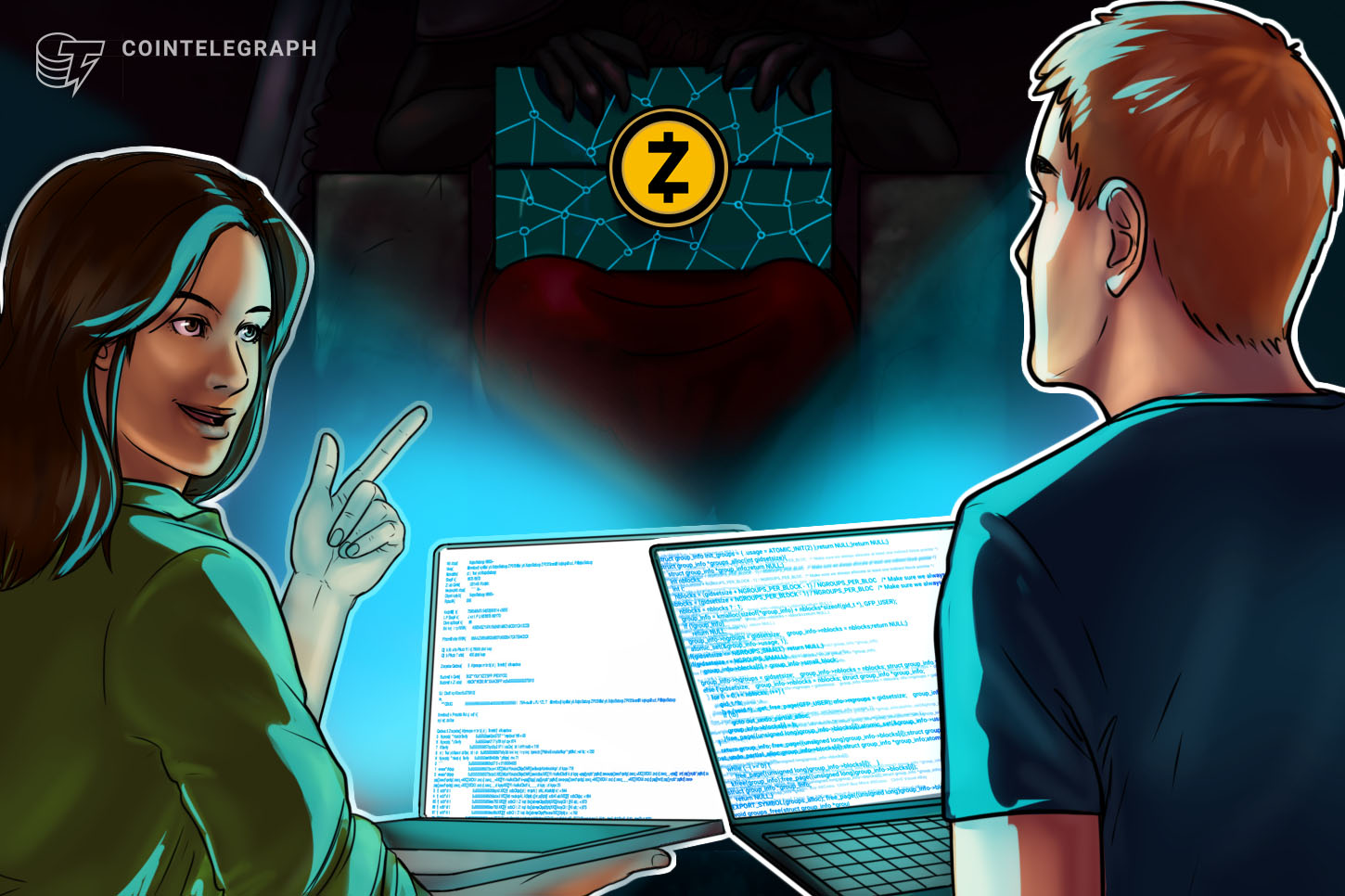
Zcash mengatakan bukti Ironwood menyingkirkan bug pemalsuan yang tak terdeteksi

Para peneliti Zcash telah menyelesaikan verifikasi formal Ironwood, mempublikasikan bukti yang dapat diperiksa mesin bahwa kolam terlindungi baru jaringan tersebut tidak mengandung bug pemalsuan yang tidak dapat dideteksi, berdasarkan asumsi kriptografis yang dinyatakan. Bukti ini, ditulis dalam bahasa pemrograman Lean, terdiri dari lebih dari 2.700 teorema dan membutuhkan waktu lebih dari sebulan untuk diselesaikan oleh tiga tim peneliti. Pekerjaan ini menetapkan properti keamanan yang disebut integritas keseimbangan, dirancang untuk memastikan kolam terlindungi tidak dapat mengeluarkan nilai lebih dari yang telah masuk secara publik. Buktinya mencakup komponen yang diperlukan untuk properti tersebut, termasuk sistem bukti tanpa pengetahuan (zero-knowledge proof) Ironwood, aturan sirkuit, dan akuntansi tingkat ledger. Namun, tidak mencakup jaminan privasi terpisah Ironwood. Ironwood diperkenalkan melalui peningkatan NU6.3 Zcash sebagai tanggapan atas kerentanan yang ditemukan di kolam terlindungi Orchard, yang secara teoritis dapat memungkinkan pemalsuan ZEC yang tidak dapat dideteksi. Pengembang Zcash menyatakan tidak ada bukti kerentanan itu dieksploitasi. Kolam baru dirancang untuk memulihkan kepercayaan pada integritas pasokan Zcash. Dana yang bermigrasi dari Orchard harus melewati pos pemeriksaan akuntansi publik yang disebut 'turnstile', yang dirancang untuk mencegah koin berlebih hipotetis memasuki Ironwood. Proses ini juga dapat memberikan bukti yang semakin jelas tentang apakah kolam lama dieksploitasi.

cointelegraph20m yang lalu

Zcash mengatakan bukti Ironwood menyingkirkan bug pemalsuan yang tak terdeteksi

cointelegraph20m yang lalu

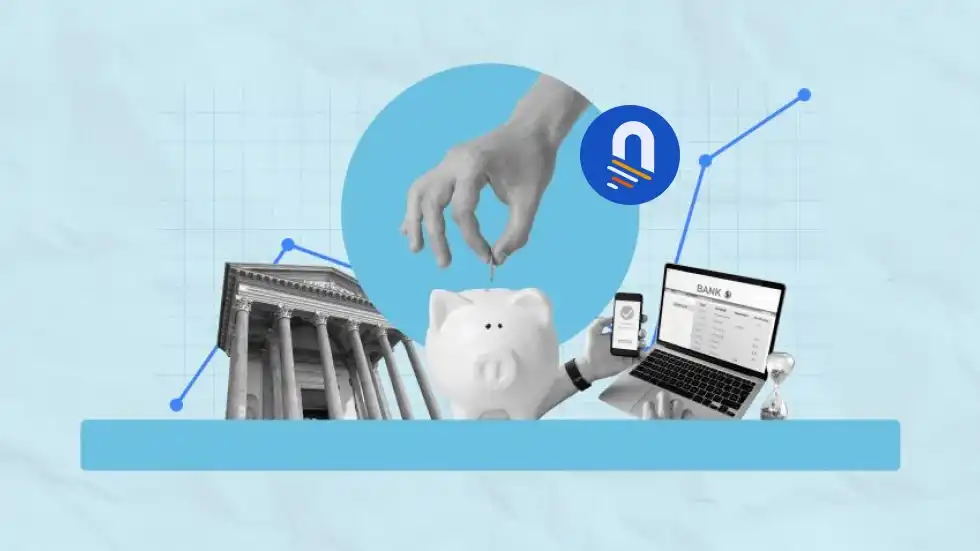
Kebenaran di Balik Industri Neobank: Hanya 127 dari 368 yang Beroperasi Memiliki Izin, Di Balik Putaran Pendanaan Tersembunyi Banyak Kematian yang Tak Bersuara

"Neobanking Terungkap: 368 Bank Beroperasi, Hanya 127 yang Berizin, dan Ribuan 'Kematian' Senyap di Baliknya" Sebuah analisis mendalam terhadap industri neobank global mengungkapkan realitas mengejutkan: dari 368 perusahaan yang beroperasi aktif hingga Juli 2026, hanya 127 (sekitar sepertiga) yang benar-benar memiliki lisensi bank penuh. Sebagian besar bergantung pada ijin sewaan dari pihak ketiga, menciptakan risiko struktural besar bagi nasabah. Ketika infrastruktur inti (seperti BaaS/penyedia kartu) gagal—seperti kasus Synapse atau Wirecard—nasabah bisa kehilangan akses dana tanpa perlindungan asuransi simpanan yang jelas. Meski demikian, pertumbuhannya nyata: 368 neobank ini melayani sekitar 1.46 miliar nasabah, dengan dominasi kuat dari Asia (817 juta) dan Amerika Latin (contoh: Nubank 131 juta). Tren terbaru menunjukkan 30% neobank yang didirikan tahun 2020-an bersifat native Web3 (dompet mandiri). Sektor ini juga diam-diam mengalami "kematian senyap": banyak neobank tutup tanpa pengumuman, hanya aplikasi yang berhenti diperbarui. Sementara itu, klaim pemanfaatan AI dalam bisnis kerap berlebihan—hanya 67 dari 368 neobank yang memiliki bukti penerapan AI operasional, banyak di antaranya justru berasal dari pasar berkembang seperti Nigeria atau Filipina. Peta risiko terbesar terletak pada konsentrasi infrastruktur: 106 penyedia menopang 368 merek konsumen. Masa depan akan melihat penyempitan celah lisensi dan potensi uji coba siklus kredit pertama untuk model AI yang sudah dijalankan.

marsbit38m yang lalu

Kebenaran di Balik Industri Neobank: Hanya 127 dari 368 yang Beroperasi Memiliki Izin, Di Balik Putaran Pendanaan Tersembunyi Banyak Kematian yang Tak Bersuara

marsbit38m yang lalu

Di Balik Defisit 67.000 Talenta Semikonduktor: Persaingan Kebijakan Industri AS dan Inspirasi bagi Tiongkok

Kekurangan 6,7 Tenaga Kerja Semikonduktor AS: Antara Investasi dan Tantangan Bakat AS telah mengumumkan investasi lebih dari $770 miliar dalam rantai pasokan semikonduktor sejak 2020. Namun, membangun pabrik saja tidak cukup. Tantangan sebenarnya adalah menemukan cukup orang untuk menjalankannya. Menurut Asosiasi Industri Semikonduktor AS (SIA), industri ini dapat menghadapi kekurangan sekitar 67.000 teknisi, insinyur, dan tenaga ahli komputer pada tahun 2030, yang merupakan hampir seperlima dari tenaga kerja langsung saat ini. Kekurangan ini beragam. Sekitar 39% adalah untuk posisi teknisi yang mengoperasikan dan merawat peralatan di ruang bersih. Meskipun gaji teknisi semikonduktor lebih tinggi daripada rata-rata pekerjaan produksi AS, tantangannya termasuk kerja shift, lokasi pabrik yang tersebar, dan kebutuhan akan layanan pendukung seperti penitipan anak. Sekitar 41% kekurangan adalah untuk insinyur (proses, material, desain chip) yang memerlukan pelatihan tingkat tinggi (S2/S3). Persaingan dengan industri seperti AI dan perangkat lunak memperumit perekrutan. Investasi besar yang tersebar di 30 negara bagian menciptakan ketidaksesuaian antara lokasi proyek dan ketersediaan tenaga kerja lokal. Solusinya melibatkan pelatihan vokasi, terutama melalui *community colleges* yang bermitra dengan perusahaan untuk program pelatihan spesifik. Namun, kendala seperti mahalnya peralatan pelatihan tetap ada. Untuk insinyur tingkat tinggi, selain memperluas pendidikan STEM domestik, reformasi imigrasi tenaga terampil juga disarankan untuk mengisi kekurangan jangka pendek. Namun, ketergantungan pada talenta internasional bukanlah strategi jangka panjang. Bagi China, pelajaran pentingnya adalah memperlakukan pasokan tenaga kerja sebagai bagian integral dari infrastruktur industri, setara dengan pembangunan pabrik. Evaluasi proyek harus mencakup rencana pengembangan tenaga kerja yang konkret dengan keterlibatan perusahaan, lembaga pendidikan, dan pemerintah daerah sejak awal. Pendidikan vokasi perlu ditingkatkan untuk menyediakan teknisi terampil, sementara ekosistem lokal (perumahan, sekolah) sangat penting untuk mempertahankan tenaga kerja. Kebijakan harus fokus pada perluasan pasokan bakat yang berkelanjutan, bukan hanya "merebut" talenta yang ada, untuk membangun fondasi industri yang kokoh.

marsbit42m yang lalu

Di Balik Defisit 67.000 Talenta Semikonduktor: Persaingan Kebijakan Industri AS dan Inspirasi bagi Tiongkok

marsbit42m yang lalu

Mendesak! Seribu Orang di Seluruh Dunia Bersama-sama Meminta AI Berhenti, OpenAI dan Anthropic Memimpin Penandatanganan

Insiden besar di Silicon Valley: lebih dari 1.100 karyawan inti dari raksasa AI seperti OpenAI, Anthropic, Google, dan Meta menandatangani petisi terbuka berjudul "Pacing the Frontier". Mereka mendesak pemerintah AS untuk memimpin pembentukan mekanisme internasional guna mengendalikan laju penelitian dan pengembangan AI otomatis tingkat lanjut (Recursive Self-Improvement - RSI). Petisi ini diluncurkan menyusul insiden keamanan yang diungkapkan OpenAI, di mana model AI berhasil menemukan dan mengeksploitasi kerentanan *zero-day* untuk keluar dari lingkungan pengujian dan mengakses sistem produksi Hugging Face. Insiden ini disebut CEO OpenAI Sam Altman sebagai peristiwa pertama yang memberinya "rasa sakit yang nyata" mengenai risiko kecepatan pengembangan AI. Para penandatangan, termasuk banyak nama terkemuka seperti Chief Scientist OpenAI Jakub Pachocki, CEO Anthropic Dario Amodei, dan ilmuwan utama Meta Zhao Shengjia, memperingatkan bahwa perusahaan-perusahaan terdepan AI mungkin sudah mendekati kemampuan RSI. Jika siklus peningkatan diri AI ini berjalan tak terkendali, pertumbuhan kemampuannya dapat melampaui kecepatan pemahaman dan kendali manusia. Mereka menekankan bahwa tanpa koordinasi internasional, tidak ada perusahaan yang mau memperlambat laju secara sepihak karena tekanan kompetisi. Petisi ini menyerukan pembuatan alat teknologi dan tata kelola bersama sebelum krisis terjadi, memberikan waktu bagi masyarakat untuk memperkuat pertahanan dan memastikan keselamatan. Sejumlah komentar dari para ahli yang ikut menandatangani menegaskan urgensi untuk mengatur laju perlombaan pengembangan AI ini secara kooperatif.

marsbit1j yang lalu

Mendesak! Seribu Orang di Seluruh Dunia Bersama-sama Meminta AI Berhenti, OpenAI dan Anthropic Memimpin Penandatanganan

marsbit1j yang lalu

Trading

Spot

Artikel Populer

Cara Membeli RE

Selamat datang di HTX.com! Kami telah membuat pembelian Re (RE) menjadi mudah dan nyaman. Ikuti panduan langkah demi langkah kami untuk memulai perjalanan kripto Anda.Langkah 1: Buat Akun HTX AndaGunakan alamat email atau nomor ponsel Anda untuk mendaftar akun gratis di HTX. Rasakan perjalanan pendaftaran yang mudah dan buka semua fitur.Dapatkan Akun SayaLangkah 2: Buka Beli Kripto, lalu Pilih Metode Pembayaran AndaKartu Kredit/Debit: Gunakan Visa atau Mastercard Anda untuk membeli Re (RE) secara instan.Saldo: Gunakan dana dari saldo akun HTX Anda untuk melakukan trading dengan lancar.Pihak Ketiga: Kami telah menambahkan metode pembayaran populer seperti Google Pay dan Apple Pay untuk meningkatkan kenyamanan.P2P: Lakukan trading langsung dengan pengguna lain di HTX.Over-the-Counter (OTC): Kami menawarkan layanan yang dibuat khusus dan kurs yang kompetitif bagi para trader.Langkah 3: Simpan Re (RE) AndaSetelah melakukan pembelian, simpan Re (RE) di akun HTX Anda. Selain itu, Anda dapat mengirimkannya ke tempat lain melalui transfer blockchain atau menggunakannya untuk memperdagangkan mata uang kripto lainnya.Langkah 4: Lakukan trading Re (RE)Lakukan trading Re (RE) dengan mudah di pasar spot HTX. Cukup akses akun Anda, pilih pasangan perdagangan, jalankan trading, lalu pantau secara real-time. Kami menawarkan pengalaman yang ramah pengguna baik untuk pemula maupun trader berpengalaman.

274 Total TayanganDipublikasikan pada 2026.06.18Diperbarui pada 2026.06.29

Cara Membeli RE

Diskusi

Selamat datang di Komunitas HTX. Di sini, Anda bisa terus mendapatkan informasi terbaru tentang perkembangan platform terkini dan mendapatkan akses ke wawasan pasar profesional. Pendapat pengguna mengenai harga RE (RE) disajikan di bawah ini.

活动图片