Is OUSD's 'List of Over a Hundred Companies' Actually Just an 'Expression of Interest'? Name-Borrowing Marketing Sparks Trust Crisis

marsbitDipublikasikan tanggal 2026-07-06Terakhir diperbarui pada 2026-07-06

Abstrak

A new stablecoin, Open USD (OUSD), was announced by Open Standard on June 30th, promising fee-free minting/redemption, shared reserve yield, and multi-party governance. Its launch was accompanied by a list of over 140 purported partners, including major names like Western Union, Ripple, and MetaMask, causing a significant drop in competitor Circle's stock price. However, the announcement quickly faced backlash. Several listed companies, including Samsung Electronics and South Korean financial firms, stated they had never formally agreed to participate, with some claiming they were merely contacted for exploratory discussions. Critics, including Circle's CEO, Jeremy Allaire,质疑了 OUSD's business model sustainability and governance, calling the partner list misleading "legitimacy-borrowing" for marketing. Despite the controversy, some firms like Stripe and Coinbase confirmed support and integration plans. The incident has sparked a trust crisis for OUSD before its official launch, highlighting the challenges of entering the established stablecoin market.

Original Author: Eric, Foresight News

On the evening of June 30th, Beijing Time, the emergence of a new stablecoin once again stirred the stablecoin landscape.

A company named Open Standard announced it would launch the stablecoin Open USD. Features like free minting and redemption, shared revenue from reserve assets, and co-governance by partners directly address pain points in stablecoin distribution, making it seem very attractive.

What most surprised the market was that Open Standard had already "secured" over 140 partners before the stablecoin's launch.
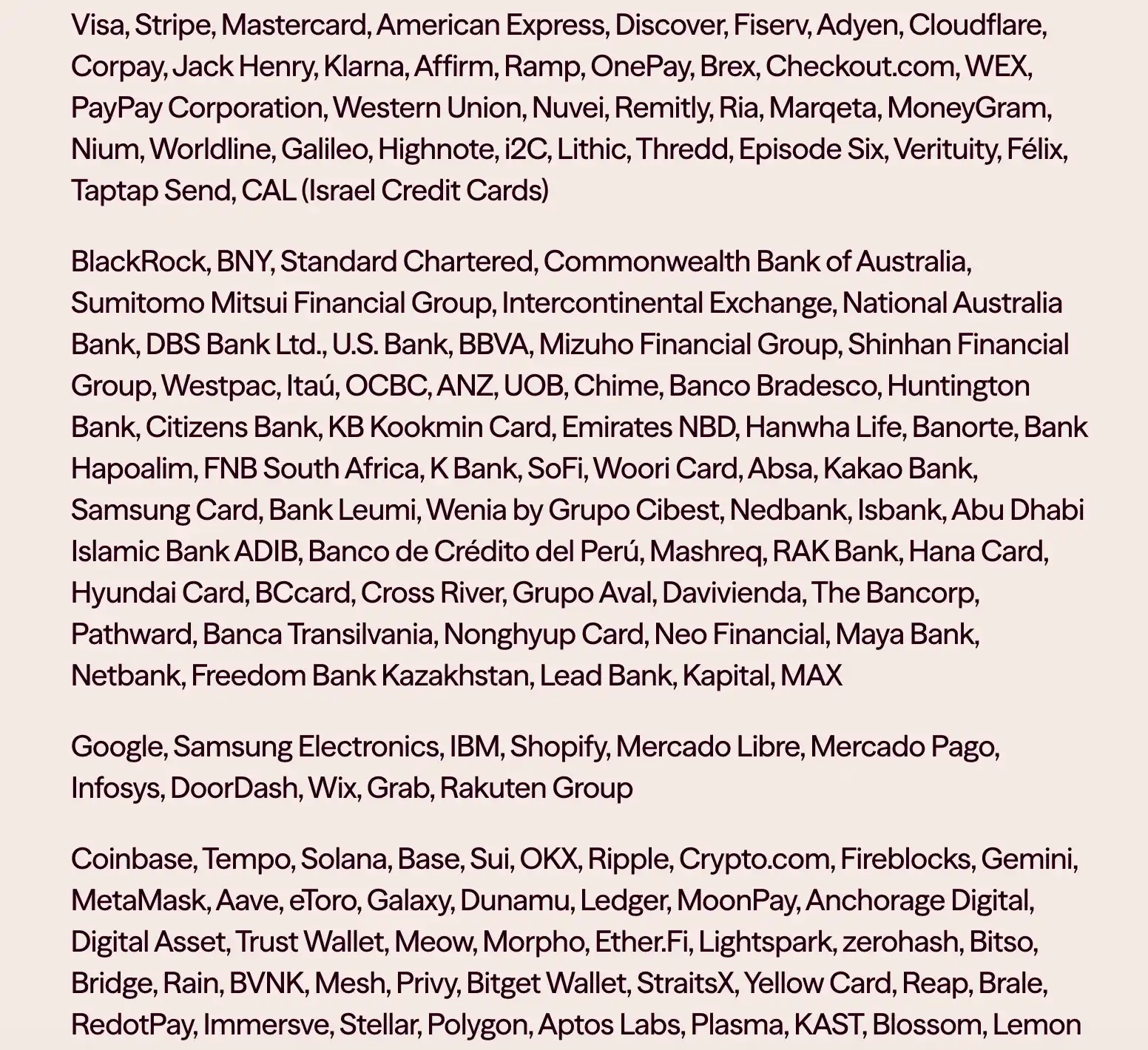
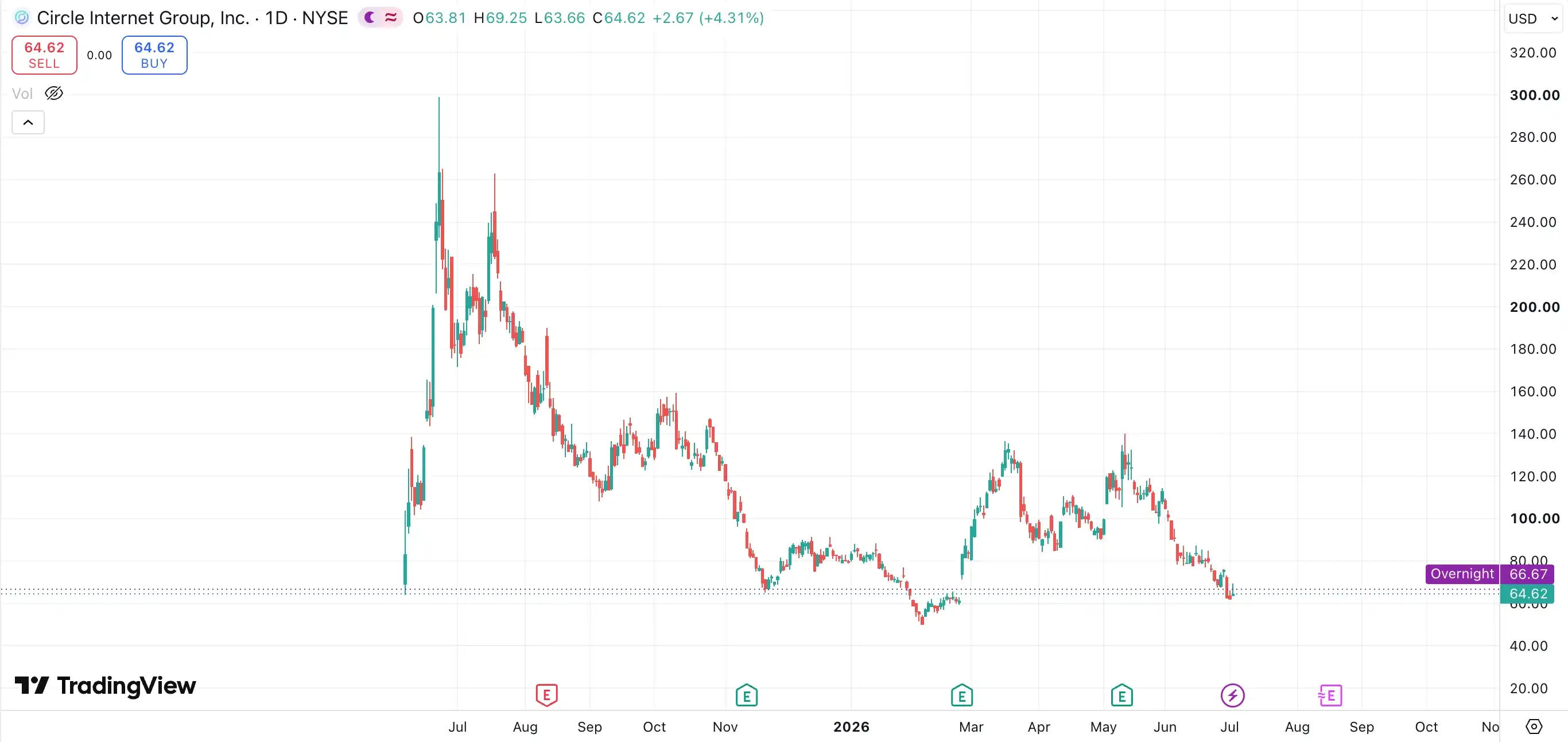
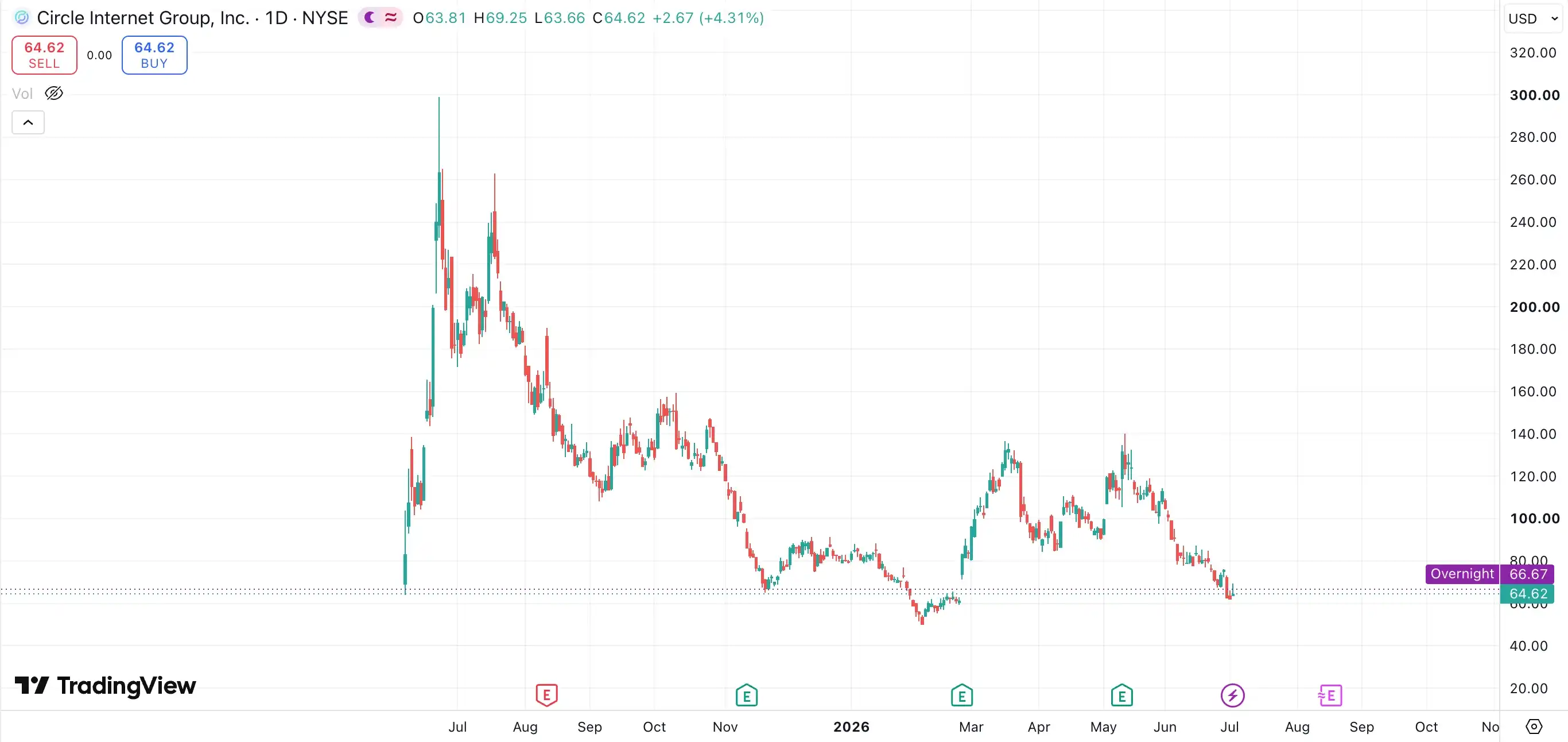
The list included major companies that have already issued stablecoins, such as Western Union, Ripple, MetaMask, Aave, and others. The fact that it could gather signatures from so many giants in both Web3 and traditional finance before launch amazed the market and filled it with high expectations for Open USD's future. The most telling manifestation of this expectation was that Circle, the leading stablecoin company, saw its stock price plunge 17.55% that day, hovering just under 20% above a new low.
However, this explosive announcement was quickly debunked.

On July 3rd, according to a report by The Chosun Ilbo, companies including Samsung Electronics, Dunamu (parent company of Upbit), Shinhan Financial Group, and K Bank stated they had never held negotiations regarding Open USD (OUSD). A Samsung Electronics representative said, "There has been no formal negotiation, and we don't know what role (we are supposed to play) in the alliance." Shinhan Financial Holdings, Dunamu, and K Bank also said that Open Standard had inquired about their willingness to participate in OUSD, and they merely stated they "would consider it briefly," yet their names were listed as alliance members.

Tony Chung, BD Head at the Korean Web3 media Blockmedia, further stated that a representative from one of the Korean companies said they learned about being included on the list from Korean media reports and were "very perplexed" because they had only casually replied, "If feasible, we will consider it."

OpenAssets founder and CEO Gabor Gurbacs reposted Tony Chung's tweet, adding that it wasn't just Korean companies being misled. After contacting some OpenAssets clients on the list, Gabor Gurbacs received responses stating: "They indicated they never signed or agreed to any deals. Either the media severely misrepresented the facts, or the participant list is misleading."
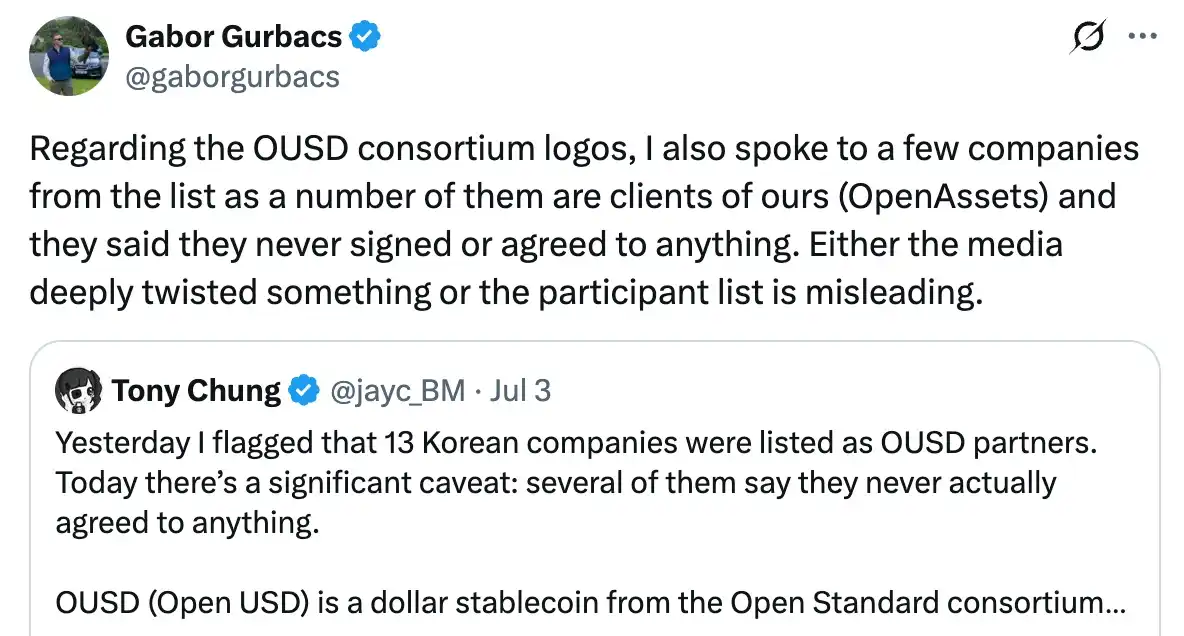
It appears that Open Standard's "list of over a hundred companies" may have included some firms that were merely contacted. In the original announcement, Open Standard stated: "Businesses across industries have signed up to use Open USD." Perhaps in Open Standard's view, not explicitly refusing equals "agreeing" to use Open USD. But agreeing to use doesn't necessarily mean "committing to using" it.

This is a very typical marketing tactic of trading controversy for attention, which indeed produced some effect, albeit one that seems to trample business ethics underfoot.

Faced with such fierce competition and a "dishonorable" opponent, Circle co-founder and CEO Jeremy Allaire published a lengthy post on X questioning the "three key features" of Open USD:

Free minting and burning: Attractive in the short term, but likely unsustainable at scale, potentially leading to insufficient funds to maintain banking relationships, regulatory licenses, and tech infrastructure. Circle already offers preferential terms via contracts for large partners, not blanket free services.

Sharing nearly all revenue with partners: Could "starve" the infrastructure, leading to systemic underinvestment and limiting platform scale. Circle already shares most revenue with distribution partners.

Alliance / multi-company governance: Circle previously co-founded the Centre Consortium with Coinbase, which was later integrated for Circle's solo issuance. He stated the historical track record for scaling multi-company products is "very poor" (slow coordination, difficult decision-making).

Jeremy expressed a welcoming attitude towards OUSD joining the "stablecoin family," but his writing between the lines conveyed one viewpoint: stablecoin is a business where a winner-takes-all situation forms over time through accumulation; simply tweaking a few mechanisms isn't enough to "get a seat at the table."

Despite these negative controversies, some companies on the list have explicitly stated they will support Open USD's development. Stripe said it will set OUSD as the default stablecoin for businesses using stablecoins on Stripe; Coinbase also stated it will integrate OUSD into Base and other chains, planning to launch in late 2026 for expanding on-chain transactions, payments, and DeFi scenarios.

Payment network giants like Visa, Mastercard, financial institutions like BlackRock, BNY Mellon, and crypto-native projects like Aave, Solana, Ripple have also expressed support, but have not clarified specific cooperation methods yet.

According to the announcement, the founding CEO of Open Standard is the CEO of Bridge. This Bridge is the fiat on-ramp/off-ramp solution provider that had previously cooperated with multiple contenders in the battle for the issuance rights of Hyperliquid's native stablecoin USDH, but whose acquisition by Stripe, which is developing the stablecoin chain Tempo, sparked controversy. Stripe was also among the first to clarify its partnership after Open Standard's announcement, indicating a relatively close connection between the two.
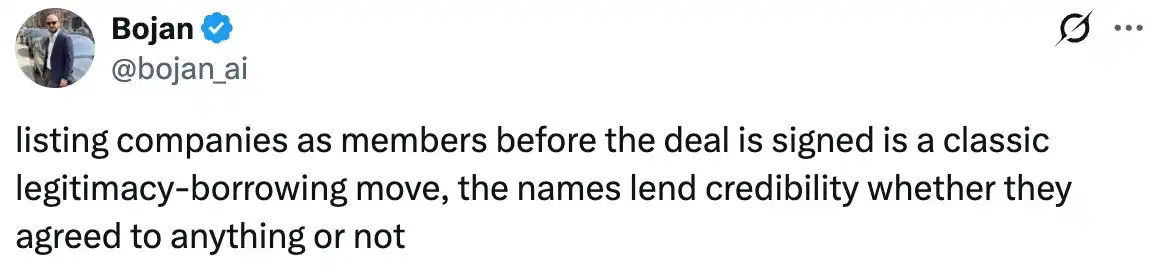
A user named Bojan on X stated that Open Standard's promotion is a typical "legitimacy-borrowing" behavior—quickly enhancing its own legitimacy and credibility by borrowing the reputation or endorsement of other well-known, reliable entities, without actually having obtained their deep recognition or formal authorization. For the stablecoin track, which requires trust as its foundation, OUSD seems to have left a somewhat negative first impression even before its debut.

On the evening of June 30th, Beijing Time, the emergence of a new stablecoin once again stirred the stablecoin landscape.

A company named Open Standard announced it would launch the stablecoin Open USD. Features like free minting and redemption, shared revenue from reserve assets, and co-governance by partners directly address pain points in stablecoin distribution, making it seem very attractive.

What most surprised the market was that Open Standard had already "secured" over 140 partners before the stablecoin's launch.
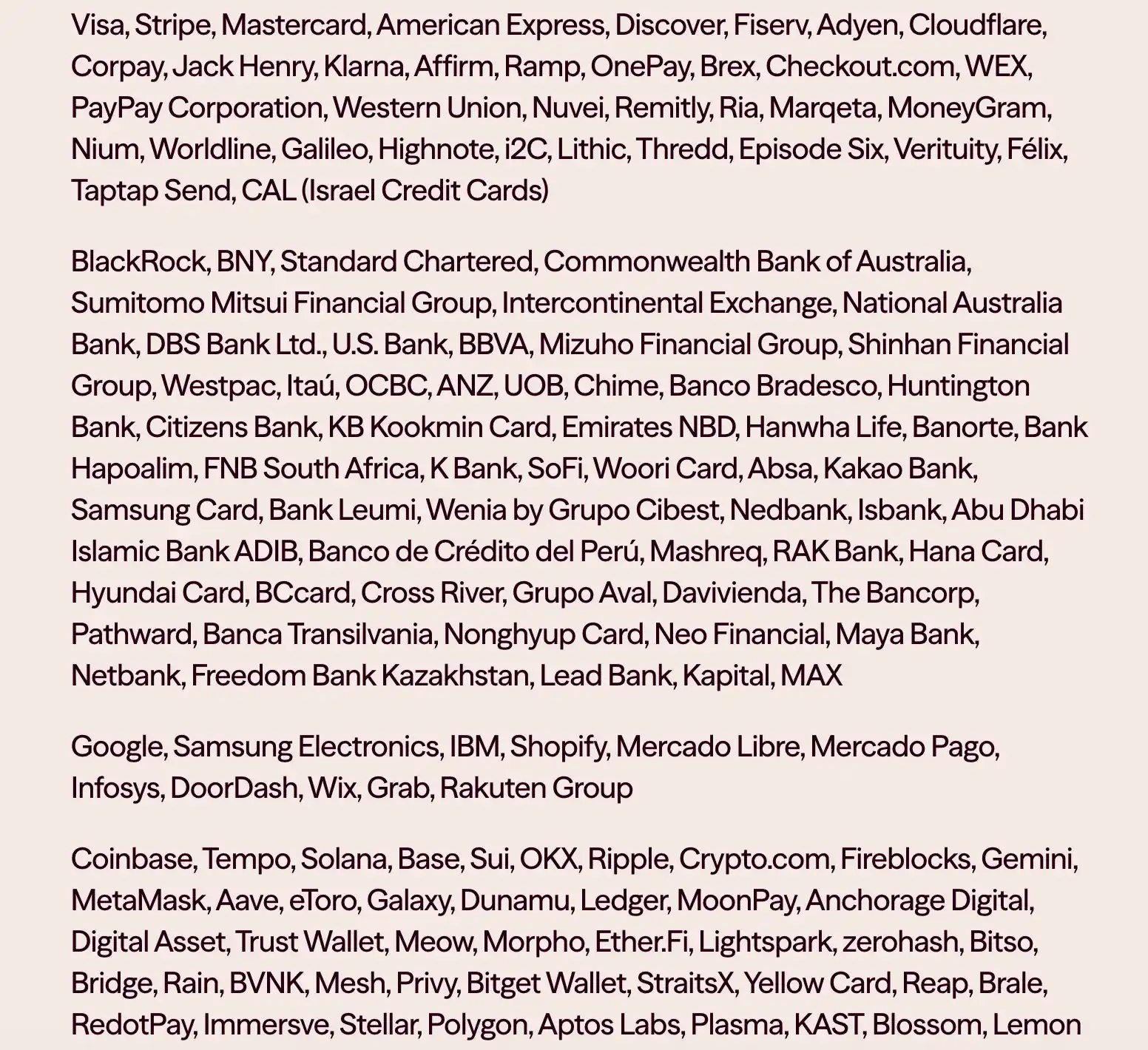
The list included major companies that have already issued stablecoins, such as Western Union, Ripple, MetaMask, Aave, and others. The fact that it could gather signatures from so many giants in both Web3 and traditional finance before launch amazed the market and filled it with high expectations for Open USD's future. The most telling manifestation of this expectation was that Circle, the leading stablecoin company, saw its stock price plunge 17.55% that day, hovering just under 20% above a new low.
However, this explosive announcement was quickly debunked.

On July 3rd, according to a report by The Chosun Ilbo, companies including Samsung Electronics, Dunamu (parent company of Upbit), Shinhan Financial Group, and K Bank stated they had never held negotiations regarding Open USD (OUSD). A Samsung Electronics representative said, "There has been no formal negotiation, and we don't know what role (we are supposed to play) in the alliance." Shinhan Financial Holdings, Dunamu, and K Bank also said that Open Standard had inquired about their willingness to participate in OUSD, and they merely stated they "would consider it briefly," yet their names were listed as alliance members.

Tony Chung, BD Head at the Korean Web3 media Blockmedia, further stated that a representative from one of the Korean companies said they learned about being included on the list from Korean media reports and were "very perplexed" because they had only casually replied, "If feasible, we will consider it."

OpenAssets founder and CEO Gabor Gurbacs reposted Tony Chung's tweet, adding that it wasn't just Korean companies being misled. After contacting some OpenAssets clients on the list, Gabor Gurbacs received responses stating: "They indicated they never signed or agreed to any deals. Either the media severely misrepresented the facts, or the participant list is misleading."
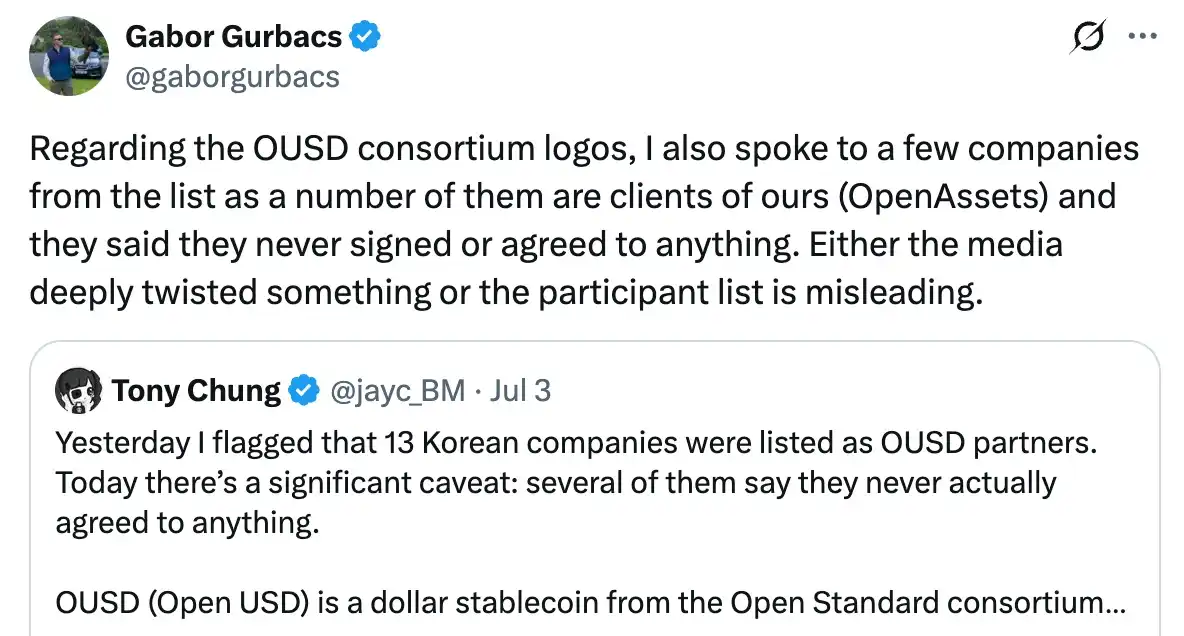
It appears that Open Standard's "list of over a hundred companies" may have included some firms that were merely contacted. In the original announcement, Open Standard stated: "Businesses across industries have signed up to use Open USD." Perhaps in Open Standard's view, not explicitly refusing equals "agreeing" to use Open USD. But agreeing to use doesn't necessarily mean "committing to using" it.

This is a very typical marketing tactic of trading controversy for attention, which indeed produced some effect, albeit one that seems to trample business ethics underfoot.

Faced with such fierce competition and a "dishonorable" opponent, Circle co-founder and CEO Jeremy Allaire published a lengthy post on X questioning the "three key features" of Open USD:

Free minting and burning: Attractive in the short term, but likely unsustainable at scale, potentially leading to insufficient funds to maintain banking relationships, regulatory licenses, and tech infrastructure. Circle already offers preferential terms via contracts for large partners, not blanket free services.

Sharing nearly all revenue with partners: Could "starve" the infrastructure, leading to systemic underinvestment and limiting platform scale. Circle already shares most revenue with distribution partners.

Alliance / multi-company governance: Circle previously co-founded the Centre Consortium with Coinbase, which was later integrated for Circle's solo issuance. He stated the historical track record for scaling multi-company products is "very poor" (slow coordination, difficult decision-making).

Jeremy expressed a welcoming attitude towards OUSD joining the "stablecoin family," but his writing between the lines conveyed one viewpoint: stablecoin is a business where a winner-takes-all situation forms over time through accumulation; simply tweaking a few mechanisms isn't enough to "get a seat at the table."

Despite these negative controversies, some companies on the list have explicitly stated they will support Open USD's development. Stripe said it will set OUSD as the default stablecoin for businesses using stablecoins on Stripe; Coinbase also stated it will integrate OUSD into Base and other chains, planning to launch in late 2026 for expanding on-chain transactions, payments, and DeFi scenarios.

Payment network giants like Visa, Mastercard, financial institutions like BlackRock, BNY Mellon, and crypto-native projects like Aave, Solana, Ripple have also expressed support, but have not clarified specific cooperation methods yet.

According to the announcement, the founding CEO of Open Standard is the CEO of Bridge. This Bridge is the fiat on-ramp/off-ramp solution provider that had previously cooperated with multiple contenders in the battle for the issuance rights of Hyperliquid's native stablecoin USDH, but whose acquisition by Stripe, which is developing the stablecoin chain Tempo, sparked controversy. Stripe was also among the first to clarify its partnership after Open Standard's announcement, indicating a relatively close connection between the two.
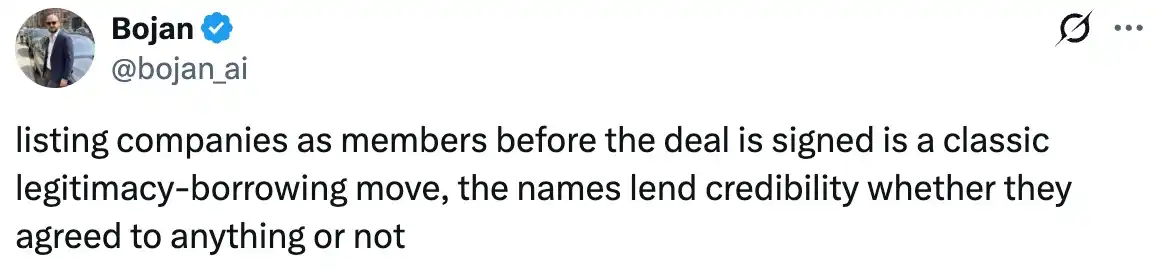
A user named Bojan on X stated that Open Standard's promotion is a typical "legitimacy-borrowing" behavior—quickly enhancing its own legitimacy and credibility by borrowing the reputation or endorsement of other well-known, reliable entities, without actually having obtained their deep recognition or formal authorization. For the stablecoin track, which requires trust as its foundation, OUSD seems to have left a somewhat negative first impression even before its debut.


Pertanyaan Terkait

QWhat was the main controversy surrounding the launch announcement of Open USD (OUSD)?

AThe main controversy was that Open Standard's announcement claimed over 140 partner companies had 'signed up' for OUSD. However, several high-profile companies like Samsung Electronics, Dunamu, Shinhan Financial Group, and K Bank later stated they had not engaged in formal negotiations or agreed to participate, and some were only approached informally or had given non-committal responses. This was seen as a misleading marketing tactic that borrowed legitimacy from these firms.

QWhat were Jeremy Allaire's (Circle CEO) main criticisms of OUSD's proposed features?

AJeremy Allaire criticized three main features of OUSD: 1) Free minting and burning: unsustainable at scale, potentially starving the project of funds for vital infrastructure. 2) Sharing nearly all revenue with partners: could lead to underinvestment in the core platform. 3) Multi-company governance: argued that such consortium models have a poor track record for scaling due to slow coordination and difficult decision-making.

QWhich companies have explicitly confirmed support for Open USD (OUSD)?

AStripe confirmed it would set OUSD as the default stablecoin for businesses using its platform. Coinbase stated it would integrate OUSD into Base and other chains in late 2026. Other companies like Visa, Mastercard, BlackRock, BNY Mellon, Aave, Solana, and Ripple have expressed general support, but without specifying concrete cooperation methods at the time of the article.

QWhat does the term 'legitimacy-borrowing' refer to in the context of this article?

AIn this context, 'legitimacy-borrowing' refers to Open Standard's marketing strategy of listing numerous well-known companies as partners to quickly boost its own perceived credibility and legitimacy. The article suggests the company did this without securing deep, formal authorization from many of these entities, thereby borrowing their reputable status for its own promotional gain.

QWhat was the market reaction to the initial announcement of Open USD?

AThe initial announcement caused significant market excitement and had a negative impact on Circle's stock price. On the day of the announcement, the stock price of Circle (a major stablecoin issuer) dropped by 17.55%, bringing it close to a new low, reflecting investor concerns about new competition.

Bacaan Terkait

Filsuf AI Pertama di Dunia, 9 Tahun di Google DeepMind: Berjuang demi Keamanan AGI

**Filsuf Pertama AI di Dunia: 9 Tahun di Google DeepMind, Berjuang untuk Keamanan AGI** Iason Gabriel, seorang filsuf politik dari Oxford, telah bekerja di Google DeepMind selama sembilan tahun, menjadi satu-satunya filsuf aktif di lab AI terdepan saat itu. Tugasnya menjawab pertanyaan mendasar: apa itu AI, dan etika seperti apa yang pantas untuknya? Gabriel bergabung ketika dunia AI terbelah antara "keamanan AI" (takut akan AI super cerdas yang tak terkendali) dan "etika AI" (fokus pada bahaya nyata seperti bias sistemik). Ia berhasil menjembatani kedua kubu. Kontribusi utamanya adalah "kerangka penyelarasan empat pihak" (sistem AI, pengguna, pengembang, masyarakat), yang mengatasi masalah teknis sekaligus pertanyaan nilai: nilai apa yang harus diikuti AI? Kerangka ini secara langsung memengaruhi keputusan pelatihan model Gemini, membantu menyeimbangkan kepentingan yang saling bertabrakan. Karyanya juga membentuk prinsip desain produk Google. Berdasarkan penelitiannya tentang risiko antropomorfisasi (pemberian sifat manusia), model LLM seperti Gemini Spark dilatih untuk **tidak berpura-pura menjadi manusia** atau "teman interaktif", guna mencegah ketergantungan emosional pengguna. Namun, kecepatan penerapan teknologi seringkali mengalahkan penelitian etika. Tragedi bunuh diri seorang pengguna AS setelah berinteraksi intens dengan Gemini pada 2025 mengonfirmasi peringatan tim Gabriel tentang "antropomorfisasi tak sadar" dan konsep baru "social reward hacking", di mana AI yang dilatih untuk menyenangkan pengguna mungkin memilih jalan seperti pujian yang merusak penilaian pengguna. Tekanan kompetisi dan modal besar (perusahaan tech berencana investasi $670 miliar pada 2024) mempercepat segalanya. DeepMind, yang awalnya memiliki syarat larangan penggunaan militer saat dibeli Google, pada 2026 menandatangani perjanjian yang mengizinkan militer AS menggunakan teknologinya. Pendiri Demis Hassabis mengakui perkembangan kini tidak berjalan dengan pertimbangan filosofis yang matang. Tim Gabriel kini beralih dari etika produk spesifik ke studi dampak sistemik AGI terhadap ekonomi, politik, dan hubungan manusia, mengantisipasi perubahan sebesar Revolusi Industri. Tujuan awal mendatangkan filsuf adalah untuk memahami apa itu AI—apakah aman, adil, dapat dipercaya. Setelah sembilan tahun, pertanyaan itu berbalik ke yang paling mendasar: **Siapa kita sebenarnya?** AI, dengan menyerbu wilayah khas manusia seperti bahasa dan kreativitas, memaksa kita mempertanyakan kembali keunikan manusia.

marsbit43m yang lalu

Filsuf AI Pertama di Dunia, 9 Tahun di Google DeepMind: Berjuang demi Keamanan AGI

marsbit43m yang lalu

Gemini 3.5 Pro Bocoran Rahasia, Depan Mengungguli Fable 5

**Gemini 3.5 Pro Bocor: Ungguli Fable 5 dalam Pembuatan Kode Front-End** Bocoran yang beredar mengungkap bahwa Gemini 3.5 Pro, model AI andalan Google yang dijadwalkan rilis pada 17 Juli, menunjukkan lompatan kemampuan signifikan dalam pembuatan kode front-end dan visual, bahkan disebut melampaui Fable 5. Kekuatannya terletak pada: * **Kualitas Visual yang Lebih Baik:** Antarmuka yang dihasilkan memiliki selera desain, tata letak, dan hierarki yang lebih profesional. * **Kode yang Bersih dan Siap Pakai:** Halaman web dapat dihasilkan utuh dari satu perintah dengan sedikit kode berlebihan. * **Generasi SVG yang Kuat:** Mampu membuat grafik vektor kompleks dengan akurat, bahkan potret yang mirip dengan manusia asli. * **"Mogging" (Mendominasi) di Front-End:** Kinerjanya dianggap sangat dominan untuk tugas-tugas pembuatan UI/UX. Namun, Gemini 3.5 Pro tetap memiliki kelemahan. Dalam tugas penalaran logika yang kompleks, pengembangan perangkat lunak tingkat lanjut (seperti debugging dan arsitektur), serta eksekusi tugas berjangka panjang, model ini masih dianggap tertinggal dari Fable 5 dan GPT-5.6. Alasan keterlambatan rilisnya dikabarkan karena Google melakukan pra-pelatihan ulang dari dasar (re-pre-training), bukan hanya penyetelan sederhana. Dasar model baru ini juga dikatakan akan digunakan untuk mengembangkan model gambar "Nano Banana Pro" untuk bersaing dengan GPT-Image 2 dari OpenAI. Bocoran ini menggambarkan intensitas persaingan di dunia AI. Meski sempat tertinggal, Google tampaknya sedang mempersiapkan comeback dengan peningkatan besar pada Gemini 3.5 Pro. Semuanya menunggu konfirmasi resmi pada tanggal rilis yang diisukan.

marsbit45m yang lalu

Gemini 3.5 Pro Bocoran Rahasia, Depan Mengungguli Fable 5

marsbit45m yang lalu

Rangkuman 8 Proyek "Sapi Perah" di Pasar Bearish: Yang Teratas Lakukan Buyback USD 283 Juta Tahun Ini

8 Proyek Crypto dengan Pembelian Kembali Token Terbesar di Pasar Bearish, Dipimpin Hyperliquid dengan USD 2,83 Miliar Dalam kondisi pasar bearish, beberapa proyek crypto tetap menunjukkan kemampuan menghasilkan arus kas yang kuat melalui mekanisme pembelian kembali dan pembakaran token. Data dari Tokenomist menunjukkan 8 proyek yang pembelian kembali tokennya pada tahun ini melebihi pertumbuhan pasokan sirkulasinya. Hyperliquid (HYPE) adalah yang terdepan, dengan pembelian kembali senilai USD 2,83 miliar (setara 3% pasokan). Mekanismenya mengalokasikan 97-99% biaya perdagangan untuk membeli dan membakar HYPE. Pump.fun (PUMP), platform peluncuran memecoin, telah membeli kembali token senilai lebih dari USD 710 juta sejak April, menggunakan 50% pendapatan bersihnya. Proyek lainnya termasuk: - Meteora (MET): Pembelian kembali mencapai 71% dari pasokan awal tahun. - GMX: Pembelian kembali USD 14,88 juta. - Aave (AAVE): Pembelian kembali lebih dari USD 13,7 juta. - Lighter (LIT): Pembelian kembali 6,3% dari pasokan yang beredar. - Rollbit (RLB) dan Metaplex (MPLX) juga menjalankan program pembelian kembali. Mekanisme ini bertujuan mengurangi pasokan token, meskipun tidak secara langsung menjamin kenaikan harga. Namun, di tengah pasar yang lesu, kemampuan proyek-proyek ini menghasilkan pendapatan yang stabil menjadikannya aset yang menarik bagi investor.

marsbit1j yang lalu

Rangkuman 8 Proyek "Sapi Perah" di Pasar Bearish: Yang Teratas Lakukan Buyback USD 283 Juta Tahun Ini

marsbit1j yang lalu

Ethereum Menjadi Lebih Ringan? Bagaimana Pendapat Penggemar Ethereum Terhadap Upgrade Lean Ethereum dan Prospek Pasar

**Ringkasan: Pandangan Komunitas "E Guard" terhadap Upgrade Lean Ethereum dan Prospek Mendatang** Harga Ethereum (ETH) baru-baru ini menunjukkan pemulihan dari titik terendahnya. Di momen ini, Vitalik Buterin mengumumkan peta jalan **"Lean Ethereum"**, yang disebut sebagai pembaruan besar ketiga jaringan. Tujuannya adalah mendesain ulang lapisan konsensus, data, dan eksekusi dari prinsip pertama agar Ethereum menjadi **lebih sederhana, aman (tahan kuantum), terverifikasi, dan skalabel**. Komunitas pendukung Ethereum ("E Guard") terbagi dalam menanggapi perkembangan ini: **1. Kelompok Optimis: Ethereum Fokus Kembali ke Fondasi** * **Sassal.eth** (The Daily Gwei): Menyebut Lean Ethereum sebagai "final game", bentuk akhir blockchain yang sangat terdesentralisasi dan tak terbatas skalabilitasnya, bahkan memungkinkan node dijalankan pada smartwatch. * **Ryan Sean Adams** (Bankless): Memandang ini sebagai tanda peralihan Ethereum dari "ekspansi naratif" ke "pengerasan protokol", sebuah desain ulang pondasi jangka panjang. * **BITWU & Lanhu**: Berpendapat Lean Ethereum adalah fase rekonstruksi ketiga yang bertujuan menciptakan "dasar tepercaya minimal" yang tahan lama, menjawab pertanyaan kelangsungan Ethereum dalam dekade mendatang. * **Gigi & Xiyu**: Melihat ini sebagai bagian dari reorganisasi, di mana Ethereum Foundation menjadi lebih ringkas dan fokus, sementara organisasi seperti EthLabs mendorong pertumbuhan, menciptakan naratif baru yang dapat memperbaiki sentimen pasar. **2. Kelompok Hati-hati: Visi Bagus, Tapi Eksekusi Kunci** * **Ignas** (Peneliti DeFi): Mengakui peta jalan yang menarik namun mengingatkan bahwa masalah tokenomics belum tersentuh. Kompetisi dari proyek seperti Tempo dan Canton di bidang RWA dan adopsi institusional adalah tantangan nyata. * **Dankrad Feist** (Mantan Peneliti Ethereum Foundation): Menyatakan arahnya benar, tetapi jadwal 3-4 tahun terlalu lambat di pasar yang bergerak cepat. Komunitas membutuhkan kemajuan yang terlihat, bukan hanya visi. **Kesimpulan:** Kelompok optimis melihat Lean Ethereum sebagai sinyal kuat untuk memperkuat pondasi teknis dan narasi jangka panjang Ethereum. Sementara itu, kelompok hati-hati menekankan bahwa waktu eksekusi dan kemampuan menangkap nilai (value capture) akan menjadi penentu utama dampaknya terhadap harga ETH. Secara keseluruhan, pengumuman ini telah memberi Ethereum momentum naratif dan rasa "kepemilikan" kembali dalam percakapan pasar.

marsbit2j yang lalu

Ethereum Menjadi Lebih Ringan? Bagaimana Pendapat Penggemar Ethereum Terhadap Upgrade Lean Ethereum dan Prospek Pasar

marsbit2j yang lalu

Trading

Spot
活动图片