Opinion: The AI Bubble in Stocks Has Arrived. Why I'm Turning to Bet on Bitcoin?

marsbitDipublikasikan tanggal 2026-07-02Terakhir diperbarui pada 2026-07-02

Abstrak

This article argues that the AI-driven stock market surge shows clear signs of a bubble. The author, citing Howard Marks' cycle theory, presents a checklist of behaviors signaling a market top—excessive optimism, easy capital, and the belief "no price is too high"—and finds the current AI stock mania matches most criteria. Consequently, the author has sold AI-related ETFs and shifted focus to accumulating Bitcoin within a $50k-$60k range, viewing it as a scarcer asset with a wider margin of safety amid high equity valuations. The piece contrasts the narrow, frothy AI rally with what it sees as a more rational long-term opportunity in Bitcoin, especially given indicators like high CAPE ratios and selective risk appetite. The author's personal strategy involves holding significant cash, with capital allocated across trading, long-term accumulation (primarily BTC), and illiquid investments.

Author:Investing Beanstock

Translation:Deep Tide TechFlow

Deep Tide's Guide: AI stocks are soaring, but this trader is actually selling tech stocks and turning to bottom-fish Bitcoin. He used Howard Marks's cycle theory to examine the current market point by point and found that AI already meets almost all the characteristics of a "bubble top." For investors, this article provides a calm framework for cycle positioning, helping you judge whether it's time to be greedy or fearful now.

The stock market is experiencing an AI-driven, frenzied bull market, which should come as a surprise to no one.

Not being positioned feels downright stupid—because capital expenditure (CAPEX) will only continue to rise, and the forward valuations of all these stocks will only become crazier.

I won't comment on specific stocks or indices; banks and financial media worldwide are already providing blanket coverage. I'm more interested in figuring out—or at least trying to decipher—what stage of the market we're in. Not just in cryptocurrency, but across the entire financial markets.

To do this, I drew heavy inspiration from one of my favorite books: Howard Marks's *Mastering the Market Cycle*.

Most people understand cycles as a series of events. Most also understand that these events typically follow each other in a regular sequence: an upswing is followed by a downswing, and then eventually a new upswing. But to fully understand cycles, this isn't enough. Events in a cycle shouldn't just be seen as one following another; more importantly, each event *causes* the next to happen.
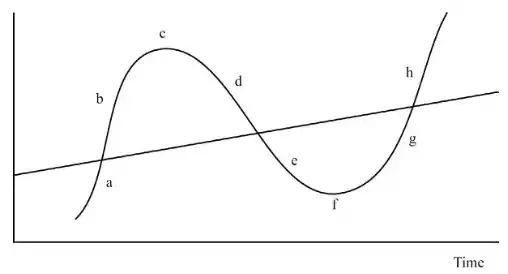
The straight line = the midpoint. The market's pendulum is the wavy line oscillating around the midpoint. Together they form the market cycle, driven by various market forces that cause it to deviate from the midpoint from time to time.

The movement of cyclical phenomena can be easily recognized in several stages:

a: Recovery from an overly depressed low extreme or "trough" towards the midpoint.

b: Continuing past the midpoint to swing towards the high extreme or "peak."

c: Reaching the peak.

d: Correcting downward from the peak back to the midpoint or mean.

e: Continuing the downward movement past the midpoint towards a new low.

f: Reaching the trough.

g: Recovering from the trough back to the midpoint.

h: The cycle repeats.

So Where Are We Now?
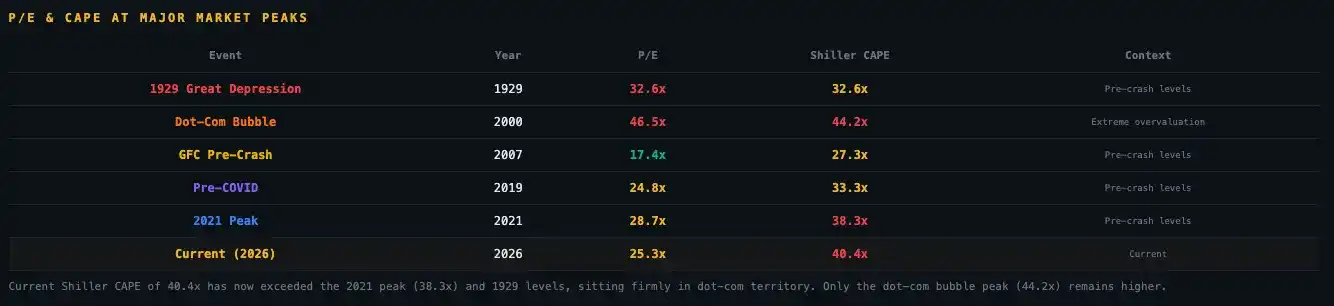
Is this a bubble? I think it's quite evident at this point that AI indeed *is* a bubble. According to Marks, a bubble is signaled when the sentiment that "price doesn't matter" is strong.

In a bubble, investors often conclude that you can make money by borrowing (using leverage) to buy the frenzied asset. No matter what your borrowing rate or funding fee is, the asset will surely appreciate faster than that.

"No price is too high" is the ultimate ingredient of a bubble, a fairly obvious signal that the market has gone too far.

There are actually conflicting schools of thought, believing the market can stay far above its intrinsic value and still reward multiples due to the frenzy.

What to Do?

Since we can't be sure when the bubble will burst, in my view, we have two clear approaches to portfolio allocation.

Dollar-Cost Averaging (I mean real DCA, no timing, you just buy in boring, mechanical dribs and drabs. The more batches you split into, the smoother your final cost basis, that's the whole point.)

Heavy cash allocation, but still allowing yourself to participate in the market through tactical/satellite positions, like active trading.

I personally prefer the second method. But that's because I actively monitor the markets day in and day out; I rely on my own market experience and intuition to navigate all this.

DCA isn't a bad method either. But it does require one to truly extend their time horizon. Not 1 or 3 years, but at least 5 years to really see results. Most people DCA for a few weeks, or try to DCA while also timing, and it backfires. If you plan to DCA into a particular investment, make sure you fully understand that business/industry, and then just stick to it in a super boring, repetitive way and go on with your life.

In my 2025 review and reflection post, I mentioned allocating 25% of my portfolio to passive ETFs, including QQQ, SOXQ, XAR, URA, and UFO. I think a large part of the gains came from QQQ and SOXQ, but I sold all of it in May because I believe the market had swung far past the midpoint.

I also said I was overall bearish on crypto until early 2026 (which turned out right), I managed to keep a lot of cash, and am now patiently deploying a portion into BTC. The target accumulation range is $50k–$60k, so I've already started allocating as of writing this.

"Crypto Is Dead, Pivot to AI"

Honestly, my only regret is not allocating more to speculative private market exposure in Anthropic and xAI. I think frontier models still offer the purest AI exposure, compared to public market "picks and shovels" types, like the GPU/semiconductor/storage narrative. Since those are already consensus, I don't think chasing them now offers asymmetric upside. That ship sailed a long time ago. Stocks like MU are up almost 10x in a year, and stocks like SNDK basically move like memecoins. Upside might still be there, but downside risk looks worse.

But the CAPEX! Yes, this might translate into real incremental value in the future, but it's still speculative. Overly speculative, excess money all funneling into the same thing, I've seen this movie before.

Is it disappointing to miss a big chunk of the AI bull run? Sure, it stings a bit. But I still have exposure, and it's doubled. I really don't think it's responsible to tell someone AI stocks are truly worth buying at today's valuations, unless they *really* know what they're doing and are in it for the long term (most aren't, they're here for quick money).

Market Sanity Checklist

Now, let's go back to how Marks judges if we are near/approaching a market top:

The economy is growing; economic reports are positive.

Corporate profits are rising and beating expectations.

The media only reports good news.

The securities markets are strong.

Investors are becoming increasingly confident and optimistic.

Risk is perceived as scarce and mild.

Investors believe taking risks is the necessary path to profits.

Greed drives behavior.

Demand for investment opportunities exceeds supply.

Asset prices exceed intrinsic value.

Capital markets are wide open; raising money or rolling over debt is easy.

Defaults are rare.

Skepticism is low, confidence is high, meaning risky trades can be made.

No one can imagine things going wrong. No favorable development seems impossible.

Everyone assumes things will get better forever.

Investors ignore the possibility of loss, only worry about missing out.

No one can think of a reason to sell, and no one is forced to sell.

There are more buyers than sellers.

If the market dips, investors are happy to buy.

Prices reach new highs.

The media celebrates this exciting event.

Investors become euphoric and carefree.

Equity holders marvel at their own cleverness; perhaps they'll buy more.

Those who stayed on the sidelines feel regret; therefore, they capitulate and buy.

^ This means:

Future returns are low (or negative).

Risk is high.

Investors should forget about missed opportunities, only worry about losing money.

This is a time for caution!

So, how many of these do you think the current stock market is exhibiting?

On the flip side of the "market top" checklist, the opposite scenario can also manifest:

The economy slows; reports are negative.

Corporate profits are flat or falling, missing expectations.

The media only reports bad news.

The market is weak.

Investors become worried and despondent.

Risk is perceived as everywhere.

Investors believe taking risks is just a way to lose money.

Fear dominates investor psychology.

Demand for securities is less than supply.

Asset prices are below intrinsic value.

Capital markets are closed; it's hard to issue securities or refinance debt.

Defaults surge.

Skepticism is high, confidence is low, meaning only safe trades can be made, or none at all.

No one thinks improvement is possible. No outcome seems too negative to happen.

Everyone assumes things will get worse forever.

Investors ignore the possibility of missing opportunities, only worry about losing money.

No one can think of a reason to buy.

There are more sellers than buyers.

"Don't try to catch a falling knife" replaces "buy the dip."

Prices reach new lows.

The media focuses on this depressing trend.

Investors become despondent and panicked.

Equity holders feel stupid and disillusioned. They realize they don't really understand the reasons behind their investments.

Those who didn't buy (or who sold) feel vindicated and are praised for their cleverness.

Those who held capitulate and sell at depressed prices, furthering the downward spiral.

^ This means:

Implied future returns are sky-high.

Risk is low.

Investors should forget about the risk of losing money, only worry about missing opportunities.

This is a time to be aggressive!

Based on the checklist above, I do think BTC is exhibiting many of these (especially in the Saylor/MSTR situation). So I do feel BTC presents a more attractive investment prospect compared to today's high-flying AI stocks.

However, note that the above progressions are simplified, they may not even appear in the same order, nor necessarily appear in every market cycle, but these behaviors are real, they are indeed elements that rhyme in markets over decades.
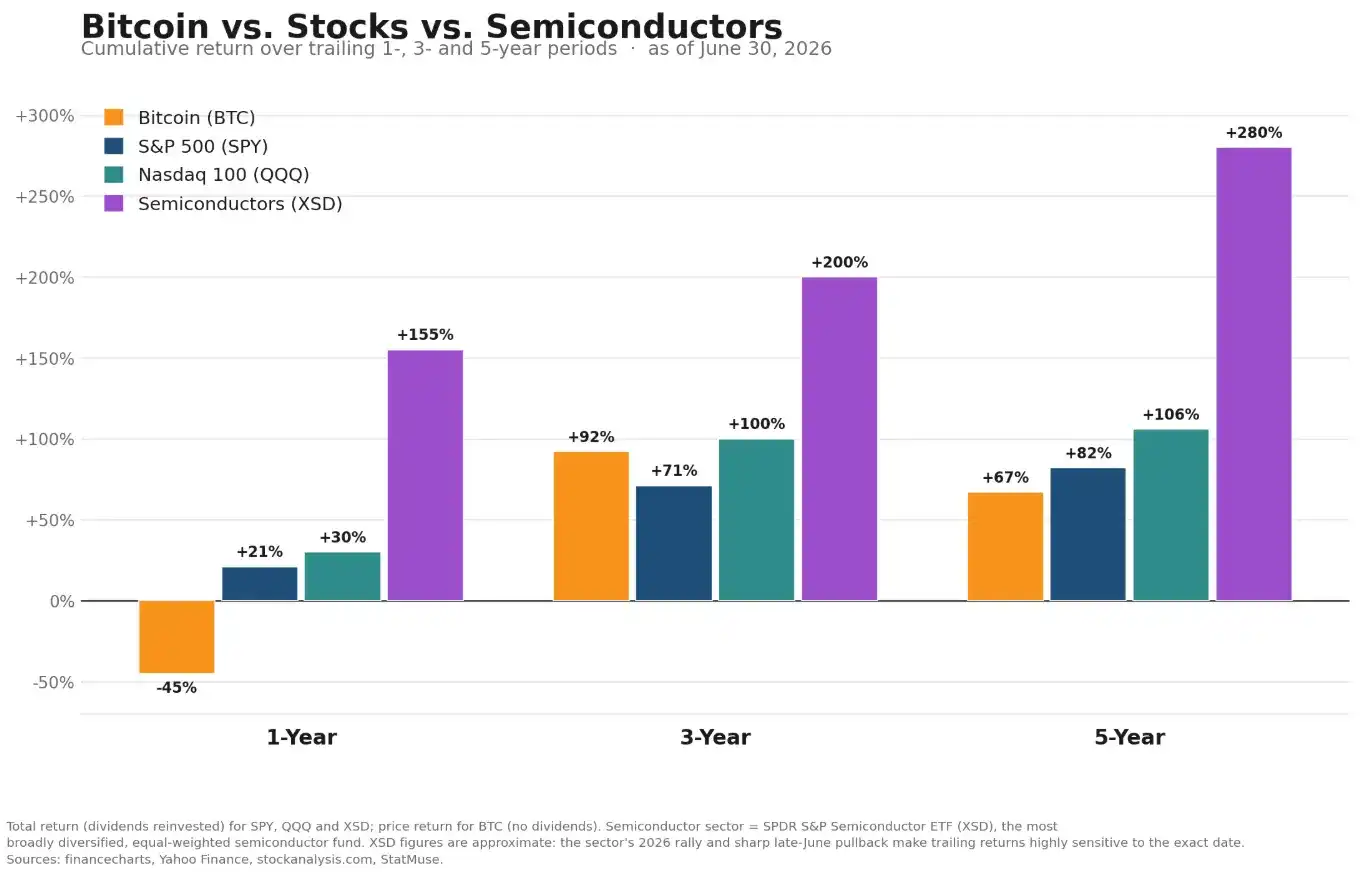
The AI revolution has clearly benefited tech stocks, especially semiconductors over 1/3/5 year periods.

But investing is never done by looking in the rearview mirror (unfortunately, most people do and take reference from the past), advantage emerges where people ignore/dismiss it. We need to look at "what happens 1 to 10 years from now," not what today's environment is.

Looking at the chart above, saying you're a crypto investor and you should have invested in stocks would look silly.

Based on the above chart, if you chose stocks, statistically speaking, the likelihood of future underperformance is high.

Also, reading this in 2026 might sound like a joke now, but based on past lessons from cycles and an understanding of forward return/valuation fundamentals, I do think BTC will outperform stocks over the next few years.

The Most Dislocated Macro Environment Ever

We are also in one of the most dislocated, irrational market environments ever.

Under new Fed Chair Wash, interest rates are currently at 3.5–3.75%, and he's also publicly struck a hawkish tone. But rates aren't compressing; stocks instead keep rising, all because AI will cure cancer and everyone will make infinite money forever, right?

The Shiller CAPE ratio for stocks has broken above 40 for the first time, the first time since the peak of the dot-com bubble era. US stock market capitalization is now near 2x its GDP, valuations are higher than during the 2000 bubble.

Multiple expansions during a tightening cycle, this is textbook definition of dislocation.

This dislocation is primarily driven by a three-engine narrative/liquidity machine.

AI CAPEX supercycle: Large hyperscale cloud providers spending up to $725 billion in 2026, nearing $1 trillion, now accounting for over 30% of the entire S&P 500.

Late-cycle fiscal stimulus: Lower corporate and personal taxes/tariff rebates boosting nominal earnings, even as the Fed tightens.

Passive index fund flows: Index funds mechanically funnel every 401(k) dollar into the largest market cap companies, regardless of price. Boomers are now forced to buy these hyperscale cloud provider stocks at all-time highs, and they continue.

Risk Appetite Is Selective

Today capital is rushing into AI/semiconductors, while everything else including Bitcoin (last cycle's darling) is barely growing or bleeding. This is not a universally greedy market, but one funneling all capital into a single narrative (AI and its related verticals).

In 2025, AI-related stocks accounted for roughly 80% of the entire US stock market gains. Behind these all-time highs, market breadth is extremely narrow, most stocks aren't even contributing to the rally (unless you're AI-related).

Cracks Are Forming

The entire edifice assumes AI CAPEX can be met with real demand, and that energy-driven inflationary shocks will subside/not matter. Core PCE rose from 3% to 3.3%, oil prices surged from $57 to $113 during the Iran war then fell to $76, this is exactly why rate cuts were ruled out.

Cracks have already shown.

In the last full week of June, South Korea's KOSPI halted trading twice, Samsung and SK Hynix fell 12% in a single day, a warning of seller count versus remaining buyers.

Dalio also said his bubble gauge is near 1929 and 2000 levels, Buffett... still holds a record $381 billion in cash. Prices have become dependent on narrative, positioning, and leverage, there really isn't much margin of safety left.

My Personal Plan

Considering all of the above, here's how I, as a capital allocator, think about the whole picture.

Please note this is highly tailored to my own life situation, investment goals, and personality. Please do your own research, none of this constitutes financial advice.

I currently split my capital into 3 distinct buckets and manage accordingly based on a specific bucket.

Trading capital (highest risk, highest volatility, highest variance)

Long-term accumulation capital (buy-and-hold type I don't intend to sell)

Illiquid capital (private equity – SPVs, alternative investments)

How to allocate capital to which bucket is highly dependent on market environment and liquidity.

Right now, I keep most cash for Bucket 2. I've drastically reduced allocation to Bucket 1 due to deteriorating market edge. In crypto, I currently only deem BTC, HYPE, and LIT worth holding. Looking at stocks is playing musical chairs. Given current valuations, long-term allocation to stocks also doesn't make sense.

For Bucket 3, the amount is mostly fixed, about 20% of my net worth. Given its illiquidity and years needed to realize full returns, this bucket remains largely unchanged for the foreseeable future.

As of writing, I'm mostly cash (>80%), with allocation weights across the 3 buckets at 10%, 70%, 20% respectively.

Under Bucket 2, I've made 4 buys of spot BTC so far, average price around $59k. I'm also interested in certain ETFs, which I'll disclose when I decide on a long-term allocation.

In summary, nothing too fancy. More like fishing, waiting for that big fish. I don't mind catching a few small ones before the big one comes, but the point is to keep fishing, stay focused, and not give up.

Perpetual DEX Airdrop Farming Still an Edge

Although my trading decreased in June, I think one massively undervalued edge in crypto is perpetual DEX farming, especially Variational.
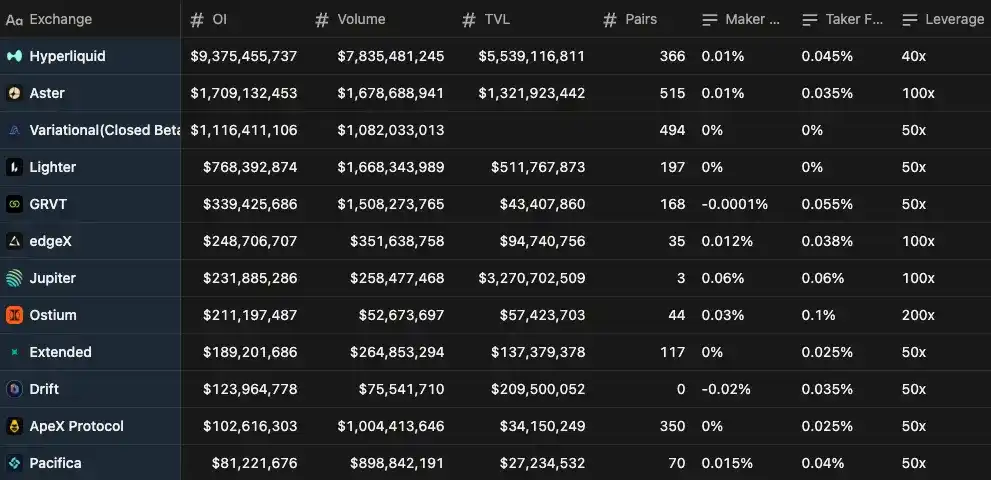
Though primarily driven by airdrop incentives, it's still ranked top 3 among perpetual DEXs, excluding the clear market leader Hyperliquid.

Variational is still in private beta, meaning you need an invite to use. What's special? It's an RFQ-based perpetual DEX, theoretically meaning they can list all sorts of pairs (even the most obscure) and still have deep liquidity, unlike order books that need crazy bootstrapping.

I mainly use it to trade commodities like crude oil, gold, silver, copper, and some other pairs. Focusing on open interest and holding long-term gets the most efficient points.
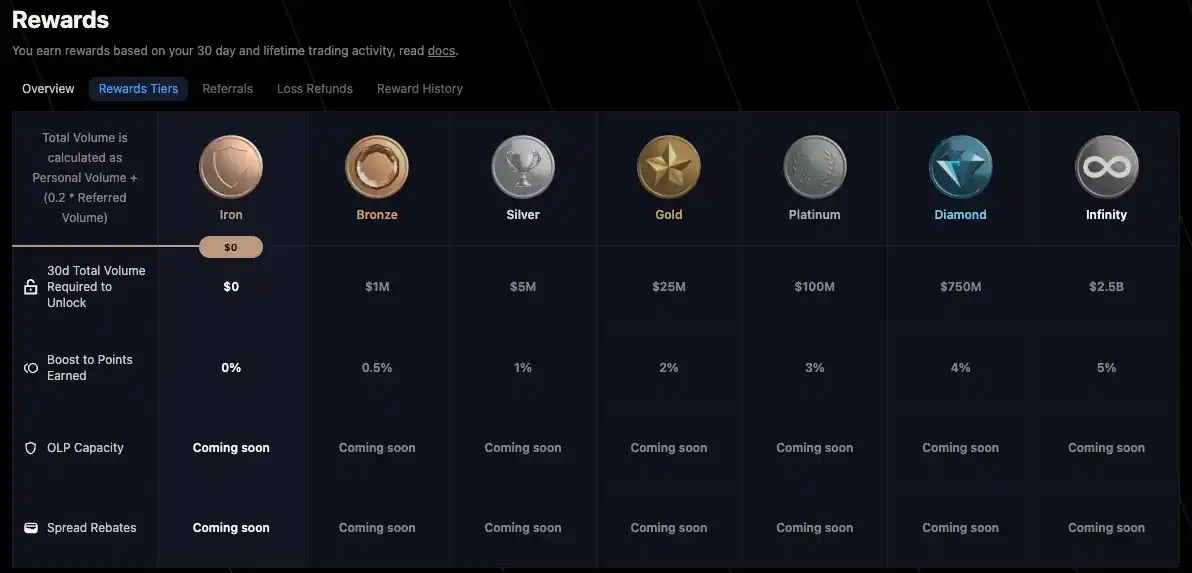
Referrals get a 15% points boost, my code automatically grants you SILVER tier for 90 days upon sign-up.

Other platforms I'm still farming with significant point allocation are:

The TGE target for all mentioned perpetual DEXs is Q3 2026.

I think the fear around STRC is overdone. But this financial engineering does alter investor behavior around it. Unwillingness to allocate until Saylor finishes selling $1B of BTC is now a key "bottom signal."

At $58k BTC price, I think valuations are reasonable. It's even below the 200-day moving average now.

This means H2 2026 could be a significant period for long-term accumulators. I do think there will be one last capitulation and heavy forced selling (including Saylor), likely coinciding with stocks starting to weaken.

While this isn't a pure BTC bullish post, I think among all assets that exist today, BTC offers one of the widest margins of safety, even if the ultimate low is about 15–20% down from here.

Think about it, in a long-term stagflation environment, scarce assets perform best. It was gold in the past, an asset outside the monetary system that existed for millennia.

I think ten years from now, accumulating BTC today will be seen as one of the most rewarding moments in a long time.

While stocks will indeed rise over time in the future, at this moment, I can't justify buying at such high valuations and am happy to watch from the sidelines until it comes back to earth.

What do you think? How are you thinking about capital allocation now?

Kripto yang Sedang Tren

Pertanyaan Terkait

QAccording to the author, what are the two main portfolio allocation methods suggested for dealing with the current market, which one does he prefer, and why?

AThe author suggests two methods: 1) DCA (Dollar-Cost Averaging) in a true, non-timing, mechanical way. 2) Being heavy on cash while allowing participation through tactical/satellite positions like active trading. He personally prefers the second method. The reason is that he actively monitors the market daily and relies on his market experience and intuition to navigate it. He finds DCA requires a genuine long-term horizon (at least 5 years) and strict discipline, which most people lack as they often try to time the market within it.

QBased on Howard Marks' framework from 'The Cycle', what key characteristics does the author believe the current AI-driven stock market is exhibiting that signal a potential bubble top?

AThe author believes the AI-driven market exhibits many characteristics from Howard Marks' 'market top' checklist. Key ones include: prices seeming irrelevant ('no price is too high'), the belief that leverage is a sure path to profit, widespread investor confidence and optimism, greed driving behavior, asset prices exceeding intrinsic value, easy capital raising, low skepticism, high confidence enabling risky trades, and investors worrying more about missing out (FOMO) than losing money. He argues the market shows 'price doesn't matter' sentiment, a hallmark of a bubble.

QWhy does the author view Bitcoin as a more attractive investment prospect compared to high-flying AI stocks at this moment?

AThe author views Bitcoin as more attractive because he believes it is exhibiting many characteristics from the *opposite* side of Howard Marks' checklist—the one indicating a market bottom or undervalued state. He implies BTC shows signs like fear dominating investor psychology, prices potentially below intrinsic value, high skepticism, low confidence, and investors worrying about losing money rather than missing gains. He also cites BTC trading below its 200-day moving average around $58,000, offering a wider 'margin of safety' and reasonable valuation, especially in a potential long-term stagflation environment where scarce assets historically perform well.

QWhat are the three main drivers the author identifies as creating the current 'dislocated' and 'irrational' macro market environment?

AThe author identifies three main drivers: 1) The AI Capital Expenditure Supercycle, with hyperscalers spending massively (projected $725B in 2026), now representing over 30% of the S&P 500. 2) Late-cycle fiscal stimulus, including tax and tariff rebates boosting nominal profits even as the Fed tightens policy. 3) Passive index fund flows, where funds mechanically funnel retirement savings (like 401(k)s) into the largest market-cap companies regardless of price, forcing buying at historic highs.

QHow has the author personally allocated his capital across different 'buckets' based on the current market outlook, and what is he specifically accumulating in his 'long-term accumulation' bucket?

AThe author has allocated his capital into three buckets: 1) Trading capital (highest risk), 2) Long-term accumulation capital (buy-and-hold), and 3) Illiquid capital (private equity/SPVs). Given the current market, he has significantly reduced allocation to bucket 1 due to poor market edge. He holds most of his cash for bucket 2 (>80% cash overall). His current weightings are approximately 10% for bucket 1, 70% for bucket 2, and 20% for bucket 3. Within bucket 2 (long-term accumulation), he is specifically accumulating spot Bitcoin, having made four buys at an average price of around $59,000.

Bacaan Terkait

Bitcoin Mungkin Belum Selesai Mengalami Kapitulasi - Mengapa Dasar Harga $50.000 Masih Berpeluang

Bitcoin (BTC) saat ini menghadapi ujian teknis dan makroekonomi yang signifikan. Aset kripto ini telah mencatatkan tiga kuartal kerugian berturut-turut, sebuah tren yang terakhir terlihat pada pasar bearish 2022. Lebih dari 50% pasokan Bitcoin yang beredar saat ini berada dalam posisi rugi (underwater). Yang menarik, pemegang jangka panjang (long-term holders/LTHs), yang menguasai 78% pasokan beredar, justru menunjukkan ketahanan dengan terus mengakumulasi aset dan tidak menjual selama pelemahan ini. Pasokan LTH bahkan mencapai rekor tertinggi pada Juni, menunjukkan pola yang berbeda dari siklus sebelumnya di mana penyerahan (capitulation) LTH biasanya menandai titik terendah pasar. Namun, tekanan dari lingkungan makroekonomi bisa menjadi ujian terberat. Ekspektasi pasar terhadap kebijakan Federal Reserve telah bergeser, dengan probabilitas kenaikan suku bunga pada bulan September meningkat. Hal ini mengindikasikan kondisi keuangan yang lebih ketat di masa mendatang. Secara historis, pasar bearish Bitcoin pada 2018 dan 2022 tidak mencapai dasar hingga mencatatkan sembilan bulan penurunan berturut-turut. Siklus saat ini baru mencapai tujuh bulan. Jika pola ini berlanjut, fase capitulation mungkin belum selesai. Titik terendah yang berkelanjutan baru akan terbentuk setelah LTH mulai menyerah, dan potensi pergerakan menuju level $50.000 pada akhir kuartal ketiga masih mungkin terjadi sebelum pembentukan dasar pasar yang sebenarnya.

ambcrypto1j yang lalu

Bitcoin Mungkin Belum Selesai Mengalami Kapitulasi - Mengapa Dasar Harga $50.000 Masih Berpeluang

ambcrypto1j yang lalu

Menghitung Mundur Q-Day: Akankah Komputasi Kuantum Mengakhiri Mata Uang Kripto?

**Ringkasan: Ancaman Komputasi Kuantum terhadap Dunia Kripto dan Upaya Menghadapinya** Komputasi kuantum, yang diwakili oleh algoritme seperti Shor, berpotensi meruntuhkan fondasi kriptografi kunci publik (seperti ECC dan RSA) yang menjadi tulang punggung blockchain dan cryptocurrency. Momen ketika hal ini menjadi kenyataan dikenal sebagai "Q-Day", diprediksi terjadi sekitar tahun 2035–2045. Menggunakan ketidaksetaraan Mosca (X + Y > Z), terlihat bahwa proses migrasi ke sistem tahan-kuantum harus dimulai sekarang, mengingat data sensitif hari ini dapat dikumpukan dan dipecahkan di masa depan. Solusi praktis yang sedang dikembangkan adalah **Kriptografi Pasca-Kuantum (PQC)**, yaitu algoritme yang berjalan di komputer klasik namun tahan terhadap serangan kuantum. NIST telah menstandarisasi algoritme inti seperti ML-KEM, ML-DSA, dan SLH-DSA. Strategi migrasi melibatkan **penerapan hybrid** (menggabungkan algoritme lama dan baru) dan meningkatkan **kelincahan kriptografi** sistem. **Dampak pada Blockchain** bersifat sistemik. Bitcoin menghadapi risiko tinggi pada aset di alamat lama yang kunci publiknya sudah terpapar di chain, serta tantangan teknis (seperti pembengkakan ukuran tanda tangan) dan **tantangan politik** yang kompleks terkait bagaimana menangani aset warisan (legacy) yang tidak bermigrasi. Ethereum, dengan strategi "Lean", berencana melakukan migrasi bertahap di seluruh lapisan (eksekusi, konsensus, data) dengan memanfaatkan **abstraksi akun** dan **lapisan-2** sebagai tempat uji coba. Kesimpulannya, komputasi kuantum bukanlah "hari kiamat" bagi cryptocurrency, melainkan **ujian tekanan ekstrem** yang memaksa seluruh ekosistem untuk bermigrasi. Bitcoin diuji pada konsensus sosial dan tata kelola propertinya, sementara Ethereum diuji pada kompleksitas rekayasa seluruh tumpukan teknologinya. Jendela waktu untuk melakukan transisi yang terkoordinasi dengan baik diperkirakan hanya tersisa **5-8 tahun**, sehingga persiapan dan aksi kolaboratif dari seluruh pemangku kepentingan (pengembang, bursa, dompet, dan pengguna) sangat mendesak.

marsbit6j yang lalu

Menghitung Mundur Q-Day: Akankah Komputasi Kuantum Mengakhiri Mata Uang Kripto?

marsbit6j yang lalu

Trading

Spot

Artikel Populer

Apa Itu DOGE M

Doge Matrix ($doge m): Ras Baru Cryptocurrency yang Didorong oleh Komunitas Pendahuluan Dalam lanskap cryptocurrency yang terus berkembang, proyek-proyek baru terus muncul, masing-masing bertujuan untuk menarik minat investor dan penggemar. Salah satu pendatang terbaru di domain ini adalah Doge Matrix, yang diwakili oleh simbol ticker $doge m. Proyek ini menarik perhatian berkat akarnya dalam budaya meme populer yang mengelilingi Dogecoin, menetapkan tempatnya dalam ruang web3. Artikel ini bertujuan untuk memberikan analisis komprehensif tentang Doge Matrix, mencakup gambaran umum, pencipta, investor, fungsionalitas, garis waktu, dan aspek-aspek penting. Apa itu Doge Matrix ($doge m)? Doge Matrix adalah proyek cryptocurrency yang didorong oleh komunitas yang tampaknya membangun daya tarik luas dari Dogecoin, mata uang digital yang dikenal dengan maskot Shiba Inu dan asal-usul meme-nya. Meskipun tujuan keseluruhan Doge Matrix tidak didefinisikan secara luas, proyek ini ditandai dengan komitmen untuk memanfaatkan keterlibatan dan dukungan komunitas. Berbeda dengan cryptocurrency tradisional yang sering menekankan utilitas atau nilai intrinsik melalui teknologi yang mendasarinya, Doge Matrix memposisikan dirinya dalam ruang yang merangkul fenomena budaya cryptocurrency, terutama menarik bagi mereka yang sejalan dengan etos aset berbasis meme. Mengandalkan kekuatan komunitas Dogecoin, Doge Matrix beroperasi sebagai bagian dari ekosistem yang lebih luas, mengundang partisipasi dan keterlibatan dari pengguna yang berbagi minat dalam cryptocurrency dan lanskap digital. Siapa Pencipta Doge Matrix ($doge m)? Identitas pencipta Doge Matrix tetap tidak diketahui. Kurangnya transparansi ini bukanlah hal yang tidak biasa dalam ruang cryptocurrency, di mana beberapa proyek diluncurkan tanpa mengungkapkan identitas pendirinya. Ketidakadaan informasi mengenai tim pendiri dapat menimbulkan pertanyaan di antara calon investor tentang akuntabilitas dan arah proyek tersebut. Siapa Investor Doge Matrix ($doge m)? Saat ini, tidak ada informasi yang tersedia untuk umum yang merinci investor atau yayasan investasi yang mendukung Doge Matrix. Proyek ini tampaknya mengandalkan dukungan komunitas daripada investasi institusional. Model ini sejalan dengan sifat proyek yang didorong oleh komunitas, menciptakan lingkungan di mana arah proyek dibentuk oleh para pesertanya daripada ditentukan oleh sekelompok kecil pendukung finansial. Bagaimana Cara Kerja Doge Matrix ($doge m)? Spesifikasi mengenai mekanisme operasional Doge Matrix agak samar, mencerminkan tren yang lebih luas dari proyek-proyek di ruang koin meme di mana fungsionalitas inovatif tidak selalu diartikulasikan dengan jelas. Meskipun demikian, Doge Matrix tampaknya dirancang untuk memanfaatkan ekosistem cryptocurrency yang ada dengan mendorong partisipasi pengguna sambil memanfaatkan referensi budaya yang sudah dikenal yang terkait dengan Dogecoin. Karakteristik uniknya mungkin berasal dari interaksi komunitas daripada kemajuan teknologi, menekankan pengalaman bersama dan kolaborasi di antara pemegang token. Meskipun inovasi yang tepat belum diuraikan secara eksplisit, proyek ini tampaknya menciptakan ruang di mana anggota komunitas dapat terlibat, berbagi ide, dan mendorong potensi proyek ke depan. Garis Waktu Doge Matrix ($doge m) Merefleksikan garis waktu proyek ini mengungkapkan peristiwa penting yang telah mendefinisikan perjalanannya hingga saat ini: 25 November 2024: Doge Matrix mencapai nilai tertinggi sepanjang masa, menandai tonggak penting dalam sejarah awalnya. 1 Januari 2025: Sebaliknya, Doge Matrix mencapai nilai terendah sepanjang masa, menggambarkan volatilitas yang sering terkait dengan cryptocurrency, terutama di tahap awal siklus hidup proyek. Sedang Berlangsung: Proyek ini terus diperdagangkan secara aktif dan didukung oleh komunitasnya, meskipun tonggak atau tujuan masa depan yang spesifik belum diungkapkan. Poin Kunci tentang Doge Matrix ($doge m) Fokus Komunitas Di jantung Doge Matrix adalah komitmen terhadap keterlibatan komunitas. Proyek ini berkembang atas dasar kolaborasi dan tujuan bersama di antara anggotanya, menekankan pentingnya upaya kolektif. Berbeda dengan proyek terpusat yang sering memiliki struktur kepemimpinan yang jelas, Doge Matrix saat ini menunjukkan pendekatan yang lebih fleksibel terhadap tata kelola, di mana suara setiap anggota komunitas dihargai. Volatilitas Pasar cryptocurrency terkenal dengan volatilitasnya, dan Doge Matrix tidak terkecuali. Riwayat harganya mencerminkan fluktuasi signifikan antara nilai tinggi dan rendah, yang merupakan hal biasa bagi banyak cryptocurrency baru tetapi menyoroti risiko yang terkait dengan investasi dalam token yang sedang berkembang. Kurangnya Informasi Detail Salah satu fitur paling mencolok tentang Doge Matrix adalah kelangkaan informasi detail mengenai dasar-dasar teknologinya dan mekanisme operasional. Ambiguitas ini mengharuskan calon investor untuk melakukan penelitian menyeluruh sebelum terlibat dengan proyek tersebut. Kesimpulan Singkatnya, Doge Matrix ($doge m) menggambarkan gelombang baru proyek cryptocurrency yang sangat bergantung pada keterlibatan komunitas dan relevansi budaya. Meskipun kurang dalam beberapa spesifikasi—seperti kepemimpinan yang jelas, tujuan yang terdefinisi, dan fungsionalitas yang detail—proyek ini berhasil menarik minat dalam komunitas crypto, memanfaatkan daya tarik yang sudah ada dari budaya meme. Seperti halnya investasi di ruang cryptocurrency, memahami risiko yang melekat dan melakukan penelitian yang komprehensif sangat penting bagi calon peserta. Doge Matrix berdiri sebagai pengingat tentang sifat dinamis, terkadang tidak terduga dari industri crypto, yang ditandai dengan evolusi konstan dan antusiasme untuk inisiatif yang didorong oleh komunitas.

535 Total TayanganDipublikasikan pada 2025.02.03Diperbarui pada 2025.02.03

Apa Itu DOGE M

Apa Itu $M

Memahami Mantis ($M): Era Baru dalam Interoperabilitas Lintas Rantai Dalam lanskap Web3 dan cryptocurrency yang terus berkembang, proyek-proyek baru berusaha menawarkan solusi inovatif yang bertujuan untuk meningkatkan pengalaman pengguna dan memperluas kemungkinan fungsional dalam ekosistem keuangan terdesentralisasi. Salah satu proyek yang menarik perhatian adalah Mantis ($M), sebuah protokol perintis yang didirikan berdasarkan prinsip interoperabilitas lintas rantai dan penyelesaian berbasis niat. Artikel ini membahas aspek-aspek penting dari Mantis, termasuk fungsionalitas inti, pencipta, dukungan investasi, fitur inovatif, dan tonggak sejarah yang kritis. Apa itu Mantis ($M)? Mantis dijelaskan sebagai protokol penyelesaian niat multi-domain yang menyederhanakan interaksi lintas rantai, memungkinkan pengguna untuk melakukan transaksi keuangan kompleks di berbagai platform blockchain dengan mulus. Protokol ini beroperasi melalui tiga lapisan utama: Ekspresi Niat: Pengguna dapat mengungkapkan tujuan transaksi mereka menggunakan bahasa alami yang difasilitasi oleh DISE LLM, model bahasa AI canggih. Misalnya, seorang pengguna mungkin mengungkapkan keinginan untuk menukar Ethereum (ETH) dengan Solana (SOL) dengan toleransi slippage tertentu sebesar 1%. Eksekusi: Lapisan ini menggunakan jaringan penyelesai yang bersaing untuk memenuhi niat pengguna. Transaksi dieksekusi menggunakan mekanisme seperti Coincidence of Wants (CoWs) dan Order Flow Auctions (OFAs), yang memastikan bahwa permintaan pengguna terpenuhi secara optimal. Penyelesaian: Dengan memanfaatkan protokol Inter-Blockchain Communication (IBC), Mantis memungkinkan transaksi lintas rantai atomik, memungkinkan pengguna untuk beroperasi di berbagai rantai yang didukung, termasuk Ethereum, Solana, dan Cosmos. Mantis dirancang untuk memperkenalkan generasi hasil asli untuk aset yang tidak aktif, menggunakan bukti kriptografi untuk menjaga integritas transaksi sepanjang proses. Pencipta & Tim Pengembangan Mantis diciptakan oleh Composable Foundation, sebuah organisasi yang didorong oleh penelitian yang terkenal karena penekanannya pada solusi interoperabilitas blockchain. Yayasan ini bekerja sama dengan institusi akademis terkemuka, termasuk Universitas Harvard dan Universitas Lisbon, berkontribusi pada upaya penelitian dan pengembangan yang luas yang menginformasikan arsitektur dan fungsionalitas Mantis. Komitmen Composable Foundation untuk mendorong inovasi di ruang blockchain menempatkan Mantis sebagai solusi yang kuat untuk permintaan yang terus berkembang akan interoperabilitas di antara berbagai jaringan blockchain. Investor & Dukungan Meskipun rincian spesifik tentang investor individu belum dipublikasikan, Mantis menikmati dukungan substansial dari berbagai entitas, termasuk: Grants ekosistem dari rantai yang mendukung IBC, yang mendukung pertumbuhan dan integrasi protokol dalam ekosistem keuangan terdesentralisasi. Kemitraan strategis dengan penyedia infrastruktur yang meningkatkan kemampuan jaringan Mantis dan strategi penerapannya. Pendanaan melalui kas Composable Foundation, memastikan dukungan keuangan yang berkelanjutan untuk pengembangan dan biaya operasional yang sedang berlangsung. Upaya kolaboratif ini mencerminkan konsensus di antara para pemangku kepentingan tentang pentingnya meningkatkan fungsionalitas lintas rantai dan potensi utilitas inovasi infrastruktur Mantis. Inovasi Kunci Mantis membedakan dirinya melalui beberapa inovasi perintis yang meningkatkan fungsionalitas dan utilitasnya: Niat yang Tidak Bergantung pada Rantai: Pengguna dapat memulai transaksi dari rantai yang didukung mana pun sambil menyelesaikan di rantai lain. Fleksibilitas ini memberdayakan pengguna, mendorong interaksi yang lebih besar di antara berbagai platform. Antarmuka Berbasis AI: Integrasi DISE LLM memungkinkan pengguna untuk melakukan operasi DeFi yang kompleks menggunakan bahasa alami, sehingga menyederhanakan interaksi dan membuat teknologi blockchain lebih dapat diakses oleh audiens yang lebih luas. Penangkapan MEV Lintas Domain: Mantis menciptakan pasar internal untuk nilai ekstraksi maksimal (MEV) melalui kompetisi di antara penyelesai. Pendekatan inovatif ini memungkinkan efisiensi dan ekstraksi nilai yang lebih besar dalam transaksi kompleks. Lapisan Penyelesaian Modular: Protokol ini mendukung berbagai metode verifikasi, termasuk bukti nol-pengetahuan dan optimistic rollups, menyediakan kerangka kerja yang fleksibel yang dapat beradaptasi dengan teknologi blockchain yang muncul. Garis Waktu Sejarah Pengembangan Mantis ditandai oleh beberapa tonggak kritis yang menggambarkan trajektori dan pertumbuhannya: | Tahun | Tonggak | |————|————————————————————————-| | 2022 | Pengembangan konsep awal dalam divisi penelitian Composable Foundation. | | Q3 2024 | Peluncuran testnet dengan kemampuan bridging antara Solana dan Ethereum. | | Q1 2025 | Acara Generasi Token (TGE) yang diantisipasi bersamaan dengan peluncuran mainnet. | | Q2 2025 | Integrasi DISE LLM yang diharapkan dan ekspansi kemampuan lintas rantai. | | H2 2025 | Dukungan yang direncanakan untuk lebih dari 15 rantai melalui peningkatan IBC lebih lanjut. | Garis waktu ini menggambarkan evolusi Mantis, dari diskusi konseptual hingga implementasi aktif dan fase pertumbuhan di masa depan. Strategi Pertumbuhan Ekosistem Strategi Mantis untuk pertumbuhan ekosistem mencakup beberapa inisiatif yang dirancang untuk mendorong partisipasi pengguna dan keterlibatan pengembang: Sistem Kredit: Pengguna dapat memperoleh kredit protokol dengan menyediakan likuiditas dan terlibat dalam program rujukan. Kredit ini dapat ditukarkan untuk insentif di masa depan, mendorong komunitas pengguna yang kuat. Modular Software Development Kit (SDK): Toolkit ini memberdayakan pengembang untuk membuat aplikasi berdasarkan model berbasis niat yang memanfaatkan infrastruktur Mantis, sehingga mendorong inovasi dalam ekosistemnya. Model Tata Kelola: Seiring dengan matangnya protokol, pemegang token $M akan memiliki suara dalam tata kelola protokol, memungkinkan mereka untuk memberikan suara pada peningkatan dan perubahan yang diusulkan, sehingga meningkatkan keterlibatan komunitas dan desentralisasi. Mantis mewakili kemajuan signifikan dalam ranah arsitektur lintas rantai. Dengan mengintegrasikan algoritma AI canggih dengan kerangka penyelesaian yang kuat, Mantis berupaya menangani masalah fragmentasi dalam ekosistem multi-rantai. Pendekatan inovatifnya memprioritaskan peningkatan pengalaman pengguna sambil mematuhi prinsip dasar desentralisasi dan keamanan, menetapkan standar baru untuk interoperabilitas teknologi blockchain di masa depan. Saat Mantis melanjutkan perjalanan pertumbuhan dan implementasinya, proyek ini menjanjikan untuk menjadi perhatian dalam lanskap kompetitif Web3 dan keuangan terdesentralisasi. Dengan fokusnya pada melintasi batas dan meningkatkan keterlibatan pengguna, Mantis siap menjadi bagian integral dari perkembangan masa depan di ruang cryptocurrency.

59 Total TayanganDipublikasikan pada 2025.03.18Diperbarui pada 2025.03.18

Apa Itu $M

Cara Membeli M

Selamat datang di HTX.com! Kami telah membuat pembelian MemeCore (M) menjadi mudah dan nyaman. Ikuti panduan langkah demi langkah kami untuk memulai perjalanan kripto Anda.Langkah 1: Buat Akun HTX AndaGunakan alamat email atau nomor ponsel Anda untuk mendaftar akun gratis di HTX. Rasakan perjalanan pendaftaran yang mudah dan buka semua fitur.Dapatkan Akun SayaLangkah 2: Buka Beli Kripto, lalu Pilih Metode Pembayaran AndaKartu Kredit/Debit: Gunakan Visa atau Mastercard Anda untuk membeli MemeCore (M) secara instan.Saldo: Gunakan dana dari saldo akun HTX Anda untuk melakukan trading dengan lancar.Pihak Ketiga: Kami telah menambahkan metode pembayaran populer seperti Google Pay dan Apple Pay untuk meningkatkan kenyamanan.P2P: Lakukan trading langsung dengan pengguna lain di HTX.Over-the-Counter (OTC): Kami menawarkan layanan yang dibuat khusus dan kurs yang kompetitif bagi para trader.Langkah 3: Simpan MemeCore (M) AndaSetelah melakukan pembelian, simpan MemeCore (M) di akun HTX Anda. Selain itu, Anda dapat mengirimkannya ke tempat lain melalui transfer blockchain atau menggunakannya untuk memperdagangkan mata uang kripto lainnya.Langkah 4: Lakukan trading MemeCore (M)Lakukan trading MemeCore (M) dengan mudah di pasar spot HTX. Cukup akses akun Anda, pilih pasangan perdagangan, jalankan trading, lalu pantau secara real-time. Kami menawarkan pengalaman yang ramah pengguna baik untuk pemula maupun trader berpengalaman.

919 Total TayanganDipublikasikan pada 2025.07.02Diperbarui pada 2026.06.02

Cara Membeli M

Diskusi

Selamat datang di Komunitas HTX. Di sini, Anda bisa terus mendapatkan informasi terbaru tentang perkembangan platform terkini dan mendapatkan akses ke wawasan pasar profesional. Pendapat pengguna mengenai harga M (M) disajikan di bawah ini.

活动图片