A Clod of Chinese Soil Chokes Two Japanese Giants

marsbitDipublikasikan tanggal 2026-06-16Terakhir diperbarui pada 2026-06-16

Abstrak

"Chinese Soil Chokes Japanese Giants" The production of a key electronic specialty gas, tungsten hexafluoride (WF6), vital for manufacturing AI chips, was halted by two leading Japanese producers—Kanto Denka and Central Glass. Their shutdown was not due to a technological failure but a sudden, critical shortage of a raw material they had long taken for granted: ultra-high-purity (6N-grade) tungsten powder, which is almost entirely sourced from China. Following a quiet Chinese export announcement in January 2026, tungsten powder shipments to Japan dropped to zero for months. Despite frantic efforts, Japanese companies found no viable alternative; imported powder was three times more expensive and lacked the required purity. Their existing stockpiles were exhausted by mid-2026. WF6 is essential for depositing tungsten into the microscopic contact holes of High Bandwidth Memory (HBM) chips, which are crucial for advanced processors like those from Nvidia. While Japanese firms had mastered producing ultra-pure WF6 gas, their entire supply chain relied on China's 6N tungsten powder—a dependency now revealed as a fatal vulnerability. China's dominance in this "soil" results from decades of painstaking R&D by companies like Xiamen Tungsten and China Tungsten & Hightech. They overcame immense technical hurdles, such as separating chemically similar molybdenum from tungsten, to achieve mass production of the world's purest tungsten powder. With their primary suppliers gone, Kanto...

Two Japanese companies made a specialty electronic gas a world leader, with even TSMC and Samsung having to heed them.

Then overnight, they announced a permanent production halt. It wasn't a technology failure; it was a raw material cutoff. And that material, they had been buying entirely from China.

Cut Off

On January 6, 2026, the Ministry of Commerce issued Announcement No. 1 of the year. There was no press conference, no explanatory article, just quietly posted on the official website.

The Japanese didn't notice, Kanto Denka Kogyo didn't notice, Central Glass didn't notice.

They still had inventory. High-purity tungsten powder was piled in warehouses, enough for several months. The procurement department placed orders as usual, emails went out, ton-level shipments arrived—cheap, stable.

No one saw this as a risk.

February, customs data came out: Exports of tungsten carbide powder and tungsten powder to Japan—zero.

March, zero. April, still zero.

According to Kyodo News citing General Administration of Customs data, China's tungsten powder exports to Japan remained at zero for three consecutive months from February to April 2026.

Kanto Denka's inventory fell below the red line. Central Glass scrambled to find alternative suppliers. Mitsubishi Materials poured 10 billion yen into boosting tungsten scrap recycling.

Buying from other countries, the price was 3 times higher. As for purity, it fell far short of the 6N grade.

The two Japanese firms together accounted for nearly one-fourth of the global high-end tungsten hexafluoride production capacity. Kanto Denka Kogyo's president, Junichi Hasegawa, and Central Glass's president, Kazuhiko Maeda, now faced a brutal reality:

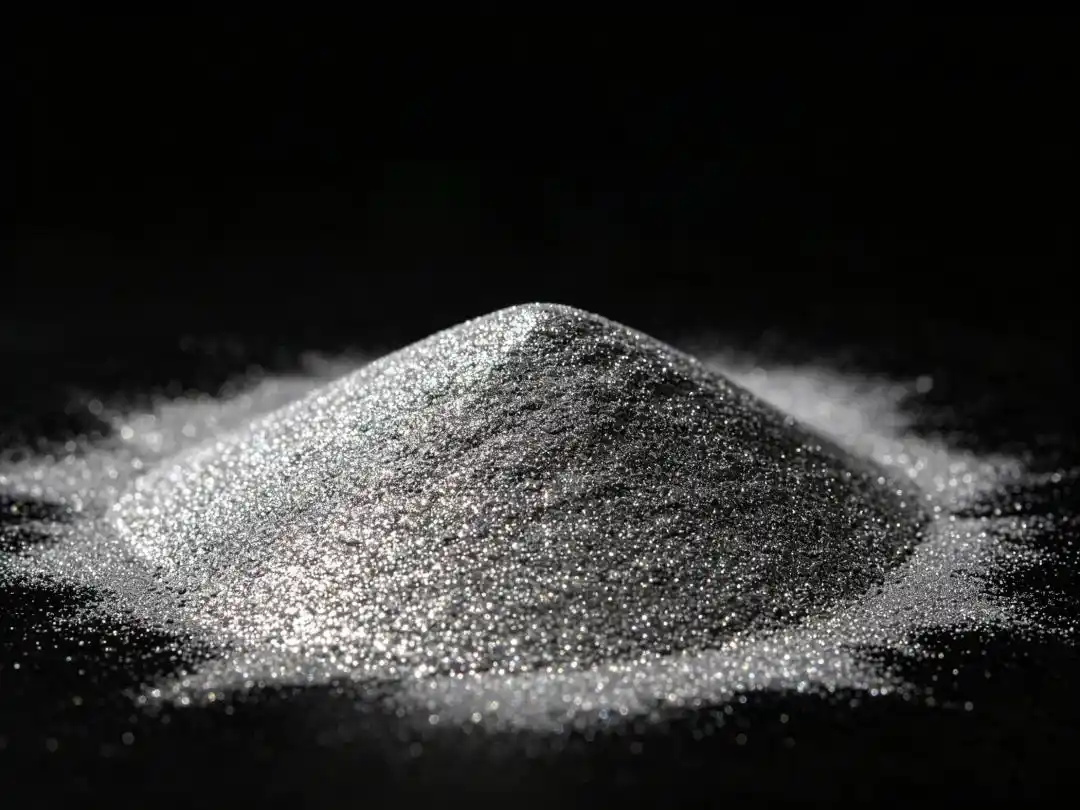
The raw material for making high-end tungsten hexafluoride—6N grade high-purity tungsten powder—was no longer available. And this powder, it's almost entirely in China.
Critical Point

First, what is tungsten hexafluoride?

The soul of AI chips is HBM (High Bandwidth Memory), where over a dozen layers of memory chips are stacked. These chips are densely packed with nanoscale contact holes, thousands of times thinner than a human hair.

Although other metals can be used for these contact holes, tungsten remains the absolute primary material for now. And the key specialty gas that deposits tungsten into these micro-holes is tungsten hexafluoride.

Without tungsten hexafluoride, there is no HBM. Without HBM, Nvidia's GPUs are just scrap metal.

In making this specialty gas, the Japanese were once the best in the world. Kanto Denka could achieve a purity of six nines (6N)—meaning only one impurity molecule per one million molecules.

But a six-nine gas needs six-nine powder.

For over a decade, Chinese tungsten powder was bought by the ton—cheap, stable. To the Japanese, the distillation column was the moat. What was powder? In a sense, just dirt.

But at the critical moment, what choked the Japanese was precisely this dirt.

The Japanese did struggle.

They tried using low-purity coarse powder, relying on distillation columns for forced purification. But the most deadly impurity in coarse powder is molybdenum—molybdenum and tungsten are in the same group on the periodic table, their chemical properties like twins.

Once in the reactor, reacting with fluorine gas, they both turn gaseous. Their boiling points are too close to separate.

You have money, policy, a sense of crisis, but you are powerless against the limits of chemical engineering.

Hard Grind

Leveling this wall was no overnight success for the Chinese either.

Purifying tungsten powder requires removing impurities, and one of the hardest to remove is molybdenum.

Molybdenum and tungsten have similar chemical properties; dissolved in water, they behave the same way. Separating molybdenum from tungsten is no less difficult than separating salt from MSG in a pot of soup.

The solution is to add a sulfidizing agent to the solution. Molybdenum, being more sulfur-loving than tungsten, rushes in first—grabbing the sulfur while tungsten remains unmoved. In that instant, the molybdenum is pulled away.

Sounds simple.

How narrow is that instant? If the pH is off by a bit, molybdenum lets go, mixing back with tungsten. The parameter window is as narrow as walking a tightrope.

To break through, there were no shortcuts, only the most arduous method:

Adjust pH, change adsorbents, modify extraction solutions, grinding through experiments group by group, even redesigning the adsorbents themselves.

Generations, grinding for decades, finally reducing molybdenum in the solution to an acceptable level.

Huang Changgeng, chairman of Xiamen Tungsten, joined the company in 1987 and never left until his recent retirement.

During that time, from the workshop to management, 39 years focused on just this one thing, leading the team from coarse powder to 6N, pushing Chinese tungsten powder to the global ceiling.
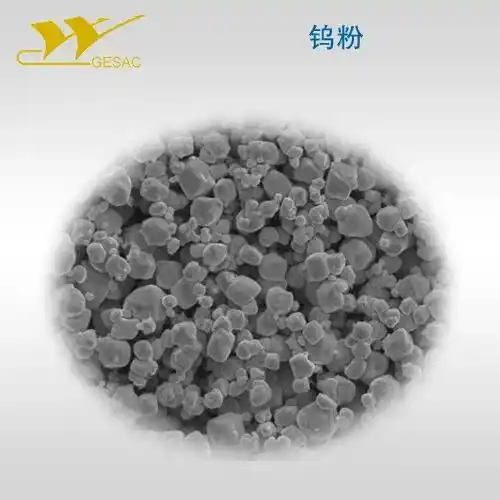
Image source: Xiamen Tungsten

Besides Xiamen Tungsten, there's also China Tungsten and Hightech.

These two are also, so far, among the very few companies globally capable of mass-producing 6N grade high-purity tungsten powder.

China had the high-purity tungsten powder. The Japanese bought the powder, produced tungsten hexafluoride, sold it to Samsung and TSMC, doubling the price.

This business seemed like easy money.

Then, the Japanese themselves smashed the door shut.

Turning the Tables

According to multiple media reports, Kanto Denka Kogyo and Central Glass have officially notified major customers like Samsung and SK Hynix:

June 30th, the last shipment. From July 1st, permanent production halt.

Since January 2026, imports of high-purity tungsten powder from China have essentially been zero. The two Japanese companies' inventories held out for five months, finally running dry.

Not only was the raw material cut off, but more crucially, the uncertainty. Even if they scraped together tungsten powder to restart the line, what about the next cutoff?

During shutdowns, residual tungsten hexafluoride in the pipelines hydrolyzes upon contact with water, producing hydrofluoric acid that corrodes valves and welds. Restarting and repairing is costly.

Repeated shutdowns and restarts are suicide.

When the news reached Seoul, Samsung and SK Hynix panicked. These two South Korean semiconductor giants had previously sourced most of their tungsten hexafluoride from Japan. Samsung's inventory wouldn't last past June.

No tungsten hexafluoride means no HBM, and Nvidia's orders go down the drain.

The certification cycle, the headache for Chinese companies, suddenly wasn't a problem anymore. Chinese tungsten hexafluoride suppliers became the darlings of leading wafer fabs.

The door is open, the players have changed.

Thirty years ago, China mined, others counted the money. Low-purity coarse powder was sold by the ton. Others purified it, made it into gas, into targets, and flipped it for dozens of times the value.

Thirty years later, the Chinese ground their way from 3N to 6N purity. The lowliest dirt overturned the highest throne.

On July 1st, the tungsten hexafluoride production line at Kanto Denka's Shibukawa factory will shut down.

Meanwhile, in Chinese high-purity tungsten powder production lines and tungsten hexafluoride factories, domestic materials are flowing out nonstop, loaded onto trucks heading for ports.

Only this time, Japanese manufacturers are absent from the destination list.

This article is from the WeChat public account "Huashang Strategic" (ID: hstl8888), author: Huashang Strategic


Pertanyaan Terkait

QWhat are the names of the two major Japanese companies mentioned in the article that were forced to permanently halt production?

AThe two major Japanese companies are Kanto Denka Kogyo Co., Ltd. (関東電化工業株式会社) and Central Glass Co., Ltd. (セントラル硝子株式会社).

QWhat is the critical raw material that Japan lost access to from China, leading to the production halt?

AThe critical raw material is high-purity 6N grade tungsten powder. This specific grade of powder is essential for manufacturing high-purity tungsten hexafluoride.

QWhy is tungsten hexafluoride (WF6) so crucial in the semiconductor industry according to the article?

ATungsten hexafluoride is crucial as it is the key electronic specialty gas used for depositing tungsten into the nano-sized contact holes within HBM (High Bandwidth Memory) chips. Without it, HBM production for advanced AI chips, such as those used by Nvidia, would not be possible.

QWhat was the primary technical challenge China faced and overcame in producing high-purity tungsten powder?

AThe primary technical challenge was separating molybdenum (Mo) from tungsten (W) due to their very similar chemical properties. China's breakthrough involved a complex purification process using sulfiding agents and precise control of parameters to exploit the slight difference in their affinity for sulfur, which required decades of persistent research and development.

QWhat were the consequences for South Korean semiconductor giants Samsung and SK Hynix due to the Japanese production halt?

ASamsung and SK Hynix faced a critical supply shortage of tungsten hexafluoride, with Samsung's inventory reportedly running out by June. This shortage directly threatened their HBM production capacity and, consequently, their ability to fulfill orders for companies like Nvidia.

Bacaan Terkait

Debut Wash: Ketua FED yang Paling Paham Crypto Sepanjang Sejarah Akan Datangkan Kejutan atau Teror Bagi Pasar?

**Penampilan Perdana Kevin Warsh: Ketua Fed Paling Paham Crypto, Akan Bawa Kejutan atau Kekhawatiran?** Ketua Federal Reserve yang baru, Kevin Warsh, bersiap untuk konferensi pers kebijakan moneter pertamanya di tengah situasi sulit: inflasi yang bangkit kembali, tekanan pasar untuk menaikkan suku bunga, dan desakan Presiden Trump untuk menurunkan suku bunga. Yang unik, Warsh adalah ketua Fed pertama yang secara terbuka memiliki portofolio investasi tidak langsung yang signifikan di aset kripto dan perusahaan Web3, mencakup berbagai sektor seperti blockchain, DeFi, dan infrastruktur pembayaran. Pemahaman pribadinya tentang teknologi ini berbeda dengan pendahulunya. Analisis kebijakannya berfokus pada dua hal: **sikap hawkish melawan inflasi** yang mungkin berarti lingkungan suku bunga ketat, dan **sikap ramah terhadap aset digital** yang bisa membawa perubahan regulasi dari "pencegahan" menjadi "integrasi dan inovasi". Dampak pada pasar kripto dapat dilihat dari: **pergeseran ekspektasi regulasi** yang lebih mendukung, **penetapan ulang premi risiko** bergantung pada komunikasi kebijakan yang jelas dari Warsh, serta **aliran modal global** yang mungkin mengalir lebih deras ke aset kripto karena legitimasi yang meningkat. Dua skenario utama untuk penampilan perdananya: 1. **Kejutan:** Gabungan sikap kebijakan moneter yang relatif lunak (dovish) dan sinyal ramah kripto dapat memulihkan sentimen pasar. 2. **Kekhawatiran:** Sinyal hawkish yang lebih keras dari perkiraan, seperti isyarat kenaikan suku bunga, dapat memicu tekanan jual di aset berisiko, termasuk kripto. Meski secara etika Warsh telah menjual semua kepemilikannya terkait kripto, pemahaman mendalamnya tentang blockchain diharapkan dapat membentuk kerangka regulasi yang lebih koheren dan mendukung, menjadi infrastruktur penting bagi arus utama aset kripto dalam jangka panjang.

marsbit5j yang lalu

Debut Wash: Ketua FED yang Paling Paham Crypto Sepanjang Sejarah Akan Datangkan Kejutan atau Teror Bagi Pasar?

marsbit5j yang lalu

AGI Bukan Akhir, Makalah Baru DeepMind: Menuju ASI, Kemajuan AI yang Sesungguhnya Baru Dimulai

Jika Kecerdasan Buatan Umum (AGI) tercapai, apakah itu titik akhir? Tim Google DeepMind dalam laporan terbarunya berpendapat bahwa AGI **bukanlah akhir perjalanan**. AI diprediksi akan terus berkembang melampaui kemampuan tim ahli manusia terbaik, menuju Superintelligence (ASI). Laporan ini membedakan tiga konsep: AGI (kecerdasan setara manusia rata-rata), ASI (melampaui manusia di hampir semua bidang), dan UAI (batas teoretis maksimal). Transisi dari AGI ke ASI dapat melalui empat jalur potensial: 1. **Ekspansi Lanjutan**: Meningkatkan skala komputasi, model, dan data. 2. **Inovasi Algoritma**: Penyempurnaan paradigma yang ada atau pergeseran paradigma baru. 3. **Peningkatan Diri Secara Rekursif**: AI yang lebih kuat membantu mengembangkan generasi AI berikutnya yang lebih kuat. 4. **Koordinasi Multi-Agen**: Kecerdasan kolektif dari banyak sistem AGI yang berkolaborasi. Namun, terdapat enam kemacetan potensial: dinding data, tekanan sumber daya ekonomi & alam, batasan paradigma jaringan saraf saat ini, meningkatnya kesulitan penelitian, hambatan abstraksi, serta tantangan regulasi dan penerimaan sosial. Laporan ini juga menyoroti bahwa jika AI melampaui manusia, sistem evaluasi (benchmark) yang ada menjadi tidak relevan. Diperlukan kerangka pengukuran baru, seperti tugas kolaborasi/kompetisi multi-agen, pengujian yang dihasilkan otomatis, atau indikator tidak langsung seperti produktivitas ekonomi. ASI bukanlah sistem ajaib yang mahatahu; perkembangannya tetap dibatasi oleh hukum fisika, kompleksitas komputasi, data, sumber daya, dan umpan balik dunia nyata. Arah dan kecepatan kemajuan AI masih penuh ketidakpastian, sehingga memerlukan penelitian, prediksi, dan mekanisme evaluasi yang terus diperbarui.

marsbit7j yang lalu

AGI Bukan Akhir, Makalah Baru DeepMind: Menuju ASI, Kemajuan AI yang Sesungguhnya Baru Dimulai

marsbit7j yang lalu

Trading

Spot
Futures

Artikel Populer

Cara Membeli GAS

Selamat datang di HTX.com! Kami telah membuat pembelian GAS (GAS) menjadi mudah dan nyaman. Ikuti panduan langkah demi langkah kami untuk memulai perjalanan kripto Anda.Langkah 1: Buat Akun HTX AndaGunakan alamat email atau nomor ponsel Anda untuk mendaftar akun gratis di HTX. Rasakan perjalanan pendaftaran yang mudah dan buka semua fitur.Dapatkan Akun SayaLangkah 2: Buka Beli Kripto, lalu Pilih Metode Pembayaran AndaKartu Kredit/Debit: Gunakan Visa atau Mastercard Anda untuk membeli GAS (GAS) secara instan.Saldo: Gunakan dana dari saldo akun HTX Anda untuk melakukan trading dengan lancar.Pihak Ketiga: Kami telah menambahkan metode pembayaran populer seperti Google Pay dan Apple Pay untuk meningkatkan kenyamanan.P2P: Lakukan trading langsung dengan pengguna lain di HTX.Over-the-Counter (OTC): Kami menawarkan layanan yang dibuat khusus dan kurs yang kompetitif bagi para trader.Langkah 3: Simpan GAS (GAS) AndaSetelah melakukan pembelian, simpan GAS (GAS) di akun HTX Anda. Selain itu, Anda dapat mengirimkannya ke tempat lain melalui transfer blockchain atau menggunakannya untuk memperdagangkan mata uang kripto lainnya.Langkah 4: Lakukan trading GAS (GAS)Lakukan trading GAS (GAS) dengan mudah di pasar spot HTX. Cukup akses akun Anda, pilih pasangan perdagangan, jalankan trading, lalu pantau secara real-time. Kami menawarkan pengalaman yang ramah pengguna baik untuk pemula maupun trader berpengalaman.

255 Total TayanganDipublikasikan pada 2024.12.12Diperbarui pada 2026.06.02

Cara Membeli GAS

Diskusi

Selamat datang di Komunitas HTX. Di sini, Anda bisa terus mendapatkan informasi terbaru tentang perkembangan platform terkini dan mendapatkan akses ke wawasan pasar profesional. Pendapat pengguna mengenai harga GAS (GAS) disajikan di bawah ini.

活动图片