Fundraising is Like a Strange Dance: The 'Absurd Drama' of Silicon Valley Founders' Capital Raises

marsbitDipublikasikan tanggal 2026-06-09Terakhir diperbarui pada 2026-06-09

Abstrak

The article details a series of absurd and revealing anecdotes shared by Silicon Valley founders about their venture capital fundraising experiences, sparked by Greg Isenberg's story of pitching to a sleeping a16z partner. Founders describe surreal pitch meetings: one faced a barefoot, peanut-eating investor who offered triple the requested amount after 30 seconds; another performed a pitch in a VC's parked car; a founder discovered his audience understood no English beyond "yes." These stories highlight the often irrational and performative nature of fundraising. Beyond the absurdity, darker power imbalances are exposed. Stories include investors suggesting founders fire co-founders for their equity, blatant market misjudgments, disrespectful behavior from LPs, and discriminatory remarks. A debate also emerges around "Sequoia's" practice of splitting a round into two valuations. However, the thread isn't solely critical. Positive counter-narratives celebrate supportive VCs who offered crucial advice during crises, respected founders' timelines, and showed simple gestures of respect—like a partner personally fetching coffee before a major pitch. Ultimately, the collective sharing acts as a pressure release, illustrating that fundraising is a complex dance of power, trust, and sometimes sheer theater. It underscores that beyond capital, mutual respect and integrity remain the most enduring foundations of the founder-investor relationship.

By: Zen, PANews

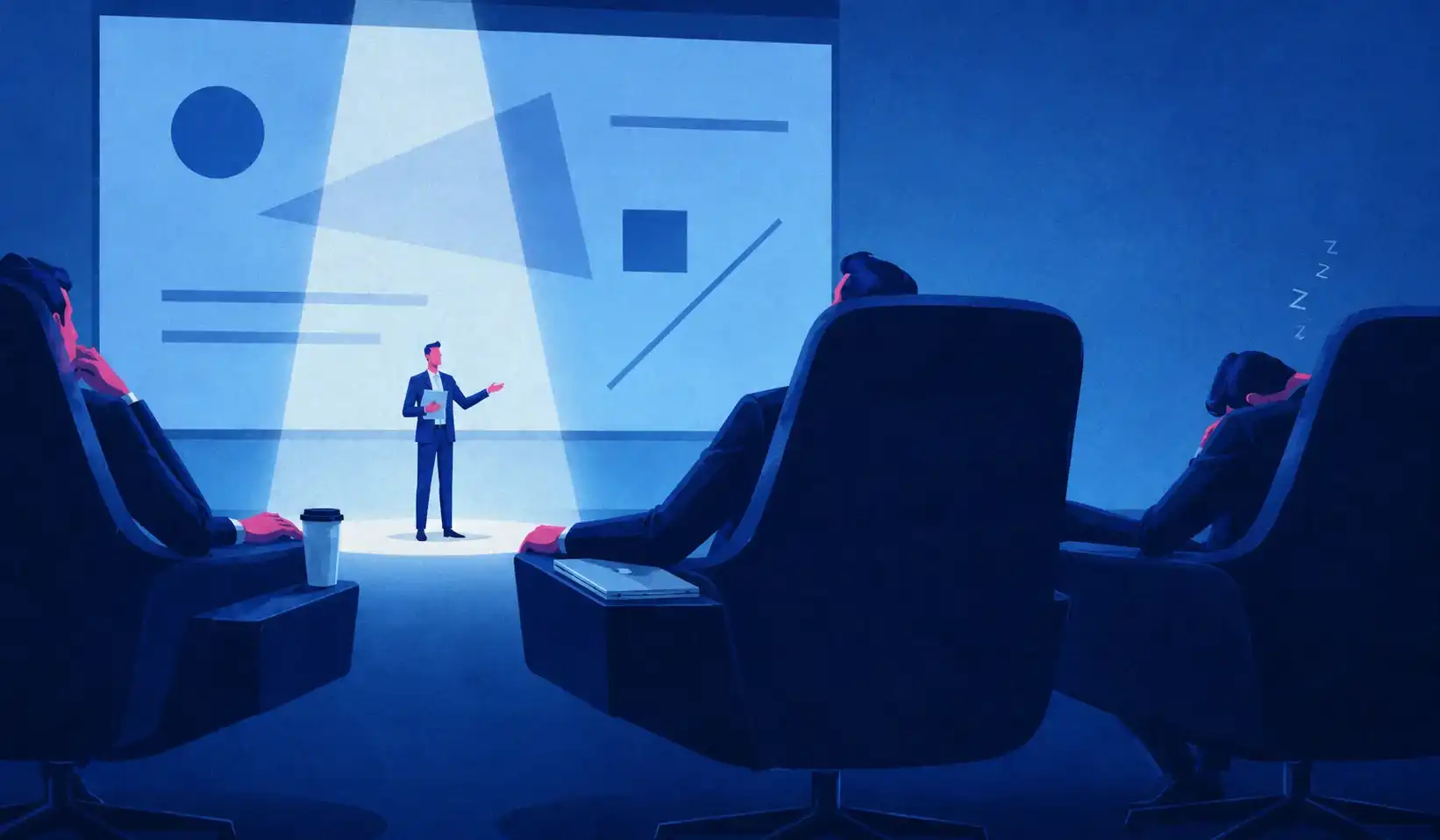
An a16z partner fell asleep on the spot for over 30 minutes, and you have to grit your teeth and finish presenting your Series A materials, worth $15 million, to a person who is "unconscious"... This sounds like dark humor, but it's a real VC pitch story experienced by Greg Isenberg, founder of Late Checkout and LCA.

Last week, after Greg Isenberg shared this experience on X, it quickly resonated within the Silicon Valley startup community.

"This is venture capital," Isenberg said, noting that founders sometimes fly across the entire country just to "perform" for a group of people who aren't necessarily alert. Fundraising is like a dance; sometimes the founder leads, sometimes follows, and sometimes the dance partner is already asleep.

He believes almost every founder has a similar story, but people rarely talk about them publicly because they might need to raise funds again in the future and can't afford to offend VCs. In fact, Isenberg did not name the specific firm, only saying it was a top-three venture capital firm. In the end, it was the sleeping partner himself—Marc Andreessen of a16z—who proactively admitted to the embarrassing incident, jokingly blaming it on founders in San Francisco who kept telling him he should try "psychedelics."

After Isenberg fired the "first shot," many other founders and investors have come forward to share their own personal experiences during the fundraising process.

Absurd Moments in the Pitch Room

The reason Isenberg's rant spread quickly and prompted more entrepreneurs to share is that he revealed a side of the fundraising process that is rarely described publicly. In the common imagination, a project pitch should be a rational, efficient, and respectable business negotiation among elites, but in reality, it's not always the case.

The story of Airwallex Co-founder and CEO Jack Zhang is one of the most vivid scenes.

During the most feverish period of the SoftBank Vision Fund, Jack once flew over 30 hours from Melbourne to London to pitch while running a 39°C fever. However, the investor arrived late, walking into the conference room completely barefoot after being 90 minutes behind schedule.

As Jack began his formal presentation, the other party opened a bag of peanuts, chewing while listening. About 30 seconds later, the investor interrupted him to ask how much he wanted to raise. Jack answered $100 to $150 million. The investor directly said, "I'll give you $300 million. We can make you the industry leader." The entire meeting ended just 20 minutes later. Jack later joked that the time it took him to get from Heathrow Airport to the office was longer than this pitch that determined his company's future.

This story of the "Barefoot Sage" immediately made Y Combinator partner Tom Blomfield feel addressed. He said he might have met the same person, as the individual had picked his feet, eaten with his hands, smoked during a meeting, and finally stubbed out the cigarette in his lunch, then poured coffee on it to put it out.

However, Blomfield himself has also left a deep impression on pitching entrepreneurs with some "quirky" behavior. Starcloud Co-founder and CEO Philip Johnston claimed that during a Zoom pitch, one partner spent the entire time tossing peanuts into the air, catching them in his mouth, and then crunching on them. Blomfield frankly admitted that partner was himself and humorously replied, "I thought we agreed we wouldn't talk about your YC interview."

Besides these more recent next-gen pitches, Uber Co-founder and former CEO Travis Kalanick also came out to reminisce about his own anecdote from as early as 2001. Before a scheduled meeting was about to start, Kalanick intercepted a partner who was trying to escape outside the VC's office, and ultimately completed the pitch in the passenger seat of the partner's parked Lexus. Midway, the partner's large belly pressed against the steering wheel, and he grabbed Kalanick's laptop to quickly flip through the PPT himself. Kalanick left only one sigh: "Fundraising in 2001, it really had a special feel."

Other stories are more like black comedies born from misaligned language and situations. Sphere Labs Co-founder Dirichlet was once asked by an existing investor to pitch to an ultra-high-net-worth individual with a fortune exceeding $10 billion, who also managed a large fund, during a dinner.

The introducer reminded him: "His English isn't great, but you still need to give him a good pitch." So Dirichlet spent 30 to 45 minutes introducing the company slowly and in simplified terms. The other party kept nodding, occasionally saying "Yes," and even ordered a dessert in fairly decent English. It wasn't until after the dinner ended, with handshakes and hugs, that he learned the other person didn't actually understand a single English word except for "Yes" and the Greek yogurt on the menu.

More Glaring than the Absurdity is the Power Dynamic

If bare feet, eating peanuts, and car pitches still carry a certain comic flair, other stories fully expose the inequality in the fundraising relationship.

Cloudflare Co-founder and CEO Matthew Prince mentioned that Cloudflare was once rejected early on by a Sequoia partner because the other party didn't believe women could lead a security infrastructure company.

Another time, he was introduced to a16z Co-founder Marc Andreessen, thinking it was just a casual meeting, but Andreessen thought it was a formal pitch and brought the entire a16z partnership team. When someone pointed out he "didn't seem prepared," Prince admitted it was true because he genuinely hadn't prepared, and he ultimately framed that rejection letter.

Prince also added a story about Khosla Ventures founder Vinod Khosla. When Cloudflare was preparing its Series C round, Khosla had given a term sheet and invited Prince, along with the other two co-founders, Michelle Zatlyn and Lee Holloway, to dinner.

Near the end of the dinner, as Michelle and Lee left for the restroom, Khosla leaned over and told Prince that he was impressed with Prince but wasn't as optimistic about the other two co-founders. If Prince was willing to fire them, he could give their equity to Prince. Prince believed the kindest interpretation was that it might have been a character test, but he was still deeply offended and subsequently blocked Khosla.

The story of Flexport Founder and CEO Ryan Petersen involves some inexplicable market misjudgment. During one pitch, a well-known VC told them the global logistics market was only $6 billion (in reality, it's trillions). This absurd number prompted his CFO to retort on the spot: "So you're saying this market is smaller than the USB cable market?"

Figma AI lead Ted Benson also recounted his awkward experience. During his first startup, he flew to Redmond. Mid-meeting, a VP suddenly interrupted him, asking, "Why am I talking to you? Who do you know that got this meeting on my calendar?" Then added: This isn't going anywhere, but you have 15 minutes left, want to just chat?

On more specific funding structures, Mercor CEO Brendan Foody pointed the finger at the so-called "Sequoia scam." He claimed that in the past 6 months, he had seen several cases where Sequoia entered the same funding round with two tranches of capital at two different valuations, but the market narrative only emphasized the higher valuation, which founders then passed on to employees and angel investors.

Sequoia partner Shaun Maguire later responded, saying similar situations had happened about 5 times in the 7 years since he joined Sequoia, but he believed calling it a scam was unfair. His explanation was that for hot companies, especially AI companies, other investors were willing to pay prices far above Sequoia's judgment. Therefore, Sequoia tried to separate "company-building partnership" from "capital price," ultimately resulting in two investments with different valuations close in time. He emphasized that VC is a long-term game, and intentionally misleading doesn't align with long-term interests.

This power dynamic doesn't only exist between VCs and entrepreneurs but also between LPs and VCs. Equal Ventures Founder and Managing Partner Rick Zullo recalled that when raising his first fund, an LP demanded a meeting at 7 a.m. on a Monday, just two days after his daughter was born. The LP was 45 minutes late, listened to the meeting while eating a breakfast burrito, and finally said he wasn't planning to make any new investments.

Someone commented that this is the downward transmission of abuse: LPs belittle GPs, GPs belittle founders, and founders then belittle non-founders. Zullo responded that there's no reason for this cycle to exist. Just because someone was once an asshole to you doesn't mean you have the right to be an asshole to others.

When Investors Truly Side with the Founder

However, this chain reaction sparked by Isenberg wasn't just a collective indictment of VCs. Many founders also mentioned that in the world of fundraising, there are also investors who are genuinely willing to help the company, respect the founders, and even change the company's fate at critical moments.

For example, the Vinod Khosla who tried to "drive a wedge" in the story above presents a completely different image in other entrepreneurs' accounts.

Startup Grind and Bevy Co-founder Derek Andersen recalled that in May 2017, he was just 6 weeks away from running out of cash. One early morning, he told his wife on the couch that he was almost out of money and might lose everything. His wife simply said, "You'll figure it out." So he spent the whole night sending emails, praying, and at 1:39 a.m., sent an email to Khosla, whom he had only interviewed a few times at Startup Grind and wasn't close with.

At 7:34 a.m., Khosla replied to the email, asked for a phone number, and called him later while on his way to a meeting. Andersen said the advice and encouragement from that call helped him raise $1 million within those 6 weeks, ultimately saving the company.

Linear Co-founder and CEO Karri Saarinen provided another, more complete positive example. He said he hadn't encountered too many bad things about VCs; the worst usually was just the other party being very polite but clearly uninterested.

After founding Linear, he deliberately kept the company in a state of "not needing to raise funds," not casually accepting pitches, and only proceeding when both sides had genuine interest. When Sequoia first asked to meet him, he clearly stated he wasn't fundraising but still brought materials to meet more partners. After the pitch, they asked how much he planned to raise, and he again stated he wasn't fundraising. A few weeks later, when Linear truly decided to raise, Sequoia competed with other interested VCs and ultimately led the seed round.

Similar positive memories also appear in the stories of founders from Figma, Nansen, and Profound.

Figma Co-founder and CEO Dylan Field recalled that when Figma raised its seed round in 2013, most people didn't understand the product, but most of the people he met were very friendly. Reddit Co-founder Alexis Ohanian also came forward to admit that missing Figma was his own misjudgment. Because several similar products had failed before, he mistakenly thought no one could succeed in this direction.

Nansen Co-founder and CEO Alex Svanevik also said that over the years, he had met over 100 VCs, and positive experiences far outweighed negative ones.

Profound Co-founder and CEO James Cadwallader remembered that last year before his Series B pitch at Sequoia's Menlo Park office, partner Alfred Lin asked him if he needed anything. He said he wanted coffee, and a few minutes later, Alfred Lin personally brought back the coffee, without calling an assistant or handing it to someone else. It was just a very small gesture, but before a tense meeting that determined whether funding would proceed, it was enough for a founder to remember for a long time.

In the end, this Silicon Valley-style chain of fundraising stories doesn't present a simple conclusion of whether VCs are good or bad. It's more like a collective pressure release for the startup fundraising ecosystem. Founders recount those absurd, rude, and even humiliating moments, revealing that fundraising is never just about matching capital with projects; it's also a complex interaction revolving around information, status, trust, and control.

But these stories also show that the relationship between founders and investors doesn't have to be this way. Good investors may not always back every company or offer the highest valuation, but they at least treat the entrepreneur sitting across from them seriously, understanding the long-term effort and preparation behind a pitch.

Respect and trust that go beyond capital and valuation are the most enduring undertones in Silicon Valley's startup stories.


Pertanyaan Terkait

QWhat are some absurd moments during fundraising pitches shared by Silicon Valley entrepreneurs?

AEntrepreneurs shared several absurd moments: a16z's Marc Andreessen fell asleep for over 30 minutes during a pitch; a SoftBank Vision Fund investor arrived 90 minutes late, barefoot, and offered $300 million after just 30 seconds; an investor ate peanuts and crushed a cigarette into his lunch; another tossed peanuts in the air and caught them in his mouth during a Zoom call; and a founder pitched in a VC's parked car after the partner tried to escape the meeting.

QWhat examples illustrate the power imbalance in founder-VC relationships?

AExamples include: a Sequoia partner rejecting Cloudflare partly because they didn't believe a woman could lead a security infrastructure company; Vinod Khosla suggesting Cloudflare's CEO fire his co-founders to get their equity; a VC claiming the global logistics market was only $6 billion (versus trillions); a Microsoft VP asking a founder 'Why am I even talking to you?'; and an LP making a VC pitch at 7 AM shortly after his child was born, then showing up late and declining to invest.

QWhat positive experiences did founders share about their interactions with venture capitalists?

APositive experiences include: Vinod Khosla giving crucial advice that helped save Startup Grind/Bevy with a $1M raise; Sequoia's Alfred Lin personally fetching coffee for a founder before a pitch; Sequoia proceeding respectfully when Linear initially wasn't fundraising and later leading their seed round; and founders from Figma and Nansen noting that most VCs they met were kind and professional, even when passing on investment.

QWhat was the 'Sequoia scam' accusation mentioned, and how did a Sequoia partner respond?

AMercor's CEO accused Sequoia of a 'scam' where it invested in two tranches at different valuations in the same round, but public narratives only highlighted the higher valuation. Sequoia partner Shaun Maguire responded that this rare practice (about 5 times in 7 years) occurs when other investors are willing to pay much higher prices. Sequoia aims to separate being a 'company-building partner' from 'capital price,' leading to two closely timed investments at different valuations. He argued intentionally misleading founders doesn't serve long-term VC interests.

QAccording to the article, what is the underlying theme of these fundraising stories?

AThe stories reveal that fundraising is not just a rational capital-allocation process but a complex dance of information, status, trust, and power. While many absurd and disrespectful moments highlight inherent imbalances, the collective sharing acts as a pressure release. The concluding theme is that the relationship doesn't have to be adversarial. The most enduring foundation in Silicon Valley is respect and trust that go beyond capital and valuation, demonstrated by investors who treat founders seriously and understand the effort behind each pitch.

Bacaan Terkait

Xpeng dan Nio Gencar di Komputasi, Ideal Ganti Arsitektur

Pada 15 Juni, Li Auto memperkenalkan chip self-driving buatan sendiri, Ma He M100, yang dikembangkan khusus untuk L9 Livis generasi baru. CTO Li Auto, Xie Yan, menekankan bahwa fokusnya bukan hanya meningkatkan kecepatan, tetapi mengubah arsitektur chip secara fundamental. Di tengah tren produsen mobil yang berlomba-lomba mengembangkan chip sendiri pada tahun 2026, pesaing seperti Nio (chip Shenji NX9031), Xpeng (chip Turing), dan Huawei (MDC 810 Pro) umumnya mengandalkan angka TOPS (komputasi) sebagai senjata pemasaran utama. Namun, Li Auto memilih jalur berbeda dengan mengubah logika arsitektur dasar dari chip tersebut. Ma He M100 mengadopsi arsitektur Dynamic Data Flow, bukan arsitektur von Neumann tradisional. Pendekatan ini dirancang untuk komputasi paralel matriks berskala besar yang diperlukan untuk inferensi model AI (seperti VLA), dengan mengurangi bolak-balik data antara memori dan unit pemrosesan. Hasil klaim Li Auto adalah efisiensi komputasi efektif 3 kali lipat dibandingkan Nvidia Thor U dan penurunan latency 40%. Keberhasilan arsitektur ini mendapat pengakuan eksternal melalui penerimaan makalahnya di konferensi akademis bergengsi ISCA 2026. Namun, keunggulan 3x ini sangat tergantung pada algoritma Li Auto (VLA2.1) dan mungkin tidak berlaku untuk tugas komputasi umum. Dengan chip ini, Li Auto menyelesaikan rantai teknologi "full-stack" yang meliputi chip, compiler, sistem operasi (Star Ring OS), model AI, dan pengontrol domain, menciptakan ekosistem tertutup yang independen dari pemasok seperti Nvidia. Dalam peluncuran ini, CEO Li Xiang juga memperkenalkan visi "Mobil Cerdas Embadied" ("Four-in-One Embodied AI Car"), yang mendefinisikan mobil listrik sebagai asisten hidup yang dapat merasakan, berpikir, dan berkembang, menggeser persaingan dari sekadar fitur konfigurasi (seperti kulkas atau layar) ke kemampuan sistem. Li Auto menetapkan target ambisius untuk model self-driving Ma He VLA agar menyamai performa Tesla FSD V14 pada kuartal keempat tahun ini, dengan rincian peningkatan OTA bertahap mulai Juli hingga Desember. Di balik inovasi teknologi, tantangan finansial tetap ada. Pendapatan Li Auto turun pada Q4 2025, dengan margin yang menyempit. Namun, anggaran R&D tetap tinggi (sekitar 12 miliar yuan, 50% untuk AI). Target penjualan 2026 adalah 550.000 unit, sementara realisasi 2025 adalah 406.000 unit. Pengujian nyata akan dimulai pada kuartal ketiga dengan OTA pertama pada Juli dan peluncuran model baru. Sertifikasi akademis untuk arsitektur chip adalah langkah awal, tetapi penerimaan pasar dan kinerja dalam kondisi mengemudi sehari-hari akan menjadi penentu kesuksesan akhir.

marsbit24m yang lalu

Xpeng dan Nio Gencar di Komputasi, Ideal Ganti Arsitektur

marsbit24m yang lalu

Tahun Pertama Penerapan AI, Hanya Bilang Iya, Abai Risiko? Log Pelayaran Pengembangan Perangkat Lunak Sepenuhnya Sumber Terbuka

Tahun 2026 disebut sebagai era aplikasi AI. Kode dibuat semakin cepat, namun dengan pengawasan yang semakin sedikit saat diterapkan. Risiko dari kode yang ditulis AI sering kali tersembunyi dalam kode yang tampak benar secara sintaksis dan melewati semua pemeriksaan, tetapi dapat menyebabkan kebocoran data atau kerugian aset. Contoh nyata adalah insiden konfigurasi oracle cbETH Moonwell, di mana kesalahan semantik dalam harga melewati proses pengembangan dan pemeriksaan, mengakibatkan kerugian finansial yang signifikan. Risiko pengkodean AI telah berevolusi dari pelengkap lokal ke agen yang dapat membaca file, mengubah konfigurasi, menginstal dependensi, dan menghasilkan skrip infrastruktur, sehingga menciptakan jalur risiko yang lebih panjang dan sulit dilacak dalam rekayasa perangkat lunak. Untuk mengatasi masalah ini, Narwhal-Lab Universitas Peking meluncurkan proyek sumber terbuka **Narwhal AI Code Risks**. Proyek ini mengumpulkan dan mengkategorikan fragmen informasi risiko yang tersebar ke dalam tiga lapisan: `cases/` (peristiwa nyata), `inferred/` (sinyal awal), dan `scenarios/` (skenario risiko tipikal). Risiko diklasifikasikan menjadi 7 kategori: Rantai Pasok, Kerentanan Tingkat Kode, Konfigurasi Cloud & Infrastruktur, Risiko Agen, Risiko Domain Vertikal, Risiko Kekayaan Intelektual & Kepatuhan, serta Faktor Manusia. Tujuan proyek ini adalah untuk mengubah kasus risiko menjadi pengetahuan yang dapat digunakan kembali, membantu pengembang mengidentifikasi masalah serupa, menjadi basis sampel bagi peneliti keamanan, serta menyediakan aturan deteksi dan tolok ukur bagi vendor alat. Dengan menyediakan "log pelayaran" sumber terbuka untuk dunia perangkat lunak, proyek ini bertujuan untuk mencatat dan meneruskan pengalaman, sehingga pihak lain tidak perlu terjebak dalam perangkap yang sama.

marsbit24m yang lalu

Tahun Pertama Penerapan AI, Hanya Bilang Iya, Abai Risiko? Log Pelayaran Pengembangan Perangkat Lunak Sepenuhnya Sumber Terbuka

marsbit24m yang lalu

Landasan Valuasi Triliunan Dollar SpaceX: Siapa yang Mengambil Alih Pengeluaran Modal Tahunan Ratusan Miliar Milik Musk?

Penulis berpendapat bahwa peluang investasi terbesar dalam eksplosifnya SpaceX saat ini bukan pada saham SpaceX itu sendiri (yang mahal dan masih rugi), melainkan pada para pemasoknya. Ini mengikuti pola sejarah seperti rantai pasokan Apple, Tesla, dan NVIDIA, di mana perusahaan "super terminal" mendorong pertumbuhan luar biasa bagi pemasoknya. SpaceX mengalokasikan ratusan miliar dolar untuk pengeluaran modal tahunan, didanai terutama oleh bisnis Starlink yang menguntungkan. Uang ini dialirkan ke pengembangan roket (untuk menurunkan biaya peluncuran) dan AI/pusat data orbital. Pesanan pembelian besar-besaran ini mengalir ke tiga jenis pemasok: 1. **Pengganti yang Sulit:** NVIDIA (GPU & CUDA), Eutelsat (spektrum satelit), Filtronic (penguat sinyal), Materion (berilium), STMicroelectronics (chip antena). 2. **Pengganti yang Mahal:** Honeywell (kontrol penerbangan), Carpenter Technology (baja khusus), Hexcel (serat karbon), Broadcom (pertukaran data). 3. **Pemasok Produksi Massal:** Wistron NeWeb (perakitan terminal Starlink), dan beberapa perusahaan Tiongkok seperti Shenzhen Sunway (konektor), Paixin New Materials (tempaan), Western Superconductor (paduan niobium), Yingliu Co. (cetakan), serta perusahaan seperti Trimble (sinkronisasi waktu) dan Astronics (distribusi daya). Mengapa sekarang adalah saat yang tepat? (1) Volume pembelian SpaceX baru akan meningkat pesat (target 100 peluncuran/tahun, 3000 juta terminal Starlink). (2) Transparansi data melalui IPO memungkinkan pelacakan pesanan. (3) Siklus rantai pasokan mirip dengan tahap awal Tesla (sekitar 2018), menawarkan peluang pertumbuhan jangka panjang. Kesimpulannya, alih-alih membeli saham SpaceX yang fantastis, investor dapat mempertimbangkan perusahaan-perusahaan di balik layar yang menerima pesanan besar dan stabil, terlepas dari volatilitas harga saham SpaceX. Namun, setiap perusahaan perlu dianalisis secara individual dengan mempertimbangkan risiko seperti siklus komoditas, geopolitik, dan perubahan teknologi.

marsbit1j yang lalu

Landasan Valuasi Triliunan Dollar SpaceX: Siapa yang Mengambil Alih Pengeluaran Modal Tahunan Ratusan Miliar Milik Musk?

marsbit1j yang lalu

Landasan Valuasi Triliunan Dolar SpaceX: Siapa yang Mengambil Porsi Belanja Modal Ratusan Miliar Elon Musk Tiap Tahun?

Pondasi valuasi triliunan dolar SpaceX: Siapa yang membagi ratusan miliar belanja modal tahunan Elon Musk? Alih-alih berinvestasi langsung di SpaceX yang IPO dengan valuasi tinggi dan masih rugi, peluang mungkin lebih baik pada rantai pasokannya. Sejarah menunjukkan bahwa raksasa teknologi seperti Apple, Tesla, dan Nvidia telah menciptakan kekayaan besar bagi pemasok mereka. SpaceX beroperasi dengan model: Layanan internet satelit Starlink menghasilkan uang → mendanai pengembangan roket untuk menekan biaya peluncuran → meluncurkan perangkat keras AI ke luar angkasa dengan biaya rendah → menyewakan daya komputasi AI untuk pendapatan baru. Siklus ini menghasilkan pesanan pembelian ratusan miliar dolar AS setiap tahun. Pemasok dapat dikategorikan dalam tiga kelompok: 1. **Pengganti sulit atau tidak mungkin**: NVIDIA (GPU untuk superkomputer), Eutelsat (spektrum radio satelit), Filtronic (amplifier sinyal satelit), Materion (logam berilium), STMicroelectronics (chip antena). 2. **Secara teknis dapat diganti, tetapi biaya peralihannya tinggi**: Honeywell (sistem kendali penerbangan), Carpenter Technology (baja paduan khusus), Hexcel (serat karbon), Broadcom (pertukaran data), Linde (gas industri). 3. **Memerlukan produksi massal yang stabil dengan biaya rendah**: Perusahaan-perusahaan ini memasok komponen untuk perangkat terminal Starlink dan roket. Contohnya termasuk Wistron NeWeb (kontrak perakitan), serta beberapa perusahaan China seperti Sunway Communication (konektor), Paike New Materials (komponen tempa), Western Superconducting (paduan niobium), Yingliu Co (komponen cor). Perusahaan seperti Trimble, Astronics, dan CTS juga menyediakan komponen penting. Mengapa sekarang adalah saat yang tepat? Karena volume pembelian SpaceX baru akan meningkat (target 100 peluncuran/tahun, 30 juta terminal Starlink), transparansi melalui IPO memungkinkan pelacakan pesanan, dan siklus rantai pasokan serupa dengan Tesla pada 2018 - masih di tahap awal pertumbuhan yang curam. Intinya: Pesanan pembelian tahunan SpaceX yang besar, terlepas dari harga sahamnya, akan mengalir ke pemasoknya dan menjadi pendapatan tetap mereka. Inilah peluang yang mungkin lebih dapat diakses daripada berinvestasi langsung di saham SpaceX.

链捕手1j yang lalu

Landasan Valuasi Triliunan Dolar SpaceX: Siapa yang Mengambil Porsi Belanja Modal Ratusan Miliar Elon Musk Tiap Tahun?

链捕手1j yang lalu

Trading

Spot
Futures

Artikel Populer

Cara Membeli ZEN

Selamat datang di HTX.com! Kami telah membuat pembelian Horizen (ZEN) menjadi mudah dan nyaman. Ikuti panduan langkah demi langkah kami untuk memulai perjalanan kripto Anda.Langkah 1: Buat Akun HTX AndaGunakan alamat email atau nomor ponsel Anda untuk mendaftar akun gratis di HTX. Rasakan perjalanan pendaftaran yang mudah dan buka semua fitur.Dapatkan Akun SayaLangkah 2: Buka Beli Kripto, lalu Pilih Metode Pembayaran AndaKartu Kredit/Debit: Gunakan Visa atau Mastercard Anda untuk membeli Horizen (ZEN) secara instan.Saldo: Gunakan dana dari saldo akun HTX Anda untuk melakukan trading dengan lancar.Pihak Ketiga: Kami telah menambahkan metode pembayaran populer seperti Google Pay dan Apple Pay untuk meningkatkan kenyamanan.P2P: Lakukan trading langsung dengan pengguna lain di HTX.Over-the-Counter (OTC): Kami menawarkan layanan yang dibuat khusus dan kurs yang kompetitif bagi para trader.Langkah 3: Simpan Horizen (ZEN) AndaSetelah melakukan pembelian, simpan Horizen (ZEN) di akun HTX Anda. Selain itu, Anda dapat mengirimkannya ke tempat lain melalui transfer blockchain atau menggunakannya untuk memperdagangkan mata uang kripto lainnya.Langkah 4: Lakukan trading Horizen (ZEN)Lakukan trading Horizen (ZEN) dengan mudah di pasar spot HTX. Cukup akses akun Anda, pilih pasangan perdagangan, jalankan trading, lalu pantau secara real-time. Kami menawarkan pengalaman yang ramah pengguna baik untuk pemula maupun trader berpengalaman.

206 Total TayanganDipublikasikan pada 2024.12.12Diperbarui pada 2026.06.02

Cara Membeli ZEN

Diskusi

Selamat datang di Komunitas HTX. Di sini, Anda bisa terus mendapatkan informasi terbaru tentang perkembangan platform terkini dan mendapatkan akses ke wawasan pasar profesional. Pendapat pengguna mengenai harga ZEN (ZEN) disajikan di bawah ini.

活动图片