Japan’s LDP Calls For Crypto ETF Framework, Yen Stablecoin Push In New Proposal

bitcoinistDipublikasikan tanggal 2026-06-02Terakhir diperbarui pada 2026-06-02

Abstrak

Japan's ruling Liberal Democratic Party (LDP) has proposed establishing a legal framework for cryptocurrency-based exchange-traded funds (ETFs) to boost the country's digital asset sector. The party's blockchain promotion panel submitted the proposal to Finance Minister Satsuki Katayama, arguing that crypto ETFs would provide accessible investment options and should be recognized as official financial products. While Japan's Financial Services Agency (FSA) has historically been cautious, recent reports suggest potential regulatory amendments could allow the first crypto ETFs within two years. Separately, the LDP urged the government to promote the use of yen-denominated stablecoins for settlements in Asia, aiming to leverage Japan's upcoming hosting of the Asian Development Bank's annual meeting. Japan's stablecoin regulations, established in 2022, permit issuance only by licensed financial institutions. Recent legal changes have also eased rules for certain foreign trust-backed stablecoins and classified crypto assets as financial instruments.

Japan’s ruling party has called for the creation of the long-awaited rules for crypto exchange-traded funds (ETFs) and promotion of yen-denominated stablecoins in the region in a new proposal to the government.

Japan’s Ruling Party Pushes For Crypto ETF Rules

On Monday, Japan’s Liberal Democratic Party (LDP) asked the government to develop a legal framework to allow crypto-based ETFs in the country, seeking to strengthen the local digital assets sector, Reuters reported.

In a proposal ‌to the government, the ruling party affirmed that “Crypto-ETFs would provide investors with easy-to-understand ways of investment,” urging the government to “position the product as an official means of ​investment in the financial market.”

According to the report, LDP’s panel on the promotion of ​blockchain technology submitted its proposal to Finance Minister Satsuki Katayama, ⁠who oversees the Financial Services Agency (FSA).

It’s worth noting that Japanese authorities have been cautious about crypto-based investment products over the past few years, with the main financial regulator repeatedly expressing its reservations about the funds.

Earlier this year, reports indicated that the FSA plans to amend the Investment Trust Act’s enforcement order to add cryptocurrencies to the list of specified assets for ETFs, with stronger safeguards to protect investors.

Reportedly, the country will likely approve and list its first wave of crypto ETFs in the next two years, with some industry leaders affirming that the rollout could come as early as next year if the law’s revision allows it.

In an April interview, Hiromi Yamaji, CEO of Japan Exchange Group (JPX), the parent company of the Tokyo Stock Exchange, stated that asset management firms are interested in creating crypto investment products.

“We’re ready to work on it once legislation and tax treatment are made clear,” JPX CEO told Bloomberg, but noted that listings could come in 2028, if progress on the law’s amendments stalls.

Lawmakers Eye Yen-Stablecoin Boost In Asia

After Monday’s meeting with Katayama, Junichi Kanda, a lawmaker on the panel, told reporters that the ruling party had also pushed the government to boost the use of yen stablecoins in the region.

“We urged the government to take steps to promote ​yen stablecoins for settlement in Asia in the future,” he said, adding that Japan could promote yen stablecoins and its efforts on blockchain innovation next year, when the country hosts the Asian Development Bank’s annual meeting.

Japan’s legal framework for stablecoins was established through the 2022 amendment to the Payment Services Act. Under these rules, only licensed money transfer companies, trust companies, and banks are allowed to issue yen-denominated tokens.

Last year, Tokyo fintech company JPYC launched the first yen-pegged stablecoin, backed by Japanese yen reserves, including bank deposits and government debt. The FSA also endorsed a project by three major Japanese banks to jointly issue a yen-backed token.

This May, the financial regulator expanded the Cabinet Office Ordinance to recognize certain trust-type stablecoins issued by foreign trust banks and similar entities as “electronic payment instruments” under the Payment Services Act, starting June 1.

The revisions remove foreign trust-backed stablecoins from the Financial Instruments and Exchange Act (FIEA) “securities” classification, allowing domestic registered operators to manage them legally.

Similarly, authorities amended the FIEA earlier this year to classify crypto assets as financial instruments and outlined compliance requirements for the use of crypto in real estate deals.
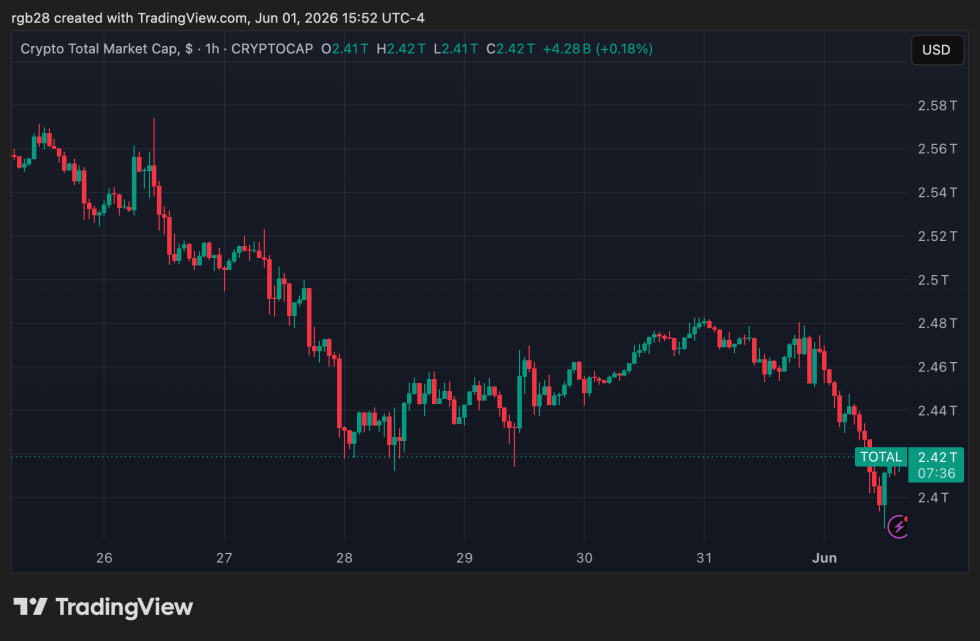
The total crypto market capitalization is at $2.42 trillion in the one-week chart. Source: TOTAL on TradingView


Kripto yang Sedang Tren

Pertanyaan Terkait

QWhat are the two main proposals Japan's Liberal Democratic Party (LDP) has submitted to the government regarding digital assets?

AJapan's Liberal Democratic Party (LDP) has submitted two main proposals. First, it called for the government to develop a legal framework to allow crypto-based Exchange-Traded Funds (ETFs) in the country. Second, it urged the government to promote the use of yen-denominated stablecoins for settlement within Asia.

QWhat is the status of the legal framework for stablecoins in Japan, and who is allowed to issue yen-denominated stablecoins?

AJapan established its legal framework for stablecoins through a 2022 amendment to the Payment Services Act. Under these rules, only licensed money transfer companies, trust companies, and banks are permitted to issue yen-denominated stablecoins.

QWhat are the potential timelines for the approval and listing of the first crypto ETFs in Japan according to the article?

AThe article mentions that the first wave of crypto ETFs in Japan could be approved and listed within the next two years. Some industry leaders believe the rollout could happen as early as next year if legal revisions allow. However, the CEO of JPX also noted that listings might be delayed until 2028 if progress on amending the law stalls.

QWhat recent regulatory change did Japan's FSA make regarding foreign stablecoins, effective from June 1?

AIn May, Japan's Financial Services Agency (FSA) expanded the Cabinet Office Ordinance to recognize certain trust-type stablecoins issued by foreign trust banks and similar entities as 'electronic payment instruments' under the Payment Services Act, starting June 1. This change removes these foreign trust-backed stablecoins from the 'securities' classification under the Financial Instruments and Exchange Act (FIEA).

QWhat are the stated benefits of crypto ETFs according to the LDP's proposal?

AAccording to the LDP's proposal, 'Crypto-ETFs would provide investors with easy-to-understand ways of investment.' The party urged the government to position such products as an official means of investment in the financial market.

Bacaan Terkait

PYUSD di Kiri, Open USD di Kanan: "Lindung Nilai" Risiko Stablecoin PayPal

Penulis: jk Perusahaan pembayaran raksasa PayPal baru saja merilis laporan keuangan kuartal II-2026. Pendapatannya mencapai USD 8,68 miliar, melampaui ekspektasi pasar, dengan Total Payment Volume tumbuh 10% (yoy) menjadi USD 4,864 triliun. PayPal menegaskan kembali peran strategis stablecoin-nya, PYUSD (PayPal USD), sebagai "pendorong utama" dan aset "yang mengutamakan perdagangan" dalam ekosistem PayPal. Meskipun kinerja keuangan secara keseluruhan kuat, margin laba GAAP menurun, sebagian dikaitkan dengan kerugian bersih USD 81 juta dari investasi strategis dan aset kripto. PayPal membentuk divisi baru "Payment Services & Crypto", menggabungkan PYUSD dengan bisnis pemrosesan merchant, menunjukkan integrasi yang lebih dalam. PYUSD, yang diluncurkan Agustus 2023, telah berkembang ke 70 pasar dan diterapkan di sembilan blockchain. Pasokannya sempat mencapai puncak sekitar USD 4,2 miliar pada Maret, tetapi turun sekitar 31% menjadi sekitar USD 2,7 miliar pada akhir kuartal II, menandai kontraksi pertama sejak peluncuran. Ini menunjukkan bahwa narasi ekspansi PayPal terkadang tidak sejalan dengan data penawaran riil, dan permintaan berkelanjutan di luar insentif masih menjadi tantangan. Sementara itu, proyek saingan "Open USD" diumumkan pada akhir Juni, didukung oleh lebih dari 140 mitra seperti Visa, Mastercard, dan Stripe. Berbeda dengan model penerbit tunggal PYUSD, Open USD mengusulkan model konsorsium di mana mitra berbagi keuntungan dari aset cadangan. Menariknya, PayPal juga tercantum sebagai salah satu mitra Open USD, menunjukkan strategi "lindung nilai" dengan mempertahankan posisi di kedua model stablecoin. Dengan pasokan saat ini hanya sekitar 1/20 dari USDC dan munculnya pesaing potensial seperti Open USD, masa depan PYUSD bergantung pada kemampuannya mengubah jaringan distribusi yang ada menjadi permintaan organik yang berkelanjutan, tanpa bergantung pada subsidi. Jika tidak, level pasokan saat ini mungkin menjadi puncaknya.

marsbit28m yang lalu

PYUSD di Kiri, Open USD di Kanan: "Lindung Nilai" Risiko Stablecoin PayPal

marsbit28m yang lalu

PYUSD di Tangan Kiri, Open USD di Tangan Kanan: "Lindung Nilai" Risiko Stablecoin PayPal

PayPal melaporkan kinerja positif pada kuartal II 2026 dengan pendapatan $8,68 miliar, melampaui ekspektasi pasar. Volume pembayaran total tumbuh 10% menjadi $4,864 triliun. Namun, margin laba GAAP turun, dengan perusahaan mencatat kerugian bersih $81 juta yang dikaitkan dengan investasi strategis dan aset kripto. PayPal menegaskan kembali peran strategis stablecoin-nya, PYUSD, sebagai "pendorong utama" untuk platform PayPal World dan fokus pada skenario komersial. PYUSD kini berada di bawah departemen baru "Layanan Pembayaran & Kripto". Meski telah berekspansi ke 70 pasar dan 9 blockchain, dengan puncak pasokan mencapai $4,2 miliar pada Maret, pasokan PYUSD turun sekitar 31% menjadi sekitar $2,7 miliar pada akhir kuartal. PayPal membangun narasi PYUSD sebagai infrastruktur pembayaran global untuk bisnis, menawarkan penyelesaian real-time dan biaya rendah. Namun, data rantai menunjukkan kontraksi setelah insentif berkurang, menantang untuk membangun permintaan berkelanjutan tanpa subsidi. PayPal juga menghadapi lanskap kompetitif yang berubah dengan kemunculan Open USD, sebuah inisiatif stablecoin berbasis konsorsium yang didukung oleh lebih dari 140 mitra besar seperti Visa, Mastercard, dan Stripe. Berbeda dengan model penerbit tunggal PYUSD, Open USD berbagi keuntungan dari aset cadangan di antara mitranya. Menariknya, PayPal adalah salah satu penandatangan Open USD, menunjukkan strategi "lindung nilai" dengan memiliki kaki di kedua model. Posisi PYUSD tetap kecil dibandingkan USDC, dan tantangan utamanya adalah mengubah jaringan distribusi menjadi penggunaan organik yang stabil.

Odaily星球日报34m yang lalu

PYUSD di Tangan Kiri, Open USD di Tangan Kanan: "Lindung Nilai" Risiko Stablecoin PayPal

Odaily星球日报34m yang lalu

Trading

Spot

Artikel Populer

Cara Membeli PUSH

Selamat datang di HTX.com! Kami telah membuat pembelian Push Protocol (PUSH) menjadi mudah dan nyaman. Ikuti panduan langkah demi langkah kami untuk memulai perjalanan kripto Anda.Langkah 1: Buat Akun HTX AndaGunakan alamat email atau nomor ponsel Anda untuk mendaftar akun gratis di HTX. Rasakan perjalanan pendaftaran yang mudah dan buka semua fitur.Dapatkan Akun SayaLangkah 2: Buka Beli Kripto, lalu Pilih Metode Pembayaran AndaKartu Kredit/Debit: Gunakan Visa atau Mastercard Anda untuk membeli Push Protocol (PUSH) secara instan.Saldo: Gunakan dana dari saldo akun HTX Anda untuk melakukan trading dengan lancar.Pihak Ketiga: Kami telah menambahkan metode pembayaran populer seperti Google Pay dan Apple Pay untuk meningkatkan kenyamanan.P2P: Lakukan trading langsung dengan pengguna lain di HTX.Over-the-Counter (OTC): Kami menawarkan layanan yang dibuat khusus dan kurs yang kompetitif bagi para trader.Langkah 3: Simpan Push Protocol (PUSH) AndaSetelah melakukan pembelian, simpan Push Protocol (PUSH) di akun HTX Anda. Selain itu, Anda dapat mengirimkannya ke tempat lain melalui transfer blockchain atau menggunakannya untuk memperdagangkan mata uang kripto lainnya.Langkah 4: Lakukan trading Push Protocol (PUSH)Lakukan trading Push Protocol (PUSH) dengan mudah di pasar spot HTX. Cukup akses akun Anda, pilih pasangan perdagangan, jalankan trading, lalu pantau secara real-time. Kami menawarkan pengalaman yang ramah pengguna baik untuk pemula maupun trader berpengalaman.

511 Total TayanganDipublikasikan pada 2024.12.13Diperbarui pada 2026.06.02

Cara Membeli PUSH

Diskusi

Selamat datang di Komunitas HTX. Di sini, Anda bisa terus mendapatkan informasi terbaru tentang perkembangan platform terkini dan mendapatkan akses ke wawasan pasar profesional. Pendapat pengguna mengenai harga PUSH (PUSH) disajikan di bawah ini.

活动图片