Trump Halts AI Executive Order, Regulatory Efforts Succumb to Competitive Anxiety

marsbitDipublikasikan tanggal 2026-05-22Terakhir diperbarui pada 2026-05-22

Abstrak

In a last-minute reversal, former President Donald Trump halted the signing of a long-anticipated executive order on artificial intelligence. The order had sought to establish a voluntary, pre-release safety testing framework for advanced AI models developed by leading companies like OpenAI, Google, Anthropic, and xAI. Under the proposed plan, companies would have shared their most powerful models with the U.S. government 90 days before public release for national security and cybersecurity risk assessments. Trump refused to approve the order, stating he did not want anything to "slow down our leadership," emphasizing America's lead over China in AI and the technology's role in job creation. This decision highlights the core tension in U.S. AI policy: balancing the management of systemic risks posed by frontier models—such as exposing financial system vulnerabilities—against fears that any regulation could stifle innovation and undermine competitive advantage. The move came despite significant public support for AI safety testing and followed internal administration debates. Some officials, alarmed by the capabilities of models like Anthropic's Mythos in uncovering critical security flaws, had advocated for stronger oversight. However, the industry and many within Trump's circle opposed even this voluntary framework, arguing it would hamper American innovation. The incident underscores how AI policy is increasingly intersecting with national security, economic strategy, and...

Editor's Note: The Trump administration originally attempted to establish a pre-release safety testing mechanism for frontier AI models, but just hours before its signing, this executive order was abruptly halted.

According to the original plan, leading AI companies like OpenAI, Google, Anthropic, and xAI would voluntarily share their models with the U.S. government 90 days before public release for national security and cybersecurity risk assessments. Trump ultimately refused to approve it, stating that he "did not want anything to hinder American leadership in the field of AI."

Behind this last-minute shift lies a core contradiction facing U.S. AI policy: while the capabilities of frontier models are beginning to touch on public risks such as cybersecurity, financial system vulnerabilities, employment shocks, and data center expansion, in the context where U.S.-China AI competition is seen as a national strategy, any regulatory arrangement may be interpreted by the industry as slowing innovation and weakening U.S. competitiveness.

More subtly, this executive order was originally not a mandatory approval system, but rather a "collaborative, voluntary" model assessment framework. In other words, the White House was not attempting to directly control model releases but sought to add a government safety testing phase before models were made publicly available. Yet even this relatively moderate proposal has been temporarily shelved amid the tug-of-war between safety governance and technological leadership.

AI is transitioning from a purely technological industry issue into the intersecting domains of national security, macroeconomics, and political governance. The focal point of debate in U.S. AI policy is also shifting from "whether to support AI development" to "how to manage the systemic risks potentially posed by frontier models without sacrificing the lead."

Below is the original text:
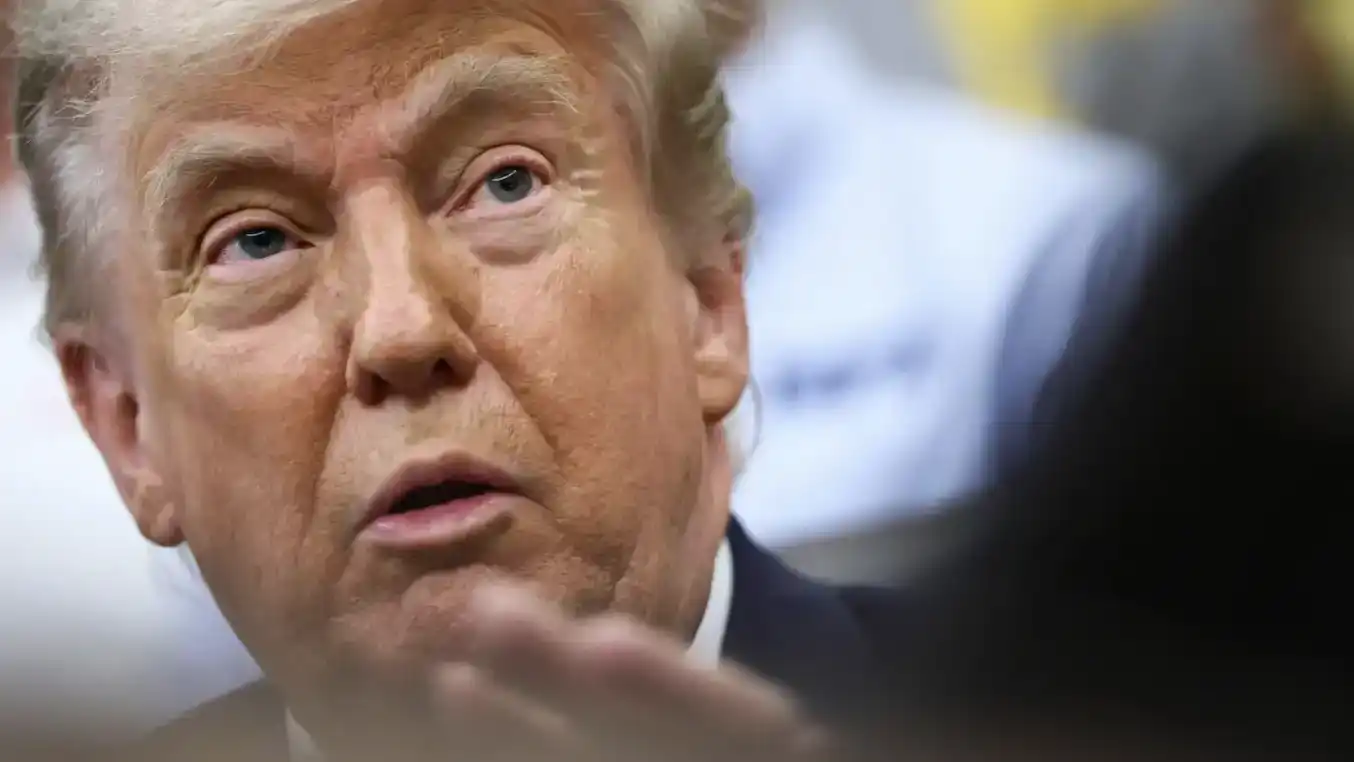
The White House unexpectedly delayed the signing of a long-anticipated executive order on artificial intelligence. Previously, Donald Trump had indicated that he "did not like" parts of the plan, especially the arrangement whereby the U.S. government proposed to conduct national security and cyber risk reviews of AI models.

The executive order was originally scheduled to be signed on Thursday afternoon. Under the plan, leading AI companies like OpenAI, Google, and Anthropic would have voluntarily committed to submitting their models for government review.

Trump's sudden reversal occurred after weeks of internal government debate over the boundaries of regulatory scrutiny.

Speaking about the executive order, Trump said: "I don't like certain aspects of it. We're ahead of China, and we're ahead of everyone, and I don't want anything to hold back our lead." He also stated that artificial intelligence "is also bringing in a lot of jobs."

Before the signing ceremony was abruptly postponed, several tech company CEOs had been scheduled to travel to Washington to attend the event with Trump.
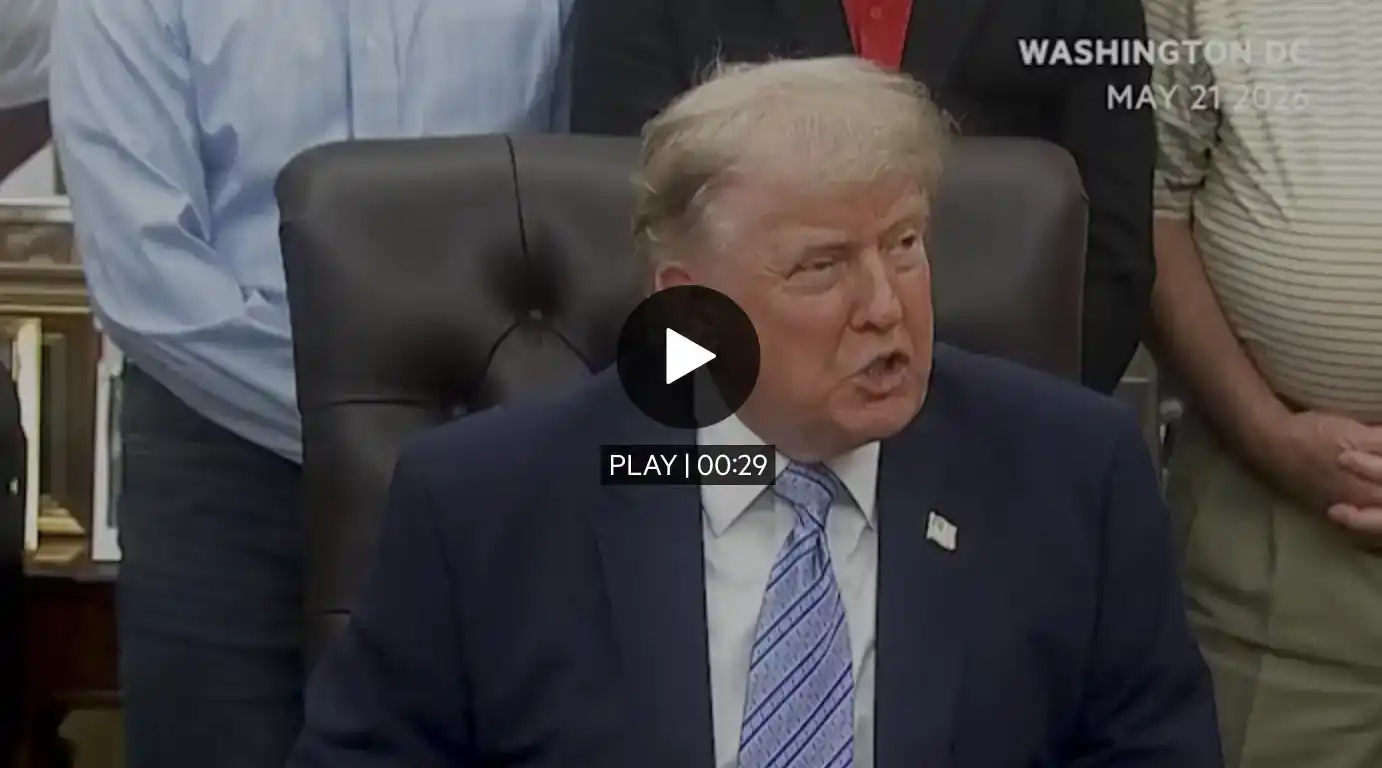
The delayed signing comes as multiple polls continue to show that American voters are concerned about the impact of artificial intelligence, with many supporting stricter regulation and safety guardrails for this emerging technology.

Public concerns are rising about the safety implications of releasing powerful AI models; simultaneously, the impact of AI on jobs and controversies surrounding large-scale data center construction have complicated the White House's political calculus. Not long ago, this administration's attitude towards the AI industry was still notably positive.

Some of Trump's allies had called for bringing leading AI models under U.S. government control; however, other MAGA camp figures warned that any measures restricting AI growth could hinder the U.S. economy.

A poll conducted this month for the Institute for Family Studies showed that 82% of Americans support the White House conducting safety testing on advanced AI models.

The development of this executive order stemmed from key White House officials having early access to Anthropic's latest Mythos model, which included Treasury Secretary Scott Bessent. The model possesses advanced capabilities for identifying cybersecurity vulnerabilities. Informed officials said they were alarmed by issues exposed by the model, such as vulnerabilities in the banking system.

So far, Anthropic has only granted limited access to the Mythos model to a select group of trusted institutions, including tech companies and some banks, allowing them to discover and fix cybersecurity issues before hackers gain access to the model.

Trump's National Economic Council Director, Kevin Hassett, had at one point proposed that frontier AI models undergo a process similar to drug approval, only being officially released after "being proven safe, just like the FDA approves drugs."

His remarks faced strong opposition from AI founders and investors, including some with close ties to the Trump administration, who argued that such a system would weaken America's innovative capabilities.

The executive order fell far short of such an approval system, instead moving towards establishing a "collaborative, voluntary model benchmark assessment framework." On Thursday morning, before the scheduled signing ceremony, White House officials had already briefed reporters on the contents of the order.

Under the proposed agreement, leading AI companies including OpenAI and xAI would voluntarily share their models with the government 90 days before public release. In other words, this mechanism would ultimately still largely rely on the willingness of AI company leaders to cooperate.

Pertanyaan Terkait

QWhat was the original purpose of the AI executive order reportedly halted by the Trump administration?

AThe original purpose of the AI executive order was to establish a voluntary pre-release safety testing mechanism. Leading AI companies like OpenAI, Google, Anthropic, and xAI were expected to voluntarily share their advanced models with the U.S. government for national security and cybersecurity risk assessment 90 days before public release.

QAccording to the article, what was the primary reason Donald Trump gave for stopping the AI executive order?

ADonald Trump's primary reason for stopping the AI executive order was a desire to maintain U.S. leadership in AI. He stated, "We lead China, we lead everyone, and I don't want anything getting in the way of us leading," expressing concern that the proposed safety review could hinder American competitiveness.

QWhat key internal contradiction in U.S. AI policy is highlighted by the article's analysis of this event?

AThe article highlights the core contradiction between managing the public risks of frontier AI models (like cybersecurity threats, financial system vulnerabilities, and employment impacts) and the desire to avoid any regulatory measures that could slow innovation and weaken the U.S.'s competitive position, especially against China, in this strategically vital field.

QHow did the proposed executive order differ from a more stringent FDA-style approval process that was reportedly discussed internally?

AThe proposed executive order was far less stringent than an FDA-style approval process. It established a "collaborative, voluntary model benchmarking framework" where companies would voluntarily share models for review. This contrasted with the stricter concept of requiring models to be 'proven safe' before release, which was strongly opposed by the AI industry.

QWhat specific incident involving an AI model is mentioned as a catalyst for the development of the proposed safety review framework?

AThe development of the safety review framework was partly catalyzed when key White House officials, including Treasury Secretary Scott Bessent, were given early access to Anthropic's new 'Mythos' model. Its ability to identify serious vulnerabilities in systems like the banking sector reportedly alarmed the officials.

Bacaan Terkait

Penilaian Akhir 2029: Saat Cryptocurrency Benar-benar 'Menghilang', Siapa yang Akan Bertahan dalam Transformasi Keuangan Besar Ini?

**Ringkasan: Prediksi Akhir 2029: Ketika Kripto Menjadi 'Tidak Terlihat', Siapa yang Bertahan dalam Transformasi Keuangan Besar?** Analisis ini memproyeksikan evolusi industri cryptocurrency dari sekarang hingga 2029, berfokus pada tiga masalah inti: penentuan nilai token, adopsi teknologi, dan transisi menjadi infrastruktur keuangan tradisional. **2026:** Kontrak berjangka abadi (*perpetual futures*) untuk aset ekuitas privat (mis., SpaceX, OpenAI) menjadi standar harga utama di platform seperti Hyperliquid, mengungguli token tanpa dasar aset nyata. Sementara itu, proyek "AI + crypto" gagal menemukan kebutuhan pasar yang nyata, kecuali pasar prediksi. Fondasi untuk tokenisasi aset institusional (reksa dana pasar uang, kredit privat) mulai dibangun dengan diam-diam. **2027:** Blockchain publik memilih fokus pada layanan institusi (KYC, compliance) sambil membangun infrastruktur yang pada akhirnya akan terbuka bagi pengguna ritel. Pasar kontrak berjangka privat, stablecoin, dan tokenisasi aset mengalami pertumbuhan stabil tetapi dibatasi secara ketat oleh ketidakpastian regulasi dan batasan hukum (mis., larangan promosi sekuritas privat). **2028:** Setelah peristiwa likuidasi berantai yang mengekspos risiko kontrak berjangka tanpa aset dasar, regulator melonggarkan aturan. Investor ritel yang memenuhi syarat (*qualified investors*) akhirnya mendapatkan akses legal ke pasar sekunder untuk ekuitas perusahaan privat yang nyata. Hal ini menciptakan saluran baru untuk aliran modal. **2029:** Kripto mencapai "ketidakterlihatan" sebagai infrastruktur. Token yang bertahan hanyalah yang mewakili klaim hukum atas aset nyata atau arus kas dari infrastruktur. Pasar utama yang terlihat adalah perdagangan saham privat perusahaan teknologi inovatif. Aktivitas spekulatif menyusut menjadi ceruk kecil. Pertumbuhan stablecoin stabil tetapi dibatasi secara kebijakan. Transformasi kripto menjadi infrastruktur keuangan tradisional selesai tanpa peristiwa besar, menjadi bagian yang membosankan dan tidak terlihat dari sistem keuangan. Kesimpulan kunci: Hambatan utama industri adalah hukum, bukan teknologi. Validasi prediksi ini terletak pada apakah investor ritel akan memiliki akses legal ke aset privat pada akhir 2028.

marsbit38m yang lalu

Penilaian Akhir 2029: Saat Cryptocurrency Benar-benar 'Menghilang', Siapa yang Akan Bertahan dalam Transformasi Keuangan Besar Ini?

marsbit38m yang lalu

Panduan Pendaftaran dan Pengiriman Artikel Kolom PANews

Panduan Pendaftaran dan Pengiriman Artikel Kolom PANews Artikel ini menjelaskan proses lengkap untuk mendaftar sebagai penulis kolom dan mengirimkan artikel ke platform PANews, serta beberapa fitur yang tersedia. **Syarat Utama untuk Kolom:** * Konten harus mendalam seputar Crypto, Web3, blockchain, data, atau opini terkait. * Konten yang bersifat promosi merek/perkenalan produk atau soft PR disarankan melalui jalur bisnis. * Konten yang sebagian besar dibuat dengan AI tidak akan disetujui. **Cara Mendaftar Kolom:** 1. **Versi Web:** * Akses situs web PANews, gulir ke bagian bawah, dan klik "申请专栏" (Ajukan Kolom). * Daftar menggunakan nomor ponsel atau email. Login hanya memerlukan kode verifikasi, tanpa kata sandi. * Isi nama kolom, deskripsi, unggah foto profil, dan lampirkan tautan artikel yang pernah diterbitkan (sebagai referensi). 2. **Versi Ponsel:** * Di aplikasi/website, temukan bagian "我的" (Saya), lalu pilih "投稿与创作" (Kirim & Buat). * Isi informasi yang diperlukan. **Cara Membuat & Mengirim Artikel:** 1. Login ke situs web PANews. 2. Akses "个人主页" (Halaman Profil) dan masuk ke "创作者中心" (Pusat Kreator). 3. Klik untuk membuat artikel baru dan mulai menulis. **Cara Menyematkan Video:** Platform saat ini hanya mendukung penyematan kode video dari pihak ketiga (contoh: Bilibili). * Salin kode semat (embed code) dari video yang diinginkan. * Di editor artikel, klik tombol "插入/编辑媒体" (Sisipkan/Edit Media), pilih tab "嵌入" (Semat), tempel kode, dan simpan. * Ukuran video dapat disesuaikan dengan memilih video yang sudah disematkan, lalu edit propertinya (disarankan: lebar 100%, tinggi 560px). **PANews Skills (Alat AI untuk Penulis):** PANews menyediakan set keterampilan AI bernama **PANews Skills** (dapat dipasang dari GitHub) untuk membantu penulis. * **panews:** Melacak berita panas, artikel tren, data pendanaan, untuk pembuatan laporan harian otomatis. * **panews-creator (Kunci):** Mengelola kolom, mempublikasikan artikel, mengunggah gambar. Membutuhkan token otentikasi (`authorization`) yang bisa didapat dari browser setelah login ke akun PANews (lihat Network tab). * **panews-web-viewer:** Mengonversi konten web PANews menjadi Markdown. Alat ini kompatibel dengan berbagai agen AI seperti Cursor, Claude Code, ChatGPT, dll., untuk membantu pembuatan konten, pemantauan tren, dan publikasi.

marsbit54m yang lalu

Panduan Pendaftaran dan Pengiriman Artikel Kolom PANews

marsbit54m yang lalu

Saya Membangun Sebuah Platform Kerja Investasi Pribadi Menggunakan AI

Selama dua minggu terakhir, saya menggunakan "Vibe Coding" (memerintahkan AI seperti Codex, Claude Code, dan DeepSeek untuk menulis kode berdasarkan bahasa alami) untuk membangun workstation investasi pribadi. Saya membuat empat alat kecil yang berguna: 1. **Panel Aset Lintas Pasar:** Dashboard lokal untuk melihat sekilas semua portofolio saya (saham AS, Crypto, saham HK, saham A) dalam satu halaman, dilengkapi dengan pemantauan pergerakan harga dan ringkasan keuntungan/kerugian harian. 2. **Pemantau Taruhan Pasar Prediksi (PM):** Dasbor untuk memusatkan dan memantau taruhan di pasar prediksi (misalnya, tentang valuasi perusahaan atau peristiwa makro), menghubungkan perubahan probabilitas dengan berita dan pergerakan pasar, serta mengurutkannya berdasarkan keyakinan saya. 3. **Backend Operasi Kecil:** Alat berbasis cloud (dihosting di GitHub + Vercel) untuk mengelola ide penulisan, kemajuan artikel, dan jadwal publikasi di berbagai platform. 4. **Alat Format Satu Klik:** Skrip sederhana untuk secara otomatis memformat satu naskah ke dalam gaya yang diperlukan oleh berbagai platform media, menghemat waktu. Intinya, AI mengubah cara penelitian investasi untuk orang biasa dengan sangat mengurangi hambatan teknis. Sekarang, kita dapat dengan cepat membuat prototipe sistem dasar sesuai kebutuhan pribadi, seperti sistem pengamatan aset, pemantauan sinyal, peta hubungan sektor (misalnya, untuk melacak aliran dana di sektor AI), dan sistem tinjauan ulang. Siklus "ide - implementasi - penggunaan - umpan balik - revisi" menjadi sangat cepat, memungkinkan kita secara bertahap mengumpulkan alat yang berguna tanpa harus menjadi ahli pemrograman. Perubahan ini memungkinkan eksekusi ide yang sebelumnya tertunda.

marsbit1j yang lalu

Saya Membangun Sebuah Platform Kerja Investasi Pribadi Menggunakan AI

marsbit1j yang lalu

Robinhood, Saham Konsep Pasar Prediksi Pertama

Robinhood, platform perdagangan saham retail terkemuka AS, kini muncul sebagai pesaing baru dalam pasar prediksi, khususnya menantang posisi Kalshi yang sebelumnya menjadi mitra strategisnya. Awalnya, pada Maret 2025, Robinhood bermitra dengan Kalshi untuk menyediakan layanan perdagangan pasar prediksi kepada penggunanya, dengan Kalshi menyediakan infrastruktur pasar dan kepatuhan regulasi. Kerja sama ini sukses, di mana sekitar 25%-35% volume perdagangan Kalshi diperkirakan berasal dari saluran Robinhood, berkontribusi signifikan pada pendapatan Robinhood. Namun, Robinhood mulai mengembangkan ambisinya sendiri. Pada November 2025, mereka mendirikan usaha patungan dengan Susquehanna dan mengakuisisi pertukaran derivatif yang diatur CFTC, MIAXdx, yang kemudian berganti nama menjadi Rothera Exchange. Dengan infrastruktur ini, Robinhood kini memiliki kemampuan untuk mengoperasikan pasar prediksi secara mandiri. Pada Juni 2026, bertepatan dengan Piala Dunia, Robinhood meluncurkan Rothera dan mulai mengalihkan sebagian pesanan pasar prediksi dari Kalshi ke platformnya sendiri. Event besar seperti Piala Dunia menjadi momentum yang tepat untuk menarik pengguna dan volume perdagangan. Data awal menunjukkan Rothera berhasil menangani puluhan juta kontrak dalam beberapa hari pertama. Perkembangan ini menggeser dinamika industri. Alih-alih sekadar menjadi saluran distribusi, Robinhood kini menjadi pesaing langsung Kalshi. Insiden ini menggarisbawahi prinsip kunci: dalam era di mana produk dapat direplikasi, kontrol atas distribusi dan akses ke pengguna adalah aset paling berharga. Masa depan industri pasar prediksi mungkin akan lebih didorong oleh perebutan kontrol saluran distribusi, di mana platform dengan basis pengguna besar, seperti Robinhood, memiliki keunggulan strategis untuk mendominasi pasar.

marsbit1j yang lalu

Robinhood, Saham Konsep Pasar Prediksi Pertama

marsbit1j yang lalu

Trading

Spot
Futures

Artikel Populer

Cara Membeli ORDER

Selamat datang di HTX.com! Kami telah membuat pembelian Orderly (ORDER) menjadi mudah dan nyaman. Ikuti panduan langkah demi langkah kami untuk memulai perjalanan kripto Anda.Langkah 1: Buat Akun HTX AndaGunakan alamat email atau nomor ponsel Anda untuk mendaftar akun gratis di HTX. Rasakan perjalanan pendaftaran yang mudah dan buka semua fitur.Dapatkan Akun SayaLangkah 2: Buka Beli Kripto, lalu Pilih Metode Pembayaran AndaKartu Kredit/Debit: Gunakan Visa atau Mastercard Anda untuk membeli Orderly (ORDER) secara instan.Saldo: Gunakan dana dari saldo akun HTX Anda untuk melakukan trading dengan lancar.Pihak Ketiga: Kami telah menambahkan metode pembayaran populer seperti Google Pay dan Apple Pay untuk meningkatkan kenyamanan.P2P: Lakukan trading langsung dengan pengguna lain di HTX.Over-the-Counter (OTC): Kami menawarkan layanan yang dibuat khusus dan kurs yang kompetitif bagi para trader.Langkah 3: Simpan Orderly (ORDER) AndaSetelah melakukan pembelian, simpan Orderly (ORDER) di akun HTX Anda. Selain itu, Anda dapat mengirimkannya ke tempat lain melalui transfer blockchain atau menggunakannya untuk memperdagangkan mata uang kripto lainnya.Langkah 4: Lakukan trading Orderly (ORDER)Lakukan trading Orderly (ORDER) dengan mudah di pasar spot HTX. Cukup akses akun Anda, pilih pasangan perdagangan, jalankan trading, lalu pantau secara real-time. Kami menawarkan pengalaman yang ramah pengguna baik untuk pemula maupun trader berpengalaman.

342 Total TayanganDipublikasikan pada 2024.12.10Diperbarui pada 2026.06.02

Cara Membeli ORDER

Diskusi

Selamat datang di Komunitas HTX. Di sini, Anda bisa terus mendapatkan informasi terbaru tentang perkembangan platform terkini dan mendapatkan akses ke wawasan pasar profesional. Pendapat pengguna mengenai harga ORDER (ORDER) disajikan di bawah ini.

活动图片