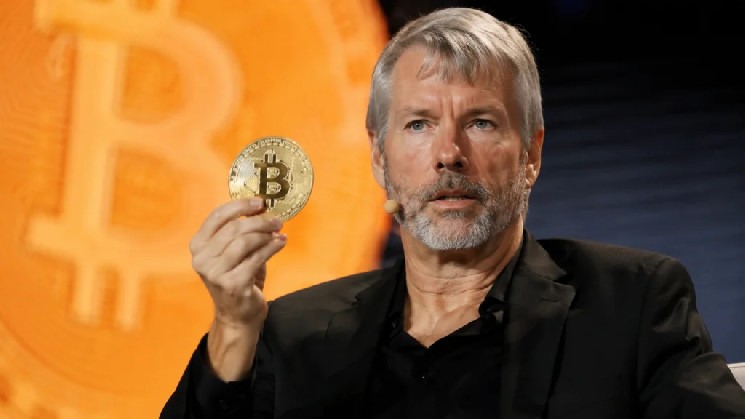
Tom Lee's Core Investment Logic for 2026: Companies Selling Scarce Assets Are Crushing the Market

链捕手Dipublikasikan tanggal 2026-05-10Terakhir diperbarui pada 2026-05-10

Abstrak

Tom Lee, founder of Fundstrat and manager of the Granny Shots fund, argues "scarcity" is the core investment theme for 2026. His thesis states companies selling "scarce assets"—products or services with structurally constrained supply and explosively growing demand—are dominating the market due to strong pricing power. He identifies three key scarcity areas: 1) AI compute (e.g., NVIDIA, AMD), limited by advanced chip manufacturing capacity; 2) AI memory/HBM (e.g., Micron), facing complex production challenges; and 3) energy infrastructure (e.g., GE Vernova), with long lead times for equipment needed to power booming data centers. Lee provides a macro trading framework: peaking oil prices signal lower inflation and potential Fed rate cuts, which benefit growth assets like the S&P 500 and Magnificent 7 stocks. Despite the S&P reaching his initial 7300 target, he sees a potential "feel-like-a-bear-market" mid-year pullback as a buying opportunity, raising his year-end target to 7700. Investment themes are prioritized as: 1) Global labor scarcity + AI automation, 2) Cybersecurity + energy security. The conclusion is that identifying companies benefiting from fundamental supply-demand imbalances, not just chasing rallies, is the path to outperformance in 2026.

Original Title: Tom Lee's Core Investment Logic for 2026: 'Companies Selling Scarce Assets Are Crushing the Market'

Original Author: Chris Lee

Tom Lee, one of Wall Street's most accurate bulls and founder of Fundstrat and manager of the Granny Shots fund, recently stated that the single most crucial investment keyword for the 2026 market is 'scarcity.' He bluntly said, 'Companies selling scarce assets are crushing the market.' This seemingly simple statement contains a complete stock-picking logic, macro judgment, and profound bets on Federal Reserve policy and geopolitics.

I. Core Definition and Logic of Scarce Assets

The 'scarce assets' defined by Tom Lee are not traditional scarce goods like gold or collectibles, but **products or services where supply is severely constrained while demand is exploding.** This structural supply-demand mismatch grants sellers extremely strong pricing power, thereby driving excess returns.

He specifically highlights three key scarcity areas:

1. AI Computing Power: Companies like NVIDIA, AMD, and Intel. Training and running AI large models require massive amounts of GPUs and accelerator chips, but capacity expansion for TSMC's advanced nodes, CoWoS packaging, etc., faces physical limits. According to reports, the AI chip supply chain tightness will last at least until the end of 2026.

2. AI Memory (HBM High-Bandwidth Memory): Manufacturers like Micron and SanDisk. In AI servers, HBM is a bottleneck as critical as GPUs, with complex manufacturing processes and slow yield improvements; capacity is already fully booked by giants like NVIDIA.

3. Energy Infrastructure: Companies like GE Vernova (GEV). Data center power demand is exploding; by 2030, North American data center electricity consumption is projected to account for 9-10% of total power generation (only 3-4% in 2025). Delivery cycles for large equipment like gas turbines and transformers are as long as 2-3 years, with extremely slow capacity expansion.

Logical Chain: The demand brought by the AI revolution is explosive, while physical, process-related, and time constraints on the supply side cannot match it quickly. This imbalance is not a short-term phenomenon but a structural opportunity that will persist through 2026. Precisely because of this, these companies have high gross margins, strong pricing power, and their performance and stock prices far exceed market averages. This is also the core strategy of the Granny Shots fund - focusing on 'companies selling scarce things.' The fund's AUM has surpassed $4 billion, with capital voting with its feet.

II. Macro Background and Practical Trading Framework

Tom Lee emphasizes that the market is currently in a 'fog of war' with persistent geopolitical risks. However, he observes that oil prices may have peaked and provides a clear trading framework: when oil prices fall, buy assets negatively correlated with oil prices, including the S&P 500, Ethereum, and the Mag7 (Magnificent 7).

The logic is: Falling oil prices → easing inflationary pressures → increased expectations for Fed rate cuts → benefiting growth stocks and risk assets. While conflicts may push oil prices higher, a peak and subsequent decline in oil prices can instead become a positive signal to buy growth stocks. This provides investors with a practical guide for contrarian action in an uncertain environment.

III. Strong Earnings and Full-Year Market Outlook

This quarter's earnings season has been exceptionally bright: among companies that have reported, 87% exceeded expectations, by a significant margin of 19%. Tom Lee points out this is 'emerging market-level' earnings growth happening in the US, with the core driver being the productivity revolution brought by AI.

Market Path Judgment:

The S&P 500 has reached the 7,300 point target predicted at the start of the year, but **now is not the time to sell**.

A 'bear market-like' correction may occur mid-year, potentially driven by the market testing a new Fed chair or extended geopolitical conflicts.

Following the correction, a rebound is expected, with the full-year target revised up to at least 7,700 points, maintaining an overall bullish view.

He specifically reminds: The Mag7, cryptocurrency, and software sectors have already experienced one bear market-like episode. Investors shouldn't chase highs at 7,300 points, nor panic during a correction—the correction is precisely a good opportunity to add to positions in scarce assets.

IV. Theme Prioritization and Real-World Implications

Tom Lee ranks investment themes as follows:

1. Global Labor Scarcity + AI (Top Priority): An aging population pushes up labor costs, forcing companies to replace human labor with AI and automation—a structural trend lasting a decade.

2. Cybersecurity + Energy Security (Second Priority): Geopolitical tensions are prompting countries to increase investment in related infrastructure.

3. Seasonal Factors.

Last week's performance of Granny Shots stocks also validated this framework: top gainers like Qantas, Google, Caterpillar, Tesla, and AMD all fit the scarcity logic; some short-term pullbacks (e.g., GE Vernova, Sofi) were mostly due to guidance falling short of the market's exceedingly high expectations—normal volatility that doesn't change the long-term trend.

Conclusion: The Investment Code for 2026 is 'Scarcity'

Tom Lee's complete logical chain is clear and powerful: AI-driven structural demand + supply constraints = pricing power and excess returns for scarce assets. Amid macro uncertainty, peaking oil prices are a signal for growth stocks, a mid-year correction is an opportunity to add positions, and the full-year S&P 500 may challenge 7,700 points.

For investors, the real takeaway is not simply chasing rallies, but shifting mindset: from 'what's rising' to 'why it's rising.' Only by seizing companies with constrained supply and exploding demand can one achieve sustained excess returns in 2026. Scarcity is not a concept; it's the tangible, hard constraint of supply and demand—this is precisely the most important investment framework Tom Lee leaves for the market.


Kripto yang Sedang Tren

Pertanyaan Terkait

QAccording to Tom Lee, what is the single most important investment keyword for 2026?

AScarcity.

QWhat is Tom Lee's definition of 'scarce assets' in the context of this article?

AScarce assets are products or services where supply is severely constrained while demand is experiencing explosive growth. This structural supply-demand mismatch gives sellers strong pricing power.

QWhat are the three primary categories of scarce assets that Tom Lee highlights?

AThe three categories are: 1. AI computing power (e.g., NVIDIA, AMD, Intel), 2. AI memory/HBM (e.g., Micron, SanDisk), and 3. Energy infrastructure (e.g., GE Vernova).

QWhat is the practical trading framework Tom Lee suggests based on oil price movements?

AHe suggests that when oil prices decline, investors should buy assets negatively correlated with oil, such as the S&P 500, Ethereum, and the Magnificent 7 (Mag7). The logic is that lower oil prices ease inflation pressure, increase expectations for Fed rate cuts, and benefit growth stocks and risk assets.

QWhat is Tom Lee's outlook for the S&P 500 index, including his key advice regarding market pullbacks?

AHe believes the S&P 500, having reached his initial 7300-point target, still has room to rise, with a full-year target of at least 7700 points. He expects a 'feel like a bear market' pullback mid-year but advises investors not to panic. Instead, he views such a pullback as an opportunity to add positions in scarce assets.

Bacaan Terkait

Meta Ikut Arus Pasar Prediksi, Bisakah Menghindari Jalan Gagal Metaverse?

**TL;DR:** * **Meta Masuki Pasar Prediksi:** Meta (perusahaan induk Facebook, Instagram, WhatsApp) membentuk tim kecil untuk mengembangkan aplikasi pasar prediksi bernama kode "Arena". Pengguna dapat bertaruh menggunakan poin (bukan uang sungguhan) pada hasil acara politik, olahraga, dan isu global. * **Peluang Besar Berbasis Pengguna:** Pasar prediksi (seperti Polymarket dan Kalshi) menunjukkan permintaan nyata dengan volume perdagangan miliaran dolar. Meta memiliki aset utama: 3,56 miliar pengguna aktif harian. Ini berpotensi membawa pasar niche ini ke audiens mainstream. * **Tantangan Besar: Regulasi dan Kepercayaan:** Meta memiliki catatan buruk dalam menangani informasi politik/misinfo dan proyek keuangan (seperti Libra/Diem yang gagal). Arena yang fokus pada konten sensitif (pemilu) bisa menjadi target regulator (seperti CFTC) sejak dini, terutama terkait integritas pasar dan potensi penyalahgunaan informasi. Skala pengguna Meta justru bisa memperbesar kontroversi. * **Perbandingan dengan Metaverse:** Keputusan ini kontras dengan investasi besar dan merugi di Metaverse (Reality Labs rugi ~$900 miliar). Membangun pasar prediksi secara software lebih murah dan menangkap tren yang sudah ada, dibanding menciptakan kebiasaan baru seperti di Metaverse. * **Masa Depan Arena:** Versi awal kemungkinan adalah fitur prediksi sosial non-uang di platform Meta (Instagram, Facebook Groups). Ini bisa memperluas pasar. Namun, untuk berkembang ke perdagangan berbasis uang sungguhan, Meta harus membangun kepercayaan yang saat ini rendah di mata regulator dan publik. Keberhasilan tidak dijamin hanya dengan skala pengguna.

Foresight News31m yang lalu

Meta Ikut Arus Pasar Prediksi, Bisakah Menghindari Jalan Gagal Metaverse?

Foresight News31m yang lalu

Hari Pertama Naik Gila 1200%, Insinyur Penjualan Kelahiran 80-an Berbalik Nasib, dari Jual Fiberglass hingga Kekayaan Rp290 Triliun

N臻bo (perusahaan komponen peralatan semikonduktor, dengan kode "N Zhenbao") meledak 1207% pada hari pertama penawaran umum perdana (IPO) di pasar STAR, menjadi saham "10 kali lipat" kedua tahun ini di ChiNext. Harga penutupan 585 yuan menempatkannya di 20 besar harga saham pasar A. Didukung oleh seluruh rantai industri semikonduktor (termasuk Dana Nasional IC Fase II, SMIC, BOE, YMTC), perusahaan ini disebut "saham pertama bahan habis pakai semikonduktor". Konsep bisnisnya dibandingkan dengan menjual "plester luka" bukan "pisau bedah": komponen kunci seperti cincin silikon dan kuarsa adalah bahan habis pakai yang perlu diganti secara berkala saat pabrik wafer beroperasi, menghasilkan arus kas yang stabil. Pendiri Wang Bing, seorang insinyur penjualan kelahiran 1980-an, melihat masalah ketergantungan pada pemasok luar negeri dan rantai pasokan yang tidak stabil. Ia membangun rantai tertutup "bahan baku + komponen + perawatan permukaan" untuk menawarkan solusi dengan kinerja 80%, harga 50%, namun kecepatan pengiriman dan respons 100%. Kliennya mencakup produsen domestik (BOE, Nexchip, CSMC) dan internasional (SK Hynix, GlobalFoundries, UMC, Texas Instruments). Data 2024 menunjukkan pangsa pasar #1 untuk komponen silikon (4,5%) dan kuarsa (8,8%) di antara pemasok lokal yang melayani pabrik wafer secara langsung. IPO mengumpulkan 1,6 miliar yuan untuk ekspansi kapasitas, namun akan menambah beban penyusutan tahunan ~72,77 juta yuan, berpotensi mempengaruhi laba (laba bersih 2025: 226 juta yuan). Pertumbuhan pendapatan 2022-2025 solid (3,86B ke 8,46B yuan), tetapi tantangan termasuk siklus kuat industri semikonduktor, persaingan dari pemain Jepang, dan risiko operasional. Piutang usaha mencapai 70,83% dari pendapatan pada pertengahan 2025, menunjukkan tekanan likuiditas. Kecukupan atribut inovasi juga dipertanyakan karena fluktuasi signifikan jumlah staf R&D sebelum dan sesudah IPO, serta manajemen pencatatan R&D yang kurang ketat.

marsbit38m yang lalu

Hari Pertama Naik Gila 1200%, Insinyur Penjualan Kelahiran 80-an Berbalik Nasib, dari Jual Fiberglass hingga Kekayaan Rp290 Triliun

marsbit38m yang lalu

Trading

Spot
Futures

Artikel Populer

Cara Membeli SCA

Selamat datang di HTX.com! Kami telah membuat pembelian Scallop (SCA) menjadi mudah dan nyaman. Ikuti panduan langkah demi langkah kami untuk memulai perjalanan kripto Anda.Langkah 1: Buat Akun HTX AndaGunakan alamat email atau nomor ponsel Anda untuk mendaftar akun gratis di HTX. Rasakan perjalanan pendaftaran yang mudah dan buka semua fitur.Dapatkan Akun SayaLangkah 2: Buka Beli Kripto, lalu Pilih Metode Pembayaran AndaKartu Kredit/Debit: Gunakan Visa atau Mastercard Anda untuk membeli Scallop (SCA) secara instan.Saldo: Gunakan dana dari saldo akun HTX Anda untuk melakukan trading dengan lancar.Pihak Ketiga: Kami telah menambahkan metode pembayaran populer seperti Google Pay dan Apple Pay untuk meningkatkan kenyamanan.P2P: Lakukan trading langsung dengan pengguna lain di HTX.Over-the-Counter (OTC): Kami menawarkan layanan yang dibuat khusus dan kurs yang kompetitif bagi para trader.Langkah 3: Simpan Scallop (SCA) AndaSetelah melakukan pembelian, simpan Scallop (SCA) di akun HTX Anda. Selain itu, Anda dapat mengirimkannya ke tempat lain melalui transfer blockchain atau menggunakannya untuk memperdagangkan mata uang kripto lainnya.Langkah 4: Lakukan trading Scallop (SCA)Lakukan trading Scallop (SCA) dengan mudah di pasar spot HTX. Cukup akses akun Anda, pilih pasangan perdagangan, jalankan trading, lalu pantau secara real-time. Kami menawarkan pengalaman yang ramah pengguna baik untuk pemula maupun trader berpengalaman.

110 Total TayanganDipublikasikan pada 2024.12.11Diperbarui pada 2026.06.02

Cara Membeli SCA

Diskusi

Selamat datang di Komunitas HTX. Di sini, Anda bisa terus mendapatkan informasi terbaru tentang perkembangan platform terkini dan mendapatkan akses ke wawasan pasar profesional. Pendapat pengguna mengenai harga SCA (SCA) disajikan di bawah ini.

活动图片