World Unveils Full-Stack World ID Upgrade to Power Proof of Human

TheNewsCryptoDipublikasikan tanggal 2026-04-18Terakhir diperbarui pada 2026-04-18

Abstrak

World has launched World ID 4.0, a major upgrade to its identity protocol designed to serve as a universal proof of human in digital environments. The system verifies that users are real, unique humans without collecting or exposing personal data, relying instead on cryptographic methods and one-time nullifiers to ensure privacy and prevent tracking. Already used by 18 million people across 160 countries, World ID enables seamless, anonymous authentication across platforms. It introduces a dedicated app for credential management and an open-source SDK for developers. Applications include reducing bots on social media, ensuring fair access in ticketing systems, improving security in enterprise settings through "human continuity," and enabling accountability for AI agents via "human-backed AI" tools. The protocol aims to make proof of humanity a foundational, privacy-preserving layer of the internet—establishing trust through cryptographic verification rather than personal data disclosure.

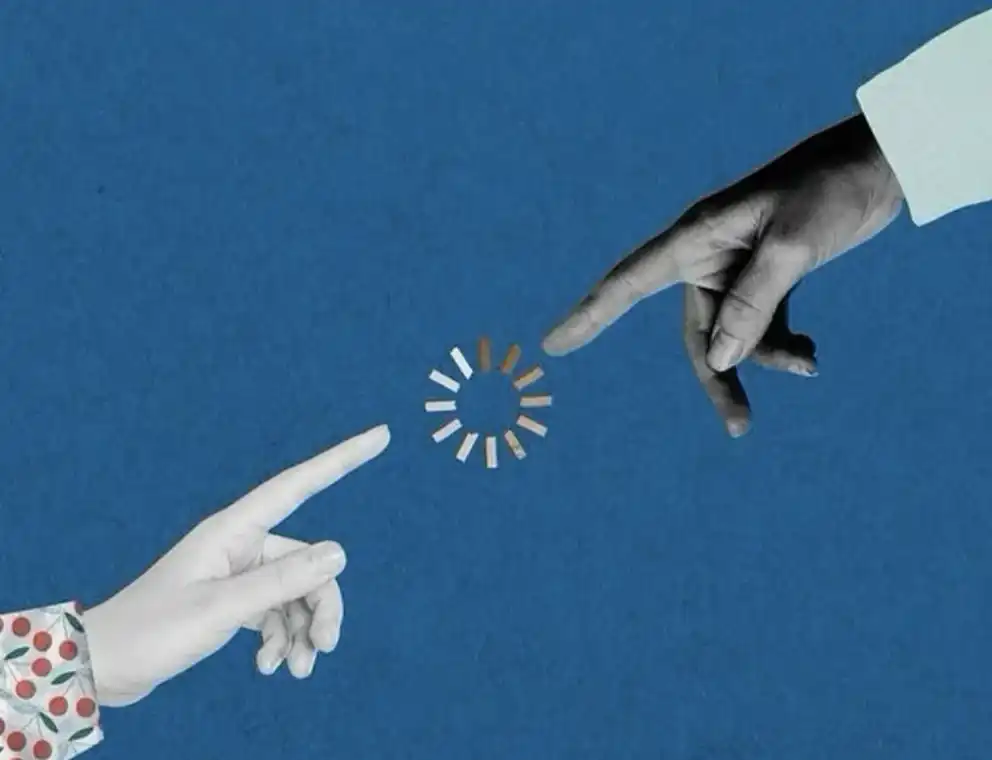
In an internet increasingly shaped by automation, bots, and AI-driven interactions, one fundamental question is becoming harder to answer: is there a real person on the other side? World is attempting to solve this problem at scale with the latest upgrade World ID 4.0 to its identity protocol, introducing a new version of World ID designed to act as a universal proof of human across digital environments.

This upgrade marks a significant shift in how identity is handled online. Rather than relying on usernames, passwords, or even devices, World ID focuses on verifying the individual behind the screen without exposing personal data. It is not about who someone is, but about confirming that they are real, unique, and human.

The timing of this release reflects the rapid expansion of what World calls the “real human network.” With participation spanning more than 160 countries and nearly 18 million individuals already verified, expectations around security, usability, and scalability have evolved. Both enterprises and everyday users now demand systems that are not only secure, but also private, portable, and resilient.

A New Architecture for Digital Identity

At the core of the upgraded World ID is a redesigned architecture that prioritizes privacy and self-custody. Users can manage their credentials, recover access if needed, and interact seamlessly across platforms, all while maintaining anonymity. The system ensures that no personal information is stored or shared, relying instead on advanced cryptographic methods to confirm authenticity.

One of the key technical features enabling this is the use of one-time nullifiers, which prevent different interactions from being linked together. This design choice ensures that while a person can repeatedly prove they are human, their activity cannot be tracked across platforms.

The protocol is also moving toward greater openness. By releasing an open-source software development kit, World allows developers to integrate proof of human into their own applications. This creates a flexible ecosystem where multiple apps can act as authenticators, rather than relying on a single centralized system.

Complementing this is the introduction of the World ID app, a dedicated interface where users can manage their identity, store credentials, and verify themselves across services. Over time, this app is expected to become a central hub for interacting with digital platforms that require human verification.

Building Trust in Consumer Platforms

The implications of proof of human extend far beyond technical infrastructure. In consumer-facing platforms, the ability to confirm that users are real people can fundamentally change the quality of online interactions.

Social platforms, gaming environments, and ticketing systems are all grappling with the impact of bots. Fake accounts distort conversations, automated scripts dominate competitive environments, and ticket scalping bots prevent genuine fans from accessing live events.

World ID is positioning itself as a solution to these challenges by acting as a trust layer beneath these platforms. Once verified, users can demonstrate their authenticity without revealing personal details, creating a safer and more reliable environment for interaction.

In online dating, for example, verified profiles can help reduce concerns about fake accounts and impersonation. In gaming, proof of human ensures fair competition by limiting automated participation. In ticketing, it opens the door to systems where access is reserved for real individuals rather than automated buyers.

A notable example of this application is the introduction of Concert Kit, a tool designed to give artists greater control over ticket distribution. By reserving tickets for verified humans, it aims to reduce the influence of bots and ensure that real fans have fair access to live events.

Enterprise Adoption and Human Continuity

For businesses, the new World ID introduces a concept that goes beyond traditional security models: human continuity. Current systems are effective at verifying devices and credentials, but they often fail to confirm whether the actual user is present.

This gap has become increasingly problematic as cyber threats evolve. Phishing attacks, credential theft, and session hijacking all exploit the assumption that possession of a device or password equals identity.

World ID addresses this by verifying the human directly. It enables systems to confirm that the same real individual is present across multiple interactions, without exposing any personal data. This approach adds a new layer of assurance to existing security frameworks.

The protocol now includes features such as multi-key support, key rotation, recovery mechanisms, and session management, making it suitable for enterprise deployment at scale. Integration tools like IDKit allow developers to incorporate these capabilities into existing systems with relative ease.

Several early use cases highlight the potential of this approach. In video conferencing, proof of human can help protect against deepfake impersonation by confirming that participants are real individuals. In digital agreements, it ensures that actions are authorized by a human rather than automated processes. Even in email communication, it can provide assurance that messages originate from verified individuals.

Powering the Next Generation of AI Interaction

As AI agents become more capable and widely used, the need for accountability grows. These agents can perform tasks, make decisions, and interact with systems on behalf of users, but existing infrastructure lacks a reliable way to confirm that a human is behind those actions.

World ID extends its functionality into this emerging space by enabling what it describes as “human-backed AI.” Through tools like AgentKit, developers can build systems where agents carry proof of the human they represent, request approval for sensitive actions, and operate within defined boundaries.

This introduces a new level of trust into automated workflows. Services can verify that actions taken by agents are ultimately tied to real individuals, reducing the risk of abuse while maintaining user privacy.

Toward a More Human Internet

The broader vision behind World ID is to establish proof of human as a foundational layer of the internet. Just as protocols for communication and data transfer underpin today’s digital world, identity verification may become a core component of future systems.

What sets this approach apart is its emphasis on privacy. Unlike traditional identity systems that rely on collecting and storing personal data, World ID uses cryptographic proofs to confirm authenticity without revealing any additional information. There is no central database, no personal profiles, and no tracking of user activity.

As digital interactions continue to evolve, the distinction between humans and automated systems will become increasingly important. Whether in social platforms, enterprise environments, or AI-driven ecosystems, the ability to verify that a real person is present may shape the next generation of online experiences.

With its latest upgrade, World ID is positioning itself at the center of this transformation, offering a system where trust is built not on identity disclosure, but on proof of humanity itself.


TagsAltcoinBlockchain

Pertanyaan Terkait

QWhat is the primary goal of the World ID 4.0 upgrade?

AThe primary goal of World ID 4.0 is to provide a universal proof of human across digital environments, verifying that users are real, unique individuals without exposing personal data.

QHow does World ID ensure user privacy and prevent tracking across platforms?

AWorld ID uses one-time nullifiers and advanced cryptographic methods to prevent different interactions from being linked, ensuring activity cannot be tracked while allowing repeated proof of humanity.

QWhat are some consumer-facing applications where World ID can improve trust and reliability?

AWorld ID can enhance trust in social platforms by reducing fake accounts, ensure fair competition in gaming by limiting bots, and prevent ticket scalping in events through tools like Concert Kit.

QHow does World ID address enterprise security challenges like phishing or session hijacking?

AWorld ID verifies the human directly rather than relying on devices or credentials, enabling systems to confirm the same real individual is present across interactions without exposing personal data.

QHow does World ID integrate with AI systems to ensure accountability?

AThrough tools like AgentKit, World ID enables 'human-backed AI' where agents carry proof of the human they represent, request approval for sensitive actions, and operate within defined boundaries to reduce abuse risks.

Bacaan Terkait

Debut Wash: Ketua FED yang Paling Paham Crypto Sepanjang Sejarah Akan Datangkan Kejutan atau Teror Bagi Pasar?

**Penampilan Perdana Kevin Warsh: Ketua Fed Paling Paham Crypto, Akan Bawa Kejutan atau Kekhawatiran?** Ketua Federal Reserve yang baru, Kevin Warsh, bersiap untuk konferensi pers kebijakan moneter pertamanya di tengah situasi sulit: inflasi yang bangkit kembali, tekanan pasar untuk menaikkan suku bunga, dan desakan Presiden Trump untuk menurunkan suku bunga. Yang unik, Warsh adalah ketua Fed pertama yang secara terbuka memiliki portofolio investasi tidak langsung yang signifikan di aset kripto dan perusahaan Web3, mencakup berbagai sektor seperti blockchain, DeFi, dan infrastruktur pembayaran. Pemahaman pribadinya tentang teknologi ini berbeda dengan pendahulunya. Analisis kebijakannya berfokus pada dua hal: **sikap hawkish melawan inflasi** yang mungkin berarti lingkungan suku bunga ketat, dan **sikap ramah terhadap aset digital** yang bisa membawa perubahan regulasi dari "pencegahan" menjadi "integrasi dan inovasi". Dampak pada pasar kripto dapat dilihat dari: **pergeseran ekspektasi regulasi** yang lebih mendukung, **penetapan ulang premi risiko** bergantung pada komunikasi kebijakan yang jelas dari Warsh, serta **aliran modal global** yang mungkin mengalir lebih deras ke aset kripto karena legitimasi yang meningkat. Dua skenario utama untuk penampilan perdananya: 1. **Kejutan:** Gabungan sikap kebijakan moneter yang relatif lunak (dovish) dan sinyal ramah kripto dapat memulihkan sentimen pasar. 2. **Kekhawatiran:** Sinyal hawkish yang lebih keras dari perkiraan, seperti isyarat kenaikan suku bunga, dapat memicu tekanan jual di aset berisiko, termasuk kripto. Meski secara etika Warsh telah menjual semua kepemilikannya terkait kripto, pemahaman mendalamnya tentang blockchain diharapkan dapat membentuk kerangka regulasi yang lebih koheren dan mendukung, menjadi infrastruktur penting bagi arus utama aset kripto dalam jangka panjang.

marsbit4j yang lalu

Debut Wash: Ketua FED yang Paling Paham Crypto Sepanjang Sejarah Akan Datangkan Kejutan atau Teror Bagi Pasar?

marsbit4j yang lalu

AGI Bukan Akhir, Makalah Baru DeepMind: Menuju ASI, Kemajuan AI yang Sesungguhnya Baru Dimulai

Jika Kecerdasan Buatan Umum (AGI) tercapai, apakah itu titik akhir? Tim Google DeepMind dalam laporan terbarunya berpendapat bahwa AGI **bukanlah akhir perjalanan**. AI diprediksi akan terus berkembang melampaui kemampuan tim ahli manusia terbaik, menuju Superintelligence (ASI). Laporan ini membedakan tiga konsep: AGI (kecerdasan setara manusia rata-rata), ASI (melampaui manusia di hampir semua bidang), dan UAI (batas teoretis maksimal). Transisi dari AGI ke ASI dapat melalui empat jalur potensial: 1. **Ekspansi Lanjutan**: Meningkatkan skala komputasi, model, dan data. 2. **Inovasi Algoritma**: Penyempurnaan paradigma yang ada atau pergeseran paradigma baru. 3. **Peningkatan Diri Secara Rekursif**: AI yang lebih kuat membantu mengembangkan generasi AI berikutnya yang lebih kuat. 4. **Koordinasi Multi-Agen**: Kecerdasan kolektif dari banyak sistem AGI yang berkolaborasi. Namun, terdapat enam kemacetan potensial: dinding data, tekanan sumber daya ekonomi & alam, batasan paradigma jaringan saraf saat ini, meningkatnya kesulitan penelitian, hambatan abstraksi, serta tantangan regulasi dan penerimaan sosial. Laporan ini juga menyoroti bahwa jika AI melampaui manusia, sistem evaluasi (benchmark) yang ada menjadi tidak relevan. Diperlukan kerangka pengukuran baru, seperti tugas kolaborasi/kompetisi multi-agen, pengujian yang dihasilkan otomatis, atau indikator tidak langsung seperti produktivitas ekonomi. ASI bukanlah sistem ajaib yang mahatahu; perkembangannya tetap dibatasi oleh hukum fisika, kompleksitas komputasi, data, sumber daya, dan umpan balik dunia nyata. Arah dan kecepatan kemajuan AI masih penuh ketidakpastian, sehingga memerlukan penelitian, prediksi, dan mekanisme evaluasi yang terus diperbarui.

marsbit6j yang lalu

AGI Bukan Akhir, Makalah Baru DeepMind: Menuju ASI, Kemajuan AI yang Sesungguhnya Baru Dimulai

marsbit6j yang lalu

Trading

Spot
Futures

Artikel Populer

Cara Membeli ID

Selamat datang di HTX.com! Kami telah membuat pembelian SPACE ID (ID) menjadi mudah dan nyaman. Ikuti panduan langkah demi langkah kami untuk memulai perjalanan kripto Anda.Langkah 1: Buat Akun HTX AndaGunakan alamat email atau nomor ponsel Anda untuk mendaftar akun gratis di HTX. Rasakan perjalanan pendaftaran yang mudah dan buka semua fitur.Dapatkan Akun SayaLangkah 2: Buka Beli Kripto, lalu Pilih Metode Pembayaran AndaKartu Kredit/Debit: Gunakan Visa atau Mastercard Anda untuk membeli SPACE ID (ID) secara instan.Saldo: Gunakan dana dari saldo akun HTX Anda untuk melakukan trading dengan lancar.Pihak Ketiga: Kami telah menambahkan metode pembayaran populer seperti Google Pay dan Apple Pay untuk meningkatkan kenyamanan.P2P: Lakukan trading langsung dengan pengguna lain di HTX.Over-the-Counter (OTC): Kami menawarkan layanan yang dibuat khusus dan kurs yang kompetitif bagi para trader.Langkah 3: Simpan SPACE ID (ID) AndaSetelah melakukan pembelian, simpan SPACE ID (ID) di akun HTX Anda. Selain itu, Anda dapat mengirimkannya ke tempat lain melalui transfer blockchain atau menggunakannya untuk memperdagangkan mata uang kripto lainnya.Langkah 4: Lakukan trading SPACE ID (ID)Lakukan trading SPACE ID (ID) dengan mudah di pasar spot HTX. Cukup akses akun Anda, pilih pasangan perdagangan, jalankan trading, lalu pantau secara real-time. Kami menawarkan pengalaman yang ramah pengguna baik untuk pemula maupun trader berpengalaman.

262 Total TayanganDipublikasikan pada 2024.12.12Diperbarui pada 2026.06.02

Cara Membeli ID

Diskusi

Selamat datang di Komunitas HTX. Di sini, Anda bisa terus mendapatkan informasi terbaru tentang perkembangan platform terkini dan mendapatkan akses ke wawasan pasar profesional. Pendapat pengguna mengenai harga ID (ID) disajikan di bawah ini.

活动图片