Insufficient Stablecoin Supervision? Nobel Economics Laureate Warns Of Potential Financial Crisis

bitcoinistDipublikasikan tanggal 2025-09-03Terakhir diperbarui pada 2025-09-03

Abstrak

As stablecoin’s momentum continues to surge worldwide, 2014 Nobel Prize-winning economist Jean Tirole recently warned about the risks of a...

Trusted Editorial content, reviewed by leading industry experts and seasoned editors. Ad Disclosure

As stablecoin’s momentum continues to surge worldwide, 2014 Nobel Prize-winning economist Jean Tirole recently warned about the risks of a potential financial crisis due to the “insufficient supervision” in the sector.

Economist Warns Of Multibillion-Dollar Crisis

On Monday, Jean Tirole shared his concerns about inadequate stablecoin oversight amid the recent momentum in the sector, affirming that he was “very, very worried” about the lack of sufficient supervision and the potential hidden risks that it could entail.

In an interview with the Financial Times (FT), the professor at the Toulouse School of Economics warned of the possibility that governments could be forced into “multibillion-dollar bailouts” if the digital assets, which are considered “a perfectly safe deposit” by retail traders, unravel in a future financial crisis.

He also cautioned that backing stablecoins with US government bonds could become unpopular due to the underlying assets’ relatively low yields, noting previous cases when the returns of Treasury debt were negative for several years and payouts after inflation were even lower.

Notably, digital assets pegged to the US dollar are required to be backed on a one-to-one basis by US dollars or Treasury bills after the enactment of the Guiding and Establishing National Innovation for U.S. Stablecoins (GENIUS) Act in July.

As reported by Bitcoinist, US Treasury Secretary Scott Bessent is allegedly “betting” on the crypto industry to become a key buyer of US Treasuries in the coming years. According to a previous FT report, Bessent has signaled to Wall Street that he expects the industry to “become an important source of demand for US government bonds” as Washington seeks to bolster demand for a surge of new US government debt.

The Treasury Secretary has reportedly contacted leading stablecoin issuers, like Circle and Tether, for information, signaling the Treasury Department’s alleged plans to increase sales of short-term bills for the coming quarters. Nonetheless, the Global Chief Economist at financial services firm UBS, Paul Donovan, doesn’t believe that the sector will boost the demand for US government bonds.

Donovan considers that “stablecoins are more about redistributing the money supply,” adding that “someone selling Treasury bills to buy stablecoins, which invest the money in Treasury bills, does not change demand for U.S. debt instruments.”

Better Stablecoin Oversight Required

Following the global push for the sector, the stablecoin market has risen to over $280 billion. Last month, Goldman Sachs affirmed that the industry is “at the beginning of a stablecoin gold rush,” which could potentially bring the global market to trillions of dollars.

Tirole considers that stablecoin issuers could be “lured into the temptation” to invest in other assets that “carry higher returns and are riskier.” The higher risk would increase the chance of a potential crisis, triggering a run on the tokens.

“If it is held by retail or institutional depositors who thought it was a perfectly safe deposit, then the government will be under a lot of pressure to rescue the depositors so they don’t lose their money,” he detailed, adding that only a few uninsured depositors of traditional banks ever faced losses over the past decades.

The economist explained that the potential risks could be managed if global supervisors had enough resources and were incentivized to act carefully. However, he warned this was a “big if,” citing personal and political interests of members of “some key members of the [US] administration.”

Nonetheless, the US Treasury Secretary considers that the recent regulatory advancements are sufficient to drive the sector’s growth. “The GENIUS Act provides the fast-growing market with the regulatory clarity it needs to grow into a multitrillion-dollar industry,” Bessent said in July.
stablecoin, bitcoin, btc, btcusdt

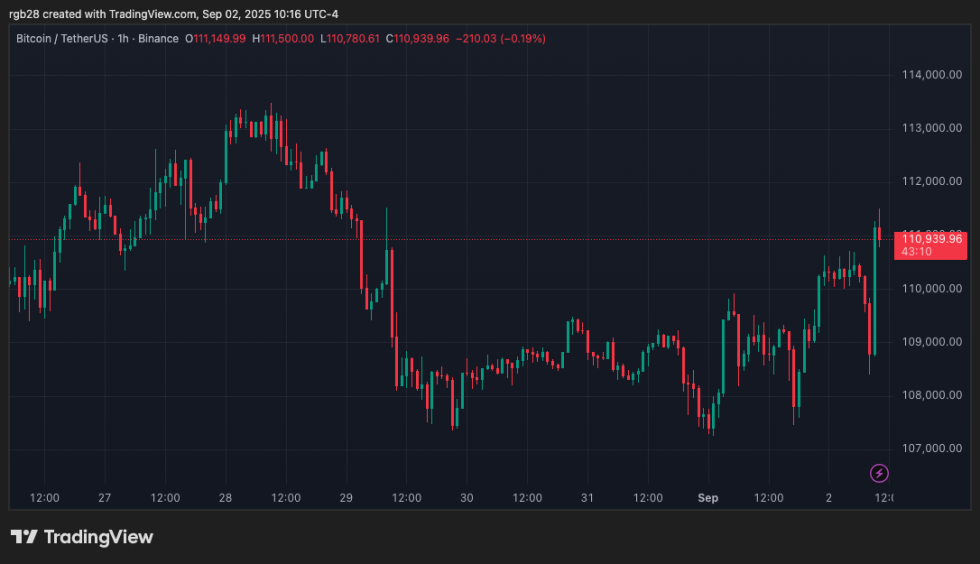
Bitcoin (BTC) trades at $110,939 in the one-week chart. Source: BTCUSDT on TradingView
Featured Image from Unsplash.com, Chart from TradingView.com
Editorial Process for bitcoinist is centered on delivering thoroughly researched, accurate, and unbiased content. We uphold strict sourcing standards, and each page undergoes diligent review by our team of top technology experts and seasoned editors. This process ensures the integrity, relevance, and value of our content for our readers.

Rubmar is a crypto enthusiast who likes learning and improving constantly. She enjoys reporting on the latest news and developments in the crypto industry. Rubmar also enjoys scrapbooking, crafting, simulation games, and watching football.

Bacaan Terkait

Model Dunia, Metaverse, Digital Twin, Fisika AI: Apakah Mereka Hal yang Sama?

Dalam beberapa tahun terakhir, konsep seperti metaverse, Web3.0, platform data simulasi, digital twin, dan Physical AI bermunculan, menciptakan kebingungan. Konsep-konsep ini bukanlah hal yang sama dengan Model Dunia (World Model), tetapi semuanya mengarah pada tren besar: kaburnya batas antara dunia digital dan fisik. Model Dunia berperan sebagai "lapisan kognitif" atau "sistem operasi dasar" yang bertanggung jawab agar AI dapat memahami dan mensimulasikan dunia. Analisis hubungannya dengan konsep lain adalah sebagai berikut: 1. **Metaverse**: Ini adalah tujuan atau "ruang pengalaman" imersif. Model Dunia berpotensi menjadi "mesin" atau alat pembuat konten otomatisnya, menghasilkan dunia 3D yang dapat diinteraksi dari teks, sehingga mengatasi hambatan pembuatan konten yang mahal. 2. **Web3.0**: Berfokus pada kepemilikan data, identitas, dan insentif ekonomi berbasis blockchain (masalah aturan/ekonomi). Ini berada di lapisan teknis yang berbeda dengan Model Dunia (masalah rekayasa pemahaman dunia). 3. **Platform Data Simulasi** (mis. untuk mobil otonom): Dapat dilihat sebagai versi 1.0 dari Model Dunia. Platform tradisional mengandalkan pembuatan skenario manual/berbasis aturan, sedangkan Model Dunia (versi 2.0) menggunakan AI untuk menghasilkan variasi skenario yang realistis secara otomatis dan masif. 4. **Digital Twin**: Adalah cermin real-time dari objek fisik (mis. pabrik, kota). Model Dunia melangkah lebih jauh dengan menambahkan kemampuan untuk **memprediksi masa depan** dan mensimulasikan hasil dari berbagai tindakan, bukan hanya mereplikasi keadaan saat ini. 5. **Physical AI** (AI fisik seperti robot, mobil otonom): Model Dunia adalah komponen intinya, khususnya untuk fungsi "memahami" hukum dunia dan memprediksi konsekuensi sebelum bertindak. Ini adalah "korteks otak" yang mensimulasikan sebelum eksekusi. Secara hierarki, Model Dunia berada di **Lapisan Kognitif**, yang mendukung lapisan aplikasi (simulasi, digital twin), lapisan aksi (Physical AI), dan lapisan pengalaman (metaverse). Ia bergantung pada infrastruktur dasar seperti komputasi dan data. Kesimpulannya, Model Dunia bukanlah konsep-konsep tersebut, tetapi ia berpotensi menjadi **sistem operasi** atau fondasi kognitif yang dibutuhkan banyak konsep itu untuk mewujudkan janji-janjinya dalam menghubungkan dan mengaburkan batas antara dunia digital dan fisik.

marsbit3j yang lalu

Model Dunia, Metaverse, Digital Twin, Fisika AI: Apakah Mereka Hal yang Sama?

marsbit3j yang lalu

Membuat CPO "Kaget dan Turun", Bagaimana Cara Kerja Glass Bridge? Penjelasan Resmi dari Corning Telah Tiba

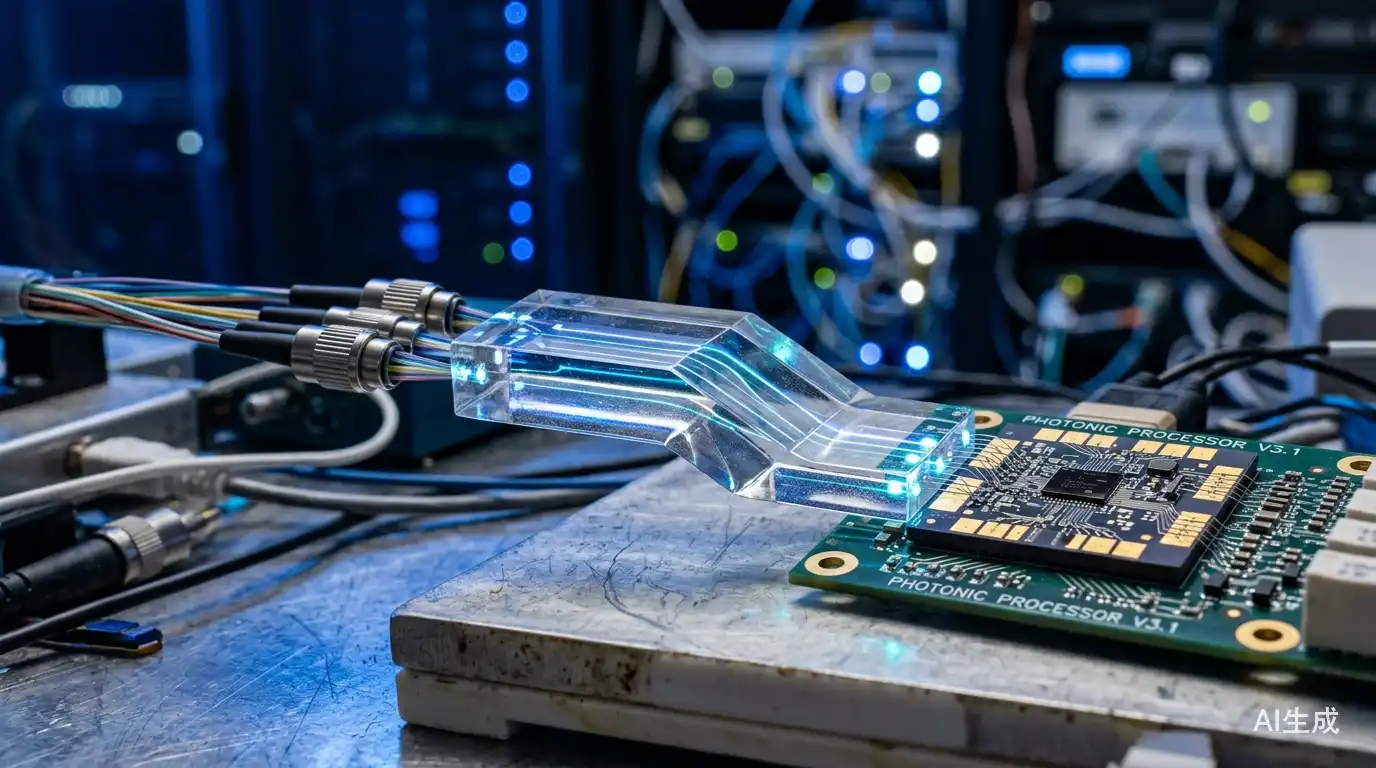
Pada 26 Juni, saham sektor CPO di A-Shares jatuh lebih dari 6%, dipicu oleh peluncuran platform interkoneksi optik "Glass Bridge" oleh raksasa serat optik AS, Corning. Teknologi ini menggunakan pandu gelombang kaca wafer-level untuk penyelarasan pasif antara serat optik dan chip fotonik, yang berpotensi menyederhanakan arsitektur CPO tradisional yang bergantung pada unit array serat (FAU) dan perangkat penyelarasan aktif presisi. Pasar khawatir hal ini akan mengurangi permintaan jangka panjang untuk komponen FAU tradisional. Inti Glass Bridge terletak pada tiga karakteristik: manufaktur wafer-level untuk konsistensi produksi massal, antarmuka koneksi fisik TMT yang terstandarisasi untuk integrasi yang mudah, dan arsitektur konektor densitas tinggi yang dapat dilepas untuk fleksibilitas. Corning menegaskan bahwa Glass Bridge melengkapi, bukan sepenuhnya menggantikan, solusi FAU yang ada, terutama dalam skenario kepadatan sangat tinggi. Reaksi pasar mencerminkan pergeseran nilai dalam industri interkoneksi optik AI. Dana mengalir keluar dari saham CPO dan PCB menengah, beralih ke saham terkait substrat kaca seperti Kaishan Tech dan Dier Laser. Analis melihat substrat kaca sebagai material inti kemasan generasi berikutnya, menawarkan peluang diferensiasi bagi industri domestik, terutama di tengah meningkatnya permintaan komputasi AI dan tantangan paten substrat silikon.

marsbit3j yang lalu

Membuat CPO "Kaget dan Turun", Bagaimana Cara Kerja Glass Bridge? Penjelasan Resmi dari Corning Telah Tiba

marsbit3j yang lalu

Trading

Spot
活动图片