Ripple’s Legal Battle With SEC Continues – Here Are The Facts

bitcoinistDipublikasikan tanggal 2024-09-08Terakhir diperbarui pada 2024-09-08

Abstrak

The long-running legal battle between Ripple and the US Securities and Exchange Commission (SEC) has yet to be concluded despite...

The long-running legal battle between Ripple and the US Securities and Exchange Commission (SEC) has yet to be concluded despite Judge Analisa Torres’ August 7 ruling, which appeared to have ended the case. This follows a recent development showing that the SEC is still considering appealing the court’s ruling. 

Ripple Requests Stay On Monetary Judgement

Ripple recently filed a letter requesting a stay on the court’s monetary judgment awarded against the crypto firm in favor of the Commission. In her judgment delivered on August 7, Torres ruled that Ripple should pay the SEC a fine of $125 million for violating securities laws. 

Ripple was meant to have paid the SEC by September 6. However, the stay request, which Judge Torres granted, showed Ripple would no longer have to pay the $125 million to the SEC until 30 days after the expiration of the time allowed for an appeal with no appeal filed or after a decision by the Court of Appeals resolving any potential appeal.

This suggests that the SEC, which consented to the stay request even before Judge Torres granted it, is still considering appealing the case. As explained by legal expert Fred Rispoli, the Commission likely agreed to this request as they could pay Ripple an interest on the monetary judgment if the crypto firm were to pay now, and the SEC ended up appealing and losing the appeal. 

XRP is currently trading at $0.52. Chart: TradingView

As such, the Commission is content for Ripple to keep the funds in trust while they weigh their options on whether to appeal Judge Torres’ ruling, especially the one in which she declared that XRP wasn’t a security in itself. Rispoli also increased the likelihood of an SEC appeal to 60% following the stay request put forward by Ripple. 

The Commission will have until October 6 to decide on whether to file an appeal. Ripple, on its part, has long made it clear through its CEO, Brad Garlinghouse, and Chief Legal Officer (CLO) Stuart Alderoty that it has no intention to file an appeal as they see the court’s ruling as a victory in their search for legal clarity.  

Ripple Looks To Lobby For More Favorable Conditions For Crypto

Ripple’s legal battle against the SEC seems to have pushed the crypto firm to lobby for more favorable conditions for the crypto industry as it seeks to end the Commission’s enforcement actions against crypto firms. Bitcoinist recently reported that Ripple’s co-founder Chris Larsen was one of 88 corporate leaders who signed a letter endorsing Democratic presidential candidate Kamala Harris. 

Meanwhile, Alderoty had earlier shown support for Republican presidential candidate Donald Trump, donating $300,000 to the former US president’s campaign. Alderoty is believed to have donated because Trump has adopted a pro-crypto stance. Interestingly, Trump has also promised to fire SEC Chair Gary Gensler on his first day in office if elected. Gensler has overseen the Commission’s legal battle against Ripple and is known for his anti-crypto stance. 

Featured image from The New York Times, chart from TradingView

Scott Matherson

Scott Matherson

Scott Matherson is a leading crypto writer at Bitcoinist, who possesses a sharp analytical mind and a deep understanding of the digital currency landscape. Scott has earned a reputation for delivering thought-provoking and well-researched articles that resonate with both newcomers and seasoned crypto enthusiasts. Outside of his writing, Scott is passionate about promoting crypto literacy and often works to educate the public on the potential of blockchain.

Bacaan Terkait

Model Dunia, Metaverse, Digital Twin, Fisika AI: Apakah Mereka Hal yang Sama?

Dalam beberapa tahun terakhir, konsep seperti metaverse, Web3.0, platform data simulasi, digital twin, dan Physical AI bermunculan, menciptakan kebingungan. Konsep-konsep ini bukanlah hal yang sama dengan Model Dunia (World Model), tetapi semuanya mengarah pada tren besar: kaburnya batas antara dunia digital dan fisik. Model Dunia berperan sebagai "lapisan kognitif" atau "sistem operasi dasar" yang bertanggung jawab agar AI dapat memahami dan mensimulasikan dunia. Analisis hubungannya dengan konsep lain adalah sebagai berikut: 1. **Metaverse**: Ini adalah tujuan atau "ruang pengalaman" imersif. Model Dunia berpotensi menjadi "mesin" atau alat pembuat konten otomatisnya, menghasilkan dunia 3D yang dapat diinteraksi dari teks, sehingga mengatasi hambatan pembuatan konten yang mahal. 2. **Web3.0**: Berfokus pada kepemilikan data, identitas, dan insentif ekonomi berbasis blockchain (masalah aturan/ekonomi). Ini berada di lapisan teknis yang berbeda dengan Model Dunia (masalah rekayasa pemahaman dunia). 3. **Platform Data Simulasi** (mis. untuk mobil otonom): Dapat dilihat sebagai versi 1.0 dari Model Dunia. Platform tradisional mengandalkan pembuatan skenario manual/berbasis aturan, sedangkan Model Dunia (versi 2.0) menggunakan AI untuk menghasilkan variasi skenario yang realistis secara otomatis dan masif. 4. **Digital Twin**: Adalah cermin real-time dari objek fisik (mis. pabrik, kota). Model Dunia melangkah lebih jauh dengan menambahkan kemampuan untuk **memprediksi masa depan** dan mensimulasikan hasil dari berbagai tindakan, bukan hanya mereplikasi keadaan saat ini. 5. **Physical AI** (AI fisik seperti robot, mobil otonom): Model Dunia adalah komponen intinya, khususnya untuk fungsi "memahami" hukum dunia dan memprediksi konsekuensi sebelum bertindak. Ini adalah "korteks otak" yang mensimulasikan sebelum eksekusi. Secara hierarki, Model Dunia berada di **Lapisan Kognitif**, yang mendukung lapisan aplikasi (simulasi, digital twin), lapisan aksi (Physical AI), dan lapisan pengalaman (metaverse). Ia bergantung pada infrastruktur dasar seperti komputasi dan data. Kesimpulannya, Model Dunia bukanlah konsep-konsep tersebut, tetapi ia berpotensi menjadi **sistem operasi** atau fondasi kognitif yang dibutuhkan banyak konsep itu untuk mewujudkan janji-janjinya dalam menghubungkan dan mengaburkan batas antara dunia digital dan fisik.

marsbit3j yang lalu

Model Dunia, Metaverse, Digital Twin, Fisika AI: Apakah Mereka Hal yang Sama?

marsbit3j yang lalu

Membuat CPO "Kaget dan Turun", Bagaimana Cara Kerja Glass Bridge? Penjelasan Resmi dari Corning Telah Tiba

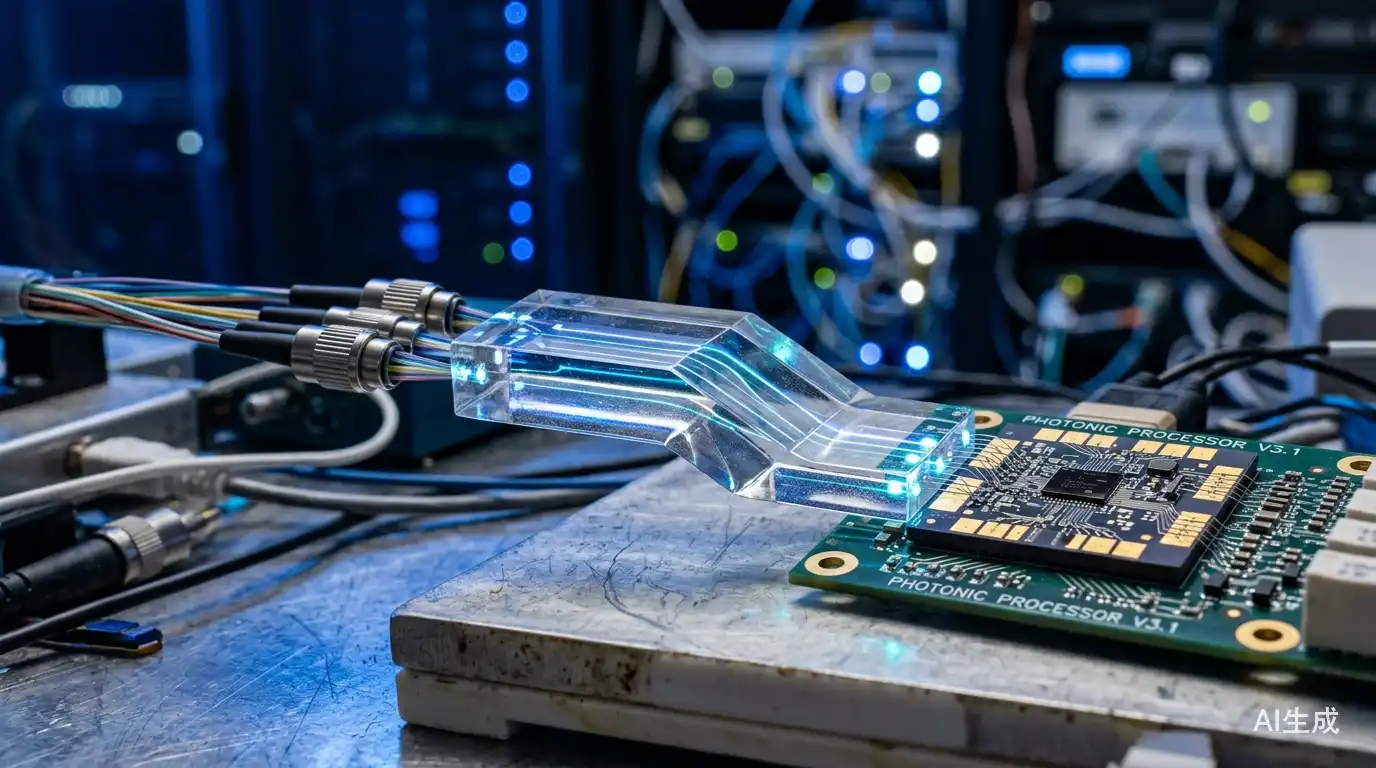
Pada 26 Juni, saham sektor CPO di A-Shares jatuh lebih dari 6%, dipicu oleh peluncuran platform interkoneksi optik "Glass Bridge" oleh raksasa serat optik AS, Corning. Teknologi ini menggunakan pandu gelombang kaca wafer-level untuk penyelarasan pasif antara serat optik dan chip fotonik, yang berpotensi menyederhanakan arsitektur CPO tradisional yang bergantung pada unit array serat (FAU) dan perangkat penyelarasan aktif presisi. Pasar khawatir hal ini akan mengurangi permintaan jangka panjang untuk komponen FAU tradisional. Inti Glass Bridge terletak pada tiga karakteristik: manufaktur wafer-level untuk konsistensi produksi massal, antarmuka koneksi fisik TMT yang terstandarisasi untuk integrasi yang mudah, dan arsitektur konektor densitas tinggi yang dapat dilepas untuk fleksibilitas. Corning menegaskan bahwa Glass Bridge melengkapi, bukan sepenuhnya menggantikan, solusi FAU yang ada, terutama dalam skenario kepadatan sangat tinggi. Reaksi pasar mencerminkan pergeseran nilai dalam industri interkoneksi optik AI. Dana mengalir keluar dari saham CPO dan PCB menengah, beralih ke saham terkait substrat kaca seperti Kaishan Tech dan Dier Laser. Analis melihat substrat kaca sebagai material inti kemasan generasi berikutnya, menawarkan peluang diferensiasi bagi industri domestik, terutama di tengah meningkatnya permintaan komputasi AI dan tantangan paten substrat silikon.

marsbit3j yang lalu

Membuat CPO "Kaget dan Turun", Bagaimana Cara Kerja Glass Bridge? Penjelasan Resmi dari Corning Telah Tiba

marsbit3j yang lalu

Trading

Spot
活动图片