Crypto Industry Cautiously Welcomes Agreement on New EU AML Rules

CoinDeskPolicyDipublikasikan tanggal 2024-01-18Terakhir diperbarui pada 2024-01-19

Abstrak

NFTs, DeFi and outlawing privacy tools might be out, but for crypto firms, requirements for customer checks might be more stringent than for banks, policy watchers told CoinDe...

  • The European Parliament and EU Council have reached a provisional deal on an anti-money laundering regulatory package that applies to crypto.
  • The agreed framework includes requirements for crypto firms to run customer due diligence on transactions of 1,000 euros or more.
  • While the industry is largely satisfied with the outcome of the framework, some feel it may not be as fair as policymakers project.
10

Crypto industry participants worry that new anti-money laundering rules agreed to by European Union policymakers are more stringent than measures that apply to more traditional financial institutions.

EU policymakers struck a deal this week on a comprehensive anti-money laundering regulatory framework, which includes strict requirements for crypto firms.

Under the agreed provisions, service providers will have to comply with stringent customer verification requirements, as well as take measures to mitigate the risks of transactions involving self-hosted wallets and cross-border transfers.

Advertisement
Advertisement

While the stated objective was to level the playing field by applying the same rules for crypto firms and financial institutions, some in the industry worry policymakers’ insistence that digital asset firms are subject to the same money-laundering checks as other financial institutions might be a tad light on truth.

“Despite the enthusiastic press statements of the co-legislators about this agreement, a level-playing field has not been created, as the thresholds for crypto asset service providers and other financial institutions are not equal,” said Robert Kopitsch, secretary-general at the industry advocacy group Blockchain for Europe.

The EU crypto industry also lobbied pretty hard during the legislative session to keep non-fungible tokens (NFT) and decentralized finance (DeFi) out of the package’s scope, and may have even managed to – at least temporarily – prevent r restrictions on privacy-enhancing tools, CoinDesk was told.

The AMLR

The EU made history last year when it finalized the first comprehensive regulatory framework for crypto by a major jurisdiction. Alongside its landmark Markets in Crypto Assets (MiCA) regulation, the bloc also set in place rules for gathering information on crypto transfers (TFR) as part of a much larger Anti-Money Laundering Regulation (AMLR).

The AMLR is a broad-stroke effort by the bloc of 27 European states to combat illicit fund flows and sanctions evasion. It targets everything from jewelry and luxury cars to big football clubs as potential vehicles for laundering funds and caps large cash payments in the EU at 10,000 euros ($10,888).

Advertisement
Advertisement

While the AMLR package isn't final yet, "the main political principles have been agreed," Eero Heinaluoma, a Finnish member of the European Parliament leading negotiations on the regulation said during a Thursday press conference.

Heinaluoma added that technical discussions on crypto-related details – which Kopitsch says won't involve tweaking actual measures so much as making sure the text makes sense on a technical level – will start Friday.

NFTs, DeFi out. Privacy tools MIA?

While there was some heated discussion on whether to include non-fungible tokens (NFT) in the scope of the regulation, Vyara Savova, senior policy lead at the industry advocacy group, the EU Crypto Initiative, said during a Wednesday call that the assets are likely going to stay out of the package.

Tommaso Astazi, head of regulatory affairs at Blockchain for Europe also said NFTs will likely remain beyond the scope of the regulatory package along with decentralized finance (DeFi).

"I think we can be certain that the scope has not been increased. The scope is the one of MiCA," Astazi told CoinDesk in a Thursday interview. Crypto service providers that are captured under MiCA will be subject also to the AMLR, and where they are not – in the case of DeFi and potentially NFTs – the measures don't apply, he explained.

Advertisement
Advertisement

There were concerns that the AMLR would look to outlaw or restrict crypto anonymizing tools after the sanctions against Tornado Cash, and fears that crypto was being used by sanctioned entities like Russia, said Marina Markezic, co-founder of the EU Crypto Initiative, during a Wednesday call.

But it's unclear if discussions involving those tools were continued by policymakers or whether they will be included in the final text, Astazi said on Thursday.

Same rules for banks and crypto firms?

In Heinaluoma’s own words, the AMLR seeks to treat crypto asset service providers the same as credit institutions – with equal obligations for both.

"The most important thing is that totally the same obligations which are now enforced and will be enforced in the future for the banking sector, are also enforced concerning crypto assets business," Heinaluoma said during the Thursday press conference.

"This is important because we know that a lot of money is going from the traditional payments to the crypto area," he added.

According to Kopitsch, the agreed measures apply different thresholds to crypto firms, cash transactions and financial institutions for applying customer due diligence.

The legal texts show that while all regulated entities have to apply customer due diligence to transactions above 10,000 euros, financial and credit institutions as well as crypto firms have to conduct full customer checks on transactions above 1000 euros, Astazi said.

Advertisement
Advertisement

But this is where things differ, according to Astazi.

Crypto firms will also have to do basic know-your-customer (KYC) checks on all occasional transactions, which are transactions that occur outside of business relationships.

“For occasional transactions, they will always still need to identify the customer and verify the customer's identity. Now, this is a change,” said Astazi, adding that right now, firms can do these types of transfers in some EU member states because nations don't always uniformly implement existing AML requirements.

It’s not exactly a hill the industry wanted to die on, especially since it won't really matter to fully regulated entities – but Kopitsch says imposing different thresholds “showcases that the technological advantage of blockchain technology has not been acknowledged.”

“As an industry, we can live with the final outcome of the AMLR negotiations as the alignment of its regulatory scope with MiCA and the TFR has been ensured. This was key,” Kopitsch added.

While it's hard to give an exact timeline, Savova anticipates the technical discussions on the AMLR to be "quite intensive" as policymakers hope to have the package ready for Parliamentary approval in April, ahead of upcoming elections.

“This means that for us, as representatives of the crypto industry, the work on the AMLR continues at an even faster pace,” Savova said.

The regulatory package will need to be formally adopted by Parliament and Council before it can take effect.
Edited by Nikhilesh De.

Bacaan Terkait

Dialog dengan Pendiri Epoch Ventures: Rotasi Dana Besar-besaran Telah Dimulai, Siklus Empat Tahun Telah Berakhir

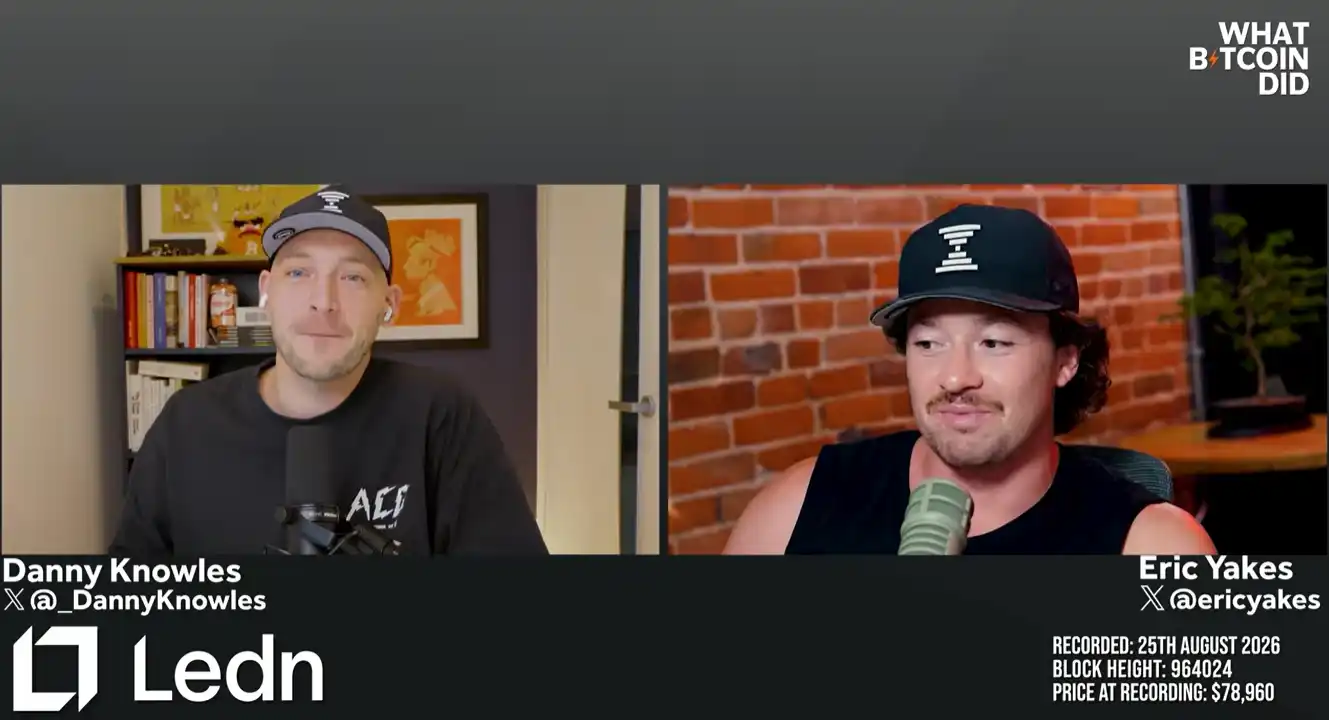
Sumber: "What Bitcoin Did", disusun oleh Felix, PANews Eric Yakes, pendiri Epoch Ventures, dalam wawancara baru-baru ini membahas mengapa Bitcoin mungkin tidak akan mengalami penurunan 80% lagi dan bagaimana koreksi 50% terbaru menandai akhir dari siklus empat tahun. Ia menyatakan bahwa dengan volatilitas yang menurun dan masuknya modal institusional, Bitcoin bertransisi dari aset berisiko tinggi menjadi alat lindung nilai terhadap depresiasi mata uang fiat. Yakes menyoroti peristiwa kunci seperti audit Tether oleh akuntan besar dan pengumuman Departemen Keuangan AS yang mirip quantitative easing sebagai titik balik bersejarah. Ini mengubah pola siklus Bitcoin; koreksi 50% kemungkinan menjadi dasar baru, menunjukkan pergeseran struktural di mana Bitcoin mulai dilihat sebagai penyimpan nilai yang stabil. Ia menjelaskan tiga tahap adopsi Bitcoin berdasarkan fungsi uang: penyimpan nilai, media pertukaran, dan unit akun. Saat ini, Bitcoin berada di tahap pertama. Untuk menarik modal dari emas (bernilai triliunan dolar), Bitcoin perlu mencapai kapitalisasi pasar $5-10 triliun guna menyediakan likuiditas yang cukup. Ia memperkirakan peralihan besar-besaran dana dari emas ke Bitcoin dapat mendorong harga Bitcoin melambung. Yakes menguraikan skenario "hiper-bitcoinisasi" melalui enam langkah: Departemen Keuangan AS mendorong adopsi stablecoin untuk membeli utang AS, stablecoin memperluas dominasi dolar, mata uang lemah terdolarisasi, Bitcoin menjadi aset cadangan untuk stablecoin, stablecoin menjadi "terbitcoinisasi", dan akhirnya mata uang fiat menyerah. Merespons kekhawatiran tentang sentralisasi melalui ETF atau托管, ia menekankan bahwa biaya keluar yang rendah dengan penyimpanan mandiri (self-custody) Bitcoin bertindak sebagai penangkal yang kuat terhadap penyalahgunaan oleh institusi terpusat. Mengenai konsentrasi kekayaan, ia yakin proses distribusi kekayaan akan terjadi secara alami seiring kematangan ekonomi Bitcoin. Sebagai perusahaan modal ventura, Epoch Ventures berfokus pada investasi yang membuat infrastruktur keuangan tradisional kompatibel dengan Bitcoin, seperti pinjaman yang dijaminkan dengan Bitcoin, untuk memfasilitasi adopsi secara luas.

marsbit25m yang lalu

Dialog dengan Pendiri Epoch Ventures: Rotasi Dana Besar-besaran Telah Dimulai, Siklus Empat Tahun Telah Berakhir

marsbit25m yang lalu

Meskipun Bitcoin Baru Saja Naik, Satu Analis Tetap Berhati-hati: 'Saya Belum Melihat Apa yang Saya Inginkan'

Meskipun harga Bitcoin baru-baru ini pulih di pasar kripto dan menumbuhkan ekspektasi bullish, analis João Wedson, pendiri Alphractal, tetap menyuarakan kehati-hatian. Analisisnya berdasarkan data blockchain, terutama indikator MVRV Z-Score, menunjukkan bahwa titik terendah harga Bitcoin dalam siklus saat ini mungkin belum tercapai. Wedson membandingkan struktur pasar saat ini dengan siklus 2017-2018. Pada 2017, indikator MVRV Z-Score membentuk tiga puncak signifikan sebelum Bitcoin mencapai rekor tertinggi, kemudian membentuk dasar setelah penurunan. Namun, pasar mengalami penurunan tajam lagi di November 2018. Pola serupa terlihat pada 2024-2025, di mana indikator juga mencapai tiga puncak, meskipun antusiasme lebih terbatas. Risiko utama yang disorot adalah indikator MVRV Z-Score belum memasuki zona negatif, yang secara historis dikaitkan dengan titik terendah utama siklus Bitcoin. Wedson mempertanyakan apakah harga akan mengikuti jika indikator ini turun lebih jauh. Menurutnya, data blockchain saat ini belum memberikan sinyal kuat bahwa penurunan harga terkini adalah titik terendah akhir. Berdasarkan analisisnya, Wedson menyatakan bahwa untuk memenuhi kondisi yang ia amati, harga Bitcoin mungkin perlu turun setidaknya ke level $53.000 atau bahkan lebih rendah. Ia menekankan bahwa ini adalah tantangan terhadap data, bukan terhadap sentimen bullish pasar saat ini, dan mengingatkan bahwa pada 2018 pun, banyak pelaku pasar tidak mengantisipasi penurunan tajam berikutnya. Secara keseluruhan, indikator on-chain menunjukkan bahwa risiko penurunan harga belum sepenuhnya hilang, dan tidak secara jelas menandakan bahwa "harga dasar telah tercapai" untuk Bitcoin.

cryptonews.ru1j yang lalu

Meskipun Bitcoin Baru Saja Naik, Satu Analis Tetap Berhati-hati: 'Saya Belum Melihat Apa yang Saya Inginkan'

cryptonews.ru1j yang lalu

Ketua Fed Warsh "Terlihat Hawkish", Goldman Tetap Tak Percaya "Kenaikan Suku Bunga September", JPMorgan Bilang "Tetap Harus Lihat Data NFP dan CPI Agustus"

Ketua Fed Kevin Warsh memberikan sinyal lebih hawkish dalam pidato Jackson Hole-nya, menekankan inflasi sebagai "perhatian utama" dan menyatakan pekerjaan belum selesai jika tren inflasi inti tidak turun cukup cepat ke target 2%. Pasar merespons dengan kenaikan imbal hasil obligasi AS 2-tahunan dan probabilitas kenaikan suku bunga September melonjak dari sekitar 30% menjadi di atas 50%. Namun, dua bank Wall Street besar, Goldman Sachs dan J.P. Morgan, tidak mengubah prediksi dasar mereka. J.P. Morgan mempertahankan prediksi kenaikan suku bunga pada Desember, dengan ekonom Michael Feroli menekankan bahwa laporan data non-farm payrolls dan CPI Agustus yang akan datang akan menjadi penentu lebih penting untuk keputusan rapat September. Goldman Sachs memperkirakan kenaikan bulanan inti CPI dan inti PCE Agustus sekitar 0,2%, dan menurutnya, dengan jalur seperti itu, FOMC cenderung tidak akan bergerak. Warsh membahas panjang lebar tentang inflasi, meragukan perbaikan substansial dalam tren dasar meski ada data yang lebih baik, dan mengutip tingginya proporsi item dalam keranjang PCE yang naik lebih dari 3%. Dia juga mengklarifikasi dua pernyataan kontroversial dari Juli, menegaskan kembali komitmen pada target inflasi 2% dan bahwa suku bunga jangka pendek adalah alat kebijakan utama. Mengenai ekonomi, Warsh menilai kondisi "mengesankan" dan sulit menggambarkan kondisi keuangan saat ini sebagai ketat. Goldman Sachs dan J.P. Morgan sepakat bahwa kenaikan suku bunga September bukan skenario dasar mereka, dengan Goldman menyatakan hal itu hanya mungkin jika data CPI dan PPI Agustus jauh lebih kuat dari perkiraan.

marsbit2j yang lalu

Ketua Fed Warsh "Terlihat Hawkish", Goldman Tetap Tak Percaya "Kenaikan Suku Bunga September", JPMorgan Bilang "Tetap Harus Lihat Data NFP dan CPI Agustus"

marsbit2j yang lalu

Trading

Spot
活动图片