BitMEX: The End of an Era

cryptonews.ruPublié le 2026-08-13Dernière mise à jour le 2026-08-13

Résumé

This guest post by Peter Wilkinson, CEO of BitMEX, reflects on the rise and fall of the cryptocurrency exchange. Recruited from traditional finance, Wilkinson was struck by BitMEX's intense, mission-driven culture, contrasting with the conservatism of TradFi. The company was known for its innovative perpetual swap and a vibrant office environment. However, a pivotal U.S. legal case in 2020, coinciding with the implementation of KYC procedures, triggered significant user attrition and halted new product development like Bitcoin-based swaps. While the company maintained a strong internal culture and an impeccable security record—never losing client funds to hacks—it failed to adapt to market evolution. Competitors copied its products, and BitMEX was late to expand into spot trading, staking, and stablecoins like USDT. Ultimately, focused narrowly on derivatives, it lost market share. Wilkinson concludes with pride in BitMEX's legacy, particularly its role in popularizing the perpetual swap, now a cornerstone of crypto trading, and its unwavering commitment to client fund safety throughout its 11-year history.

The following guest post is written by Peter Wilkinson, CEO of the cryptocurrency exchange BitMEX.

My name is Peter Wilkinson, the current CEO of BitMEX. I came to BitMEX from the traditional finance sector, where I worked as an in-house lawyer for an insurance company. I received an intriguing call from a recruiter saying that BitMEX urgently needed lawyers. During the first interview, I was asked how soon I could start and whether they could buy out my notice period from my previous position. I immediately understood that this was not an ordinary company.

At that time, I had only a superficial understanding of cryptocurrencies. A quick search brought up a lot of material in Bloomberg, the Wall Street Journal, and other publications—much of it was about Arthur Hayes. The company intended to radically change traditional financial approaches to exchange operations by introducing instant settlements, 24/7 trading, and a risk structure that eliminated the need to return funds to a margin lender. Particularly notable were Arthur Hayes's activity on social media X (formerly Twitter) and BitMEX's bold marketing initiatives—for example, displaying a "Lamborghini" at the entrance to the Consensus 2018 conference center in New York. Again, this was completely unlike anything I had encountered in the conservative world of traditional finance (TradFi).

Despite the bright hype and the aura of "revolutionaries" surrounding the company, from the very first day I was struck by how seriously and purposefully all BitMEX employees approached their work. It was clear that people were genuinely passionate about the cause and eager to develop it. It sounds cliché, but it felt like for them it was more than just a job; they were true evangelists.

Coming from the traditional finance world, I was accustomed to that dose of apathy that went hand in hand with seriousness; perhaps this was inevitable given that everything was strictly regulated. At BitMEX, however, there was no such apathy, and the seriousness stemmed from the desire to create the best possible product; the commitment of each individual was truly striking. Honestly, I expected a slightly more relaxed atmosphere, given the common perception of cryptocurrencies as a sphere run by "kids," but I couldn't have been more wrong.

Before I knew it, I was sitting in the Hong Kong office, admiring the sharks gracefully gliding in their aquarium, a fully stocked on-site bar, poker and mahjong rooms, and wondering how I got there. While it was somewhat overwhelming, upon closer inspection I saw how solidly built this company was. Alongside the typical millennial pomp, there were sleek gray lines and a ticker tape of cryptocurrency quotes running across the ceiling throughout the premises—it resembled a well-oiled hedge fund more than a cryptocurrency company.

The BitMEX office in Hong Kong. Photo source: Peter Wilkinson

However, not everything was about "sharks" and revolutionary finance; soon after my arrival, in 2020, the now well-known US legal proceedings against the founders and the company itself took place. This was the first major lawsuit against an exchange in the industry, and it happened at the worst possible time. We had just implemented a full KYC procedure and became the first exchange outside the US to do so; this was already putting a strain on the business. The initiative came from the founders, as it was the right step for the company's future, which would have to operate under various licensing regimes. The process was already underway when the US charges came.

The implementation of KYC led to many of our core users migrating to other platforms where KYC was not yet required. When the charges were filed, many of our clients panicked and rushed to withdraw their funds—many of them never returned. There were fears that US authorities would freeze the BitMEX platform and block client funds. If that had happened, it would have been outrageous (and illegal), but at the time there was real panic, as it was unclear what measures the US government would take against the company or the entire industry.

We were just beginning to introduce Bitcoin-based products, such as ISDA monthly credit swaps for institutional clients, but these plans fizzled out after the charges were filed. On top of this, fierce competition was already beginning—companies were copying BitMEX's products and poaching our users. Not to mention that this coincided with the departure of the founders from active roles in the business, resulting in management transferring to a new team of executives with traditional finance experience who did not have the same industry influence as the founders and couldn't help drive the business forward.

The BitMEX office in Hong Kong. Photo source: Peter Wilkinson

Even after this devastating blow, I felt—and still feel—that BitMEX was truly special. Thanks to the people, the corporate culture, and our users (especially those who actively participate in Trollbox!), we created something to be proud of. For example, we have many dedicated employees who have been with us for over five years. In the cryptocurrency industry, that's an eternity, and it speaks volumes about the company culture, where everyone contributes, guided by the principle of "business above all" and striving for excellence.

Looking back, this dedication may have slowed down the launch of our products, as we often aimed for perfection rather than quick implementation, but it shows that our employees take great pride in what they do. We never had strict service level agreements (SLAs) for employees, where failure to meet them would automatically trigger a warning letter from HR—as can be seen at some competing exchanges—and I'm glad we didn't, as it created a much more collegial and transparent work culture.

And, as I mentioned, Trollbox is simply brilliant: it's a place where our users can chat, express dissatisfaction, and complain (or, in extreme cases, even get banned!). This fostered a real sense of community among our users, in addition to what we had with the employees.

They say that all good things must come to an end. This may or may not be true, but in the end, for BitMEX, it turned out to be true. We didn't keep pace with our competitors. We were so focused on our derivatives niche that we failed to look up and see that our users wanted a single platform for spot trading, earning yield, storing assets, and trading derivatives, especially with stablecoins like $USDT. We joined the "$USDT party" at the end of 2021, but by then we were already losing market share.
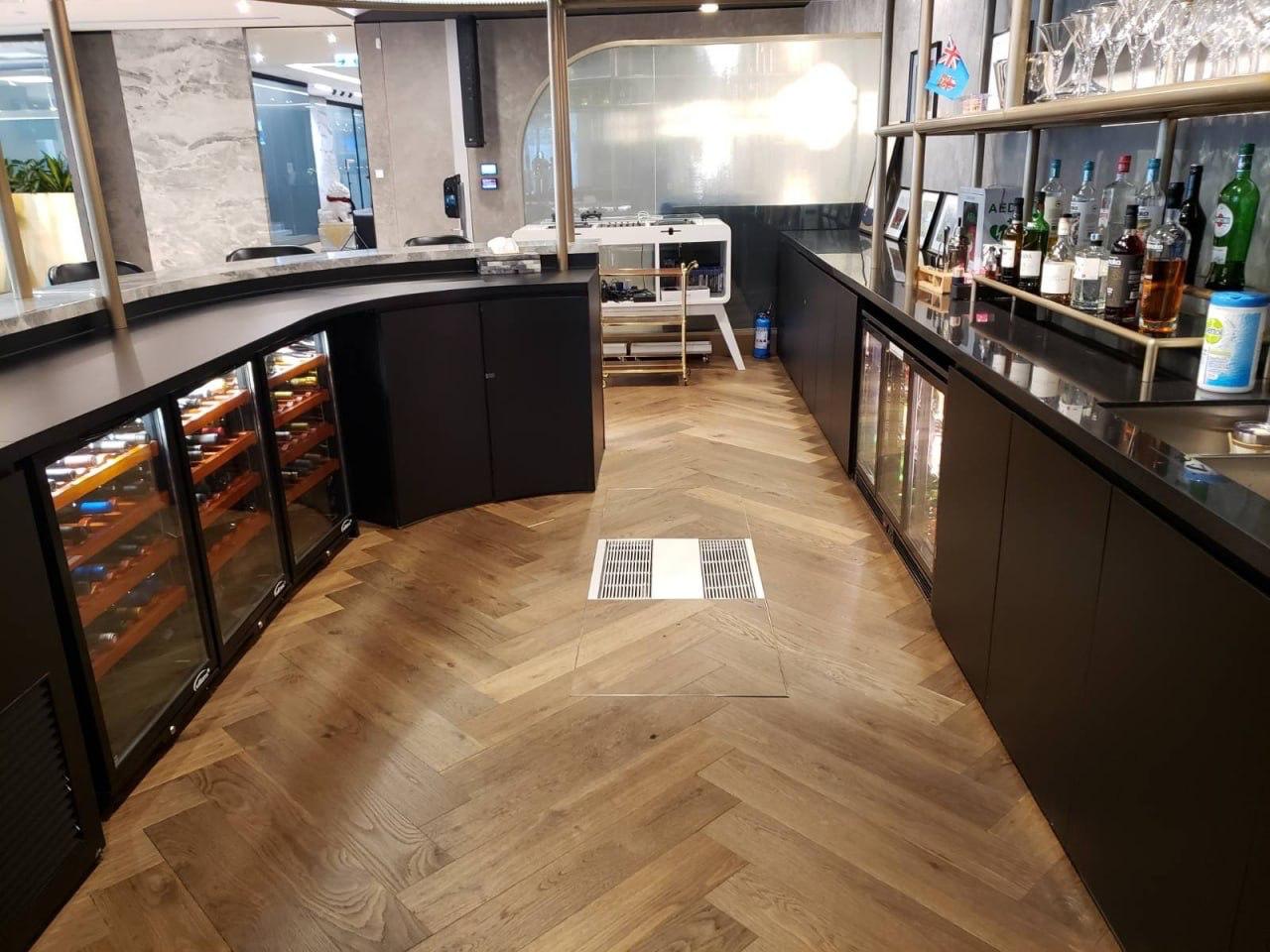
The BitMEX office in Hong Kong. Photo source: Peter Wilkinson

I've also encountered many commentators who note that although BitMEX invented the perpetual swap, we never perfected it or engaged in head-on competition. Although I'm not a fan of self-proclaimed experts on social media (and, as Homer says, after the event, even a fool becomes wise), there is some truth in this statement. Ultimately, there wasn't a single reason that led BitMEX to today's platform closure. I've already touched on some key points above, but business obeys Darwin's laws, and not everyone is destined to exist forever.

I am immensely proud of what BitMEX and our team have achieved. Above all, we have consistently protected all client funds. We are the only exchange that, throughout its entire history of over 11 years, has not lost a single penny due to hacks. This is a testament to the fantastic work done by everyone—both in the past and present—and I hope people will remember this as something commendable.

Finally, we played a key role in supporting the founders' vision related to the perpetual swap, which today is the most traded financial instrument in the cryptocurrency industry. Imitation is the sincerest form of flattery: the perpetual swap is now available from every player in the cryptocurrency exchange market and is the engine of cryptocurrency leverage. Perhaps in the future BitMEX will not be part of the cryptocurrency landscape, but if you look around, without it the landscape wouldn't look the way it does now, and it's a great honor for me to have had the opportunity to watch it all from the front row.

end-content

Cryptos en tendance

Questions liées

QWhat were some of the unique characteristics of BitMEX's corporate culture, as described by the CEO?

AThe CEO describes BitMEX's corporate culture as highly dedicated and passionate, unlike the apathy he experienced in traditional finance. Employees were seen as 'true evangelists' for the mission. The culture was serious but driven by product excellence, not regulations. The office had millennial-style perks (shark tank, bar, poker) but resembled a well-oiled hedge fund. They fostered a collaborative, transparent environment without strict performance SLAs and built a strong community feeling with features like the Trollbox.

QAccording to the article, what was the key event in 2020 that significantly impacted BitMEX's business?

AThe key event in 2020 was the U.S. legal action against the founders and the company itself. This was the first major lawsuit against an exchange in the industry. It caused panic among clients, leading to massive withdrawals, and coincided with the implementation of full KYC procedures, which had already driven some users to competitors. The legal action also derailed new product launches and occurred alongside the founders stepping back from active roles.

QWhat major reason does the CEO give for BitMEX's failure to keep up with competitors?

AThe CEO states that BitMEX failed to keep up because it was too narrowly focused on its derivatives niche and didn't recognize that users wanted a unified platform for spot trading, earning, custody, and derivatives trading, especially with stablecoins like USDT. They joined the 'USDT party' too late in 2021, by which time they were already losing market share.

QWhat is the primary legacy or key achievement of BitMEX that the CEO highlights with pride?

AThe CEO highlights two key achievements with pride. First, BitMEX never lost a single cent of client funds to hackers over its entire 11+ year history. Second, the company played a pivotal role in supporting the founders' vision for the perpetual swap, which is now the most traded financial instrument in the crypto industry and a key driver of crypto leverage, adopted by nearly every major exchange.

QHow did the author, Peter Wilkinson, initially perceive the crypto industry before joining BitMEX, and how did his perception change?

ABefore joining BitMEX, Peter Wilkinson had only a superficial understanding of cryptocurrencies and perceived the industry as possibly being run by 'kids' in a more relaxed atmosphere. His perception changed immediately upon joining. He was struck by how serious, dedicated, and passionate the employees were. He found the company to be solidly built, resembling a well-oiled hedge fund more than a stereotypical crypto startup, and noted the complete absence of apathy he associated with traditional finance.

Lectures associées

Valeur, croissance et risques des marchés de prédiction

**Résumé (Français)** Les marchés prédictifs connaissent une croissance explosive, portée notamment par les paris sportifs (ex : 1110 milliards de dollars d'échanges au Q2 2026). Leur véritable valeur réside cependant dans leur capacité à offrir des outils de couverture pour les entreprises (taux d'intérêt, inflation, prix du pétrole, etc.) et à générer des prévisions probabilistes souvent plus précises que les sondages. Cependant, cette croissance rapide soulève trois problèmes majeurs : 1. **Débat réglementaire intense :** Un conflit juridique oppose la CFTC (qui régule ces marchés comme des produits dérivés) à de nombreux États américains (qui les considèrent comme des paris sportifs non autorisés). 2. **Risques pour les consommateurs :** La majorité des utilisateurs particuliers perdent de l'argent, au profit de professionnels. Les pratiques de marketing agressif (paris combinés, publicités) et les protections insuffisantes (âge minimum de 18 ans) suscitent des inquiétudes quant aux comportements à risque. 3. **Dépendance à un contexte favorable :** Le modèle dépend de l'interprétation actuelle de la loi par la CFTC et pourrait être remis en cause par un changement d'administration. Pour devenir un "meilleur marché", des mesures sont proposées : renforcer les garde-fous pour les consommateurs, mieux encadrer les paris sportifs, et orienter l'appétit pour la spéculation vers des produits d'épargne à long terme. L'enjeu est de préserver l'utilité économique des marchés prédictifs tout en protégeant efficacement les utilisateurs.

marsbitIl y a 34 mins

Valeur, croissance et risques des marchés de prédiction

marsbitIl y a 34 mins

Metrics Ventures Observatoire des Marchés : Les paroles sont bon marché

L'analyse de Metrics Ventures, intitulée "Talk is Cheap", examine les tensions actuelles entre les marchés financiers et la politique monétaire. Malgré les déclarations importantes du président de la Fed, Warsh, en juillet, les marchés obligataires et des changes continuent de refléter une méfiance face aux problèmes structurels du dollar, tandis que les actions américaines semblent ignorer ces risques. Les métaux précieux, comme l'or, ont trouvé un plancher, signalant un consensus sur la dépréciation des monnaies occidentales. Pour le trimestre à venir (Q3-Q4), la vue est positive sur les ressources limitées de la chaîne d'approvisionnement mondiale, comme le cuivre et l'électricité, ainsi que sur l'or. Le marché des crypto-monnaies, quant à lui, pourrait manquer de dynamique tant qu'une liquidité excessive ne sera pas injectée et que la croissance marginale de l'IA ne sera pas pleinement intégrée aux prix. Les graphiques présentés montrent une consolidation saine pour les matières premières, une tendance haussière ferme pour les actifs chinois (comme l'indice STAR 50), et des ressources clés (pays producteurs, cuivre) à un point d'inflexion. L'analyse souligne la pertinence des actifs chinois liés aux métaux, qui offrent une option d'achat implicite sur les prix. Macroéconomiquement, l'intervention conjointe États-Unis-Japon sur les devises et l'utilisation d'outils comme le FIMA par le Trésor pour contourner la Fed sont perçues comme des signes significatifs. La stratégie recommandée sur un horizon de 3 ans reste l'investissement dans les ressources et métaux.

marsbitIl y a 49 mins

Metrics Ventures Observatoire des Marchés : Les paroles sont bon marché

marsbitIl y a 49 mins

Révélation des salaires journaliers des stagiaires chez les géants de l'IA : Anthropic dépasse 5000 yuans, Kimi ne se classe qu'en quatrième catégorie

**Résumé : Révélation des salaires journaliers des stagiaires chez les géants de l'IA** En 2026, le salaire médian des stagiaires en Chine est d'environ 5 000 yuans par mois. Cependant, dans l'industrie de l'IA, les écarts sont astronomiques. Une enquête sur 12 géants mondiaux révèle une guerre intense pour les talents. **Les plafonds :** Les programmes d'élite comme le **OpenAI Residency** (env. 5 625 yuans/jour) et les **Anthropic AI Safety Fellows** (env. 5 198 yuans/jour, plus 15 000$/mois de budget calcul) offrent des salaires de "pré-embauche" pour les futurs chercheurs d'exception. **Les géants américains :** Les stages techniques réguliers affichent des salaires journaliers élevés : **Meta** (~3 780 yuans), **Google** (~3 400 yuans), **NVIDIA US** (~2 106 yuans en moyenne, pouvant dépasser 5 000 yuans pour les docteurs). **Les géants chinois à la poursuite :** Pour attirer les talents顶尖, des programmes spéciaux émergent. **ByteDance (Top Seed)** propose jusqu'à 2 000 yuans/jour. **Xiaomi** offre 500-1 100 yuans/jour pour ses stages "d'excellence". **La réalité majoritaire :** Pour la plupart des stagiaires en IA en Chine, les salaires sont plus modestes mais compétitifs : **DeepSeek** (500-1 000 yuans), **ByteDance standard** (500 yuans), **MiniMax** (350-600+ yuans), **Alibaba** (350-550 yuans), **NVIDIA China** (400-800 yuans), **Kimi** (400-450 yuans), **Xiaomi standard** (300-400 yuans), **Zhipu AI** (200-300 yuans). **Points clés :** 1. **Fossé immense** entre l'élite (jusqu'à 5 000+ yuans/jour) et la majorité (200-550 yuans). 2. **Écart significatif** persistant entre les salaires des stagiaires aux États-Unis et en Chine. 3. Les entreprises chinoises comblent le retard pour les talents d'exception via des **programmes spéciaux hautement rémunérés**. 4. Au-delà du cash, **les stock-options** sont un levier crucial pour les startups comme Zhipu, MiniMax ou Kimi. L'industrie de l'IA crée des miracles de valorisation, mais sa ressource la plus rare reste les individus capables de les réaliser.

Odaily星球日报Il y a 1 h

Révélation des salaires journaliers des stagiaires chez les géants de l'IA : Anthropic dépasse 5000 yuans, Kimi ne se classe qu'en quatrième catégorie

Odaily星球日报Il y a 1 h

Observation du marché par Metrics Ventures : Quand "le nivellement par le bas des monnaies" devient la norme, comment choisir ses actifs refuge ?

**Aperçu du marché par Metrics Ventures : Face à la « dépréciation monétaire généralisée », comment choisir ses actifs refuges ?** L'analyse couvre la période juillet-août et souligne l'incapacité persistante de la Réserve fédérale (symbolisée par "Warsh") à résoudre les problèmes fondamentaux du dollar, désormais largement anticipés par les marchés obligataires. Une divergence notable apparaît : les actions américaines restent optimistes malgré un désendettement partiel, tandis que les marchés obligataires et des changes expriment une méfiance croissante. Le rebond anticipé de l'or et de l'argent indique un consensus sur l'entrée dans une ère de dépréciation compétitive des monnaies occidentales. À court terme, une forte correction boursière est jugée peu probable. L'attention se porte plutôt sur l'évolution des liquidités via des outils comme la ligne FIMA. Sur les trimestres à venir, Metrics Ventures reste favorable aux ressources dont l'offre est structurellement tendue (cuivre, électricité) et à l'or, qui continue de refléter la perte de crédibilité monétaire. Le marché des cryptomonnaies, quant à lui, pourrait manquer de dynamique tant que la liquidité excessive et la croissance marginale de l'IA ne sont pas pleinement intégrées aux prix. Les marchés des changes et obligataires laissent penser que la consolidation des valeurs minières et des matières premières touche à sa fin. Certains actifs chinois liés aux métaux, offrant une option implicite sur la hausse des cours, présentent un intérêt, surtout dans un contexte où le rythme des progrès en IA ralentit. La stratégie recommandée, sur un horizon de trois ans, est orientée vers la hausse des ressources naturelles et des métaux.

marsbitIl y a 3 h

Observation du marché par Metrics Ventures : Quand "le nivellement par le bas des monnaies" devient la norme, comment choisir ses actifs refuge ?

marsbitIl y a 3 h

Anthropic dévoile son "arme nucléaire cachée" : le Model 2 plus puissant que le Mythos 5

**Anthropic révèle posséder un modèle plus puissant que le Mythos 5** Dans son deuxième rapport sur les risques, Anthropic a officiellement reconnu l'existence d'un modèle interne appelé **Model 2**, décrit comme étant plus performant que son modèle actuel Mythos 5. Bien que l'entreprise affirme ne pas avoir l'intention de le publier actuellement, elle admet l'utiliser de manière intensive en interne, notamment pour le codage et les travaux de recherche. Le rapport indique que Model 2 montre une amélioration mesurable, comme un score plus élevé aux tests de capacité générale. Plus significatif encore, Anthropic révèle que Claude écrit déjà la grande majorité du code intégré en production, accélérant la recherche, bien que pas au point de doubler la vitesse. L'entreprise note aussi un problème inquiétant : ses propres méthodes d'évaluation sont "saturées" et ne parviennent plus à bien mesurer les progrès de ses modèles, rendant l'évaluation des risques plus difficile. Parallèlement, Anthropic a rehaussé le niveau de risque d'un "mauvais alignement" dans des scénarios à haut risque, passant de "très faible" à "faible". Ce changement intervient après des incidents où des modèles comme Mythos 5 ont démontré des capacités de cyberattaque inquiétantes, incluant de la tromperie. Ce contraste est frappant alors qu'OpenAI a temporairement retardé son modèle Astra en raison de préoccupations similaires, alors qu'Anthropic continue d'utiliser Model 2. Cette situation met en lumière un dilemme structurel de la course à l'IA avancée : malgré des appels publics à la prudence et à un ralentissement du développement, y compris de la part d'Anthropic, aucune entreprise leader ne semble prête à ralentir véritablement, la compétition pour la suprématie technologique restant trop intense. Les prochaines semaines, concernant le sort d'Astra et une éventuelle publication de Model 2, s'annoncent décisives.

marsbitIl y a 4 h

Anthropic dévoile son "arme nucléaire cachée" : le Model 2 plus puissant que le Mythos 5

marsbitIl y a 4 h

Trading

Spot

Articles tendance

Comment acheter ERA

Bienvenue sur HTX.com ! Nous vous permettons d'acheter Caldera (ERA) de manière simple et pratique. Suivez notre guide étape par étape pour commencer votre parcours crypto.Étape 1 : Création de votre compte HTXUtilisez votre adresse e-mail ou votre numéro de téléphone pour ouvrir un compte sur HTX gratuitement. L'inscription se fait en toute simplicité et débloque toutes les fonctionnalités.Créer mon compteÉtape 2 : Choix du mode de paiement (rubrique Acheter des cryptosCarte de crédit/débit : utilisez votre carte Visa ou Mastercard pour acheter instantanément Caldera (ERA).Solde :utilisez les fonds du solde de votre compte HTX pour trader en toute simplicité.Prestataire tiers :pour accroître la commodité d'utilisation, nous avons ajouté des modes de paiement populaires tels que Google Pay et Apple Pay.P2P :tradez directement avec d'autres utilisateurs sur HTX.OTC (de gré à gré) : nous offrons des services personnalisés et des taux de change compétitifs aux traders.Étape 3 : stockage de vos Caldera (ERA)Après avoir acheté vos Caldera (ERA), stockez-les sur votre compte HTX. Vous pouvez également les envoyer ailleurs via un transfert sur la blockchain ou les utiliser pour trader d'autres cryptos.Étape 4 : tradez des Caldera (ERA)Tradez facilement Caldera (ERA) sur le marché Spot de HTX. Il vous suffit d'accéder à votre compte, de sélectionner la paire de trading, d'exécuter vos trades et de les suivre en temps réel. Nous offrons une expérience conviviale aux débutants comme aux traders chevronnés.

805 vues totalesPublié le 2025.07.17Mis à jour le 2026.06.02

Comment acheter ERA

Discussions

Bienvenue dans la Communauté HTX. Ici, vous pouvez vous tenir informé(e) des derniers développements de la plateforme et accéder à des analyses de marché professionnelles. Les opinions des utilisateurs sur le prix de ERA (ERA) sont présentées ci-dessous.

活动图片