Iran Will Not Allow Crypto Payments, Prepares to Pilot Digital Rial

newsbtcPublié le 2022-04-12Dernière mise à jour le 2022-04-12

Résumé

Cryptocurrencies like bitcoin will not be treated as legal tender in the Islamic Republic of Iran.

Iran Will Not Allow Crypto Payments, Prepares to Pilot Digital Rial

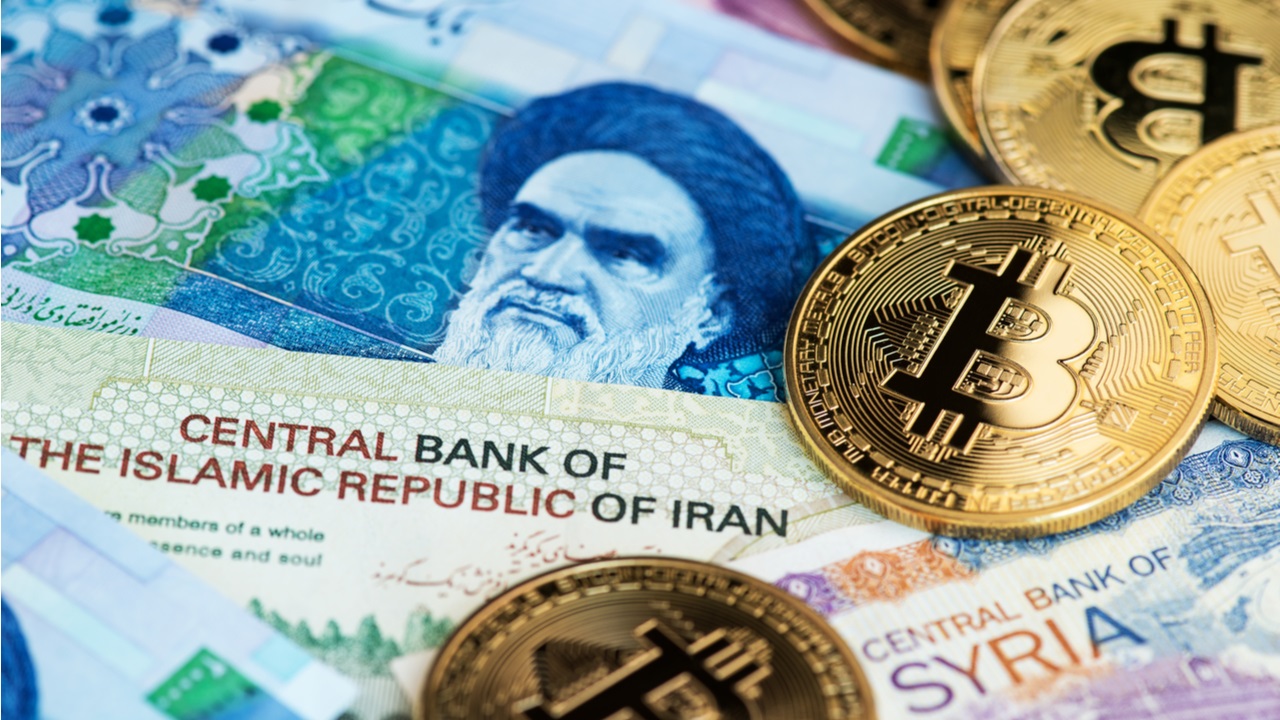
Iran will not recognize cryptocurrencies as a means of payment, a high-ranking government official has indicated. His statement came as the Central Bank of Iran announced rules for the issuance of digital coins in the country. These are meant, however, for its own “crypto rial,” the pilot phase of which should start in the near future.

Accepting Cryptocurrency for Payments Is a Red Line, Iranian Minister Says

Cryptocurrencies like bitcoin will not be treated as legal tender in the Islamic Republic of Iran. Discussing regulatory matters related to the storage and exchange of cryptocurrencies, Iran’s deputy minister of communications, Reza Bagheri Asl, emphasized:

We do not recognize payments with cryptocurrencies.

The government official was commenting on the latest resolution by the Digital Economy Working Group regarding crypto assets. He pointed out that the use of any foreign currency is outside the sovereignty and against the monetary and banking law of Iran.

“So, we will by no means have any regulations recognizing payments with cryptocurrencies that do not belong to us,” Bagheri Asl elaborated, quoted by the Iranian financial news portal Way2pay. “Iran has its own national cryptocurrency, so no payments will be made with non-national cryptocurrencies,” he insisted.

The deputy minister added that in order to prevent risks for the Iranian citizens, digital asset exchange in the country will be subject to a set of rules similar to those that apply to the stock market and other currencies. “Cryptocurrencies must be regulated and banking systems must be observed,” he added.

Central Bank of Iran Shares Details About Digital Rial Project

Tehran authorities have in the past considered allowing Iranian business to use decentralized digital currencies for settlements with foreign partners as a way to circumvent Western financial sanctions. What they are focusing on at the moment, however, is the launch of the digital version of the nation’s fiat currency, the rial.

The Central Bank of Iran (CBI) has recently informed banks and other credit institutions about regulations related to the “crypto rial,” which has been under development for some time. They apply to the minting and distribution of the central bank digital currency (CBDC). The CBI will be its sole issuer and will determine the maximum supply.

According to Way2pay, the digital currency is based on a distributed ledger system that will be maintained by authorized financial institutions and capable of implementing smart contracts. The infrastructure and the guidelines for the CBDC have been finalized and it will be piloted in the near future, the publication unveiled.

The crypto rial will be issued under the legal provisions governing the emission of banknotes and coins, the report noted. The CBI will be monitoring the economic impact of the digital currency and managing its effects in accordance with the authority’s monetary policy. Users will be able to make transactions with the CBDC only within the territory of Iran.

Lectures associées

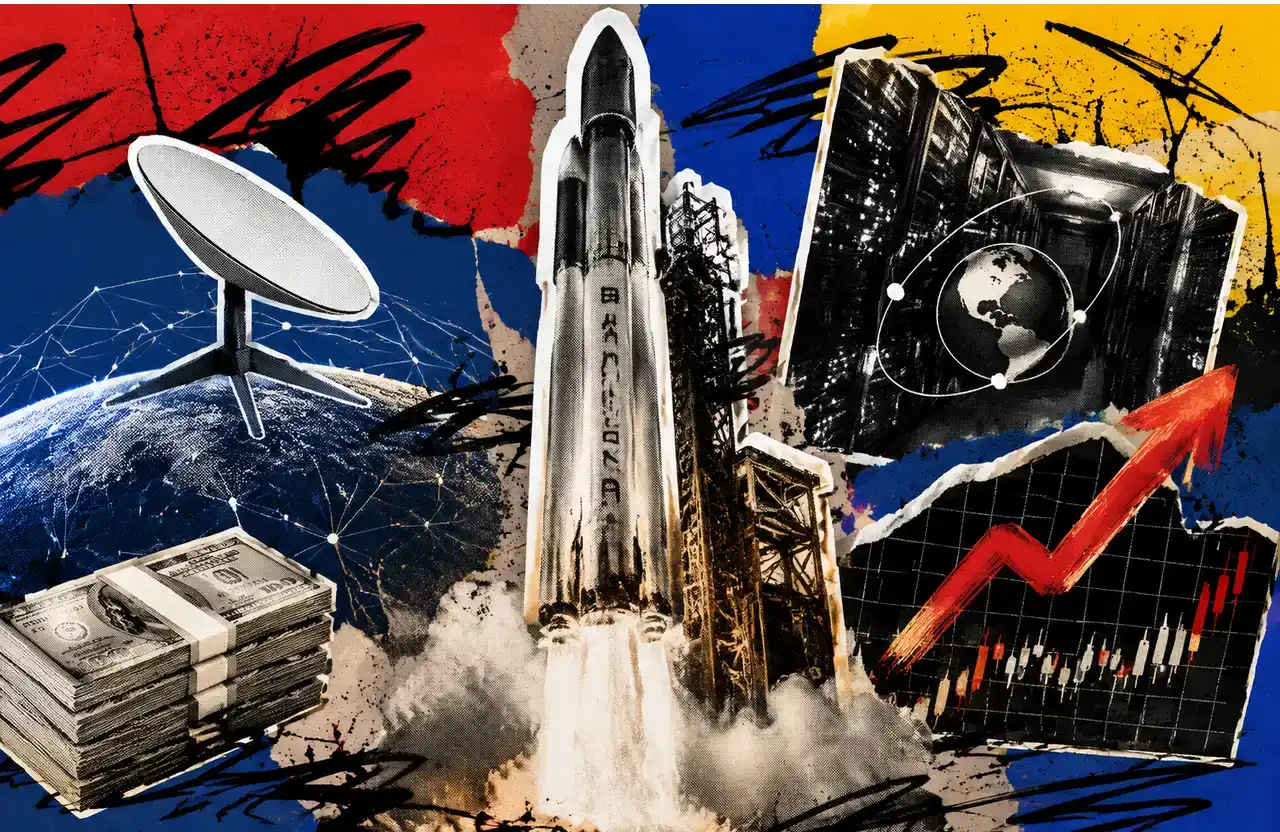
Avec les données du roadshow, que pense maintenant Wall Street de SpaceX

SpaceX a déposé des documents pour son introduction en bourse, visant une valorisation de 1,77 billion de dollars. Le prospectus présente l'entreprise non plus comme un simple fabricant de fusées, mais comme un conglomérat d'infrastructures intégrant le transport spatial (Space), la connectivité par Starlink et l'intelligence artificielle (AI). Les données financières révèlent une croissance rapide des revenus (187 milliards de dollars en 2025) mais aussi d'importantes pertes nettes et des dépenses d'investissement massives. Les réactions de Wall Street sont très partagées sur la valorisation. Certains investisseurs, séduits par la promesse d'un contrôle sur des infrastructures critiques futures, acceptent la prime élevée. D'autres analystes, comme ceux de Morningstar (valorisation à 780 milliards) ou le professeur Aswath Damodaran (environ 1,25 billion), estiment que le prix demandé laisse peu de marge de hausse, pointant du doigt l'incertitude autour de la rentabilité de la division AI et de technologies non éprouvées comme les data centers orbitaux. Les principaux points d'attention pour les investisseurs seront : la capacité de Starlink à générer une trésorerie robuste, la matérialisation des ambitieuses projections du marché de l'IA, et les questions de gouvernance liées au contrôle majoritaire d'Elon Musk. L'IPO de SpaceX marque ainsi un tournant, forçant le marché à évaluer une entreprise à la frontière entre la réalité financière actuelle et une vision futuriste à très long terme.

marsbitIl y a 1 h

Avec les données du roadshow, que pense maintenant Wall Street de SpaceX

marsbitIl y a 1 h

Analyse BIT : Les ETF n'achètent plus, la stratégie (de MicroStrategy) ralentit également. Sur quoi Bitcoin peut-il encore compter pour monter ?

Le marché est actuellement dans une phase de reprix macroéconomique dominée par les anticipations d'inflation et de taux. Historiquement, le Bitcoin a bénéficié de liquidités abondantes et d'une faible inflation, renforçant son récit de couverture contre la dilution monétaire. Cependant, avec l'entrée des institutions, sa valorisation dépend désormais davantage des flux de capitaux et des anticipations de taux d'intérêt. Récemment, la faiblesse du Bitcoin ne provient pas d'une dégradation fondamentale, mais de l'affaiblissement de deux moteurs clés de son rallye : les anticipations de baisse des taux et les flux nets d'entrée dans les ETF Bitcoin, qui ralentissent. Le principal défi actuel est la résurgence des craintes inflationnistes, qui repousse les anticipations de relâchement monétaire de la Fed. Le Bitcoin, sans flux de trésorerie sous-jacents, y est particulièrement sensible. Parallèlement, les entrées nettes dans les ETF Bitcoin se sont taries, voire ont cédé la place à des sorties nettes significatives après les mauvaises données d'inflation, reflétant la prudence institutionnelle. L'autre moteur important, les achats agressifs de sociétés comme MicroStrategy, voit également son dynamisme diminuer. En résumé, la pression sur le Bitcoin est principalement macroéconomique. Tant que l'inflation restera élevée, le cours pourrait évoluer en range. Cependant, un pic inflationniste et un retour d'anticipations de baisse des taux pourraient relancer les flux institutionnels et permettre une reprise plus soutenue.

marsbitIl y a 1 h

Analyse BIT : Les ETF n'achètent plus, la stratégie (de MicroStrategy) ralentit également. Sur quoi Bitcoin peut-il encore compter pour monter ?

marsbitIl y a 1 h

Trading

Spot
Futures
活动图片