VCs Review 2025 Crypto Investments: Narrative is Dead, Computing Power is King

marsbitPublicado a 2025-12-24Actualizado a 2025-12-24

Resumen

Venture capital reflects on 2025 crypto investments, declaring "narratives are dead, compute is king." Despite growth in on-chain financial tools and a favorable U.S. regulatory environment, long-term crypto investors faced a difficult year due to structural market issues, including token unlock mechanisms and speculative behavior. Public market winners were owners of physical and financial bottlenecks: power, semiconductors, and scarce compute (e.g., IREN, NVIDIA). AI value accrued to infrastructure and essential services, not speculative narratives. Tokenized networks underperformed as usage failed to translate to value capture. Key lessons: AI value is realized in infrastructure, neutrality is a key economic asset, and token networks face recurring structural challenges. For 2026, the focus shifts to machine transaction surfaces, budget-backed applied infrastructure, and high-conviction asymmetric bets. The market is transitioning from discovery to exit phases, with a temporary shift toward equity investments over tokens.

Source: Fintech Blueprint

Original Title: Analysis: Learning from 2025 to win big in the 2026 machine economy

Compiled and Edited by: BitpushNews

Structural Issues in the Crypto Market

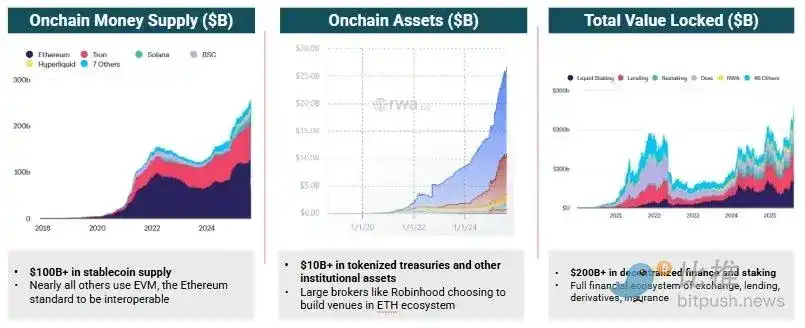
The adoption of on-chain financial instruments and the trend of the machine economy are booming.

Over the past year, we have witnessed a massive expansion of blockchain-native finance across the following five dimensions: (1) stablecoins, (2) decentralized lending and trading, (3) perpetual contracts, (4) prediction markets, and (5) Digital Asset Treasuries (DATs). The regulatory environment in the United States has become extremely favorable, driving an increase in both the number of projects and risk appetite.

Setting aside uncertainties brought by tariffs and market structure, a tolerant macro environment has also provided fertile ground for crypto innovation to take root. These trends are well-known and require no further elaboration with data.
However, 2025 has been an extremely difficult year for long-term investors in tokens and crypto assets other than Bitcoin.

If you were a trader or banker, you might have had a decent year—we saw record commissions from bringing DATs to market, as well as massive fee income generated by exchanges like Binance during their listing processes.

But for those of us with a 3-5 year investment horizon, the market structure has been terrible.

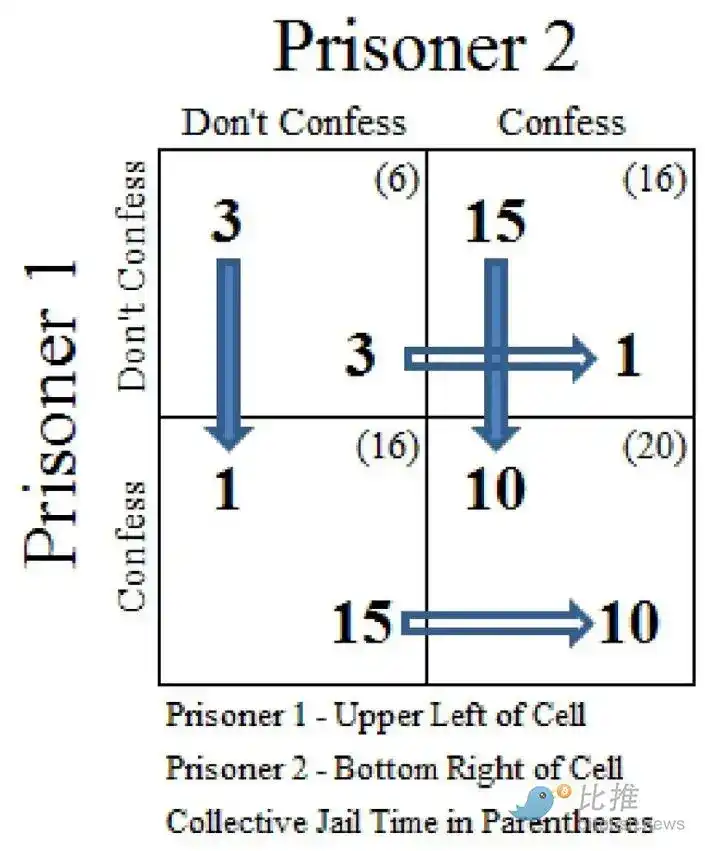
We are completely stuck in a "negative prisoner's dilemma": token holders, anticipating future selling pressure, are dumping any and all assets; meanwhile, market makers and exchanges that support the entire crypto economy are taking speculative positions focused solely on short-term gains. Token unlock mechanisms and issuance prices often drag projects down before they have achieved profitability or found product-market fit.
Furthermore, the market structural failure on October 10 this year clearly hit several major players hard. Although the losses have not been made public, the aftershocks of liquidations continue. The correlation among all crypto assets has risen to nearly 1, indicating industry-wide deleveraging by participants, despite their vastly different fundamental logics.

It is easy to retreat and become cynical at this moment.
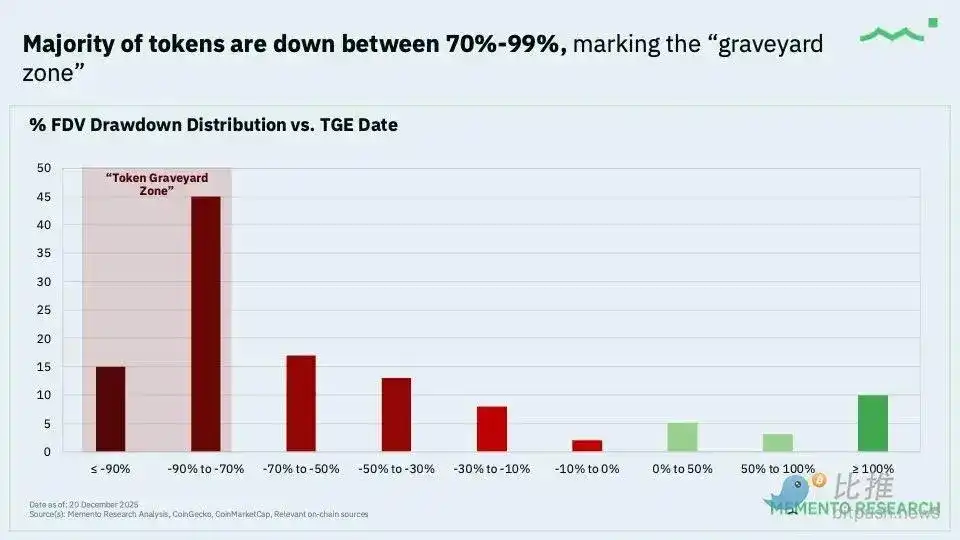
But we prefer to mark-to-market as clearly as possible in order to plan for future positioning.

The decline in the 2025 crypto investment field is information, but not a conclusion. It is likely that 2026 will see large-scale liquidations in the secondary market for private companies. At that time, we will analyze how so many Special Purpose Vehicles (SPVs) were issued at high valuations during the crypto boom.

Meanwhile, the vision of programmable finance and "Robot Money" continues to materialize, and we must continue to work hard to find the best positioning in its inevitable rise.

For context, see the chart below. This chart, zoomed into the past decade, shows the market value creation across several regions and industries.
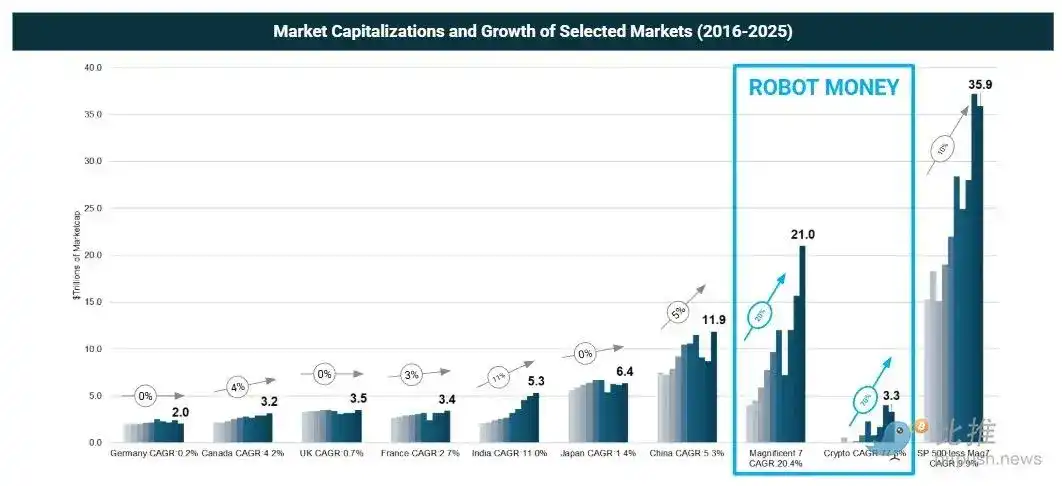
When we look at this history, the value creation in the cryptocurrency and AI fields is staggering compared to the rest of the world.

European capital markets (around $2-3 trillion per country) have achieved almost nothing, merely maintaining the status quo. You might as well invest in government bonds, earn 3% interest annually, and probably create more value. On the right side of the chart, India and China show a Compound Annual Growth Rate (CAGR) of 5-10%, with net market cap growth of approximately $3 trillion and $5 trillion, respectively, over the same period.

With this scale in mind, look at what we define as "Robot Money":

The "Magnificent 7" representing tech and AI added about $17 trillion in market cap at an annual rate of 20%;

The crypto asset market, representing modern financial rails, added $3 trillion over the same period, with a CAGR as high as 70%.

This is the future financial center.

But being logically correct is not enough. We must meticulously lock onto the parts of the value chain that have not yet been noticed by the world. Think back to talking about robo-advisors in 2009, neobanks in 2011, or DeFi in 2017—the vocabulary and associations were not yet formed at the time, and it took 2-5 years for these outcomes to harden into clear business opportunities.

Value Capture in the Machine Economy

As a form of "masochistic" exercise, we compiled a 158-page summary report covering the most relevant players in the 2025 machine economy.

In public markets, 2025 was a year of "the strong get stronger, the weak fall behind."
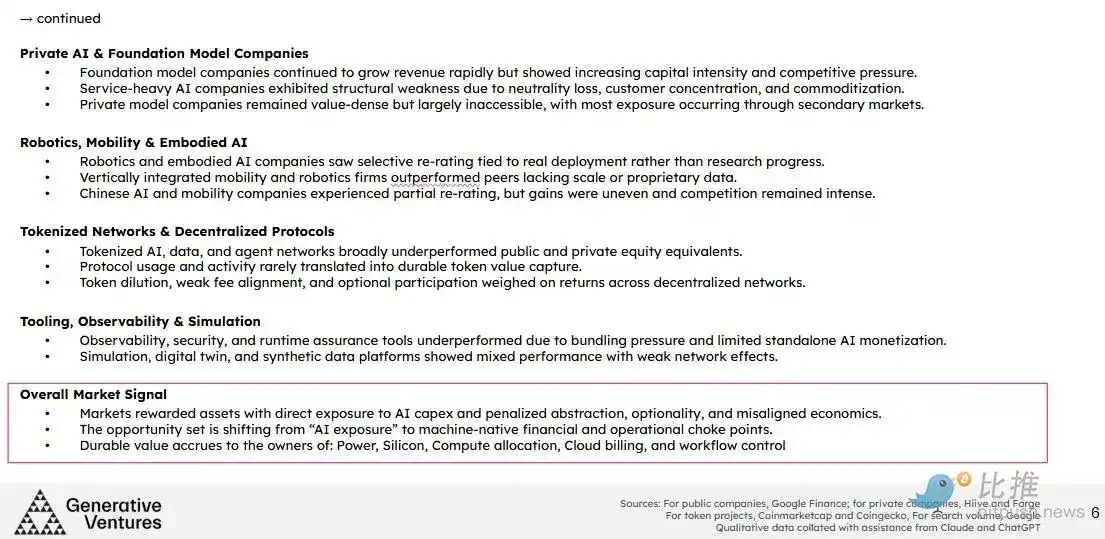
The clear winners were the owners of physical and financial bottlenecks: power, semiconductors, and scarce computing power.

Bloom Energy, IREN, Micron, TSMC, and NVIDIA all significantly outperformed the broader market, as capital chases assets that "machines must pass through."

Bloom and IREN are typical examples: they stand directly in the path of AI capital expenditure, converting urgency into revenue.

In contrast, traditional infrastructure like Equinix performed sluggishly, reflecting the market's view that the value of general-purpose capacity is far lower than that of power-guaranteed, high-density, customized computing power.
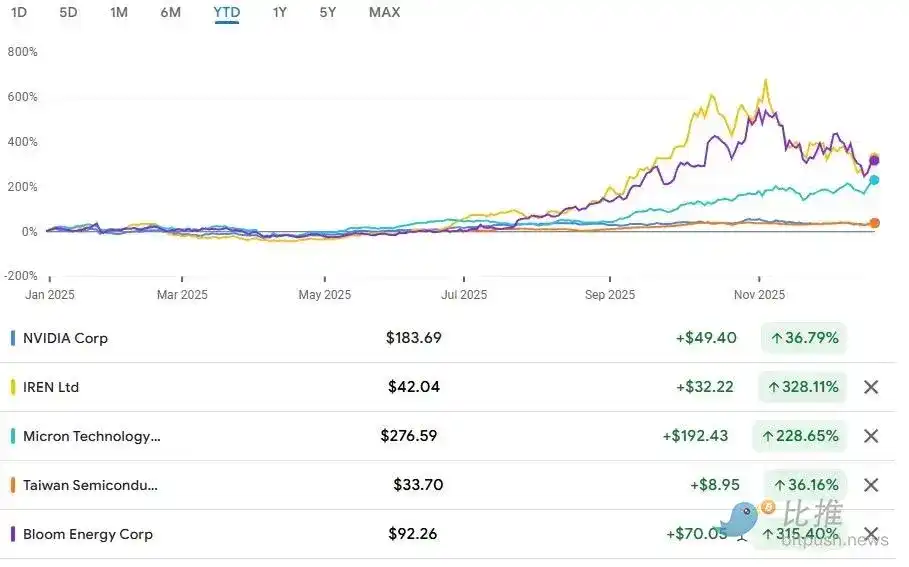
In the software and data space, performance diverged along another dimension: (1) Mandatory vs. (2) Optional. Platform-like enterprise systems embedded in workflows with mandatory renewals (like Alphabet, Meta) continued their compound growth, both rising year-to-date, as AI spending reinforced their existing distribution moats. ServiceNow and Datadog, despite strong products, saw returns dragged down by valuation pressures, bundling pressure from hyperscale cloud providers, and slower AI monetization. Elastic illustrates the adverse scenario: strong technical capabilities, but squeezed by cloud-native alternatives and deteriorating unit economics.
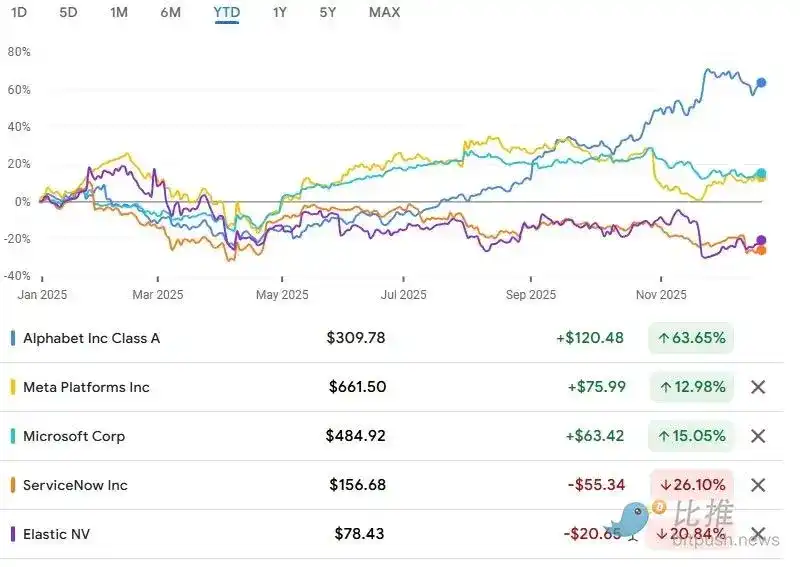
The private market shows a similar screening mechanism.

Foundation model companies are the protagonists of the story, but fragility is increasing. OpenAI and Anthropic are growing revenue rapidly, but their neutrality, capital intensity, and margin compression are now clear risks. Scale AI is this year's cautionary tale: a partial acquisition by Meta destroyed its "neutral" position and triggered customer churn, proving how quickly a heavy-service business model can unravel once trust is broken. In contrast, companies that control value (Applied Intuition, Anduril, Samsara, and emerging fleet operating systems) appear better positioned, even if value realization remains mostly non-public.

Tokenized networks were the worst-performing sector.

With very few exceptions, decentralized data, storage, agent, and automation protocols performed poorly, as usage failed to translate into token value capture.

Chainlink remains strategically important but struggles to align protocol revenue with its token economic model; Bittensor is the biggest bet in crypto AI but does not yet pose a substantive threat to Web2 lab companies; Giza and similar agent protocols show real activity but are hampered by dilution and meager fees. The market no longer rewards "collaborative narratives" without mandatory fee mechanisms.

Value is accumulating where machines are already paying—power, silicon, compute contracts, cloud bills, and regulated balance sheets—not where they might choose to pay someday in the future.

In 2025, the market rewarded ownership of "chokepoints" and punished projects with ideals but lacking control over cash flow or computing power. The core of alpha lies in: identifying where economic power already exists and betting on assets that machines cannot bypass.

Key Insights:

  • AI value realization is one layer deeper than most people anticipated.
  • Neutrality is now a first-class economic asset (refer to Scale AI).
  • "Platforms" only work when combined with control points, not merely as a feature.
  • AI software is deflationary (pricing pressure); AI infrastructure is inflationary.
  • Vertical integration only matters if it locks in data or economic effects.
  • Token networks are repeatedly undergoing the same market structure tests.
  • Merely having AI exposure is not enough; positioning quality determines everything.
  • Robotics hardware and software will be the next hype cycle, and we will likely see a similar investment wave and selective winners.

Positioning for 2026

Over the past two years, we have built a core portfolio covering the key themes discussed here. Looking ahead to 2026, our positioning and investment execution will be further strengthened.

Next, I will talk about our holding strategy.
Although the long-term vision of autonomous agents, robotics, and machine-native finance is directionally correct, the market is currently in a phase where valuations in private AI and robotics are extremely outrageous. Aggressive secondary liquidity and implied valuations above $100 billion mark a transition from the "discovery phase" to the "exit phase."

As an early-stage fund with a fintech angle, we must target areas downstream of this spending:

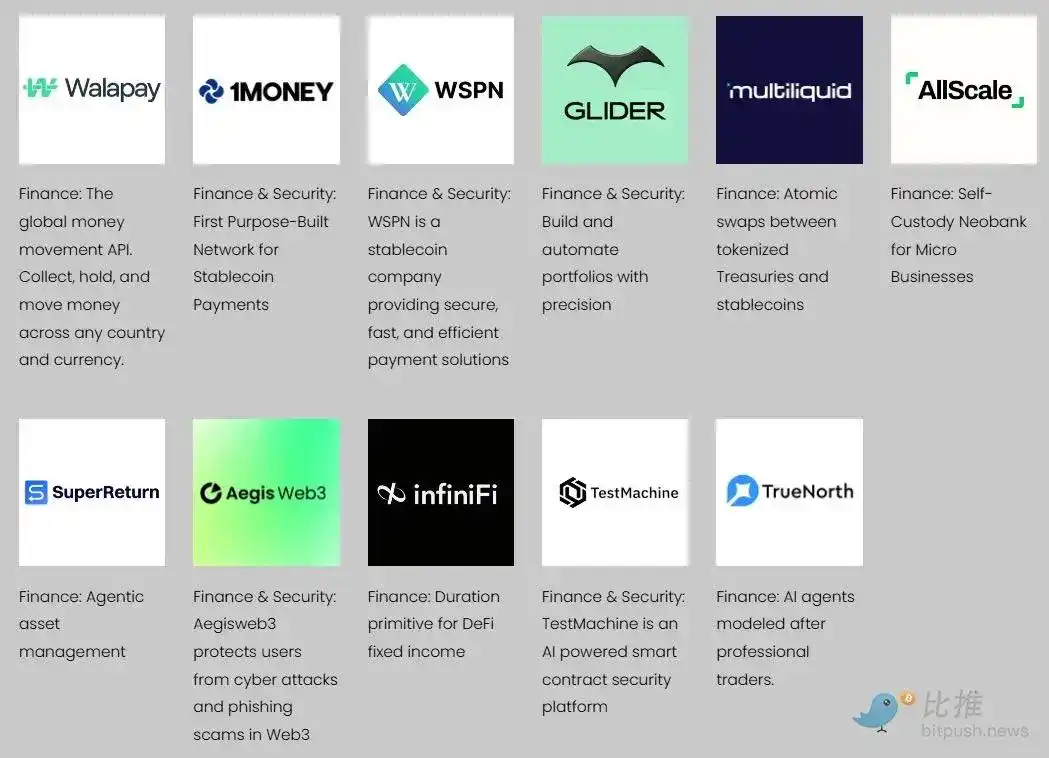
  • Machine Transaction Surfaces: Layers where machines or their operators already carry economic activity, such as payments, billing, metering, routing, and the orchestration of capital or compute, compliance, custody, and settlement primitives. Returns come through transaction volume, acquisition, or regulatory status, not speculative narratives. Walapay and Nevermined in our portfolio are examples.
  • Applied Infrastructure With Budgets: Infrastructure that enterprises or platforms are already procuring, such as compute aggregation and optimization, data services embedded in workflows, tools with recurring spend and switching costs. The focus is on ownership of budgets and depth of integration. Examples include Yotta Labs and Exabits.
  • High-Novelty Opportunities: A few asymmetric upside opportunities with uncertain timing: basic research, frontier science, AI-related culture or IP platforms. Our recent investment in Netholabs (a lab dedicated to simulating the complete digital brain of a mouse) fits this characteristic.

Additionally, until the token market structure issues are resolved, we will invest more aggressively in equity. Previously, our exposure was 40% tokens and 40% equity, with 20% flexibly allocated. We believe the token space needs 12-24 months to digest the current difficulties.

Key Takeaways

You don't need to be a venture capitalist to learn from and benefit from these market dynamics.

Massive capital expenditure is flowing from tech giants to energy and component suppliers. A handful of companies expected to be multi-trillion-dollar public market winners are choosing to remain private while spinning off Special Purpose Vehicles (SPVs). Public companies are defending as best they can. Political power is centralizing and nationalizing these initiatives—whether it's Musk and Trump, or China and DeepSeek—rather than supporting their decentralized alternatives in Web3. Robotics is intertwined with national manufacturing and the military-industrial complex.

In creative industries (from gaming to film, music), there is resistance to AI, with practitioners of "human craft"排斥 those robots that claim to do the same thing.

In the software, science, and mathematics industries, however, people see AI as a great achievement that helps discover and build efficient business architectures.
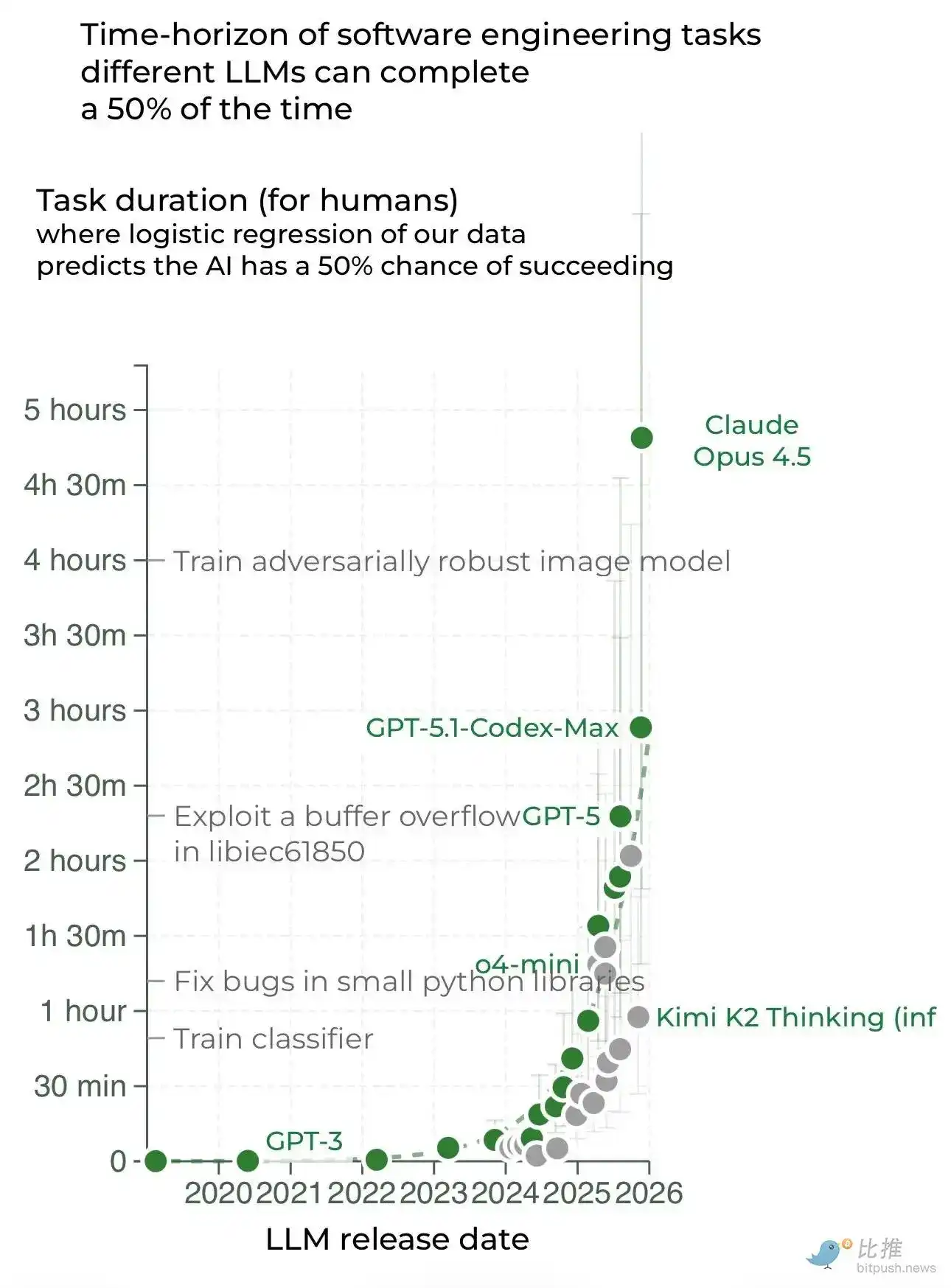
We need to stop believing in this collective illusion and return to reality. On one hand, dozens of companies have achieved over $100 million in annual revenue by serving users; on the other hand, the market is also filled with大量的 falsehoods and scams. Both are true, existing in parallel.

The new year will bring a comprehensive reshuffle, but it also contains huge opportunities. Success can only be achieved by walking carefully on the tightrope of opportunity. See you on the other side!


Criptos en tendencia

Preguntas relacionadas

QAccording to the article, what was the main structural problem in the crypto market in 2025 for long-term investors?

AThe market was trapped in a 'negative prisoner's dilemma' where token holders, anticipating future selling pressure, sold off assets, while market makers and exchanges took short-term speculative positions. Token unlock mechanisms and issuance prices often crushed projects before they could achieve profitability or find product-market fit.

QWhat does the article identify as the clear winners in the public markets for 2025, and why?

AThe clear winners were the owners of physical and financial bottlenecks: electricity, semiconductors, and scarce compute power. Companies like Bloom Energy, IREN, Micron, TSMC, and NVIDIA significantly beat the market because capital was chasing assets that 'machines must pass through'.

QHow did the performance of tokenized networks compare to other sectors in the machine economy, as described in the article?

ATokenized networks were the worst-performing sector. With few exceptions, decentralized data, storage, agent, and automation protocols performed poorly because usage failed to translate into token value capture. The market no longer rewarded 'collaborative narratives' without mandatory fee mechanisms.

QWhat are the three key investment areas the venture capital firm is focusing on for 2026?

AThe three key investment areas are: 1) Machine Transaction Surfaces (layers where machines or their operators already conduct economic activity), 2) Applied Infrastructure With Budgets (infrastructure that enterprises or platforms are already procuring), and 3) High-Novelty Opportunities (asymmetric upside opportunities with uncertain timing, like frontier science).

QWhat core shift in investment strategy does the article mention regarding tokens vs. equity?

AThe strategy has shifted to be more aggressive in investing in equity. Previously, the allocation was 40% tokens and 40% equity, with 20% flexible. The article states that the token space will need 12-24 months to digest its current predicament, leading to a greater focus on equity investments.

Lecturas Relacionadas

¿Dónde está el anclaje de valoración de MegaETH tras la salida de Aave y la fuerte volatilidad de su TVL?

Según datos de DefiLlama, MegaETH experimentó una fuerte volatilidad en su TVL entre el 9 y el 10 de julio, cayendo brevemente a poco más de 30 millones de dólares, lo que supone una caída del 60% en 24 horas y un descenso del 70% respecto al pico de mayo. El principal protocolo en cadena, Aave V3, retiró alrededor del 80% de su liquidez en un día. El precio del token MEGA cayó a unos 0,048 dólares, con una capitalización de mercado de unos 54 millones de dólares y un FDV de aproximadamente 4.800 millones. MegaETH, una vez una de las nuevas blockchains más esperadas, contó con una fuerte afluencia de capital inicial respaldado por importantes fondos de capital de riesgo y entusiasmo de KOLs. En su punto máximo, su FDV alcanzó los 20.000 millones de dólares y su TVL de DeFi llegó a 245 millones, posicionándose entre las 11 principales blockchains. Sin embargo, su TVL dependía en gran medida de Aave y de estrategias de apalancamiento con stablecoins como USDe. Cuando el rendimiento de USDe cayó por debajo del coste de préstamo en Aave, estas posiciones se desmontaron, provocando una salida masiva de capital. Actualmente, el valor de MegaETH parece desalineado con su actividad real. Con un FDV de 4.700 millones de dólares, los protocolos de la cadena generan menos de 90.000 dólares de ingresos reales en 30 días y tienen solo 2.619 direcciones activas diarias. Además, gran parte de los ingresos provienen de una aplicación de juego de cartas, Monster, y no de protocolos DeFi. Su stablecoin nativa, USDM, también está perdiendo valor. La comunidad critica la falta de comunicación del equipo y la migración de proyectos a otras cadenas. El caso de MegaETH refleja una tendencia más amplia en la que el mercado está dejando de premiar los altos TVL impulsados por incentivos o arbitraje, exigiendo en su lugar fundamentos sólidos, ingresos reales y un ecosistema saludable para respaldar la valoración. A menos que el equipo pueda convertir el capital recaudado en adopción y utilidad real, es difícil ver un pilar sólido para su valoración más allá de posibles rebotes temporales por sentimiento del mercado.

链捕手Hace 2 hora(s)

¿Dónde está el anclaje de valoración de MegaETH tras la salida de Aave y la fuerte volatilidad de su TVL?

链捕手Hace 2 hora(s)

Informe en profundidad de Goldman Sachs: ¿Quiénes serán los ganadores a largo plazo en la industria china de modelos de IA a gran escala?

Informe de Goldman Sachs sobre los posibles ganadores a largo plazo en la industria china de modelos de IA. Los modelos de inteligencia artificial de China se encuentran en un punto de inflexión histórico. Según Goldman Sachs, los modelos de código abierto han alcanzado un rendimiento cercano al de los modelos propietarios globales líderes. Esta evolución ha pasado del enfoque en la eficiencia de costos de DeepSeek el año pasado al momento de la inteligencia del modelo de GLM de Zhipu este año. La adopción por parte de empresas chinas y pymes globales se está expandiendo rápidamente, creando un efecto de vuelo de datos que impulsará nuevas iteraciones. La clave del éxito radica en la innovación arquitectónica y la eficiencia de parámetros, lo que permite a los modelos chinos lograr un rendimiento comparable a un costo significativamente menor. Se está formando una estructura de mercado de dos niveles: un segmento premium (ej. GLM5.2 de Zhipu) y un segmento de bajo costo para tareas de agentes inteligentes y usuarios sensibles al precio. Se proyecta que los ingresos por API y suscripciones de modelos chinos crecerán drásticamente, de 35 mil millones de RMB en 2026 a 879 mil millones en 2030. La estrategia predominante es el código abierto o de pesos abiertos, que favorece la adopción, aunque presenta desafíos para la monetización. La industria podría migrar hacia un modelo de "pesos abiertos + licencia comunitaria" con acuerdos de reparto de ingresos. La expansión internacional, especialmente en mercados no estadounidenses, representa la mayor oportunidad de crecimiento, aprovechando la ventaja de costo-rendimiento. Goldman Sachs identifica a los posibles ganadores utilizando un marco tridimensional que evalúa la capacidad de fijación de precios, la ventaja de costos y la solidez financiera. En modelos de texto básico, Zhipu AI y DeepSeek tienen la posición más sólida. En el ámbito multimodal/generación de video, ByteDance lidera con su modelo Seed. La firma mantiene su calificación de compra para MiniMax, citando su atractiva valoración.

marsbitHace 2 hora(s)

Informe en profundidad de Goldman Sachs: ¿Quiénes serán los ganadores a largo plazo en la industria china de modelos de IA a gran escala?

marsbitHace 2 hora(s)

Informe Profundo de Goldman Sachs: ¿Quién será el ganador a largo plazo en la industria china de modelos de IA grandes?

China se encuentra en un punto de inflexión histórico en cuanto a modelos de IA a gran escala. Según Goldman Sachs, los modelos chinos de código abierto/ponderaciones abiertas han alcanzado un rendimiento cercano al de los mejores modelos propietarios globales, con una rápida adopción por empresas chinas y pymes mundiales, creando un efecto de círculo virtuoso de datos para futuras mejoras. El informe destaca la ventaja de coste-eficiencia de los modelos chinos, lograda mediante innovaciones arquitectónicas (como MoE) que permiten alto rendimiento con menos parámetros activos (3-5%). Modelos como DeepSeek V4 Pro (1,6 billones de parámetros) y GLM5.2 de Zhipu (0,7 billones) son ejemplos clave. El LongCat 2.0 de Meituan, entrenado con chips nacionales, marca un hito en la autosuficiencia. El mercado se está estructurando en dos niveles: modelos premium (como GLM5.2, ~1$/millón de tokens) y modelos económicos para agentes de IA (~0.06-0.2$/millón). Se proyecta que los ingresos por API/suscripción crezcan desde 35.000 millones de RMB en 2026 hasta 879.000 millones en 2030. La estrategia predominante es el código abierto o ponderaciones abiertas (salvo ByteDance), lo que fomenta la adopción pero limita la monetización directa. Se espera una transición hacia licencias comunitarias con acuerdos de reparto de ingresos para mejorar la rentabilidad. La expansión internacional, especialmente en mercados no estadounidenses, es clave. El enfoque empresarial global está cambiando de maximizar tokens a priorizar el ROI. Plataformas como AWS Bedrock y Gemini ya ofrecen modelos chinos. Para identificar a los ganadores a largo plazo, Goldman Sachs aplica un marco basado en capacidad de fijación de precios, ventaja en costes y solidez financiera. En modelos de texto, Zhipu y DeepSeek tienen la posición más fuerte. En multimodal/generación de video, ByteDance lidera con Seed, seguido por Kuaishou y MiniMax. Se mantiene una calificación de compra para MiniMax y Kuaishou.

链捕手Hace 2 hora(s)

Informe Profundo de Goldman Sachs: ¿Quién será el ganador a largo plazo en la industria china de modelos de IA grandes?

链捕手Hace 2 hora(s)

Trading

Spot

Artículos destacados

Cómo comprar WIN

¡Bienvenido a HTX.com! Hemos hecho que comprar WINkLink (WIN) sea simple y conveniente. Sigue nuestra guía paso a paso para iniciar tu viaje de criptos.Paso 1: crea tu cuenta HTXUtiliza tu correo electrónico o número de teléfono para registrarte y obtener una cuenta gratuita en HTX. Experimenta un proceso de registro sin complicaciones y desbloquea todas las funciones.Obtener mi cuentaPaso 2: ve a Comprar cripto y elige tu método de pagoTarjeta de crédito/débito: usa tu Visa o Mastercard para comprar WINkLink (WIN) al instante.Saldo: utiliza fondos del saldo de tu cuenta HTX para tradear sin problemas.Terceros: hemos agregado métodos de pago populares como Google Pay y Apple Pay para mejorar la comodidad.P2P: tradear directamente con otros usuarios en HTX.Over-the-Counter (OTC): ofrecemos servicios personalizados y tipos de cambio competitivos para los traders.Paso 3: guarda tu WINkLink (WIN)Después de comprar tu WINkLink (WIN), guárdalo en tu cuenta HTX. Alternativamente, puedes enviarlo a otro lugar mediante transferencia blockchain o utilizarlo para tradear otras criptomonedas.Paso 4: tradear WINkLink (WIN)Tradear fácilmente con WINkLink (WIN) en HTX's mercado spot. Simplemente accede a tu cuenta, selecciona tu par de trading, ejecuta tus trades y monitorea en tiempo real. Ofrecemos una experiencia fácil de usar tanto para principiantes como para traders experimentados.

472 Vistas totalesPublicado en 2024.12.11Actualizado en 2025.03.21

Cómo comprar WIN

Discusiones

Bienvenido a la comunidad de HTX. Aquí puedes mantenerte informado sobre los últimos desarrollos de la plataforma y acceder a análisis profesionales del mercado. A continuación se presentan las opiniones de los usuarios sobre el precio de WIN (WIN).

活动图片