There is no new boss YET

比推Publicado a 2026-03-05Actualizado a 2026-03-05

Resumen

An Iranian deputy military commander from a southern district stated that the Strait of Hormuz has not been blockaded, but only vessels from the U.S. and Israel are prohibited from passing through. This caused a sharp, temporary drop in market prices for oil, gas, and container shipping routes (except European shipping, which remained down). The statement contrasts with Spain's recent refusal to allow the U.S. to use its bases for operations against Iran, where a spokesperson grimly warned of rising energy prices. Around the same time, a U.S. oil tanker sank in the Strait of Hormuz after reportedly “hitting a reef”—a claim viewed by some as corroboration of Iran’s military reports suggesting it was struck by a missile. The information landscape is filled with conflicting narratives, and all claims may be considered both true and false depending on perspective, as psychological and media operations are integral to modern warfare. There is no single authoritative voice in this conflict; even figures like Trump have contributed to the confusion with performative statements. Amid the chaos, all sides are maneuvering for strategic advantage, while humanitarian concerns are overshadowed by geopolitical games. The situation reflects a self-destructive struggle on a global scale.

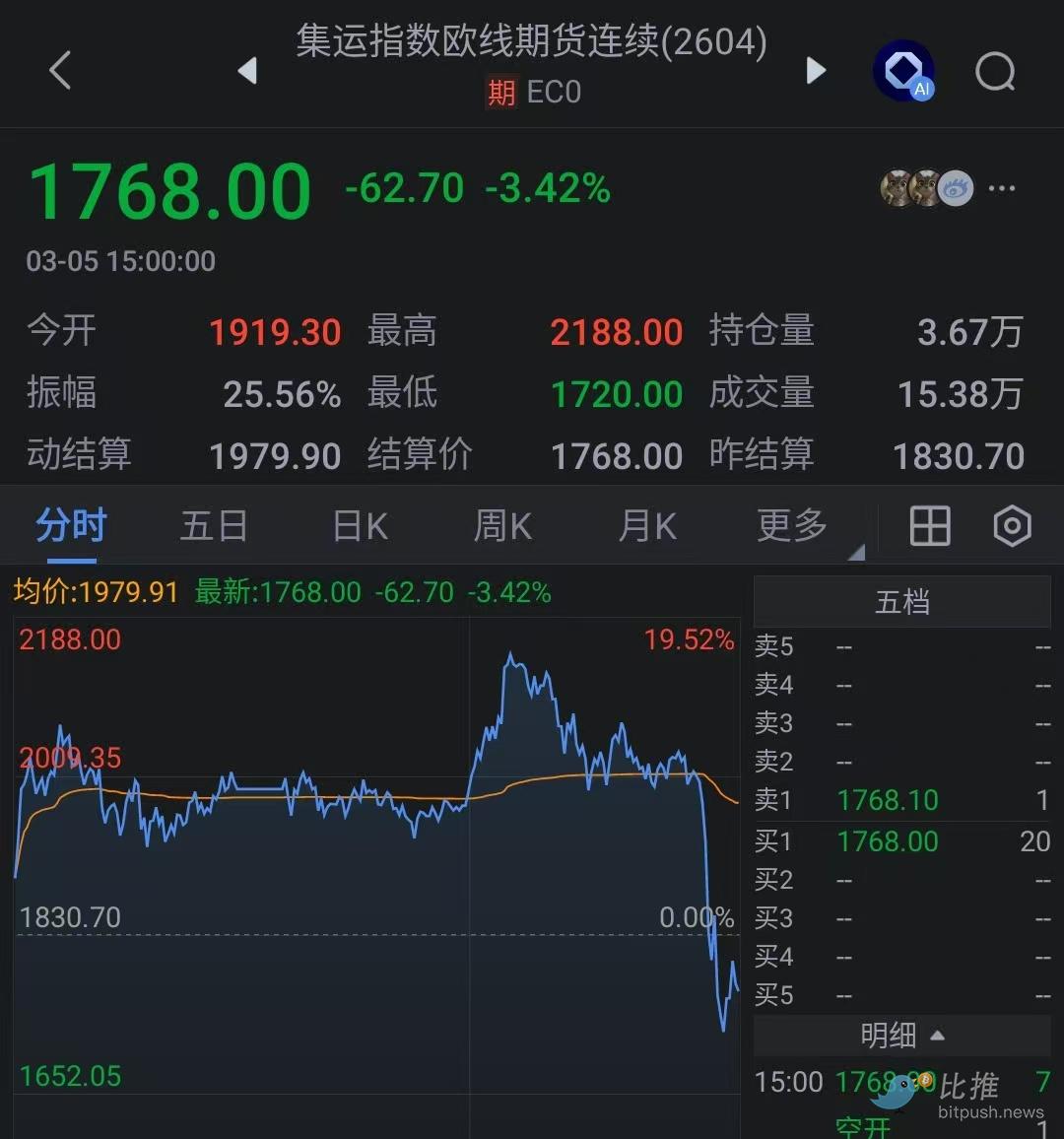
Just now, uh, a deputy commander of a military district in southern Iran said something: 'We have not blocked the Strait of Hormuz,' only prohibiting ships from the US and Israel from passing. This instantly scared the market into a slide, things like European shipping, oil, gas. Scared the hell out of them, a complete mess, but at this moment, most have deeply V-recovered [except for European shipping].

This is in stark contrast to the Spanish spokesperson who, with a grave expression [at a press conference announcing Spain's refusal to negotiate with the US and allow the use of Spanish bases to attack Iran], repeatedly stated that oil and gas prices are bound to rise.

At the moment of speaking, a US oil tanker 'ran aground' and sank in the Strait of Hormuz. Think about it, 'running aground' in the world's busiest energy transport artery. This actually verifies the Iranian military's combat report. It was sunk by a missile.

Some might say, with so many messages and news, which one is true? Who is fooling whom? Actually, all can be considered true (truth mixed with falsehood, falsehood mixed with truth, remember all is fair in war.), because there is no leading figure or authority now [even if there is, like Trump giving himself a 15 out of 10 (evaluating US-Iran actions at a press conference, scoring himself, full marks 10.), it would be full of drama, and the war of public opinion has always been synchronized with the overall war and runs through it from beginning to end.]. The information released by all parties at any given moment can be considered true, but viewed from the overall situation or different standpoints, it can also be considered false. 'Everyone' is searching for the kind of 'ladder' Littlefinger talked about in the chaos, collecting as many chips as possible.

As for humanity, as for compassion. Amidst the complex and numerous coercions, there is temporarily no place for them to stand. This is the self-inflicted disaster of a group of microorganisms on this planet.

Whatever, bro.

#KingOfWar#King of War
Original article link:https://www.bitpush.news/articles/7617058

Preguntas relacionadas

QWhat was the immediate market reaction to the Iranian commander's statement about not blocking the Strait of Hormuz?

AThe market was instantly frightened, causing a sharp decline in prices for routes like European container shipping, oil, and gas. However, these prices mostly experienced a deep V-shaped recovery shortly after, except for European container shipping.

QHow did the Spanish spokesperson's statement contrast with the Iranian commander's?

AThe Spanish spokesperson, with a grave expression, repeatedly stated that oil and gas prices would inevitably rise during a press conference where Spain refused to negotiate with the U.S. on using its bases to attack Iran. This formed a sharp contrast to the Iranian commander's statement that they were not blocking the strait but only banning U.S. and Israeli ships.

QWhat incident is reported to have occurred in the Strait of Hormuz that seemingly confirmed Iran's military report?

AA U.S. oil tanker was reported to have 'run aground' and sunk in the Strait of Hormuz. The article suggests this was a cover story and that the tanker was actually sunk by a missile, validating Iran's military claims.

QAccording to the article, why is it difficult to determine the truth from the various news and messages circulating?

AThe article states that all information released by various parties can be considered true at the moment it is given, but when viewed from an overall perspective or different standpoints, it can also be considered false. There is no single authoritative source, and information warfare is full of deception and drama, making it hard to discern the absolute truth.

QWhat is the overall tone of the article towards the geopolitical situation described?

AThe tone is cynical and pessimistic, describing the situation as a chaotic melee where parties are fighting for leverage, with humanity and compassion having no place. It concludes with a resigned 'so be it' attitude, referring to the conflict as the自作孽 (self-inflicted disaster) of the planet's microbes.

Lecturas Relacionadas

La Futura Narrativa Trillonaria del Cripto a la Luz de la OPV de SpaceX: ¿Qué Sectores Cripto Asumirán el Relevo?

Autor: Climber, CryptoPulse Labs El próximo IPO de SpaceX, valorando la compañía en aproximadamente 1,77 billones de dólares, no se trata solo del espacio, sino de un cambio en la lógica de valoración del capital hacia la infraestructura y los ecosistemas futuros. Este evento señala posibles áreas de crecimiento y efecto derrame para el mercado cripto. 1. **IA: Del enfoque en aplicaciones a la infraestructura.** El mercado está pasando de valorar aplicaciones de IA fáciles de replicar a priorizar los recursos de base escasos, como la potencia de cálculo. Proyectos como TAO (red de protocolos), RENDER, AKT e IO (redes de GPU) podrían revalorizarse como proveedores de infraestructura esencial, análogos a AWS en la era de Internet. 2. **RWA (Activos del Mundo Real): Más allá de los bonos.** La dificultad para invertir en activos futuros de alto crecimiento como SpaceX podría impulsar la tokenización de activos de capital y equity. Esto podría redefinir la circulación de activos, creando un mercado global de liquidez 24/7. Los primeros beneficiarios serían proyectos de infraestructura como ONDO (emisión), LINK (oráculos de datos) y Plume (redes de liquidez). 3. **Infraestructura clave: Stablecoins, pagos y DePIN.** Cualquier expansión económica en la cadena requerirá una capa de liquidación robusta. Las stablecoins evolucionan de medio de intercambio a infraestructura financiera global. Los protocolos de pago podrían convertirse en super-entradas. Los proyectos DePIN, que usan incentivos tokenizados para construir redes físicas (como WiFi o mapas), podrían ser revalorizados, siguiendo la lógica que da alto valor a redes como Starlink. En conclusión, el IPO de SpaceX refleja una transición capital: de financiar narrativas a financiar infraestructura y flujos de caja. Los ganadores a largo plazo en el espacio cripto podrían no ser las aplicaciones más llamativas, sino aquellos que construyan los sistemas base: infraestructura de IA, RWA, stablecoins, redes de pago y DePIN.

marsbitHace 12 min(s)

La Futura Narrativa Trillonaria del Cripto a la Luz de la OPV de SpaceX: ¿Qué Sectores Cripto Asumirán el Relevo?

marsbitHace 12 min(s)

¡Colapso brutal en el mundo de las cripto! Bitcoin rompe los 60.000 dólares, Ethereum se desploma más de un 10% y MicroStrategy es acosada por los bajistas

El sector de criptomonedas sufre una fuerte caída: Bitcoin rompe el soporte de 60.000 dólares y Ethereum se desploma más del 10%, mientras la empresa MicroStrategy es objeto de un ataque de los vendedores en corto. Bitcoin cayó a un mínimo de seis meses, tocando los 59.099,25 dólares, con una pérdida semanal del 16%. La venta de parte de las tenencias de Bitcoin por parte de MicroStrategy, dirigida por Michael Saylor, desencadenó liquidaciones forzadas por valor de cientos de millones. Esto, combinado con unos datos de empleo en EE.UU. más fuertes de lo esperado que impulsaron los rendimientos de los bonos, presionó a los activos de riesgo. Las acciones de MicroStrategy cayeron un 24% en la semana, su peor desempeño desde 2022. La actividad con opciones de venta (puts) contra la empresa se disparó. Analistas señalan que los fondos especulativos se están redirigiendo hacia acciones de IA y chips, creando un efecto de desalojo para las criptomonedas. Además, las perspectivas para la ley "Clarity Act" en EE.UU., que podría haber sido un catalizador, se han desvanecido. Bitcoin ha perdido más de la mitad de su valor desde el máximo histórico de octubre de 2025. Su correlación con los índices bursátiles estadounidenses, que era fuerte, se ha roto recientemente. Los ETF de Bitcoin registraron una pequeña entrada de fondos, poniendo fin a 13 días de salidas, pero su patrimonio total se ha reducido significativamente. A pesar del pesimismo, algunos, como el CEO de Strive, Matt Cole, mantienen que los fundamentos de Bitcoin son sólidos y ven la caída como una oportunidad de compra. Mientras tanto, la presión sobre los instrumentos de deuda de MicroStrategy (STRC) aumenta, ya que los inversores exigen mayores rendimientos tras el cambio de estrategia de la empresa. El aumento de las probabilidades de subidas de tipos de interés por parte de la Fed añade más presión al panorama.

华尔街日报Hace 50 min(s)

¡Colapso brutal en el mundo de las cripto! Bitcoin rompe los 60.000 dólares, Ethereum se desploma más de un 10% y MicroStrategy es acosada por los bajistas

华尔街日报Hace 50 min(s)

Las acciones tecnológicas se desploman y el Bitcoin se hunde, mientras el capital minorista enfrenta la prueba definitiva en vísperas de la salida a bolsa de SpaceX

Las acciones tecnológicas sufrieron su mayor caída en meses y Bitcoin cayó por debajo de los 60.000 dólares, coincidiendo con los preparativos de SpaceX para su próxima OPV, la mayor de la historia. Los datos de empleo de EE.UU. en mayo, más fuertes de lo esperado, redujeron las expectativas de recortes de tipos de la Fed, provocando fuertes ventas en sectores de alta valoración como la IA y los semiconductores. Bitcoin perdió un 7%, borrando todas las ganancias desde las elecciones de Trump. La caída sincronizada pone a prueba la capacidad de los inversores minoristas, cruciales para la OPV de SpaceX, que planea asignar hasta un 30% de las acciones a este segmento. Sin embargo, el efectivo disponible en cuentas minoristas está en mínimos, por lo que es probable que tengan que vender otros activos, como acciones de Tesla, para financiar la compra. Los expertos advierten que el mercado actual está saturado de opciones especulativas (criptomonedas, "meme stocks", ETFs apalancados, etc.) que compiten por el mismo capital minorista. Aunque la OPV de SpaceX podría generar un nuevo entusiasmo, retener a los inversores minoristas es un reto mayor. Tienden a operar a corto plazo, impulsados por el momento, y las herramientas de trading modernas facilitan un movimiento rápido de capital entre distintas narrativas de inversión. En este contexto, incluso una OPV histórica como la de SpaceX es solo el último y más caro participante en una constante batalla por la atención y los fondos de los inversores.

华尔街日报Hace 1 hora(s)

Las acciones tecnológicas se desploman y el Bitcoin se hunde, mientras el capital minorista enfrenta la prueba definitiva en vísperas de la salida a bolsa de SpaceX

华尔街日报Hace 1 hora(s)

Trading

Spot
Futuros
活动图片