Strategy Maintains Nasdaq 100 Spot Despite MSCI Drama — Details

bitcoinistPublicado a 2025-12-14Actualizado a 2025-12-14

Resumen

Strategy (formerly MicroStrategy) has retained its position in the Nasdaq 100 index following its latest annual reshuffle, despite the risk of potential exclusion from MSCI’s indexes. The company, the largest corporate holder of Bitcoin, survived the rebalancing while several other firms were added or removed. However, MSTR’s stock price has declined nearly 25% over the past month. Amid these developments, global index provider MSCI is considering excluding companies with significant crypto holdings from its indices. In response, Strategy’s leadership has engaged with MSCI, arguing that the firm is not merely a passive Bitcoin holder but an active software company with a strategic financial approach. They support consistent eligibility criteria but oppose MSCI’s proposal to delist firms with over 50% digital asset exposure. Analysts warn that such a move could result in significant outflows for Strategy.

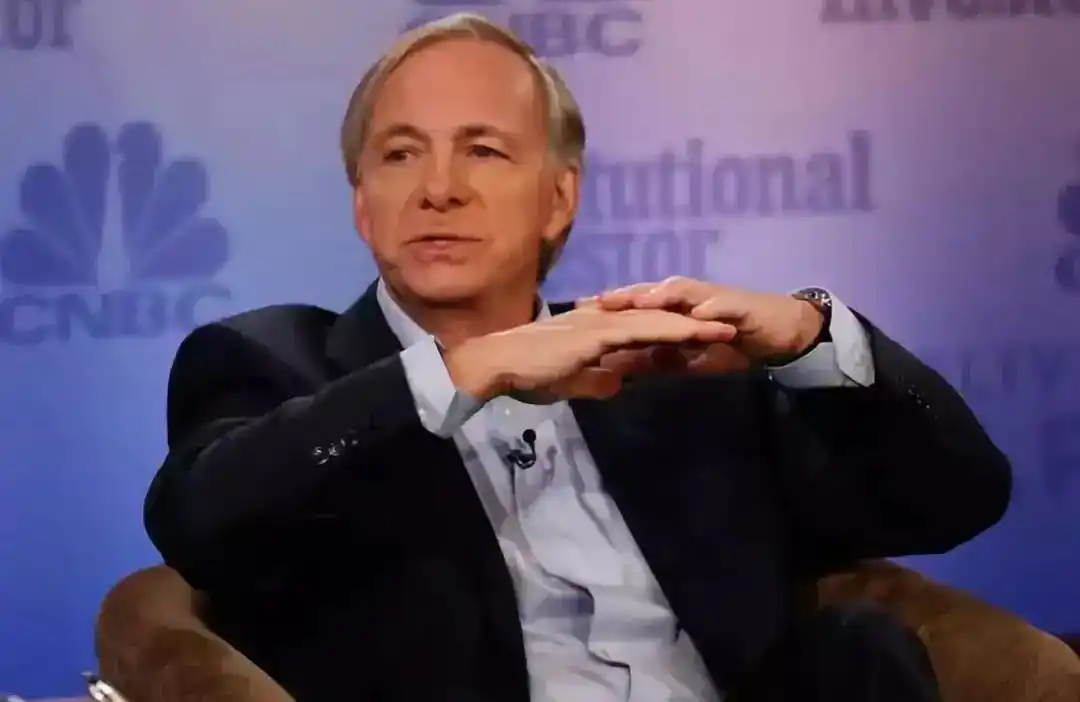
Strategy (formerly MicroStrategy) has kept its place in the Nasdaq 100 during this year’s reshuffling—its first since joining the index in a similar event last December. This comes as a piece of good news as the Bitcoin corporate buyer contends with the risk of possible exclusion from Morgan Stanley Capital International (MSCI)’s indexes.

MSTR Survives First Nasdaq 100 Reshuffling

On Friday, December 12, Reuters revealed that Strategy (with the ticker MSTR), the largest corporate holder of Bitcoin, survived its first Nasdaq 100 rebalancing since joining the index. As its name suggests, the Nasdaq 100 tracks the performance of 100 of the largest non-financial companies listed on the Nasdaq stock exchange.

According to the report, this reshuffling saw Biogen, CDW, GlobalFoundries, Lululemon, On Semiconductor, and Trade Desk lose their places in the index. At the same time, Alnylam Pharmaceuticals, Ferrovial, Insmed, Monolithic Power Systems, Seagate, and Western Digital made it into the Nasdaq 100.

These changes to the Nasdaq 100 index are expected to come into effect on Monday, December 22.

Despite the positive nature of this development, the MSTR price closed the day on a nearly 4% decline, which has been the theme for the stock as of late. According to the latest market data, the Strategy stock is down by almost 25% in the past month.

Strategy Urges MSCI To Reconsider Index Criteria

Furthermore, this positive event comes at a time when other index providers are reevaluating their inclusion criteria. As Bitcoinist earlier reported, global index provider MSCI stated that it is considering the exclusion of companies with business models that focus heavily on holding crypto assets.

However, Strategy’s cofounder and chairman, Michael Saylor, stated that his firm is not merely a passive Bitcoin holding entity but rather a software firm with a proactive financial strategy. According to Saylor, the firm is in discussions with MSCI regarding its plans to exclude companies whose crypto holdings exceed 50% of total assets from its indices.

In a recent letter endorsed by Saylor and CEO Phong Le, Strategy voiced its support for MSCI’s intentions to establish consistent eligibility criteria across its indices. Nevertheless, the firm urged MSCI to reconsider its plan to delist companies with over 50% digital asset holdings from its Global Investable Market Indexes.

While Saylor has countered their evaluation, saying an exclusion “won’t make any difference,” JP Morgan analysts estimate that Strategy alone might face outflows of up to $2.8 billion as a direct consequence of MSCI’s decision.

The price of MSTR on a daily timeframe | Source: MSTR chart on TradingView

Preguntas relacionadas

QWhat is the main reason Strategy (MSTR) remained in the Nasdaq 100 index during the recent reshuffling?

AStrategy maintained its place in the Nasdaq 100 because it met the index's criteria as one of the largest non-financial companies on the Nasdaq exchange, despite other companies being removed.

QWhich companies were removed from the Nasdaq 100 index in the reshuffling mentioned in the article?

ABiogen, CDW, GlobalFoundries, Lululemon, On Semiconductor, and Trade Desk were removed from the Nasdaq 100 index.

QWhat risk is Strategy currently facing from MSCI, and how is the company responding?

AStrategy faces potential exclusion from MSCI indexes due to its significant Bitcoin holdings. The company is urging MSCI to reconsider its criteria, arguing it is a software firm with a proactive financial strategy, not just a passive crypto holder.

QWhat financial impact does JP Morgan analysts predict for Strategy if MSCI excludes it from its indexes?

AJP Morgan analysts estimate that Strategy could face outflows of up to $2.8 billion if MSCI excludes it from its indexes.

QHow has Strategy's stock performance been recently, according to the article?

AStrategy's stock has declined nearly 25% in the past month, closing nearly 4% down on the day the reshuffling news was announced.

Lecturas Relacionadas

¡Bitcoin y Ethereum suben al unísono! Ocho altcoins que vale la pena seguir en el futuro

Bitcoin y Ethereum están subiendo. Bitcoin se acerca a los 77,000 dólares y Ethereum ha subido un 20% en un día, cerca de los 2,400 dólares. El dinero podría empezar a moverse de las principales criptomonedas a las "altcoins" (criptomonedas alternativas) con mayor potencial de crecimiento. Sin embargo, no todas las altcoins subirán. Solo los proyectos con usuarios reales, ingresos estables y una buena estructura de suministro de tokens recibirán este capital. El artículo destaca ocho altcoins prometedoras en diferentes categorías: * **Cadenas de alta velocidad:** * **SOL:** El líder claro. Aunque ya es una criptomoneda principal, podría tener más crecimiento. Es una opción sólida para esta categoría. * **SUI:** Tiene alto potencial pero también alto riesgo debido a que solo una parte de sus tokens están en circulación. Hay que prestar atención a las fechas de liberación de tokens. * **Finanzas descentralizadas (DeFi):** * **UNI y AAVE:** Son los líderes en este sector. Ambas generan ingresos reales. UNI ha mejorado su utilidad para capturar valor, y AAVE tiene una estructura de tokens muy sólida. * **MORPHO:** Crece rápido, pero su token tiene menos utilidad y su información de suministro no es muy clara. * **Intercambios de derivados (Perp DEX):** * **HYPE:** Es el líder indiscutible en este mercado, con ingresos muy altos. Sin embargo, su precio ya ha subido mucho y gran parte de sus tokens aún no están en circulación, lo que supone un riesgo. * **Activos del mundo real (RWA) e infraestructura:** * **LINK:** Es una opción segura. Se beneficia de varias tendencias como los RWA y las finanzas institucionales en la cadena. * **ONDO:** Tiene un modelo de negocio en crecimiento, pero está muy concentrado en pocos dueños y tendrá una gran liberación de tokens en 2027, lo que es un riesgo. **Conclusión:** El mercado podría estar entrando en una fase de crecimiento para las altcoins. Se recomienda priorizar proyectos con fundamentos sólidos como SOL en cadenas, UNI/AAVE en DeFi y LINK en infraestructura. Proyectos como SUI, HYPE y ONDO ofrecen mayor ganancia potencial pero conllevan más riesgos (como la concentración y la futura liberación de tokens), por lo que son para asignaciones de cartera más pequeñas.

marsbitHace 1 hora(s)

¡Bitcoin y Ethereum suben al unísono! Ocho altcoins que vale la pena seguir en el futuro

marsbitHace 1 hora(s)

Un unicornio de Shanghái valorado en 10 mil millones se dispone a cotizar en bolsa

Una empresa unicornio de chips automotrices, con sede en Shanghai y valorada en más de 10 mil millones de yuanes, se prepara para cotizar en la bolsa. Calterah Microelectronics (Shanghái) ha presentado su prospecto para el STAR Market de la Bolsa de Shanghai, con el objetivo de recaudar 3.489 millones de yuanes. Fundada en 2014 por el doctor Chen Jiashu de UC Berkeley y su mentor, Ali Niknejad, Calterah rompió el monopolio de gigantes internacionales en chips de radar de ondas milimétricas para automóviles. Apostando por la tecnología CMOS, logró reducir costos significativamente, abaratando los sensores y expandiendo su uso. Con una cuota de mercado del 31.1% en China y más de 30 millones de chips entregados, sus clientes incluyen BYD, Geely, NIO y Volvo. La empresa ha completado 11 rondas de financiación, respaldada por inversores como el Fondo Nacional de Circuitos Integrados II, Capital Automotive de GAC y Sequoia Capital China. A pesar de que sus ingresos se triplicaron en tres años, alcanzando los 632 millones de yuanes en 2025, la empresa sigue reportando pérdidas (932 millones acumulados en 2023-2025), principalmente debido a su enorme inversión en I+D. Más del 65% de su personal se dedica a investigación. Aunque la rentabilidad bruta supera el 47%, los altos costos de desarrollo mantienen a la compañía en números rojos, aunque estas pérdidas se están reduciendo. Dos desafíos clave son su alta dependencia de un cliente principal (BYD representó más del 50% de sus ventas en 2025) y una cadena de suministro concentrada. La salida a bolsa busca proporcionar capital para diversificar su base de clientes y fortalecer su posición en el competitivo mercado de chips automotrices.

marsbitHace 2 hora(s)

Un unicornio de Shanghái valorado en 10 mil millones se dispone a cotizar en bolsa

marsbitHace 2 hora(s)

Trading

Spot
活动图片