Silicon Valley Startup Guru Steve Blank: In the AI Era, Companies Over Two Years Old Should Start Over

marsbitPublicado a 2026-04-16Actualizado a 2026-04-16

Resumen

Silicon Valley entrepreneur Steve Blank argues that startups founded over two years ago are likely operating with outdated business plans due to rapid AI-driven changes. He emphasizes that AI is reshaping development speed, team structures, pricing models, and competitive moats. Startups must reassess their strategies, as AI tools enable faster MVP development, shift bottlenecks from engineering to judgment and distribution, and transform software from user interfaces to outcome-driven agents. Hardware startups are also affected, with AI accelerating design testing and integration. Blank warns against sunk cost mentalities and urges founders to pivot using current tools and market realities to survive. Key shifts include moving from product-market fit to AI agent-customer outcome fit and embracing parallel development over traditional agile methods.

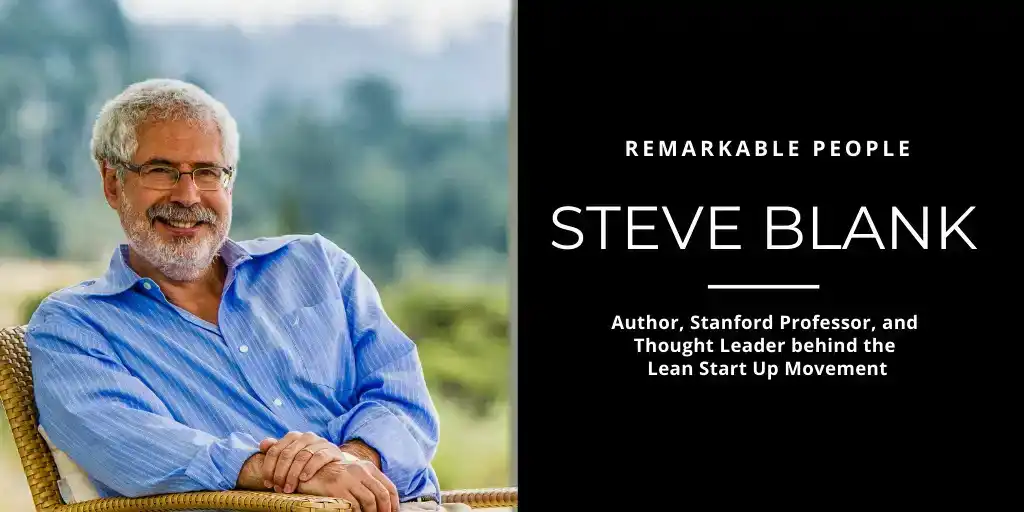
Deep Tide Guide: The author of this article, Steve Blank, is very famous in the Silicon Valley startup circle and is known as the "Father of Lean Startups." He wrote The Four Steps to the Epiphany and is the proposer of the Customer Development methodology.

Eric Ries's The Lean Startup was developed based on his theory. He has taught entrepreneurship courses at Stanford, Berkeley, and Columbia University, and the U.S. National Science Foundation's I-Corps program is also built on his methodology.

Steve Blank recently had coffee with a founder he had invested in and found that the founder had been working hard for six years without realizing that the outside world had changed.

He wrote this article, and the core point is straightforward:

If your company was founded more than two years ago, your business plan is likely outdated. AI is reshaping development speed, team size, pricing models, and competitive moats. Founders still running with a 2024 playbook are unlikely to make it to the next round of funding.

For readers who are currently starting businesses or are interested in the tech and venture capital scene, firsthand observations from across the ocean are worth reading.
Below is the full translation.

If your company was founded more than two years ago, many of the original assumptions likely no longer hold.

You need to stop what you're doing—whether it's coding, building products, hiring, or fundraising—and first look around to see what's happening. Otherwise, the company will die.

A Cup of Coffee-Induced Anxiety

I just had coffee with Chris. Chris is a founder I invested in six years ago, and he has been working hard ever since, focusing on:

1) A complex autonomous systems problem,

2) In an existing market,

3) With a unique business model.

Chris is now preparing to launch his first large-scale funding round. I reviewed his investor deck and found a problem: While he was heads-down working, the outside world has undergone earth-shaking changes.

The autonomous systems software moat he spent five years building is becoming less and less unique. Autonomous drones and ground vehicles in Ukraine have spawned dozens, if not hundreds, of companies with larger teams and more funding working on the same things.

While Chris has been pushing for customer adoption in his niche market (which indeed needs disruption but is still controlled by incumbents), demand for autonomous technology has exploded in an adjacent market: defense.

Over the past five years, VC investment in defense startups has surged from zero to $20 billion annually. His product is suited for logistics and medical evacuation in contested environments. But he was completely unaware of these opportunities in the defense market.

Chris's team did achieve impressive system integration (deep integration with an existing flight platform, making his solution different from most competitors), so there is still a business, but it's no longer the business originally envisioned.

After talking with Chris, I realized: Most startups founded more than two years ago have outdated business plans, and their tech stacks and team configurations are likely obsolete.

If you haven't been looking up recently, here's what you've missed.

What Has Changed

VC money is heavily tilting toward AI. In 2025, AI projects took two-thirds of total VC investment. This means if what you're doing isn't AI-related, you're competing for a smaller pool of capital. Non-AI startups must answer a question: Why can't a better-funded, AI-native competitor simply eat your market?

For software founders, AI has completely rewritten the old formulas for cost, speed, and manpower. Using tools like Claude Code or OpenAI Codex for "Vibe Coding," an MVP (Minimum Viable Product) can be built in days or even hours, not months. This also means the MVP itself no longer proves your team's capability.
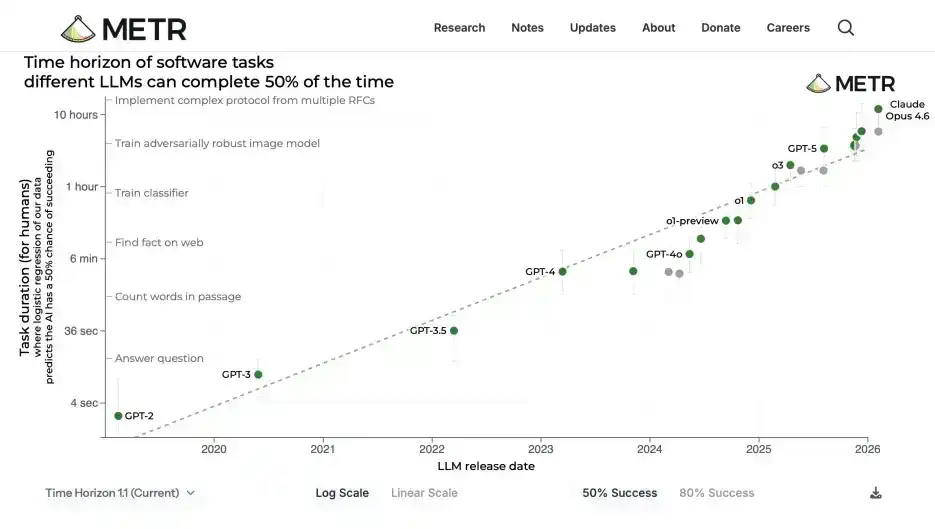
These tools are changing the composition of development teams: Fewer engineers, and the types of engineers are changing, with a split between "business process engineers" and "deep tech engineers."

Work that used to require a development team can now be done by a few people, sometimes just one. Data, once a source of differentiation and a moat, is being commoditized by foundation models (ChatGPT, Gemini, Claude) for public data sources.

The very concept of agile development needs rethinking.

The old bottleneck was: Can we afford to build and release this product? The new bottleneck is: Do we know what to test? Can we reach users fast enough to learn? Agile is no longer a serial process. AI Agents can run multiple things in parallel at the same or lower cost.

You can now test multiple versions of the same business simultaneously, or even test different business directions at the same time. You can run five pricing models, ten marketing messages, twenty UX flows concurrently. And the "user interface" might no longer be a screen; the test goal might become: finding the prompt that gets the AI Agent to deliver the desired outcome.
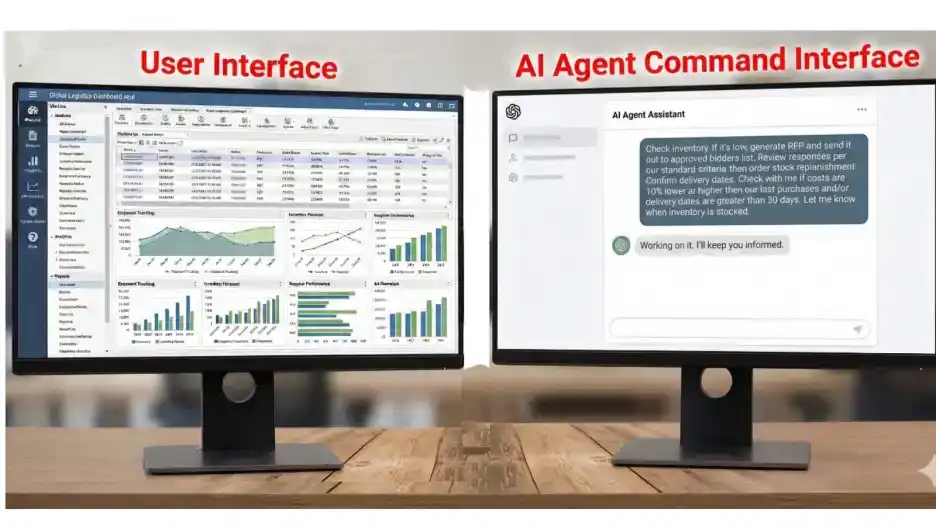
The bottleneck is no longer engineering capability but has shifted upward to judgment, insight into customer desired outcomes, and distribution.

AI Agents Will Rewrite Every Software Category

AI Agents will change every software category, including yours.

Today's software applications work like this: Show information to the user and wait for the user to act through interfaces like dashboards, alerts, workflow tools, and reports. But customers buy software to get a job done, not to look at more screens. Actually getting the job done is what AI Agents (orchestrated by tools like OpenClaw) will achieve autonomously.

What does this mean?

If your product currently tells the user "what to do next," an AI Agent will eventually do that step for the user. If a competitor's product automatically completes the task while yours is still waiting for a mouse click, you are no longer competitive.

The next generation of applications won't just display information on screens; they will act like an employee: resolving tickets, booking meetings, qualifying leads, auto-replenishing stock. As products shift from "software as interface" to "software as outcome," pricing will shift from per-seat fees to pay-for-outcome fees: per ticket resolved, per meeting booked, per lead closed.

(The search for Product/Market Fit will become the search for AI Agent/Customer Outcome Fit. The Minimum Viable Product (MVP) will become the Minimum Possible Outcome (MPO). I'll expand on this in a future article.)

Hardware Isn't Spared Either

For hardware founders, the changes are equally dramatic. Hardware is still bound by the laws of physics, capital, supply chains, and manufacturing cycles. You can't skip machining metal, building prototypes, or chip tape-outs.

But AI lets you kill bad ideas faster. You can now simulate more design variants, create digital twins, and stress-test assumptions earlier and cheaper before building physical prototypes. The result is accelerated learning and discovery (and sometimes faster failure), and in a startup, failing faster is an advantage, not a drawback.

Once AI is embedded as part of the system, the product itself changes. Add an AI backend to a camera, and it becomes a surveillance system, a vibration sensor, a machine failure prediction system. Robots become factory workers. The moat is no longer just the hardware itself but what the hardware can sense plus what decisions and actions can be made with that data by the AI.

The Sunk Cost Trap

Companies founded before 2025 typically have tech stacks optimized for a world where software development was expensive and customized. Agile development and DevSecOps made us lean, but they operate serially, and team sizes were structured accordingly.

Companies that spent years building "proprietary code and feature moats" are discovering that AI is commoditizing much of their tech stack. This puts fundraising startups in an awkward position: their business model may be partially or wholly obsolete.

These changes aren't necessarily visible when you're heads-down building product and searching for Product/Market Fit.

Tech stack, product features, user interface, headcount—these sunk costs become reasons not to pivot: How can we throw away years of work? Our VCs invested based on this direction. Customers still want the UI. The team believes in this roadmap. Our customers aren't ready yet.

(Chris is a classic example. He built something truly impressive that likely still has competitiveness, but the business model around it needs to change.)

Some sunk costs are actually assets: deep domain knowledge, customer relationships, proprietary data, hard-won regulatory approvals, physical integrations. These are worth keeping. Chris's flight platform integration falls into this category.

The sunk costs that are truly liabilities are: large engineering teams built for slow software cycles, per-seat pricing models, product roadmaps built around features rather than outcomes. These are the "Dead Moose on the table"—the obvious problem no one wants to address.

The founders who survive are those who can look at what they've built and ask: If I were starting over today, in today's market, with today's tools, what would I actually build?

This is an uncomfortable question when you've already raised funding for a specific direction. But it's nothing compared to the discomfort of having your investors tell you they're not funding the next round and you shutting down with an obsolete plan.

Summary

· You can't run a 2026 race with a 2024 (or earlier) playbook. Funding, technology, and business models have all changed. Agile development is becoming parallel development.

· The search for Product/Market Fit will become the search for AI Agent/Customer Outcome Fit. MVP will become MPO (Minimum Possible Outcome).

· A sunk cost mindset will put you out of business.

· Defensible moats may still exist in: proprietary data, deep understanding of customer outcomes, regulatory lock-in, or becoming a Program of Record.

· If you're still sleeping soundly, you haven't figured out what's happening.

· The founders who survive will get out of the building, see the landscape, pivot, and correct course.


Preguntas relacionadas

QAccording to Steve Blank, why should startups older than two years reconsider their business plans in the AI era?

ABecause the rapid advancements in AI have fundamentally changed development speed, team composition, pricing models, and competitive moats. A business plan from 2024 or earlier is likely obsolete, and continuing with it risks the company failing to secure further funding or remain competitive.

QHow has AI changed the traditional software development process and team structure?

AAI tools like Claude Code and OpenAI Codex enable rapid MVP development in days or hours instead of months, reducing the need for large engineering teams. This has led to a shift in team composition, with fewer engineers and a new division between 'business process engineers' and 'deep tech engineers'.

QWhat is the fundamental shift in software products that AI Agents are causing, according to the article?

AAI Agents are shifting software from 'Software as an Interface' (showing information and waiting for user input) to 'Software as an Outcome' (autonomously completing tasks like solving tickets or booking meetings). This changes competition and pricing models from per-seat fees to charging for results delivered.

QWhat does Steve Blank identify as the 'sunk cost trap' for older startups?

AThe 'sunk cost trap' is the mindset of being unwilling to pivot because of investments in an outdated technology stack, large engineering teams built for slow cycles, per-seat pricing models, and product roadmaps focused on features rather than outcomes. Clinging to these 'dead moose' assets can lead to failure.

QWhat new concept does Blank propose will replace the search for Product/Market Fit?

AThe search for Product/Market Fit will be replaced by the search for 'AI Agent/Customer Outcome Fit,' where the focus shifts from building a minimum viable product (MVP) to delivering a minimum possible outcome (MPO) that the AI Agent can achieve for the customer.

Lecturas Relacionadas

Llega la era del desacoplamiento: Bitcoin ya no es la única brújula de la criptografía

Autora original: Charlie Traducción original: Luffy, Foresight News Durante mucho tiempo, el mercado cripto ha girado en torno al Bitcoin. Sin embargo, esta era está llegando a su fin. Actualmente, la economía cripto se divide en dos grupos principales: los **activos endógenos**, cuyo valor depende directamente de las fluctuaciones del mercado cripto, y los **activos exógenos**, que operan cada vez más de forma independiente. El valor del Bitcoin se basa en sus propiedades intrínsecas y su precio las refleja. Sin embargo, proyectos como **Hyperliquid** actúan como un puente entre ambos campos, mientras que otros, como **Venice** (servicios de IA de pago) o **Figure** (préstamos respaldados por blockchain), pertenecen claramente al ámbito exógeno. Su lógica de negocio no depende del precio de las criptomonedas, sino de demandas reales y sostenibles. Este cambio es significativo. En ciclos anteriores, las narrativas del mercado a menudo volvían al Bitcoin debido a la falta de modelos de negocio estables. Ahora, muchos proyectos exógenos generan ingresos reales (por ejemplo, suscripciones o tarifas por uso) y los inversores evalúan su valor fundamental, no solo la especulación. Ejemplos en el mercado privado, como la adquisición de **BVNK** por Mastercard o de **Bridge** por Stripe, muestran que empresas relacionadas con stablecoins también se desvinculan de los ciclos alcistas/bajistas de las criptomonedas. Esta evolución redefine el análisis del sector. Para los activos exógenos, el enfoque debe ser el debido diligencia tradicional: base de usuarios, modelo económico, ventajas competitivas. El precio del Bitcoin ya no es el principal indicador. Algunos sectores exógenos con potencial incluyen: intercambios on-chain, tokenización de activos reales, IA + cripto (ej. inferencia privada), bancos digitales (énfasis en privacidad), préstamos, emisores de stablecoins, soluciones de pago y productos de consumo no financieros (ej. Venice). Actualmente, invertir en capital accionario de estas empresas suele ser más viable que en sus tokens. Aunque el papel del token como portador de valor está mejorando, aún requiere avances regulatorios y de mercado. En resumen, el mercado cripto ya no se mueve como un solo bloque. La fuerza motriz es ahora multifactorial, y el análisis debe centrarse en los fundamentos de cada proyecto, no solo en los gráficos del Bitcoin. La próxima década verá un ecosistema más diversificado y maduro.

marsbitHace 26 min(s)

Llega la era del desacoplamiento: Bitcoin ya no es la única brújula de la criptografía

marsbitHace 26 min(s)

Cinco criptomonedas que podrían superar a Bitcoin en el próximo ciclo debido a una mayor velocidad de crecimiento

Bitcoin sigue marcando la dirección general del mercado, pero a medida que su capitalización crece, los analistas señalan que las mayores ganancias porcentuales del próximo ciclo podrían provenir de activos con mayor velocidad de crecimiento. Aunque BTC puede subir de forma estable, varias criptomonedas están posicionadas para ofrecer rendimientos superiores. Aquí hay cinco activos que, según los analistas, podrían superar a Bitcoin en términos porcentuales: 1. **Ozak AI ($OZ)**: Un proyecto de infraestructura de IA en fase de preventa, con un precio objetivo de cotización muy superior a su precio actual. Se presenta como la apuesta de mayor crecimiento del ciclo. 2. **Ethereum (ETH)**: La principal red de contratos inteligentes, cuyo impulso se espera mayor que el de BTC debido a su utilidad, adopción institucional y generación de tarifas. 3. **Solana (SOL)**: Su alto rendimiento y bajas tarifas le permiten acelerar rápidamente con la mejora de la liquidez, mostrando históricamente una fuerte capacidad de superar a Bitcoin. 4. **Chainlink (LINK)**: Como principal proveedor de oráculos, su demanda escala con la adopción de DeFi y aplicaciones blockchain impulsadas por IA, lo que a menudo genera fuertes ganancias porcentuales. 5. **Avalanche (AVAX)**: Su arquitectura de subredes y diseño orientado a empresas le otorgan un posicionamiento único para beneficiarse de la tokenización de activos del mundo real. El análisis destaca que, mientras Bitcoin necesita entradas masivas de capital para moverse significativamente, activos en etapa inicial como Ozak AI pueden revalorizarse rápidamente con nueva liquidez, ofreciendo una asimetría y una velocidad de crecimiento potencialmente exponencial en el próximo ciclo.

TheNewsCryptoHace 1 hora(s)

Cinco criptomonedas que podrían superar a Bitcoin en el próximo ciclo debido a una mayor velocidad de crecimiento

TheNewsCryptoHace 1 hora(s)

¿Qué nueva historia alberga la 'fábrica de agentes' de Jensen Huang?

En la conferencia GTC Taipei de NVIDIA durante COMPUTEX 2026, el CEO Jensen Huang presentó una visión centrada en los Agentes de IA como el nuevo núcleo de la infraestructura tecnológica. Se anunció que la plataforma Vera Rubin, diseñada específicamente para cargas de trabajo de Agentes, ya está en producción y ofrece un rendimiento 10 veces mayor que la generación anterior en tareas de Agentes autónomos. Se presentó el procesador Vera, una CPU diseñada para la era de la IA que acelera las tareas de los Agentes. El sistema DSX fue introducido como un "kit de herramientas" integral para el diseño, simulación y operación de "fábricas de IA". Para el entorno empresarial, se lanzó DGX Station for Windows, una estación de trabajo de IA local y segura, junto con el SoC RTX Spark para PC con IA. En el ámbito del software, NVIDIA reveló el modelo Nemotron 3 Ultra de 5500B parámetros y el marco NemoClaw para organizar Agentes de larga duración. Para la IA física, se presentó Cosmos 3, un modelo base multimodal, y en colaboración con Unitree se mostró el robot humanoide H2 Plus, basado en la plataforma Isaac GR00T. Además, se mejoró la seguridad del almacenamiento para Agentes con BlueField-4 STX y se destacó una relación de colaboración bidireccional con TSMC, donde NVIDIA ahora aporta tecnología de IA para optimizar las fábricas de chips. En resumen, NVIDIA está reorganizando su ecosistema completo —desde chips y centros de datos hasta modelos, software y robótica— alrededor del concepto de Agentes de IA, posicionándolos como la unidad fundamental de la próxima era de la computación práctica.

marsbitHace 1 hora(s)

¿Qué nueva historia alberga la 'fábrica de agentes' de Jensen Huang?

marsbitHace 1 hora(s)

Trading

Spot
Futuros

Artículos destacados

Cómo comprar ERA

¡Bienvenido a HTX.com! Hemos hecho que comprar Caldera (ERA) sea simple y conveniente. Sigue nuestra guía paso a paso para iniciar tu viaje de criptos.Paso 1: crea tu cuenta HTXUtiliza tu correo electrónico o número de teléfono para registrarte y obtener una cuenta gratuita en HTX. Experimenta un proceso de registro sin complicaciones y desbloquea todas las funciones.Obtener mi cuentaPaso 2: ve a Comprar cripto y elige tu método de pagoTarjeta de crédito/débito: usa tu Visa o Mastercard para comprar Caldera (ERA) al instante.Saldo: utiliza fondos del saldo de tu cuenta HTX para tradear sin problemas.Terceros: hemos agregado métodos de pago populares como Google Pay y Apple Pay para mejorar la comodidad.P2P: tradear directamente con otros usuarios en HTX.Over-the-Counter (OTC): ofrecemos servicios personalizados y tipos de cambio competitivos para los traders.Paso 3: guarda tu Caldera (ERA)Después de comprar tu Caldera (ERA), guárdalo en tu cuenta HTX. Alternativamente, puedes enviarlo a otro lugar mediante transferencia blockchain o utilizarlo para tradear otras criptomonedas.Paso 4: tradear Caldera (ERA)Tradear fácilmente con Caldera (ERA) en HTX's mercado spot. Simplemente accede a tu cuenta, selecciona tu par de trading, ejecuta tus trades y monitorea en tiempo real. Ofrecemos una experiencia fácil de usar tanto para principiantes como para traders experimentados.

568 Vistas totalesPublicado en 2025.07.17Actualizado en 2026.06.01

Cómo comprar ERA

Discusiones

Bienvenido a la comunidad de HTX. Aquí puedes mantenerte informado sobre los últimos desarrollos de la plataforma y acceder a análisis profesionales del mercado. A continuación se presentan las opiniones de los usuarios sobre el precio de ERA (ERA).

活动图片












