CLARITY Act path clears as U.S. Sheriffs drop opposition – Reasons explained!

ambcryptoPublicado a 2026-07-04Actualizado a 2026-07-04

Resumen

The CLARITY Act, a crypto market structure bill, has seen improved support as the Major County Sheriffs of America (MCSA) shifted its position from opposition to neutral, particularly regarding Section 604 which offers developer protections. This change addresses prior law enforcement concerns about facilitating illicit finance. However, new ethics concerns have emerged following reports that former President Donald Trump's crypto ventures yielded over $1.4 billion in 2025, including significant profits from an "Official Trump" memecoin. In response, Senator Kirsten Gillibrand has renewed calls for provisions to bar elected officials from creating their own crypto tokens, warning that such self-dealing could threaten the bill's broader goals. While the final text is expected soon with a potential Senate vote this month, analysts are split on its chances of becoming law this year, as debates over ethics provisions could potentially derail its progress.

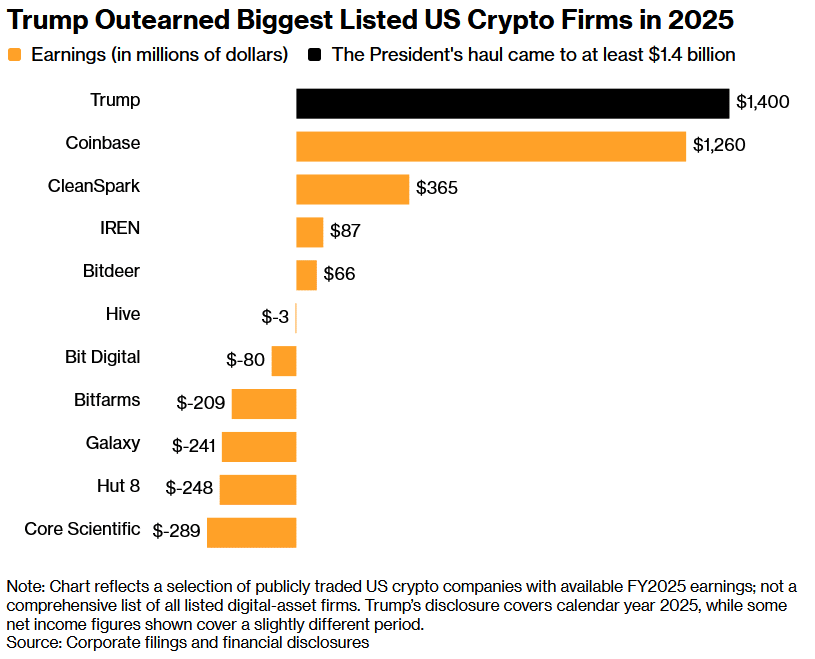
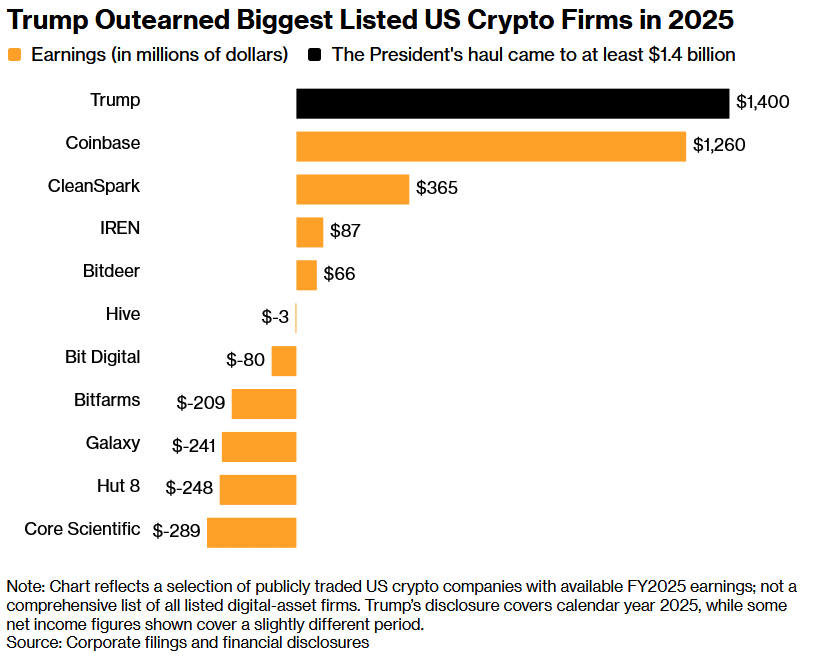
The crypto market structure bill, the CLARITY Act, has seen improved support for Section 604 (developer protections). But the ethics issue could become complicated after reports of U.S. President Donald Trump’s latest $1.4B crypto windfall.

In a letter to the Senate, the Major County Sheriffs of America (MCSA) said it has shifted its position on the bill to “neutral,” noting the ongoing talks on Section 604.

We believe there remains an opportunity to further strengthen the legislation in ways that support responsible innovation and the practical needs of state and local law enforcement.

AD

The law enforcement group further called for the framework to provide necessary resources to help federal and state officers implement the digital assets policy effectively.

In June, four different law enforcement agencies, Catholic groups, and the banking lobby opposed Section 604 of the bill, arguing that it would facilitate illicit financial flows.

As such, the neutral stance by MCSA showed improved support from some of those who previously opposed the bill.

For Coinbase CEO Brian Armstrong, the update was ‘huge,’ implying a clearer path to passage of the CLARITY Act, now that the law enforcement concerns have been addressed.

Will Trump’s $1.4B crypto profit derail CLARITY Act?

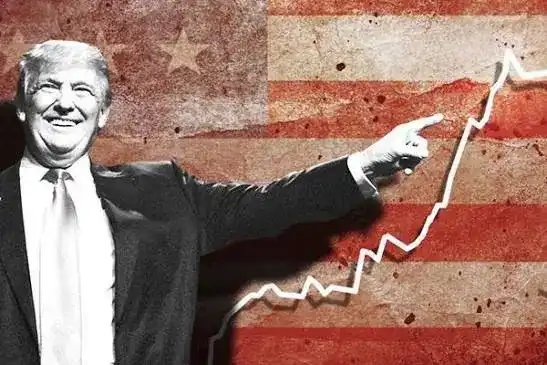
However, the ethics concerns are back on the table. Recent reports showed the Trump family’s crypto empire made over $1.4B in 2025. Over $630M of the profit was from the Official Trump memecoin.

Based on the above, Senator Kirsten Gillibrand has renewed ethics concerns and call to bar elected officials creating their own crypto tokens.

This is a commonsense requirement that should get broad bipartisan support – public officials and their spouses should not be issuing memecoins.

She added,

We cannot let self-dealing destroy an opportunity to strengthen consumer protections, crack down on illicit finance, and expand economic opportunity for the millions of Americans our financial system has left behind.

Worth noting that the ethics provisions in the CLARITY Act hit a rocky start last month. But Democrats insisted that the concerns must be addressed before they support the bill.

Reacting to Trump’s crypto windfall, Hasu, a strategic advisor at Lido, raised similar worries and noted,

Shameful is what it is. And I don’t see how it doesn’t backfire on this industry in a major way.
Source: X

The final updated CLARITY Act text was speculated to be published the July 4th weekend with a potential Senate floor vote later in the month.

While Bloomberg projected a 60% chance the bill becomes law this year, Galaxy Research is 50-50. It remains to be seen whether ethics provisions will derail the bill’s progress.


Final Summary

  • A sheriff’s group flipped its stance on the CLARITY Act from ‘opposition’ to ‘neutral’
  • However, Sen Gillibrand has renewed calls for ethics provisions after Trump’s $1.4B crypto profit


Criptos en tendencia

Preguntas relacionadas

QWhat is the major change in the position of the Major County Sheriffs of America (MCSA) regarding the CLARITY Act, and what was their previous stance?

AThe Major County Sheriffs of America (MCSA) has shifted its position on the CLARITY Act from 'opposition' to 'neutral'. Their previous opposition was primarily against Section 604 of the bill.

QAccording to the article, what is the primary concern that Senator Kirsten Gillibrand renewed following reports about Donald Trump's crypto profits?

ASenator Kirsten Gillibrand renewed ethics concerns, specifically calling for a ban on elected officials and their spouses creating and issuing their own cryptocurrency tokens or memecoins.

QWhat specific section of the CLARITY Act was previously opposed by law enforcement and other groups, and what was their stated reason for opposition?

ASection 604 of the CLARITY Act was opposed by four law enforcement agencies, Catholic groups, and the banking lobby in June. They argued that it would facilitate illicit financial flows.

QWhy does Coinbase CEO Brian Armstrong consider the MCSA's updated stance to be 'huge' for the CLARITY Act?

ACoinbase CEO Brian Armstrong considered the update 'huge' because it implies a clearer path to the passage of the CLARITY Act, as a major law enforcement concern has been addressed with the group moving to a neutral stance.

QWhat are the two different probability estimates mentioned in the article for the CLARITY Act becoming law this year, and who provided them?

ABloomberg projects a 60% chance the bill becomes law this year, while Galaxy Research gives it a 50-50 chance.

Lecturas Relacionadas

Cuenta atrás para el Día-Q: ¿La computación cuántica acabará con las criptomonedas?

**Resumen: Cuenta atrás para el Q-Day: ¿Pondrá fin la computación cuántica a las criptomonedas?** La computación cuántica supone una amenaza existencial para la criptografía de clave pública (como RSA y ECC) que sustenta Internet y las cadenas de bloques. El algoritmo de Shor podría romper estos sistemas de forma eficiente. El "Q-Day", el momento en que esto sea factible, se estima entre 2030-2045. La criptografía post-cuántica (PQC), con algoritmos basados en retículos (lattice, como ML-KEM/DSA) o hashes (como SLH-DSA), es la solución. Estándares como FIPS 203-205 ya están definidos. La migración es urgente según la "desigualdad de Mosca": el tiempo de vida de los datos más el tiempo de migración debe ser mayor que el tiempo hasta el Q-Day. Para el ecosistema blockchain, el riesgo no es uniforme. Los activos en riesgo son aquellos cuyas claves públicas ya están expuestas en la cadena (por ejemplo, antiguas direcciones BTC no gastadas). La amenaza es una prueba de presión para sus pilares: libro de contabilidad público, transferencias irreversibles y autogestión de claves. **Bitcoin** se enfrenta principalmente a un desafío de gobernanza y consenso social. Migrar requiere un soft fork y lidiar con UTXO heredados de alto valor. Las firmas PQC son mucho más grandes, lo que impacta en el tamaño de los bloques y las tarifas. **Ethereum** aborda el problema con una hoja de ruta "Lean" y agilidad criptográfica. Utiliza la abstracción de cuentas (AA) para migrar firmas de usuario de forma gradual, y explora reemplazos para las firmas BLS de consenso (como leanXMSS con compresión SNARK) y para los compromisos de datos (KZG). La ventana para una migración coordinada de todo el ecosistema (protocolos, carteras, exchanges) es de 5 a 8 años. La computación cuántica no es un "arma del juicio final", sino un catalizador para una reconstrucción criptográfica. El mayor cuello de botella no es técnico, sino la compleja coordinación y gobernanza necesarias para una transición a tiempo.

marsbitHace 2 hora(s)

Cuenta atrás para el Día-Q: ¿La computación cuántica acabará con las criptomonedas?

marsbitHace 2 hora(s)

Cuenta regresiva hacia el Q-Day: ¿Pondrá fin la computación cuántica a las criptomonedas?

**Q-Day Cuenta Atrás: ¿Pondrá la Computación Cuántica Fin a las Criptomonedas?** La computación cuántica representa una amenaza existencial para las criptomonedas, ya que el algoritmo de Shor podría romper los criptosistemas de curva elíptica (ECC/ECDSA) que protegen las claves privadas. El "Q-Day", el momento en que un ordenador cuántico a gran escala logre esto, se estima entre 2035-2045. El riesgo es particularmente grave para activos en cadena cuyas claves públicas están expuestas (como antiguos UTXO de Bitcoin), que podrían ser drenados. La migración a criptografía post-cuántica (PQC), como los algoritmos basados en retículos (ML-KEM/DSA) o hashes (SLH-DSA) estandarizados por NIST, es urgente pero compleja. **Bitcoin** enfrenta un enorme desafío de gobernanza: migrar mediante un *soft fork* a direcciones PQC, lidiar con la expansión de las firmas (de ~70 bytes a varios KB) y decidir el destino de los UTXO heredados inactivos, un dilema entre la inmutabilidad y la supervivencia. **Ethereum** sigue una hoja de ruta "Lean" más ágil, utilizando la abstracción de cuentas para la migración de usuarios y explorando firmas basadas en hash (leanXMSS) comprimidas con zkVMs para los validores, junto con la renovación de sus capas de datos y compromisos. La conclusión es clara: la computación cuántica no es un apocalipsis instantáneo, pero inicia una cuenta atrás crítica. La ventana de acción cómoda es de 5-8 años. El mayor obstáculo no es técnico, sino de coordinación de todo el ecosistema y de consenso social sobre la gobernanza de los activos heredados, poniendo a prueba los principios fundamentales de Web3.

链捕手Hace 2 hora(s)

Cuenta regresiva hacia el Q-Day: ¿Pondrá fin la computación cuántica a las criptomonedas?

链捕手Hace 2 hora(s)

Trading

Spot

Artículos destacados

Cómo comprar BILL

¡Bienvenido a HTX.com! Hemos hecho que comprar Billions Network (BILL) sea simple y conveniente. Sigue nuestra guía paso a paso para iniciar tu viaje de criptos.Paso 1: crea tu cuenta HTXUtiliza tu correo electrónico o número de teléfono para registrarte y obtener una cuenta gratuita en HTX. Experimenta un proceso de registro sin complicaciones y desbloquea todas las funciones.Obtener mi cuentaPaso 2: ve a Comprar cripto y elige tu método de pagoTarjeta de crédito/débito: usa tu Visa o Mastercard para comprar Billions Network (BILL) al instante.Saldo: utiliza fondos del saldo de tu cuenta HTX para tradear sin problemas.Terceros: hemos agregado métodos de pago populares como Google Pay y Apple Pay para mejorar la comodidad.P2P: tradear directamente con otros usuarios en HTX.Over-the-Counter (OTC): ofrecemos servicios personalizados y tipos de cambio competitivos para los traders.Paso 3: guarda tu Billions Network (BILL)Después de comprar tu Billions Network (BILL), guárdalo en tu cuenta HTX. Alternativamente, puedes enviarlo a otro lugar mediante transferencia blockchain o utilizarlo para tradear otras criptomonedas.Paso 4: tradear Billions Network (BILL)Tradear fácilmente con Billions Network (BILL) en HTX's mercado spot. Simplemente accede a tu cuenta, selecciona tu par de trading, ejecuta tus trades y monitorea en tiempo real. Ofrecemos una experiencia fácil de usar tanto para principiantes como para traders experimentados.

344 Vistas totalesPublicado en 2026.05.07Actualizado en 2026.06.02

Cómo comprar BILL

Discusiones

Bienvenido a la comunidad de HTX. Aquí puedes mantenerte informado sobre los últimos desarrollos de la plataforma y acceder a análisis profesionales del mercado. A continuación se presentan las opiniones de los usuarios sobre el precio de BILL (BILL).

活动图片