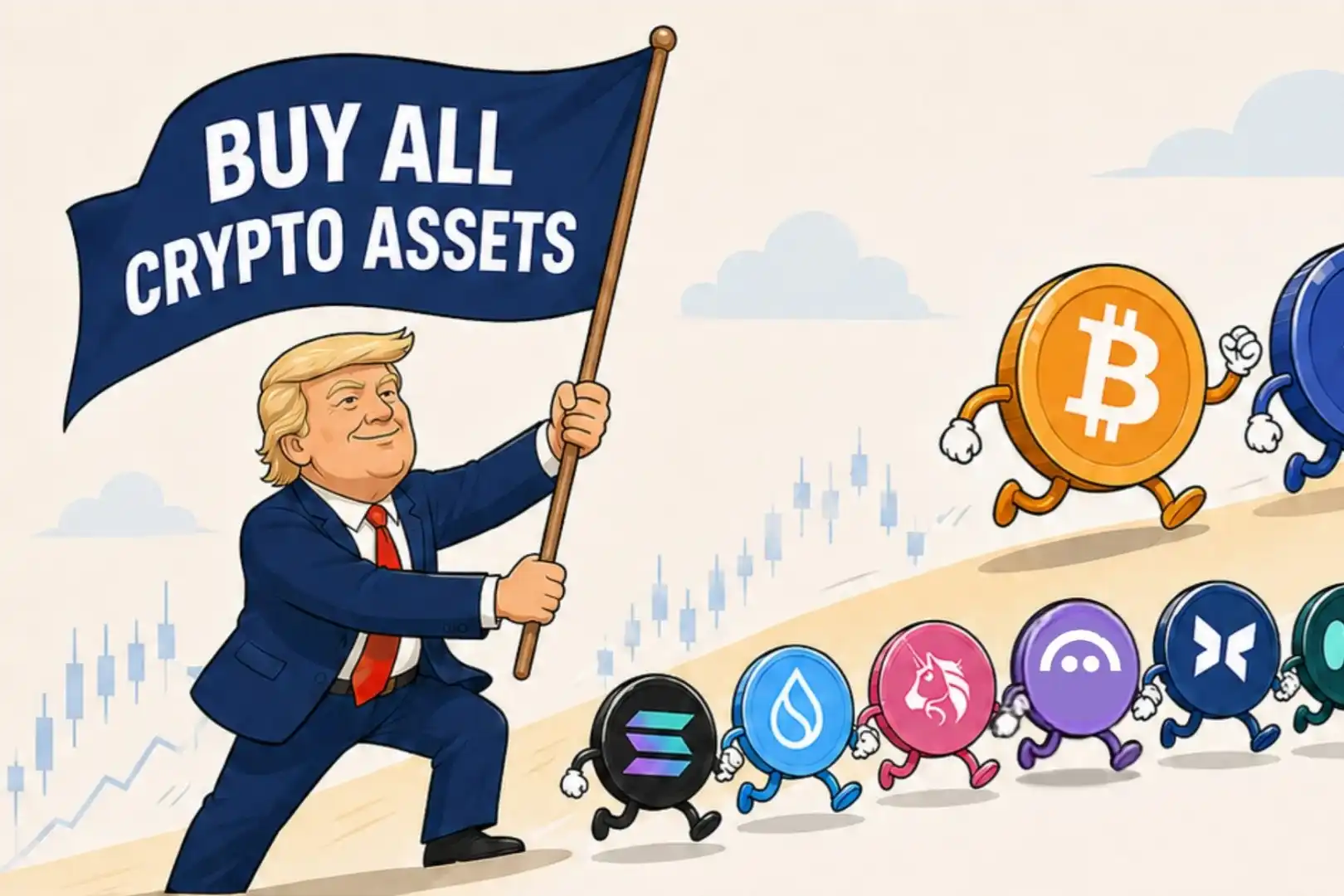
Picture walking into any store and paying with Bitcoin just like you would with Apple Pay.
This dream has been around for years, but most crypto projects have failed to deliver on the promise. Sure, we can trade digital coins all day long, but try buying groceries with them? Good luck. Most store owners take one look at crypto payments and run the other way – too much hassle, too expensive, and way too unpredictable. SpacePay wants to change that story.
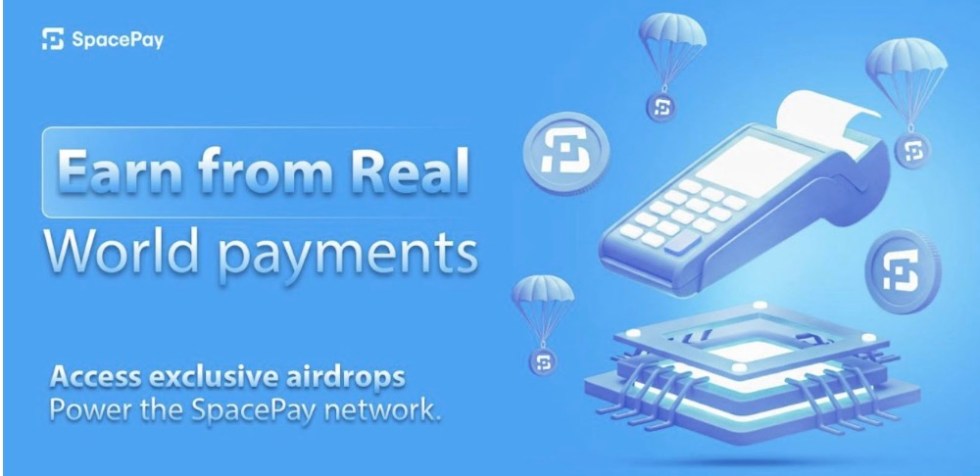
The London startup lets businesses accept crypto through their existing card machines, supports hundreds of different wallets, and converts payments to regular money instantly so merchants don’t worry about price swings.
The Problem Nobody Talks About With Crypto Payments
Here’s the thing most crypto enthusiasts don’t want to admit: paying with digital currencies is still a mess. You find a store that accepts crypto, pull out your phone, scan a QR code, wait for confirmations, and hope the transaction doesn’t fail. Meanwhile, everyone behind you in line is getting annoyed.
Then there’s the merchant side of things. Business owners hear “crypto payments” and immediately think about buying expensive new equipment, training staff, and dealing with wild price fluctuations. Most just say no thanks and stick with credit cards.
SpacePay actually listened to these complaints. Instead of forcing merchants to change everything, they built a solution that works with existing Android payment terminals. Store owners just need a software update. That’s it. No new hardware, no complicated setup, no confused employees.
The platform handles over 325 different crypto wallets, so customers can use whatever they already have installed. When someone pays with Ethereum or any other supported coin, the merchant gets dollars (or euros, or whatever their local currency is) immediately. The crypto conversion happens behind the scenes.
https://x.com/SpacePayLtd/status/1970525148475465794
Why This Underrated Altcoin Actually Makes Sense
Most people have never heard of the $SPY token, and that might be exactly why it’s worth paying attention to. Instead of making wild promises about going to the moon, SpacePay built something that actually works.
The token does more than just sit in your wallet hoping for price increases. Holders get voting rights on platform decisions. They receive monthly loyalty rewards. They get early access to new features. The best part is that token holders actually get a cut of the money SpacePay makes from those transaction fees.
Here’s how it works: someone buys a coffee using SpacePay, and $SPY holders pocket a small slice of that transaction fee. The more successful the platform becomes, the more money flows back to $SPY holders. It’s a pretty straightforward business model compared to tokens that exist purely for speculation.
They capped the total supply at 34 billion tokens. A fifth goes to this public sale, and the rest gets split between development, partnerships, marketing, and user rewards. At least the team planned beyond their initial cash grab.
The Presale Reality Check
SpacePay has pulled in over $1.3M so far during their token sale. That’s real money from real investors, not just hype on social media. The current price sits at $0.003181 per token, and it goes up with each new stage of the presale.
What sets this apart from other crypto projects is that SpacePay already has a working product. You can actually download it and test it out. The team focuses on following regulations and getting proper licenses, which explains why payment industry professionals are taking them seriously.
The funding goes toward practical things like integrating with more businesses, improving security, and getting more merchants signed up. It’s refreshing to see a crypto project that talks about boring stuff like compliance and business development instead of just posting rocket emojis.
Real Benefits That Actually Matter
For business owners, SpacePay opens up access to millions of crypto users who have money to spend but nowhere to spend it. These customers tend to be younger and more tech-savvy, exactly the demographic many businesses want to attract.
The 0.5% transaction fee beats what most credit card processors charge. Plus merchants get their money instantly instead of waiting days for payments to clear. Cash flow problems? Not anymore.
Customers finally have a way to spend their crypto without jumping through hoops. No more searching for crypto-friendly merchants or dealing with clunky payment processes. If a store has SpacePay, you can pay with your crypto just like using a credit card.
The security features use modern encryption and monitor transactions in real-time. Both merchants and customers get protection from fraud, which is always a concern with digital payments.
How To Join The SPY Token Presale
Getting into the SpacePay presale is pretty simple. Head to their website and connect your crypto wallet like MetaMask or WalletConnect. Don’t have crypto? They accept regular debit and credit cards, too.
Right now, $SPY tokens cost $0.003181 each, giving early buyers a head start before exchange listings. The process takes minutes: connect your wallet, choose your payment method, enter your amount, and confirm. The website does all the math for you.
JOIN THE SPACEPAY ($SPY) PRESALE NOW
Website | (X) Twitter | Telegram

Related Posts